Hexagram 31 answers to pressure, but not the kind most people expect.
When the room leans toward you, response matters
I once watched a teacher sit in a pale blue study with a brass desk lamp, a stack of red folders, and a window cracked open to a wet March wind. She had asked about the shape of the hexagrams themselves, but what she was really living was a daily tug: her students kept seeking her out, her inbox never went quiet, and even her partner said she felt “unreachable.” Hexagram 31 is about influence, yes, but the kind that comes from attraction, resonance, and timing. Not pushing. Not proving. It works sideways.
The modern mistake is to treat influence like persuasion. That is not how this hexagram behaves. It is more intimate than that, and more physical than people admit. A room can invite you. A voice can steady you. A person can shift your mood before they speak a single sentence. The i ching hexagram 31 influence meaning lives in that field of mutual response, where one thing quietly moves another because the conditions are ripe.
And that is why this hexagram can feel unsettling. It asks you to stop wrestling with life long enough to notice what naturally comes toward you. Sometimes the answer is a person. Sometimes it is an opportunity that seems small but keeps returning. Sometimes it is your own body saying, “Enough force.”
In practice, Hexagram 31 is about attraction that must be handled with discipline. Desire can be clean. Influence can be ethical. But if you try to manufacture either one, the spell breaks.
What hexagram 31 actually points to
Hexagram 31, often translated as Influence, speaks to the way the softer and the firmer interact. The lake below and the mountain above create a striking image: joy and stillness, openness and restraint. That pairing matters. Real influence does not come from noise. It comes from a stable center meeting a receptive edge.
This is where many readers misread the message. They hear “influence” and think status, charisma, or social leverage. Those can appear on the surface, but the hexagram is more intimate than public image. It is about how one presence affects another presence. A person’s tone. A home’s atmosphere. A request made at the right moment instead of the wrong one.
There is a reason I rarely separate this hexagram from the body. Influence begins below language. A room can make you slower. A chair can make you fidget. A relationship can make you soften or tighten before either person says what they want. That is the real terrain here.
And here is the part people resist: influence is not always something you do. Sometimes it is something you allow.
The hidden lesson inside attraction
Hexagram 31 does not reward aggression. It rewards attunement. If you want the job, the relationship, the apology, or the opening, you need more than ambition. You need timing, tone, and a willingness to let the other side respond without being cornered.
That sounds simple. It is not. Most people cannot tolerate that much restraint. They repeat themselves. They over-explain. They send the second message before the first one has landed. Then they call it “being proactive.” It usually isn’t. It is anxiety in a nice shirt.
There is also a moral dimension here that Western readers often miss. Influence can be used beautifully or badly. If your intention is to seduce, manipulate, or corner someone into agreement, Hexagram 31 exposes the hollowness of that approach. What attracts under pressure usually repels later.
If you want a clearer map of the symbol system behind this reading, Hexagram 1’s creative force offers a useful contrast. Creative power initiates. Hexagram 31 receives response. One begins the motion; the other reveals whether the motion has any natural pull at all.
I've seen this in a consulting room more than once. A retiree in a cream-colored kitchen told me her son only called when he needed help, and she kept trying to “influence” him with longer texts. The result was worse each week. The moment she stopped persuading and started asking one clean question at a time, the tone changed. It was not magic. It was pressure removed from the system.
How this hexagram behaves in real life
In relationships, Hexagram 31 often points to mutual attraction that cannot be forced into a schedule. A new romance may begin with a surprising ease. A long marriage may need less talking and more honest presence. Sometimes the message is not about romance at all, but about the way one person’s calm changes the emotional weather for everyone else in the house.
In work, it can show persuasive timing. A manager who waits to speak until the room is ready. A proposal that lands because it was sent after the boss finished a difficult week, not during it. A project that gets support not because it was louder, but because it made the next step obvious.
In the body, it can look like tension easing when you stop trying to control your own reactions. I have seen people interpret this hexagram after headaches, jaw clenching, or sleeplessness, and the advice was not mystical. It was practical: reduce stimulation, remove competing demands, and let the nervous system respond instead of command.
That is the strange grace of this reading. It teaches you to notice what changes without force.
When influence becomes manipulation
Hexagram 31 has a shadow, and it is not subtle. Attraction can become coercion. Charm can become cover. A warm voice can hide a hard agenda. When this happens, the hexagram still speaks clearly: whatever you are trying to obtain through pressure will not hold.
People sometimes use “influence” as a polite word for control. The I Ching does not cooperate with that trick. It cares about integrity in motion. If your request requires the other person to shrink, panic, or betray themselves, the energy is wrong from the start.
This is why I tell readers to watch for resistance in the body. If you feel tightness, urgency, or a need to make the other person decide now, pause. That pressure is useful information. It tells you the moment is not ripe.
Real influence leaves room.
How to work with Hexagram 31 exactly
First, identify where you are trying too hard. Name the relationship, the project, or the decision. Be specific. “I want my team to approve the plan” is better than “I need things to move.” Hexagram 31 rewards precision because vague desire often hides attachment to control.
Second, remove one layer of force. If you have been sending repeated messages, stop. If your home is overstimulated, simplify one area. If your request is too broad, make it smaller. I once worked with a nurse whose bedroom had a loud orange throw, a mirrored wardrobe, and three charging cables spilling off the nightstand. She was asking about a difficult conversation with her sister, but the room itself was shouting. We changed the bed linens to soft gray, moved the mirror away from the bed, and cleared the nightstand. Two days later, she said the conversation felt easier before it even happened.
Third, choose the moment of contact carefully. Hexagram 31 is not passive; it is responsive. Send the email when the recipient can actually read it. Bring up the issue after the meal, not during the rush. Ask the question after you have created calm enough for an honest answer.
Fourth, listen for the response before you push again. This sounds obvious. It rarely is. People rush past the first subtle sign because they want certainty. But in this hexagram, the first small response is often the real answer.
If you are still learning how to frame a question so the oracle can answer cleanly, these question patterns will save you from muddy readings. A sharp question produces a sharp mirror. A sloppy question usually reflects your own confusion back at you.
Fifth, if you want to cast the hexagram again, do not do it out of impatience. Repeating the question too quickly is one of the fastest ways to lose the thread. Let the answer work on you first.
What to notice in the body and home
The body under Hexagram 31 often shows a subtle softening. The jaw unclenches. Breathing lowers. Shoulders drop. If that does not happen, pay attention. Your system may be telling you that the current request is out of phase with the moment.
The home shows the same pattern. I pay close attention to thresholds, bedside tables, and seating arrangement when this hexagram appears. These are places where contact is either welcomed or blocked. A front hall that feels crowded can make every interaction feel rushed. A bedroom with too many active objects can turn intimacy into restlessness. A living room with chairs facing away from one another can quietly discourage conversation.
None of this is decorative trivia. It is part of how influence travels. A space either receives or resists. People do the same.
How Hexagram 31 connects back to the whole system
This is not a standalone trick. It belongs to the larger logic of the oracle, where each hexagram only makes full sense in relation to the others. That is why the foundation matters. If you want to see how this reading fits into the bigger picture, your first I Ching reading gives useful context for beginners and experienced readers alike.
The deeper point is that influence is never isolated. It moves through character, setting, timing, and question. That is why some readings feel immediate and others stay stubborn. The hexagram is not just talking about “getting” something. It is asking whether the conditions for mutual response are actually present.
So the next time Hexagram 31 appears, resist the urge to turn it into a slogan. Ask a better question. What is naturally drawing near? What is being asked of you in response? Where are you overreaching? Where are you under-responding?
Those questions are more useful than any dramatic interpretation.
FAQ
Does Hexagram 31 always mean romance?
No. Romance is only one expression of attraction. The hexagram can describe a mentor-student bond, a business opportunity, a household dynamic, or a body that is responding to a calmer rhythm.
What if I receive the i ching hexagram 31 influence meaning during a hard decision?
Treat that as a cue to slow down and observe what naturally leans toward you. A hard decision becomes easier when you stop trying to force certainty and look for the option that has real pull, not just pressure behind it.
How do I know if I am influencing well or manipulating?
Surprising fact: the body usually knows before the mind does. If your approach creates contraction, urgency, or secrecy, the influence is probably off. Clean influence leaves dignity intact on both sides.
David Liu
Traditionally informed guidance • Cross-referenced with classical Chinese source texts
Interpretations cross-referenced with the Zhouyi (周易) and Wilhelm/Baynes translation.
Practitioner-Selected Tools for This Topic
Items our team has tested and found effective for the principles discussed above. Individual results may vary.
 -20%
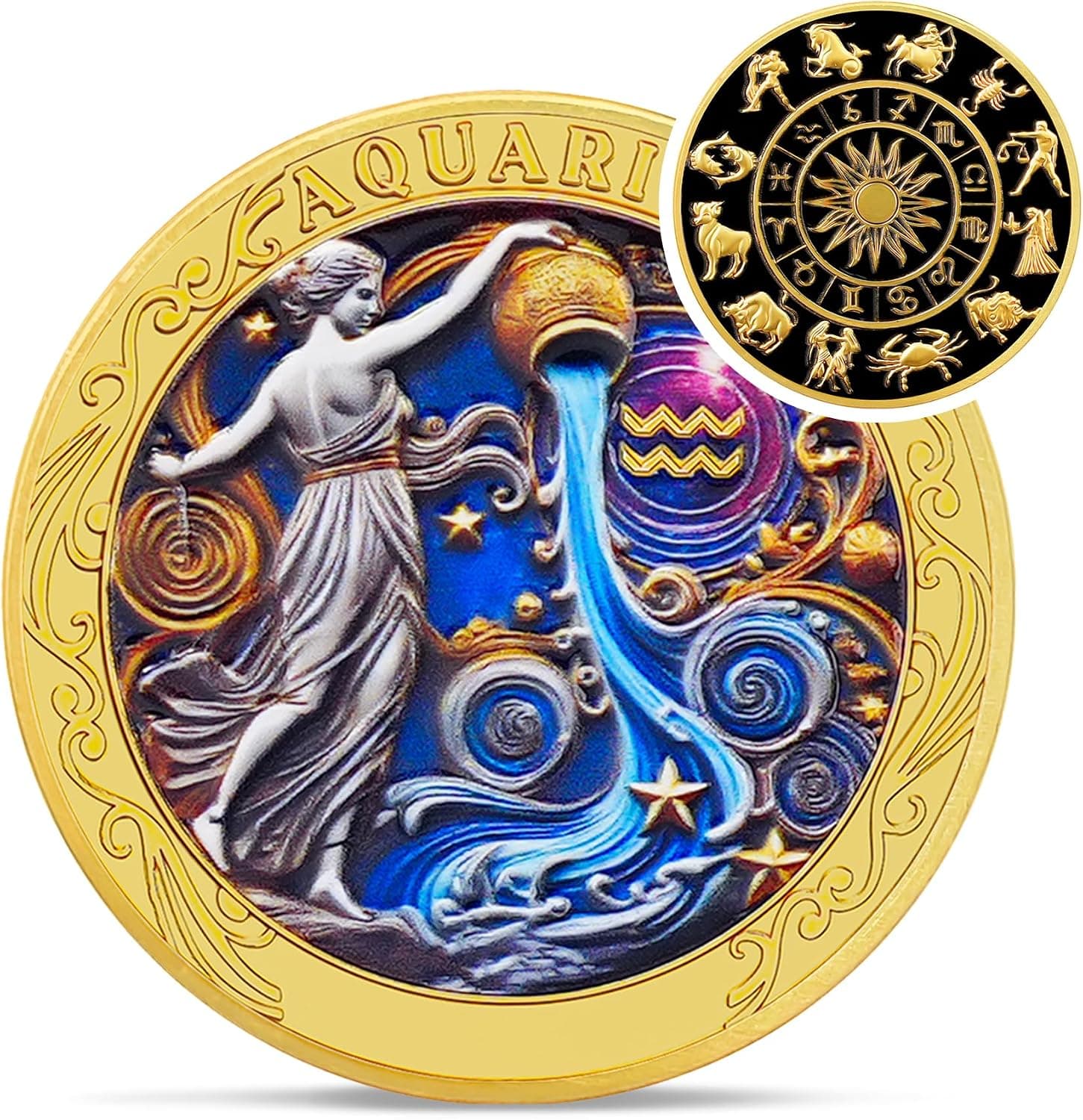
-20%Aquarius 12 Zodiac Challenge Coin - Twelve Constellations Aquarius Protective...
 -29%
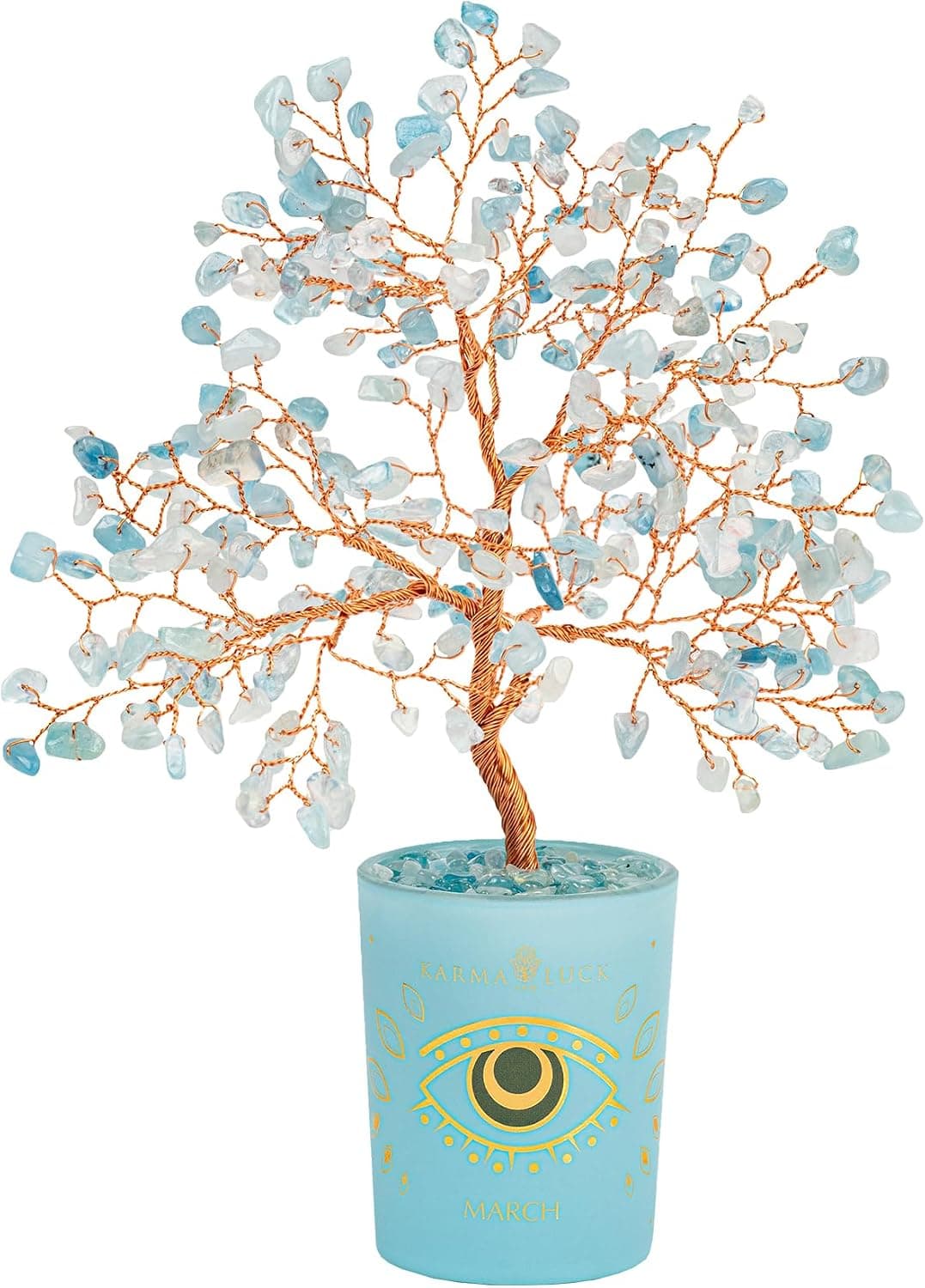
-29%Karma and Luck March Birthstone Crystal Tree of Life, Aquamarine Gemstone Fen...
 -29%
-29%Karma and Luck July Birthstone Crystal Tree of Life, Ruby Gemstone Feng Shui ...
 -29%
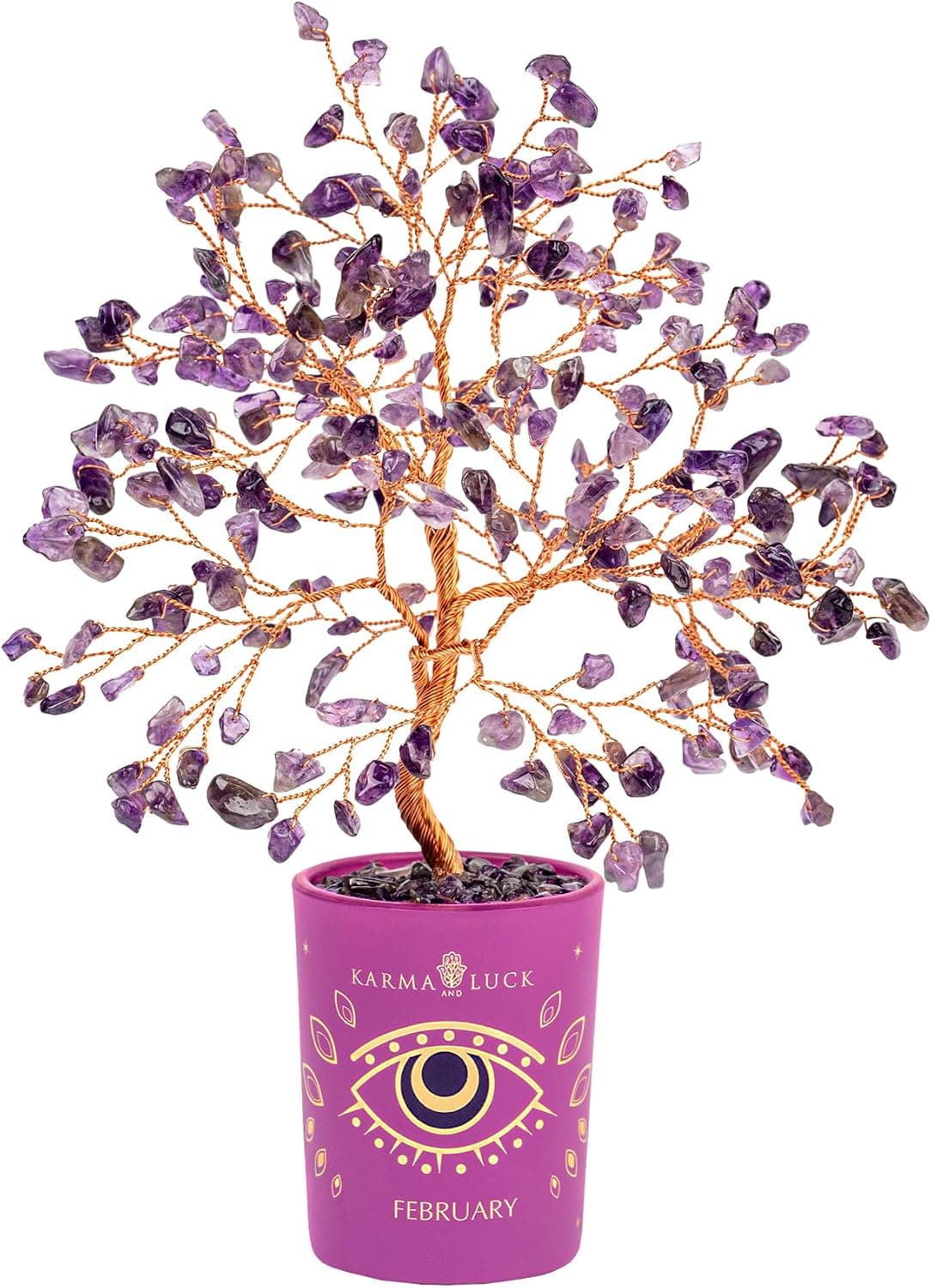
-29%Karma and Luck February Birthstone Crystal Tree of Life, Amethyst Gemstone Fe...
As an Amazon Associate, we earn from qualifying purchases. We only recommend items our practitioners have personally tested.
Continue Your Journey
Explore these related guides to deepen your understanding:

The I Ching Doesn't Answer Lazy Questions — Here's What to Ask Instead
8 min readConfucian Commentary Turns the I Ching Into a Moral Floor Plan
9 min readBroken Lines, Solid Lines, and the Real Yin-Yang Logic of the I Ching
11 min readThe Wilhelm I Ching Feels Deep Because It Slows Your Reading
11 min readReady for Deeper Guidance?
Try our free I Ching reading for personalized wisdom, or explore our curated Feng Shui essentials.