Hexagram 30 shows what happens when clarity becomes attachment—and when a little fire starts to burn too hot.
When light becomes something you cling to
I once walked into a narrow home office in Portland and stopped at the doorway. The room looked elegant at first glance: a bronze desk lamp, a red leather chair, a glass tray of pens, and a computer monitor glowing late into the night. But the man who worked there kept describing the same problem—restlessness, eye strain, and the strange feeling that he could never quite “finish” anything. The room was bright. The energy was not.
That is the heart of the Hexagram 30 pattern: fire that illuminates, but also fire that sticks. People like the image of flame because it suggests inspiration, brilliance, and visibility. They forget that fire has no shape of its own. It depends on what it clings to. In a home, that can be a lamp, a color scheme, a wall of screens, or a habit of overexposure. In a person, it can be a relationship, a role, or an identity that has become too hot to hold comfortably.
That’s why the i ching hexagram 30 clinging fire meaning is rarely about “more light.” It is about discernment. What deserves your attention, and what is simply burning through it? That distinction matters more than people think.
Fire in the I Ching is never just fire
Hexagram 30 is called Li, often translated as the Clinging, the Fire, or Radiance. The usual mistake is to hear “fire” and think of passion alone. Passion is only part of it. Fire also reveals edges, exposes what was hidden, and makes surfaces impossible to ignore. It is the hexagram of perception sharpened by contrast.
Li does not move like water or settle like earth. It attaches. It lights up one thing by borrowing from another. That is why this hexagram speaks so clearly to relationships, study, visibility, reputation, and the way we get tethered to what we admire.
One sentence matters here: radiance is not the same as freedom.
People often assume a strong fire hexagram means action, speed, or ambition. Sometimes it does. But just as often it reveals over-identification. A teacher who cannot stop performing for approval. A designer who keeps changing the apartment because nothing feels bright enough. A retiree who leaves every lamp on because darkness now feels like abandonment. The fire is active, yes, but the real story is what it refuses to let go of.
That is why this hexagram can be unsettling. It praises clarity, but it also asks whether your clarity has become fixation.
The clinging part is the warning
In practice, I find this hexagram shows up when someone has built life around a single source of certainty. A job title. A perfect partner. A polished home. A spiritual routine. Even a beautiful room can become too dependent on one kind of energy.
There was a nurse I worked with who had converted her bedroom into a bright, almost clinical space. White bedding. White curtains. White shelves. One red vase on the dresser, because she had read that red activates fire and “brings life into the room.” Instead of feeling energized, she slept badly for months. The red vase was not the problem by itself. The problem was the whole room had no soft landing. There was nowhere for the mind to dim.
That is a useful way to read the i ching hexagram 30 clinging fire meaning in feng shui terms: fire must be balanced by rest, texture, and containment. Too much exposed brightness creates vigilance. The room feels awake when it should be restorative.
For deeper context on how the oracle frames these patterns, I often point readers to the basics of making sense of a first reading. Hexagram 30 is easier to misread than people expect, because it sounds beautiful. Beauty can distract.
Fire gives vision. Fire also burns away illusion. The line between those two outcomes is thin.
What Hexagram 30 is really asking of you
The question beneath this hexagram is simple: what are you illuminating, and what are you consuming in the process?
That question applies to a room, but it applies even more to a pattern of living. Maybe you keep chasing the next insight because ordinary life feels too dull. Maybe you keep reworking the same conversation because you want a clean resolution. Maybe you stay visible, helpful, and available because being needed has become your fuel. Li can make all of that look noble. It is not always noble.
In many readings, Hexagram 30 appears when someone needs to stop confusing intensity with truth. Strong emotions are not always accurate. Bright aesthetics are not always harmonious. A passionate decision can still be a mistaken one.
That surprises people because they want the I Ching to bless the fire. Sometimes it does. Sometimes it tells you the fire has begun to own you.
Reading this hexagram through the home
If you are using the oracle alongside feng shui, look first at places where light is overworked. The desk with three lamps. The bedroom with a mirrored wardrobe facing the bed. The kitchen where cool white bulbs make every surface look unforgiving. The hallway where a spotlight makes the path feel like a stage.
In one apartment in Austin, a graphic designer had a living room with black walls, a neon sign over the sofa, and two mirrored side tables. It looked spectacular in photos and strange in person. She told me she could never relax there. After we softened the room with natural fiber curtains, switched the neon off at night, and replaced one mirror with a matte ceramic bowl, her evening headaches eased within a week. Not because the room became dull, but because it stopped demanding performance.
That is the practical side of the hexagram. Clinging fire means the environment is asking for moderation, not more drama.
For readers who want a broader frame before going further, the coin method for consulting the I Ching is worth learning well. The more cleanly you cast, the less likely you are to project your wishes onto a result like this one.
Exact ways to work with the energy
Start with light. Walk through the main rooms at night and ask where your home feels overexposed. If a room needs to be “on” all the time, it is not supporting fire correctly. Use layered lighting instead of one harsh source. A table lamp, a floor lamp, and a dimmable overhead fixture can change the whole emotional temperature of a room.
Next, audit red. Red is not forbidden here. That would be too simplistic. But if your room already has strong sunlight, shiny surfaces, candles, bright art, and a dominant red accent wall, you may be feeding the clinging aspect more than the radiance. Try moving red into a smaller object: a book spine, a cushion, a ceramic dish. Let it be an accent, not an eruption.
Then check the body. This hexagram often shows up when sleep is poor, eyes are tired, or the nervous system is overstimulated. So close the laptop earlier. Remove one glowing device from the bedroom. If you need light for reading, keep it warm and low. The goal is not darkness. The goal is usable light.
One sentence is enough here: stop making every room prove something.
If you are asking the oracle about relationships or career, the same rule applies. Do not worship the brightest option. The brightest option is not always the one that will hold steady. For those exploring work questions specifically, career-focused I Ching readings often reveal where ambition has become attachment disguised as purpose.
How Hexagram 30 behaves in a reading
When Li appears, I pay close attention to whether the situation already has too much visibility. Public conflict. Social comparison. Emotional exposure. Constant communication. The hexagram often says: see clearly, but do not stare. That distinction changes everything.
If you received this hexagram after a breakup, it may point to the residue of attachment rather than the relationship itself. If you received it about a job, it may suggest that your identity is too fused with being seen as competent. If it came up about the home, ask whether the house is lit for living or lit for display.
The fire element also has a moral edge in classical texts. It can represent discernment, intelligence, and even virtue. But virtue without restraint turns brittle. A polished image without warmth becomes sterile. You can have a beautiful room and still feel exhausted in it.
That is the awkward truth many people resist: the thing that looks most alive can sometimes be the thing draining you most.
Linking the hexagram back to the pillar perspective
If you want the bigger map, this hexagram makes more sense when compared with the full structure of the system. I tell readers to study the broader grammar of change before obsessing over single symbols, and that is why the relationship among the hexagrams matters so much. Hexagram 30 is not a standalone slogan. It is one voice in a larger conversation about movement, balance, and transformation.
That wider view keeps you from making a common mistake: treating every radiant moment as a command to intensify. Sometimes the oracle is asking you to refine. Sometimes it is asking you to step back from the flame and see what remains when the performance stops.
And if you are still learning how to ask clean questions, go back to better ways to phrase an I Ching question. A vague question will turn Hexagram 30 into poetry. A precise question will turn it into instruction.
The i ching hexagram 30 clinging fire meaning becomes much clearer when you stop asking, “How do I get more fire?” and start asking, “What am I too attached to seeing?”
FAQ
Does Hexagram 30 mean good luck?
Sometimes, but not in the casual sense people hope for. It points to clarity, visibility, and sharpened awareness, which can lead to success if you stay balanced. If you chase brightness for its own sake, the same hexagram can expose what is unstable.
Is this a bad sign for a bedroom?
Not automatically. The surprising part is that fire in a bedroom is often about too much stimulation, not too little energy. A warm lamp, softer textiles, and reduced screen glow usually help more than adding more red or more light.
What should I do if this hexagram appears repeatedly?
Look for a pattern of attachment: to attention, to control, to a role, or to an aesthetic that never lets the room rest. Repeated appearance usually means the lesson has not been integrated yet. The fix is rarely dramatic; it is usually a cleaner boundary, quieter lighting, or one honest decision you have been avoiding.
David Liu
Traditionally informed guidance • Cross-referenced with classical Chinese source texts
Interpretations cross-referenced with the Zhouyi (周易) and Wilhelm/Baynes translation.
Practitioner-Selected Tools for This Topic
Items our team has tested and found effective for the principles discussed above. Individual results may vary.
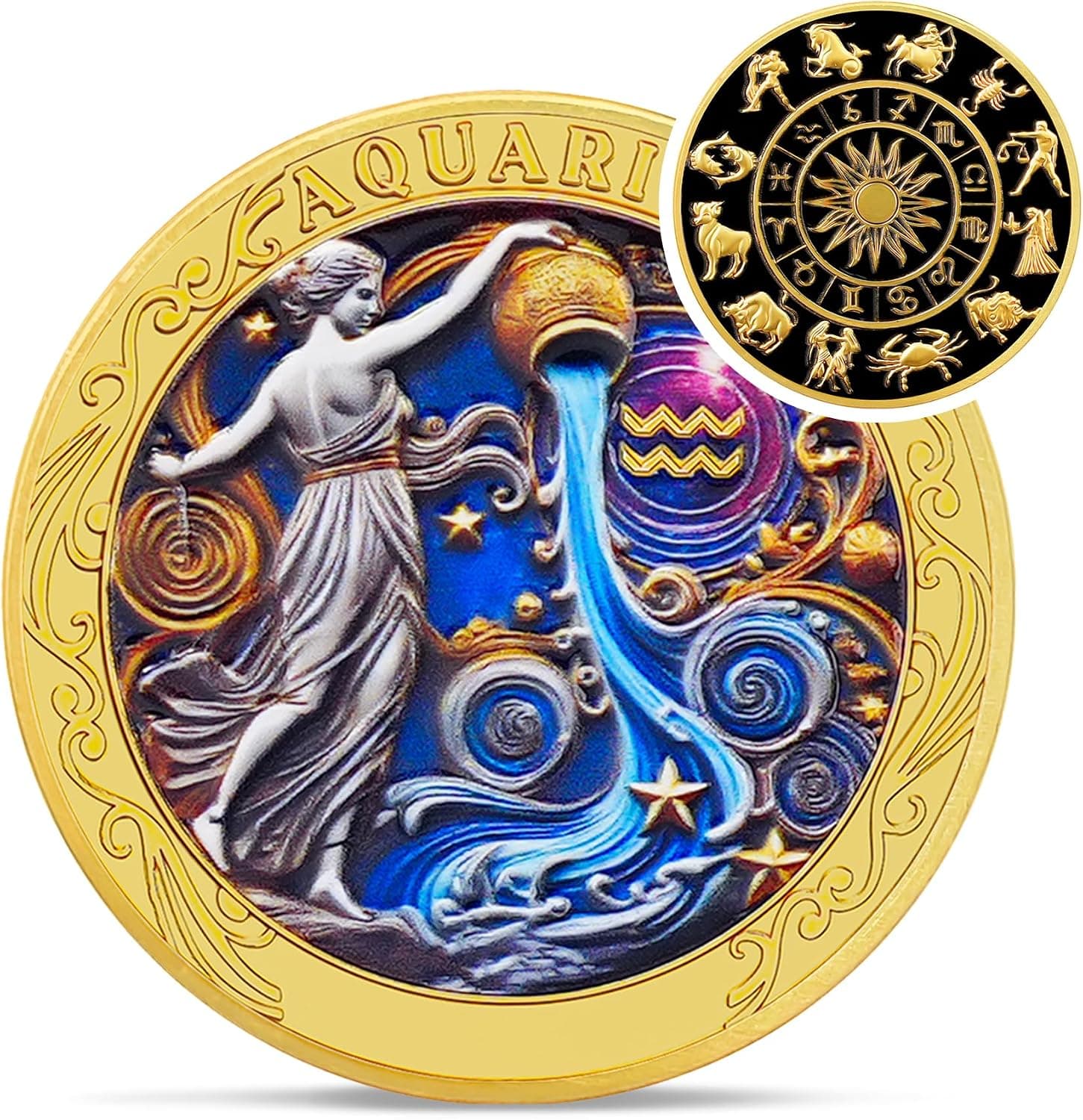 -20%
-20%Aquarius 12 Zodiac Challenge Coin - Twelve Constellations Aquarius Protective...
 -29%
-29%Karma and Luck March Birthstone Crystal Tree of Life, Aquamarine Gemstone Fen...
 -29%
-29%Karma and Luck July Birthstone Crystal Tree of Life, Ruby Gemstone Feng Shui ...
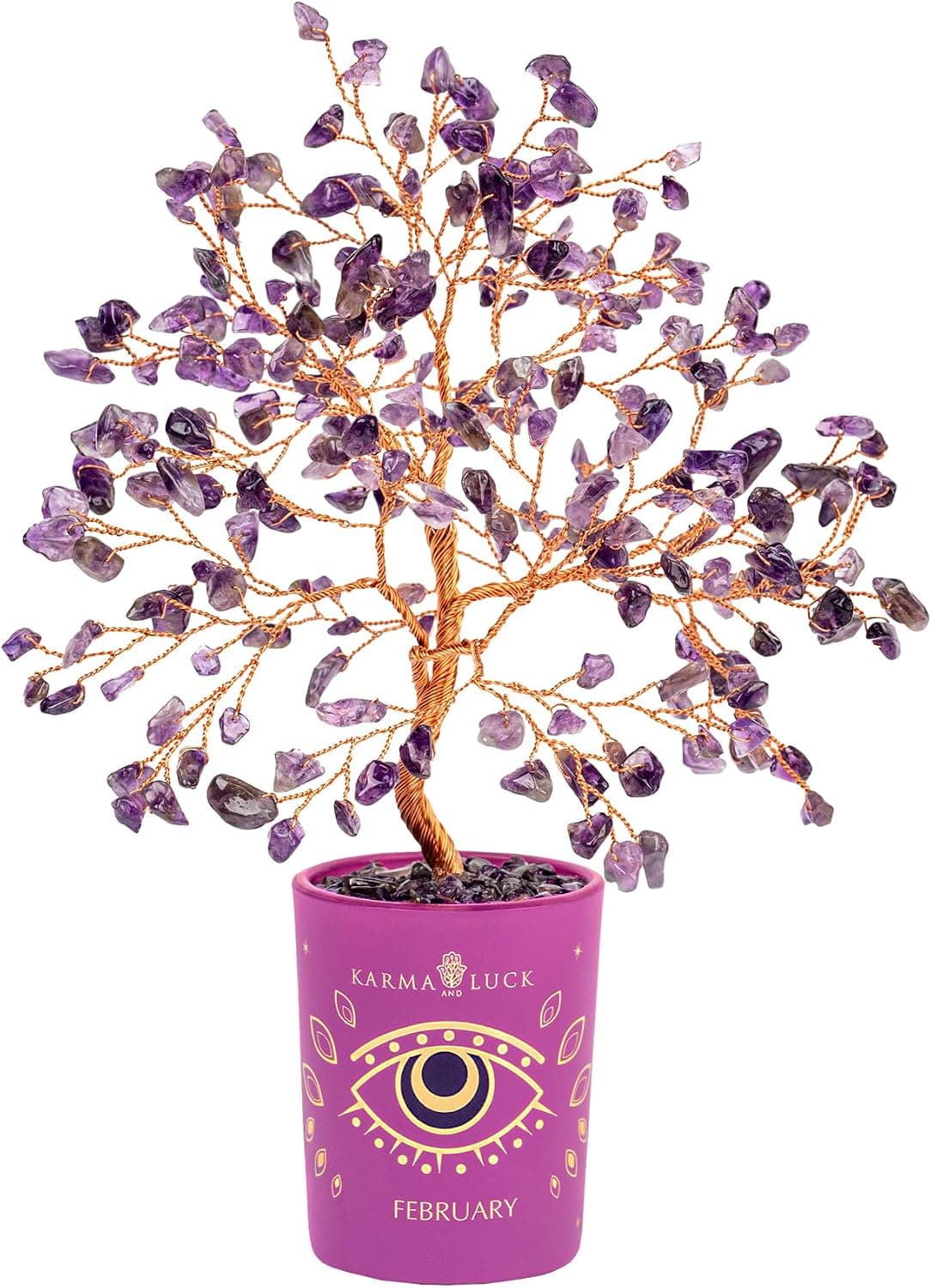 -29%
-29%Karma and Luck February Birthstone Crystal Tree of Life, Amethyst Gemstone Fe...
As an Amazon Associate, we earn from qualifying purchases. We only recommend items our practitioners have personally tested.
Continue Your Journey
Explore these related guides to deepen your understanding:

The I Ching Doesn't Answer Lazy Questions — Here's What to Ask Instead
8 min readConfucian Commentary Turns the I Ching Into a Moral Floor Plan
9 min readBroken Lines, Solid Lines, and the Real Yin-Yang Logic of the I Ching
11 min readThe Wilhelm I Ching Feels Deep Because It Slows Your Reading
11 min readReady for Deeper Guidance?
Try our free I Ching reading for personalized wisdom, or explore our curated Feng Shui essentials.