Hexagram 3 doesn’t block progress; it exposes the cost of rushing the wrong beginning.
The first obstacle is rarely the real obstacle
Three things go wrong at the start: the plan is vague, the timing is off, or the person is trying to make speed look like clarity. I have seen that pattern in a small guest room with a blue suitcase still open on the floor. The woman who lived there kept asking if she should quit her job and move cities, but the room itself told a different story: no lamp by the bed, a broken chair used as a clothes rack, and a desk pushed hard against the wall as if decision itself had been cornered. That is the energy of reading hexagrams as living patterns, not abstract symbols.
Hexagram 3 is often treated like a simple warning. It is more exact than that. It describes a beginning that has traction, but not yet form. The seed has cracked, but the root is still blind. The mountain is not moved by enthusiasm; it is moved by sustained pressure in the right place. That is why the first move matters so much and yet cannot be treated as the whole answer.
The common mistake is to hear “difficulty” and assume “don’t begin.” That is too blunt. The hexagram asks for a different kind of beginning: one that accepts confusion without glorifying it. If you keep waiting for perfect certainty, you will miss the moment when the path actually opens. If you force action before the shape is ready, you create extra work for yourself later. Both errors look productive at first.
In classic divination, this hexagram often appears when someone has just started a new relationship, a business idea, a move, or a creative project. The energy is full of possibility, but it is tangled. I have seen it show up for people who think they need confidence, when what they really need is structure. Confidence without structure becomes noise. Structure without confidence becomes paralysis. Hexagram 3 sits in the narrow gap between those two failures.
What this hexagram is actually asking you to do
The deeper message behind i ching hexagram 3 difficulty beginning is not “be afraid.” It is “do not confuse pressure with momentum.” A new start usually feels messy because several forces are arriving at once: desire, uncertainty, outside opinion, and practical reality. The hexagram does not ask you to eliminate the mess. It asks you to stop pretending the mess is a sign of failure.
There is a strong relationship here with the idea of obstruction in its earliest form. Before something becomes a visible problem, it first appears as hesitation, delays, missed signals, or too many moving parts. That is why this hexagram can feel annoying. It refuses the fantasy that the universe should applaud your intentions immediately.
I walked into a compact home office last spring where a software engineer had placed a red desk lamp, two gold awards, and a stack of unpaid invoices in the same line of sight. She said she felt blocked every morning. Of course she did. The room was broadcasting urgency, pride, and pressure at the same time. We did not “manifest” anything. We moved the invoices out of sight, replaced the red lamp with softer light, and gave the desk a clear wall behind it. Within two weeks, she stopped dreading the chair.
That is the kind of practical clarity Hexagram 3 demands. You do not need more drama. You need a cleaner start.
One more point, and people dislike this one: the beginning may require support. Not because you are weak, but because the first stretch is inherently unstable. In Chinese metaphysics, beginnings are not judged by how loudly they announce themselves. They are judged by whether they can take root.
That is why I tell readers not to romanticize “starting from scratch.” Fresh starts sound noble until you meet the real conditions: limited time, bad habits, unclear goals, and other people’s expectations. Hexagram 3 respects the difficulty without surrendering to it.
How to work with the energy, step by step
If you received this hexagram in a reading, slow the situation down before you label it. Ask: what is actually forming here, and what is still only excitement? Write the answer in plain language. No spiritual theater. No vague promises. If the situation is a job search, specify the role, the company, the deadline, and the missing piece. If it is a relationship, name the exact point of uncertainty. Precision reduces fog.
Then look for the first helper, not the final solution. Hexagram 3 often improves when one small supportive element appears: a mentor, a calendar, a clearer budget, a steadier room, a better question. People want the whole staircase. The hexagram usually gives one rung.
For practical feng shui, I recommend starting with the entry point of the project or room. Clear the clutter around the place where you begin your day. If it is a bedroom, remove one object that makes the space feel unfinished. If it is a work area, make the first action of the day obvious: laptop open, notes ready, charger placed, distractions removed. A beginning should not require a scavenger hunt.
For divination practice, do not ask, “Will this work?” That question is too broad for a difficult beginning. Ask, “What is the next small right step?” or “What is obstructing the root?” These questions reveal useful movement. If you need help shaping the question itself, use better questions for clearer answers.
And if the answer still feels frustrating, that is not failure. Frustration can be the sign that the reading has hit the real issue. Many people want reassurance when the hexagram is offering direction. Those are not the same thing.
Do not mistake delay for denial
There is a difference between a path that is closed and a path that is not yet passable. Hexagram 3 usually describes the second. This is where Western readers often overreact. They assume any complication means “not meant to be.” That belief can be comforting, but it is lazy. Some beginnings need more patience, not a new destiny.
That said, patience is not passive waiting. It is disciplined restraint. You keep the plan alive while removing friction. You return to the basics. You ask for help sooner than your pride prefers. You make the beginning simpler, smaller, and more honest.
If this hexagram appears alongside a career question, the issue may not be whether to act but how to enter. That is a subtle but important distinction. A rough start can be repaired; a reckless start can waste months. For career-specific questions, I often point readers to interpretations that focus on work decisions, because Hexagram 3 frequently shows up when someone is trying to force a transition before the conditions are ready.
There is also a psychological layer here that people miss. Beginning a new thing exposes identity. The moment you start, you are no longer just someone who intends. You become someone who is visible. That can trigger fear, perfectionism, and old stories. The difficulty is not always the external situation. Sometimes the beginning hurts because it makes you real.
One sentence can carry the whole lesson: begin, but do not blunder into it.
That balance is hard. It is supposed to be hard.
How this connects back to the larger hexagram system
Hexagram 3 makes more sense when you place it inside the whole map. Hexagrams are not isolated fortune-cookie messages. They are positions in a larger movement. The reading is telling you where you are in the cycle, what kind of energy is present, and what behavior fits the moment. If you want the wider framework, the broader view in a first reading often helps people stop overcomplicating the answer.
That broader view matters because beginners often want one fixed meaning. Hexagram 3 refuses that kind of flattening. In one situation it means start with allies. In another, it means stop calling confusion a disaster. In another, it means the conditions are there, but the timing needs adjustment. Same hexagram. Different context. That is how real divination works.
The image underneath this hexagram is a sprouting life encountering resistance. A shoot is not weak because it bends around a stone. It is alive. The stone does not disappear, but the plant learns the shape of the obstacle and grows anyway. That is the tone of this reading: not romantic, not fatalistic, just adaptive.
If you remember one thing, remember this: the beginning is the test. Not the whole journey. Not the final verdict. Just the first test.
FAQ
Does Hexagram 3 mean I should stop?
Not usually. It more often means the situation needs support, patience, or a cleaner entry point. Stopping is only wise if the start is built on denial, panic, or a bad question.
Why does this hexagram feel so frustrating?
Because it blocks fantasy at the exact moment fantasy feels easiest. That can sting. The good news is that the hexagram is often preventing bigger trouble by exposing the weak point early.
What is the best way to respond when I get this reading?
Choose one practical adjustment and make it immediately. Clear the space, refine the question, ask for help, or reduce the scale of the first step. Small corrections are often the right medicine here.
David Liu
Traditionally informed guidance • Cross-referenced with classical Chinese source texts
Interpretations cross-referenced with the Zhouyi (周易) and Wilhelm/Baynes translation.
Practitioner-Selected Tools for This Topic
Items our team has tested and found effective for the principles discussed above. Individual results may vary.
 -20%
-20%Aquarius 12 Zodiac Challenge Coin - Twelve Constellations Aquarius Protective...
 -29%
-29%Karma and Luck March Birthstone Crystal Tree of Life, Aquamarine Gemstone Fen...
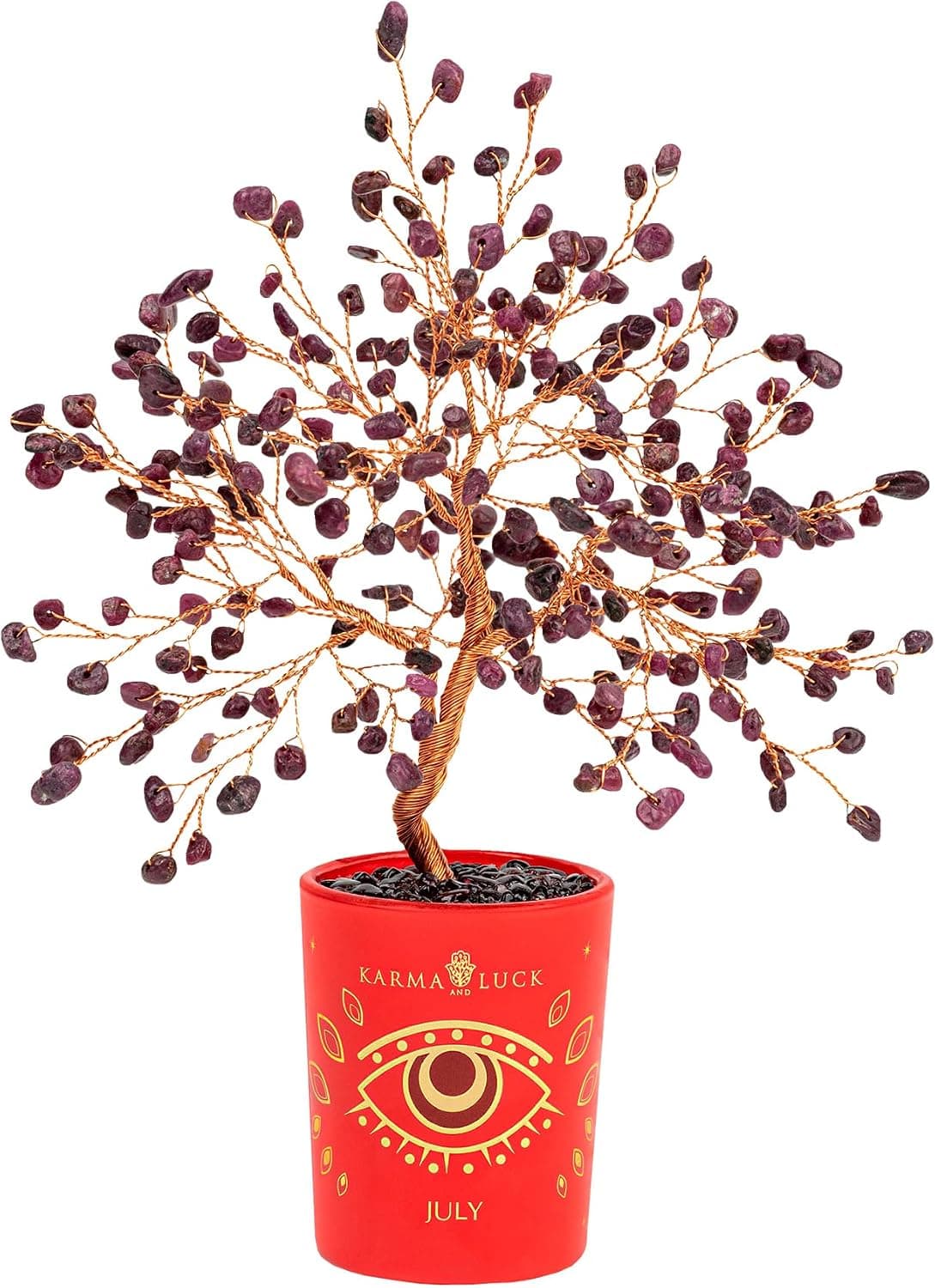 -29%
-29%Karma and Luck July Birthstone Crystal Tree of Life, Ruby Gemstone Feng Shui ...
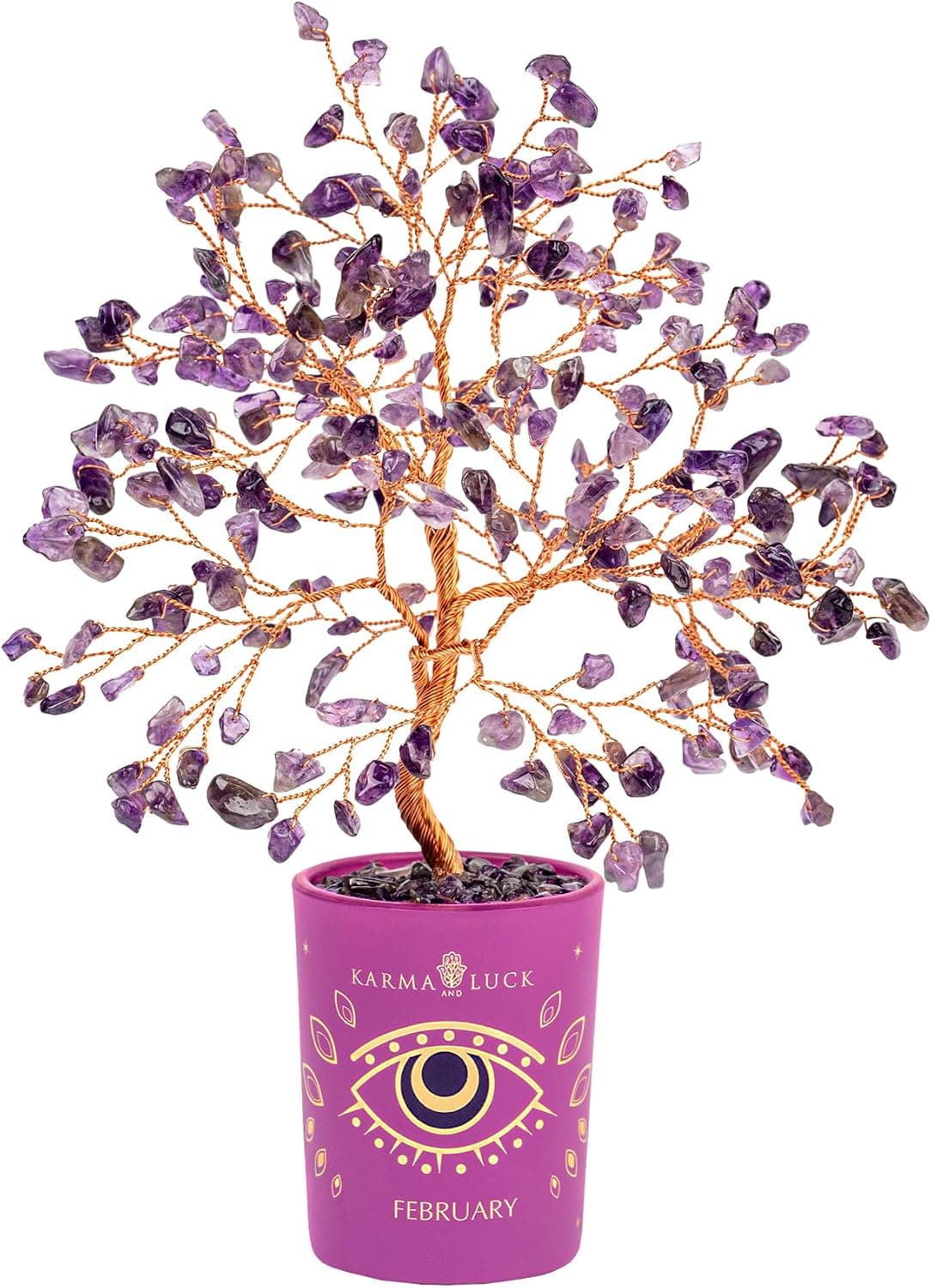 -29%
-29%Karma and Luck February Birthstone Crystal Tree of Life, Amethyst Gemstone Fe...
As an Amazon Associate, we earn from qualifying purchases. We only recommend items our practitioners have personally tested.
Continue Your Journey
Explore these related guides to deepen your understanding:

The I Ching Doesn't Answer Lazy Questions — Here's What to Ask Instead
8 min readConfucian Commentary Turns the I Ching Into a Moral Floor Plan
9 min readBroken Lines, Solid Lines, and the Real Yin-Yang Logic of the I Ching
11 min readThe Wilhelm I Ching Feels Deep Because It Slows Your Reading
11 min readReady for Deeper Guidance?
Try our free I Ching reading for personalized wisdom, or explore our curated Feng Shui essentials.