Hexagram 23 warns that survival comes from stripping away the nonessential before collapse does it for you.
When the outer layer starts peeling
There is a moment in certain readings when the lines look tired before you even name them. Not dramatic. Just frayed. The question in front of you may be about work, marriage, money, or a move, but the answer lands with a strange quiet: something has already started to separate.
That is the terrain of the hexagram system itself, and Hexagram 23 is one of the starkest examples. People often want it to mean “bad luck.” That is too small. What it usually describes is a structure losing its grip because the support beneath it has weakened. You do not argue with that. You observe it, and then you stop feeding what is already falling away.
I have seen this show up in a bedroom with a cracked lamp shade, peeling beige paint, and two suitcases still open on the floor three weeks after a breakup. Nothing in that room said “fresh start.” Everything said residue. The resident kept asking why sleep was impossible. The room had already answered: unfinished endings keep the body alert.
What splitting apart actually means
The image behind this hexagram is not a dramatic explosion. It is erosion. A wall does not vanish in one stroke; mortar loosens, corners crumble, and the weak parts go first. That is why the i ching hexagram 23 splitting apart meaning is so often misunderstood. It is not about chaos for its own sake. It is about the removal of what can no longer hold weight.
That removal can feel unfair. A job that looked stable suddenly becomes shaky. A friendship becomes one-sided. A home that once felt comforting starts to feel thin and emotionally exposed. The mistake is to rush in with optimism and patch the surface. Hexagram 23 has little patience for cosmetic fixes.
Sometimes the collapse is already visible, and the reading is only confirming what your nervous system knew before your mind admitted it. A teacher I worked with had a study lined with dark green bookshelves and a black desk directly under a bare ceiling light. She kept getting this hexagram while debating whether to keep an old tutoring partnership alive. Within six weeks, the partnership dissolved after months of unpaid work. Her reading was not predicting disaster; it was identifying a structure that had stopped supporting life.
This is also where people get tripped up by wishful thinking. They assume every difficult hexagram demands action. Not always. Sometimes the right move is restraint. Sometimes the job is to reduce exposure and let the unstable layer fall on its own. If you try to reinforce rot, you only make the collapse louder.
The hidden strength inside decline
Hexagram 23 is not a celebration of loss, but it does contain discipline. That matters. When the top layers peel away, you finally see what was load-bearing and what was decorative. A relationship may lose the social story around it, yet reveal genuine care underneath. A business may shed an expensive image and find a workable core. A home may need less styling and more honest order.
That is why the symbol can be strangely clarifying. It strips vanity. It strips excess. It strips performance. If you were relying on borrowed status, borrowed energy, or borrowed structure, the stripping part will expose it fast. Painful? Absolutely. Useful? More than people want to admit.
The practical danger is panic. Panic makes people over-attach to the thing that is leaving. They call it loyalty. It usually is not. Loyalty faces reality. Panic bargains with it.
Another thing I have noticed: when this hexagram appears, clutter becomes louder. A hallway stacked with unopened boxes, a drawer full of dead batteries, a red scarf tossed over a chair for months—these objects begin to look less like belongings and more like evidence. In feng shui terms, stagnant matter weakens the feeling of containment. If you want a cleaner read on the situation, start noticing what has been sitting untouched.
For broader context, it helps to understand how a first I Ching reading tends to speak in layers. Hexagram 23 often arrives at the layer where denial can no longer carry the message. The oracle is not being theatrical. It is being exact.
How to respond without making the damage worse
Do less, but do it cleanly.
That is the first rule. When Hexagram 23 appears, the instinct is either to fight harder or to collapse with the structure. Neither helps. Your task is to remove what is unstable, reduce pressure, and stop adding new commitments to a failing frame.
Start with the obvious weak point. If the reading concerns a relationship, ask where energy is leaking: silence, resentment, unequal labor, hidden expectations. If it concerns work, name the part that is already hollow: a role with no growth, a team with no trust, a project surviving on momentum alone. If it concerns a house, look for what is physically falling apart: damp corners, broken hardware, dead bulbs, cluttered thresholds.
Then make one concrete adjustment. Not ten. One. Fix the thing most directly connected to the weakening. Replace the dead bulb. Clear the doorway. End the unnecessary agreement. Stop pretending the arrangement still works. The point is not moral purity. The point is to stop hemorrhaging energy.
A nurse once told me about her laundry room, painted pale yellow, where she kept a wobbly plastic shelf packed with expired detergents and old invoices. She had pulled this hexagram twice while deciding whether to remain on call for a team that kept shorting her hours. She cleared the shelf, took the invoices to storage, and within a month accepted that the arrangement had no real future. The room got lighter first. Then her decisions did.
If you need help framing the question that leads to cleaner answers, review the kinds of questions the oracle actually answers well. Hexagram 23 rewards precision. Vagueness only breeds more splintering.
What not to do when this hexagram appears
Do not decorate decay. A new candle, a new affirmation, or a prettier spreadsheet will not rescue a collapsing structure by itself.
Do not confuse stillness with passivity. This hexagram can ask you to wait, but waiting here means refusing to prop up what is already failing. That distinction matters more than most advice admits.
Do not force a grand exit unless the facts call for one. Sometimes the fall is partial, not total. A contract may need revision, not destruction. A friendship may need distance, not a dramatic ending. The oracle often works by subtraction, not theater.
Practical way to work with Hexagram 23
Begin with a three-part scan: what is weakening, what is still solid, and what should be removed now. Write those three headings on paper. Keep the language brutally plain.
Under “weakening,” list the exact symptoms. Missed replies. Leaks. Debt. Fatigue. Secondhand commitments. Under “solid,” list the few things still carrying real weight. A trustworthy person. A stable income stream. A clear boundary. Under “remove now,” name one action you can take within 24 hours.
Then act in the physical world. If the issue is emotional, clean a visible surface. If it is financial, cut one unnecessary expense. If it is relational, stop one pattern of overexplaining. If it is environmental, throw out one broken object that has been lingering in plain sight. The body understands action before the mind does.
One sentence that helps in this phase: if it is truly supporting you, it will remain after simplification. If it disappears the moment the excess goes, it was not support.
That is the quiet power of the i ching hexagram 23 splitting apart meaning. It does not just warn of loss; it reveals what survives once the weak shell is stripped away. And what survives is usually the only part worth keeping.
If you want a deeper frame for reading this symbol alongside the rest of the system, return to how the hexagrams relate to each other. Hexagram 23 becomes much clearer when you see it as one stage in a larger cycle, not a verdict.
FAQ
Does Hexagram 23 always mean something bad?
No. It usually means something is no longer structurally sound, which can be uncomfortable but also clarifying. A decaying arrangement often needs to be exposed before it can be replaced.
Should I end the relationship, job, or project when this hexagram appears?
Not automatically. First identify whether the situation is truly collapsing or simply shedding excess. Sometimes the answer is to step back, simplify, or reduce contact rather than make a dramatic break.
What is the best way to respond if I keep getting this hexagram?
Treat repeated appearance as a sign that denial is draining more energy than the problem itself. Narrow your focus, remove one obvious weak point, and stop reinforcing what has already started to fail.
David Liu
Traditionally informed guidance • Cross-referenced with classical Chinese source texts
Interpretations cross-referenced with the Zhouyi (周易) and Wilhelm/Baynes translation.
Practitioner-Selected Tools for This Topic
Items our team has tested and found effective for the principles discussed above. Individual results may vary.
 -20%
-20%Aquarius 12 Zodiac Challenge Coin - Twelve Constellations Aquarius Protective...
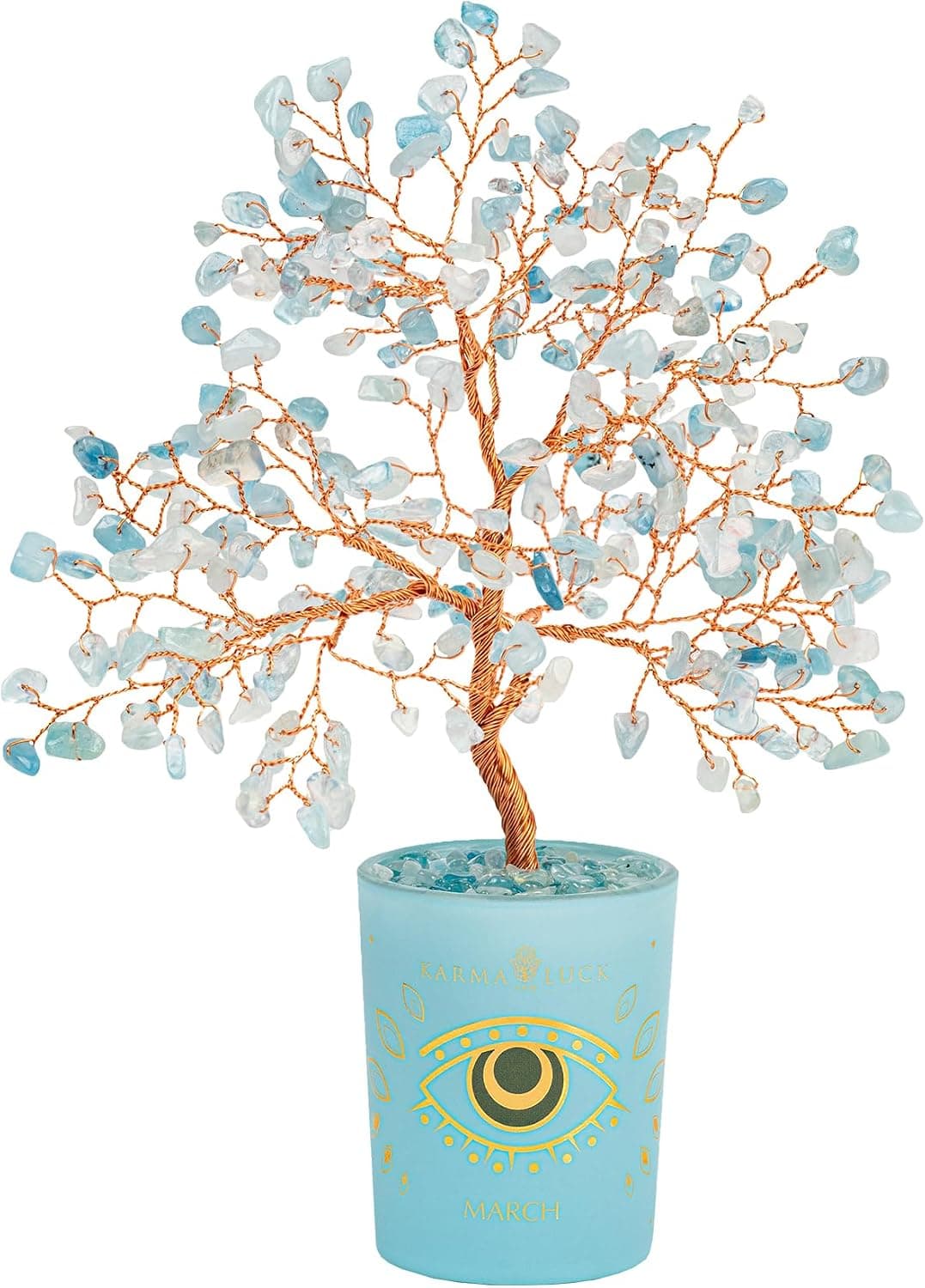 -29%
-29%Karma and Luck March Birthstone Crystal Tree of Life, Aquamarine Gemstone Fen...
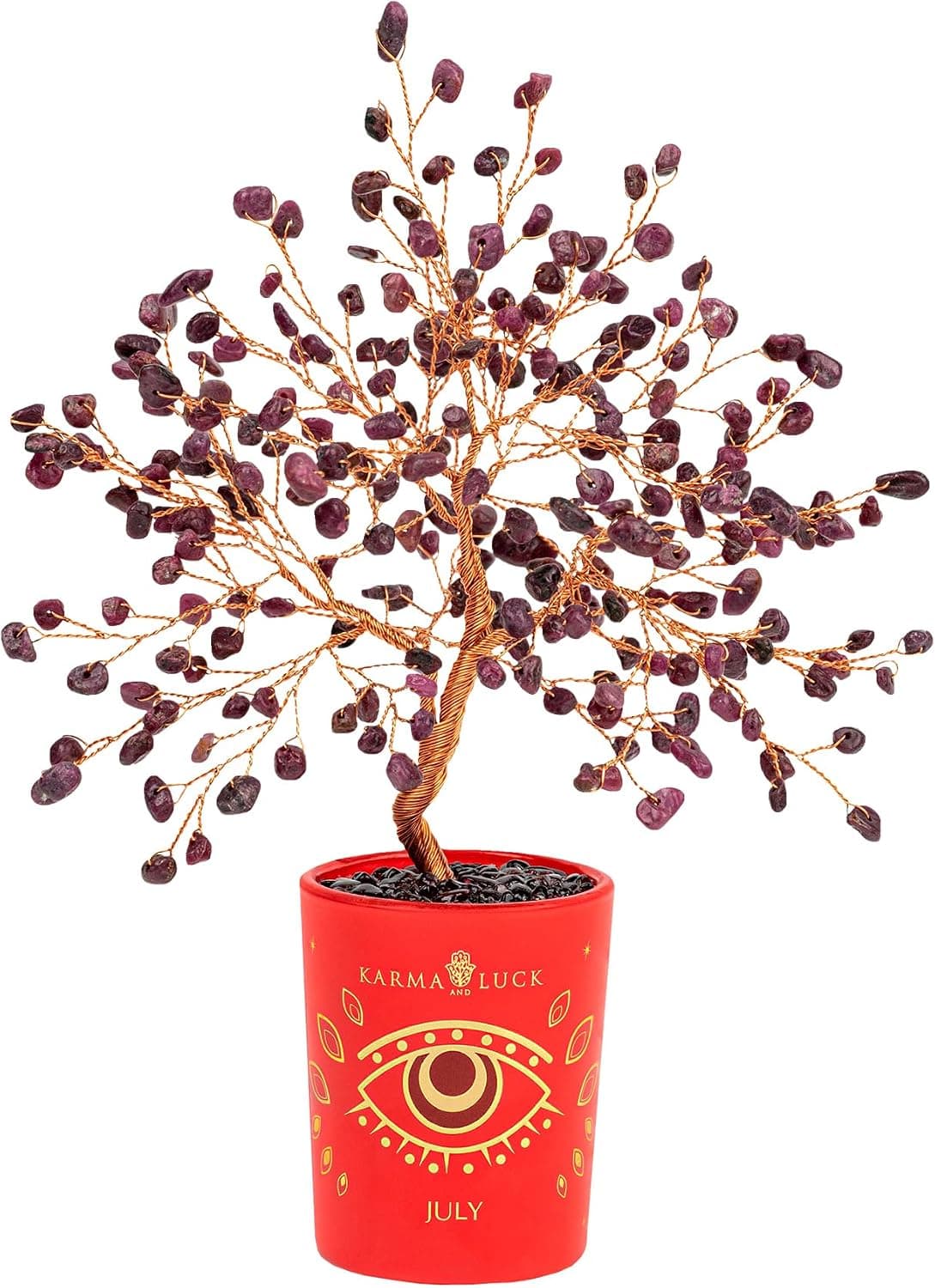 -29%
-29%Karma and Luck July Birthstone Crystal Tree of Life, Ruby Gemstone Feng Shui ...
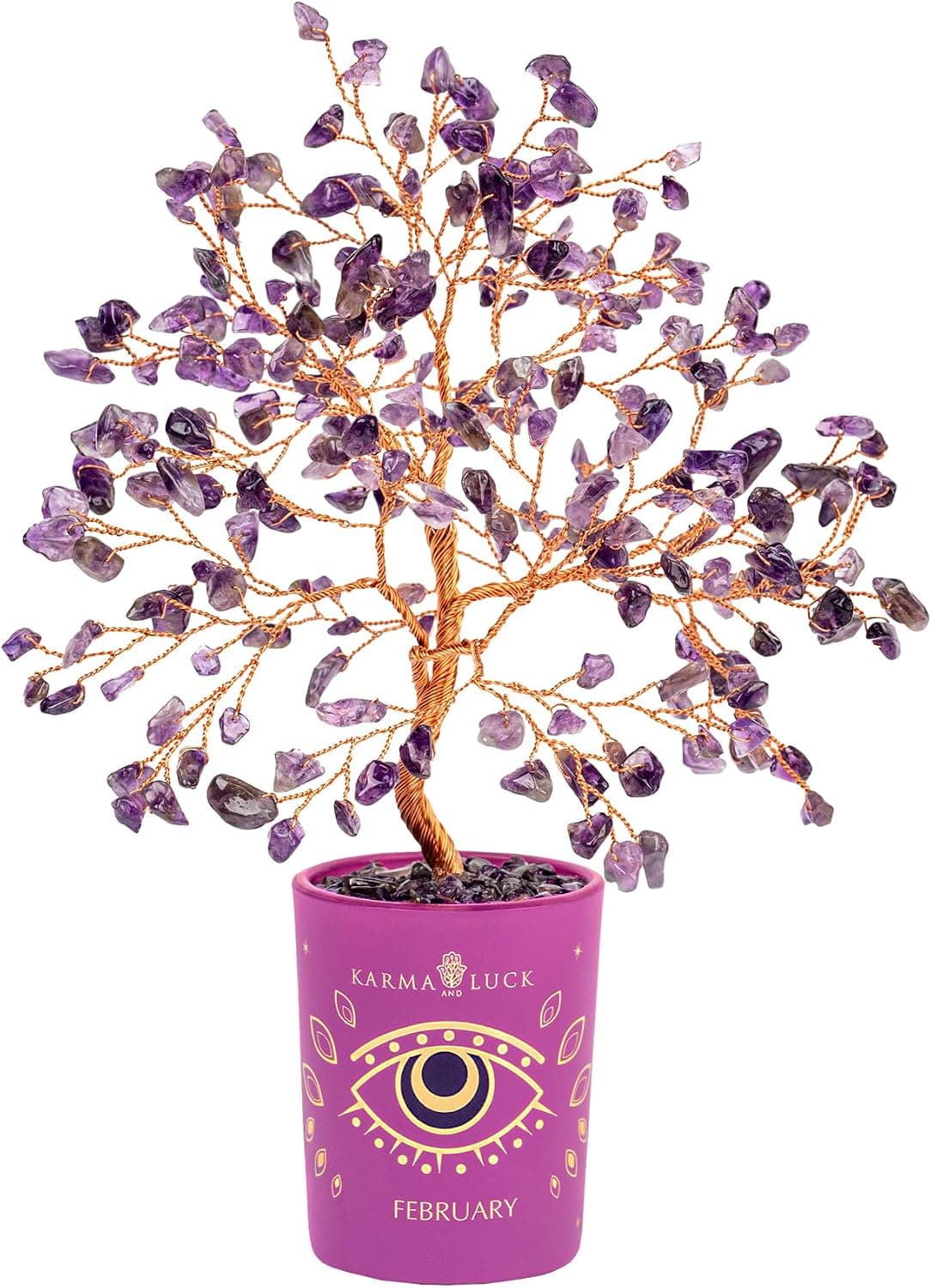 -29%
-29%Karma and Luck February Birthstone Crystal Tree of Life, Amethyst Gemstone Fe...
As an Amazon Associate, we earn from qualifying purchases. We only recommend items our practitioners have personally tested.
Continue Your Journey
Explore these related guides to deepen your understanding:

The I Ching Doesn't Answer Lazy Questions — Here's What to Ask Instead
8 min readConfucian Commentary Turns the I Ching Into a Moral Floor Plan
9 min readBroken Lines, Solid Lines, and the Real Yin-Yang Logic of the I Ching
11 min readThe Wilhelm I Ching Feels Deep Because It Slows Your Reading
11 min readReady for Deeper Guidance?
Try our free I Ching reading for personalized wisdom, or explore our curated Feng Shui essentials.