Hexagram 13 is rarely about friendliness; it asks who truly belongs, and what happens when the circle gets tested.
When the circle stops being polite
Hexagram 13 does not arrive with a warm handshake. It arrives when a room, team, or family looks united on the surface and then reveals its fault lines. The laughter is still there. The trust is not.
That is the part people miss when they search for the i ching hexagram 13 fellowship meaning. They expect harmony. They get selection. This hexagram is about fellowship, yes, but fellowship with standards, boundaries, and a moral center. Not everyone who stands near the fire belongs in the circle.
I have seen this play out in a dining room with a red rug, a glass table, and six chairs that were always full during holidays. The woman who lived there thought her family needed “more togetherness.” What she really needed was less forced closeness. One cousin dominated every meal, one brother made jokes that cut, and everyone called that “family energy.” Hexagram 13 pointed to something sharper: true community begins when the group agrees on what it will not tolerate.
The old commentaries are plain about this. Fellowship is strongest when people share a common purpose, not just a common address. A circle can be broad, but it cannot be careless.
What fellowship actually means here
The keyword can mislead modern readers. Fellowship sounds cozy. In Hexagram 13, it is closer to alliance. People gather under the same sky, but they do not become equal in every sense. There is a right place for each person, and the hexagram watches how that place is kept.
This is one reason the image of the hexagram matters so much. Fire above heaven suggests light spreading outward, visible to many, while heaven below carries strength and order. The warmth is shared. The structure remains. When these two forces work well together, people can cooperate without collapsing into mushy sentiment.
That is the heart of the i ching hexagram 13 fellowship meaning: unity built on truth, not convenience. If you force false harmony, you do not get peace. You get quiet resentment. Hexagram 13 often appears when someone must decide whether to keep belonging to a group that has outgrown its own integrity.
People often ask whether this hexagram means friendship, team spirit, or social success. Sometimes. But not as a reward for being pleasant. It points to the deeper question: who shares your aim, and who only shares your space?
Where this hexagram becomes uncomfortable
The uncomfortable part is exclusion. Not cruel exclusion. Necessary exclusion.
That may sound harsh to readers raised on “everyone is welcome” language, but Hexagram 13 is not naive. A company, marriage, clan, or study group can invite too many conflicting motives into the same room. Once that happens, energy leaks everywhere. The meeting goes long. The budget gets vague. The friendship becomes performative.
One architect I worked with kept an open office in shades of gray and pale blue, with a walnut desk and a huge whiteboard. He wondered why every design review turned into a performance. The answer was visible in the room: nobody knew who had authority, and nobody wanted to name the issue. After he clarified roles and stopped asking the intern to “weigh in” on decisions above her pay grade, the whole team settled within two weeks. Not because they became nicer. Because they became honest.
Hexagram 13 often asks for that kind of honesty. It reveals who truly belongs in the work, the home, or the mission. Some people hear that and panic, as if the hexagram is telling them to cut everyone off. It is not. It is telling you to stop pretending that all circles have the same function.
And yes, there is surprise here: fellowship can deepen when it becomes narrower. Fewer voices. Clearer purpose. More trust.
The line that changes everything
In traditional readings, Hexagram 13 becomes especially meaningful when the fellowship is centered in the open, in daylight, and among the broad public. That means the bond should be visible and accountable. Hidden alliances are weaker. Secret grievances are poison.
This matters in work settings, families, and spiritual communities. I have seen people cling to the idea that a group is “close” simply because it is private. Privacy is not the same as cohesion. A closed door can hide wisdom, but it can also hide manipulation.
That is why the i ching hexagram 13 fellowship meaning is so useful in modern life. It tells you to test the quality of belonging. Do members show up for the same purpose? Can they disagree without turning petty? Are roles clear? If the answer is no, the fellowship is only decorative.
When this hexagram appears with changing lines, the message can sharpen further. A line may point to the outskirts of the circle, where the right ally is found, or to the center, where leadership must act without ego. The exact line matters, but the broad lesson stays stable: common cause beats social charm.
How to work with Hexagram 13 in real life
Start with one question: what is the group actually for?
If you are asking about a relationship, that may mean asking what the relationship supports. If you are asking about a team, ask what standard it is meant to uphold. If you are asking about a neighborhood, circle, or online community, ask what binds it besides habit.
Then look for one of three signs. First, do people speak plainly about differences. Second, do they keep the shared purpose above personal drama. Third, do they know where the boundary is. Without those three, fellowship dissolves into noise.
Here is a practical way to use the hexagram after a reading: write down the names of the people or groups involved, and next to each name write one sentence describing the real bond. Not the fantasy. The real bond. “We share a mortgage.” “We share values.” “We share gossip.” That exercise stings, but it reveals the structure fast.
If you want to learn how to ask the oracle with cleaner intent, see how to phrase questions that get honest answers. A vague question about “my social life” will give you a vague result. A precise question about who belongs in your circle will get you somewhere useful.
For those still learning the language of the hexagrams, it helps to read Hexagram 13 alongside the larger map of the system. A broader view of the hexagram structure makes this one much easier to place. Fellowship is never isolated; it sits inside the movement of change.
And if your reading involves choosing a method, the physical act matters too. The coin toss is not theater. It is a way of slowing your mind enough to hear a sharper answer. The coin method explained clearly will help you keep the process clean and repeatable.
When the answer points to the wrong crowd
Sometimes Hexagram 13 is not saying, “Find your people.” It is saying, “Stop confusing proximity with belonging.” That is a hard message, especially for people who have spent years trying to win acceptance from a group that never intended to include them fully.
Notice the relief in that realization. It is real. I have watched a nurse in a small apartment with mint-green cabinets and a corkboard full of schedules read this hexagram and finally admit her book club was not a fellowship at all. It was a polite competition. The moment she stopped treating it like home, her energy returned.
This is not about becoming antisocial. It is about becoming selective without becoming bitter. Hexagram 13 honors real affiliation. It rejects forced belonging.
Linking fellowship to action
Once you understand the message, act on it. If you lead a group, name the purpose out loud. If you are a member, ask whether your role still fits. If you are being invited into something new, watch the structure before you watch the smiles.
That is the plainest reading of i ching hexagram 13 fellowship meaning: choose the circle that can bear the truth. Everything else is costume. And costumes fall apart the moment pressure arrives.
If you want to connect this reading to a broader pattern of first-time study, the first step is often to see where your questions are too vague or your expectations too sentimental. That is why many readers begin with what a first consultation tends to reveal. Hexagram 13 often shows up early for that very reason: it teaches discernment before it teaches comfort.
FAQ
Does Hexagram 13 always mean friendship?
Not at all. It can describe friendship, but it can also point to alliances at work, family bonds, shared missions, or public cooperation. The key is common purpose, not social warmth.
Is this hexagram about excluding people?
Counterintuitively, yes—but only in the sense of protecting the integrity of a group. Healthy fellowship needs boundaries, or it collapses into confusion and resentment. Exclusion here is about clarity, not cruelty.
What if my reading feels lonely?
Then the hexagram may be telling you that your current circle is too small, too mixed, or too compromised. Loneliness can be the first clean signal that you are ready for a better alliance. That discomfort is not always failure; sometimes it is separation before the right meeting.
David Liu
Traditionally informed guidance • Cross-referenced with classical Chinese source texts
Interpretations cross-referenced with the Zhouyi (周易) and Wilhelm/Baynes translation.
Practitioner-Selected Tools for This Topic
Items our team has tested and found effective for the principles discussed above. Individual results may vary.
 -20%
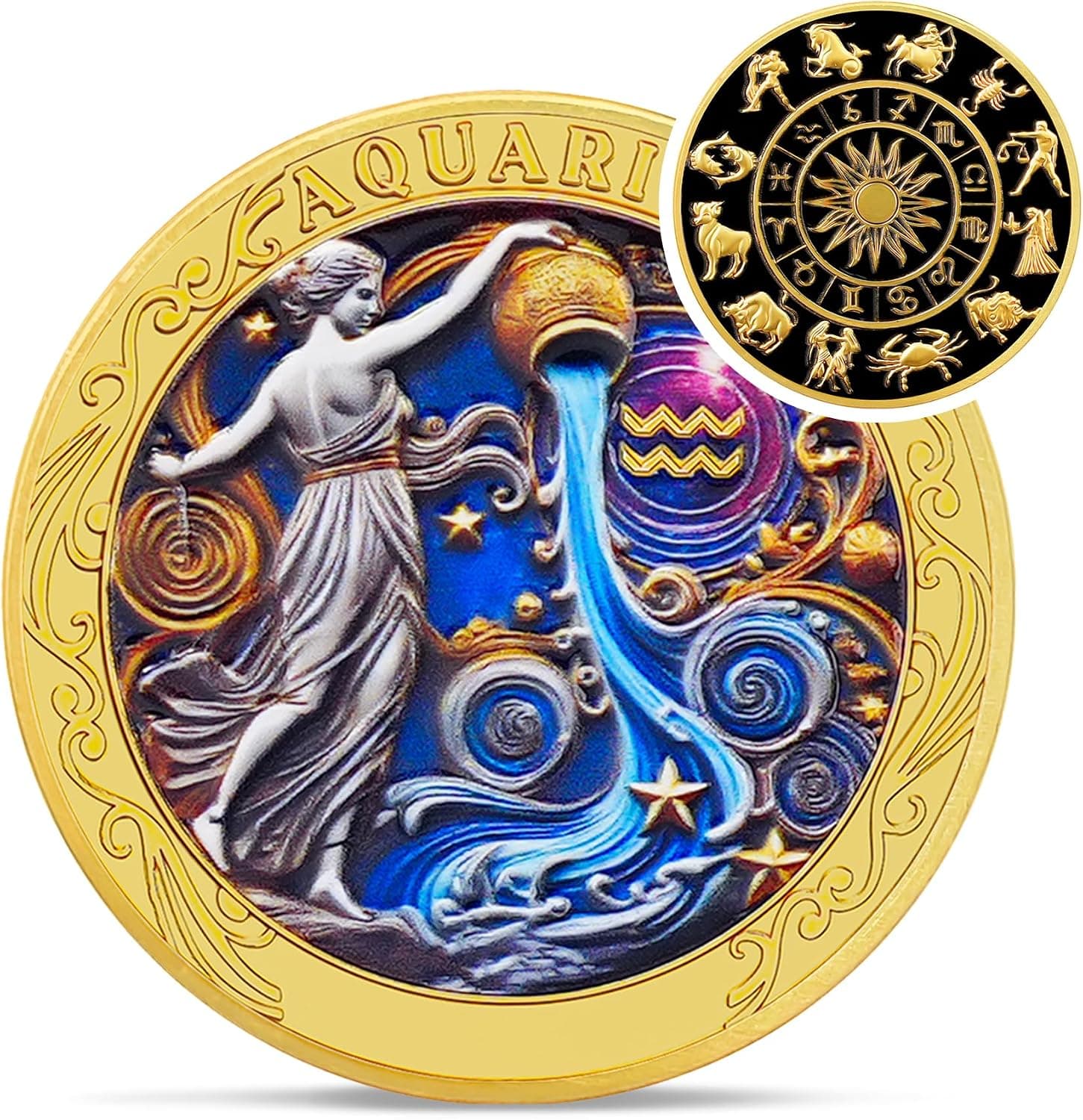
-20%Aquarius 12 Zodiac Challenge Coin - Twelve Constellations Aquarius Protective...
 -29%
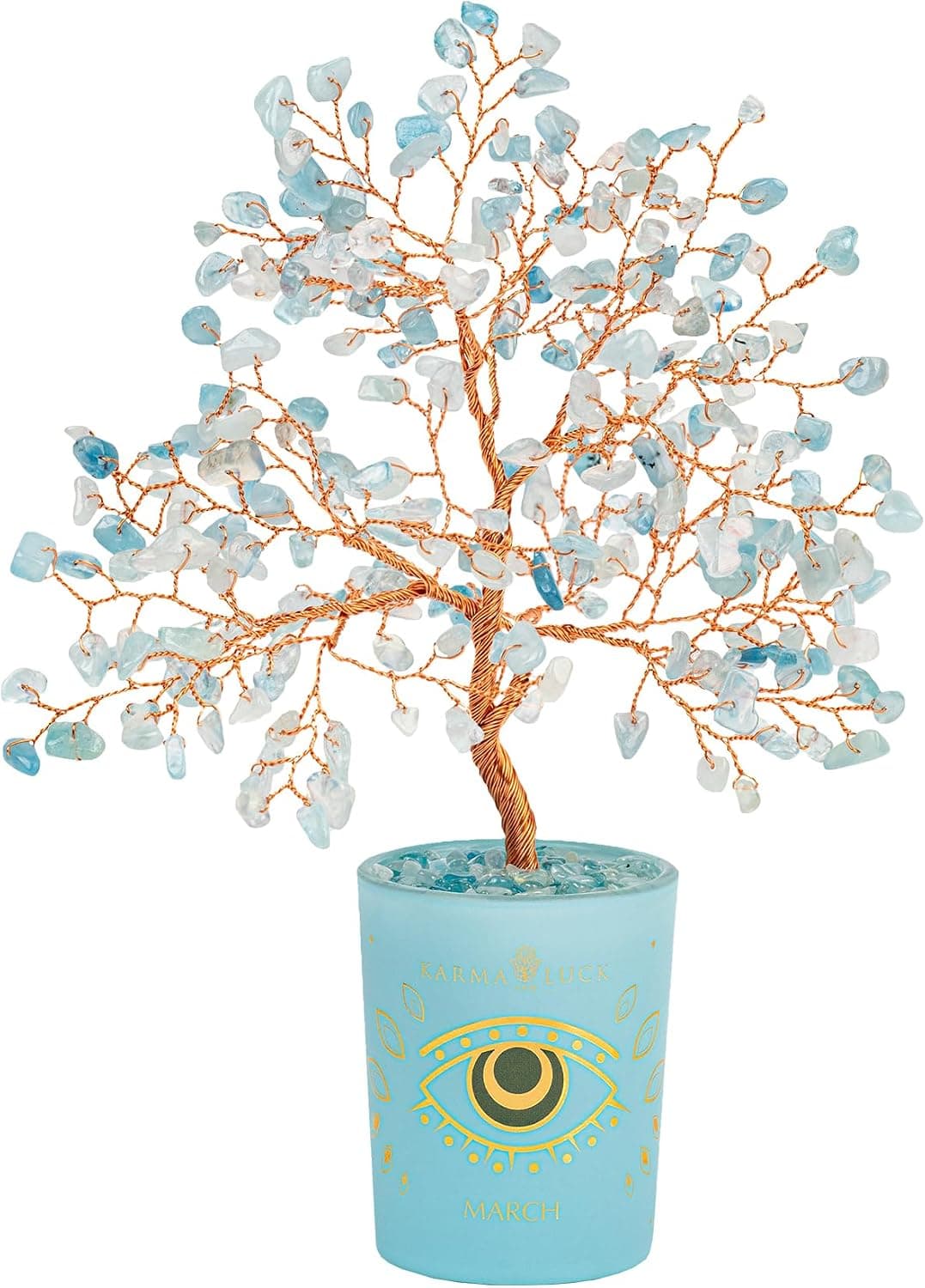
-29%Karma and Luck March Birthstone Crystal Tree of Life, Aquamarine Gemstone Fen...
 -29%
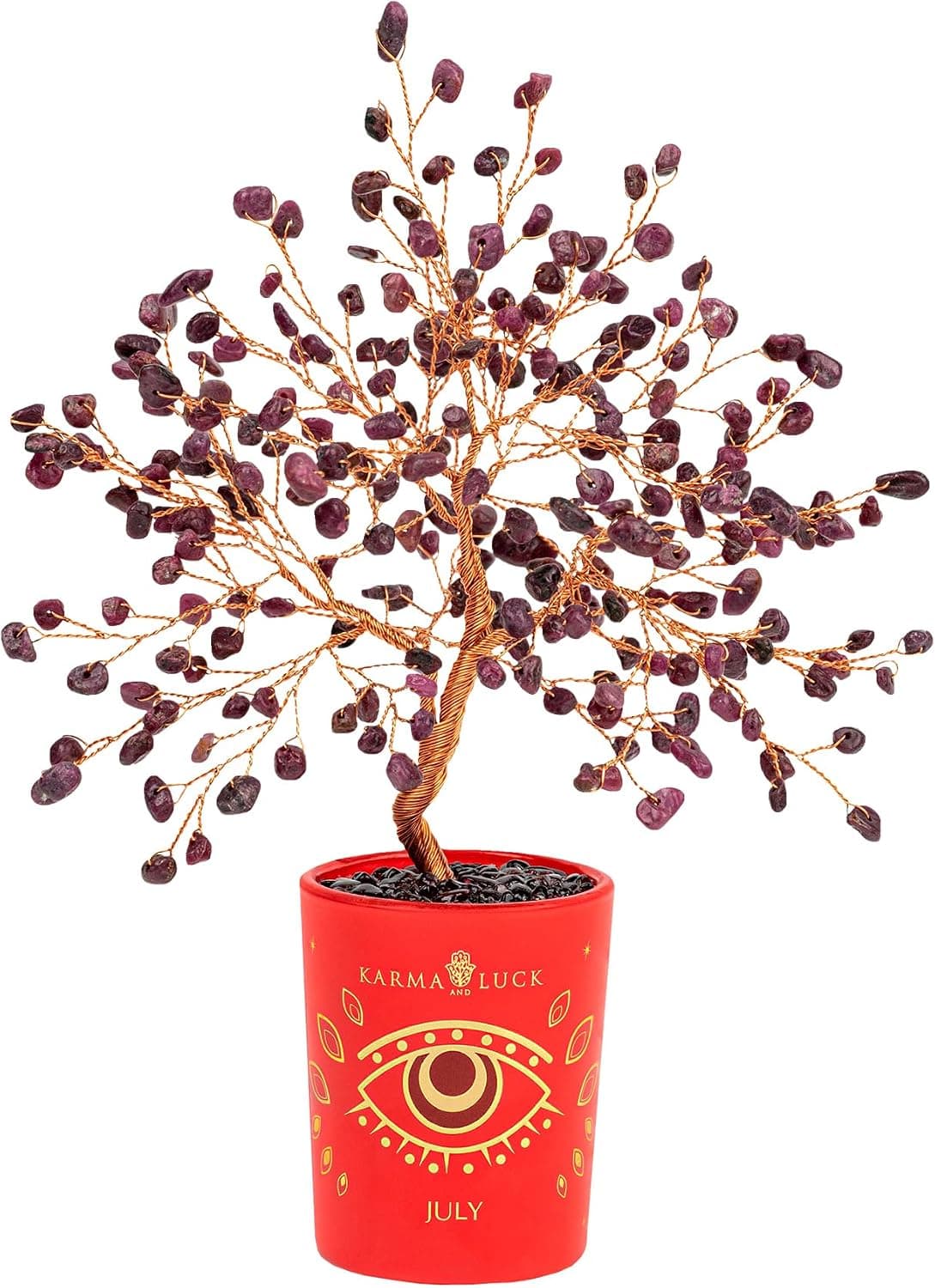
-29%Karma and Luck July Birthstone Crystal Tree of Life, Ruby Gemstone Feng Shui ...
 -29%
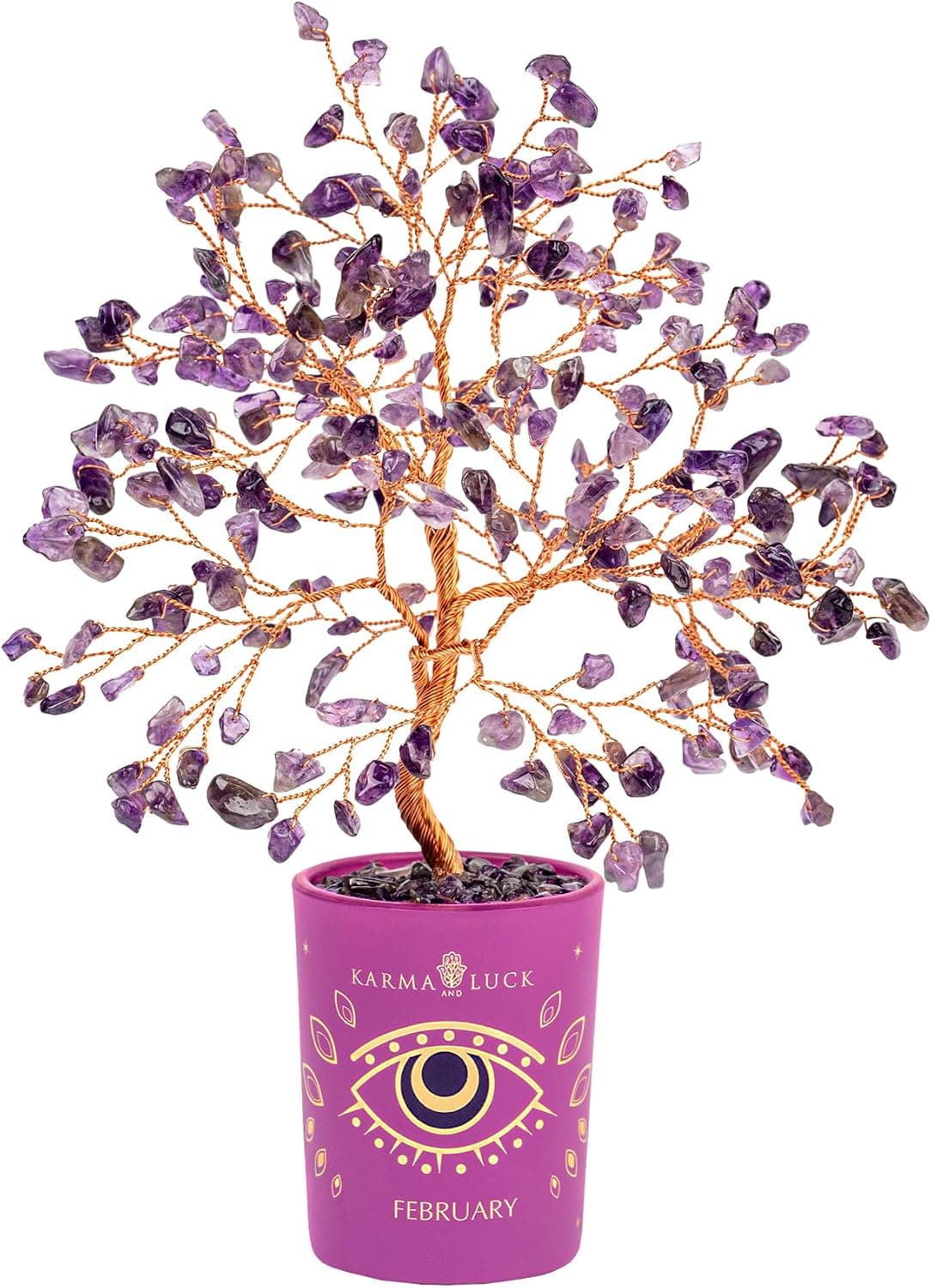
-29%Karma and Luck February Birthstone Crystal Tree of Life, Amethyst Gemstone Fe...
As an Amazon Associate, we earn from qualifying purchases. We only recommend items our practitioners have personally tested.
Continue Your Journey
Explore these related guides to deepen your understanding:

The I Ching Doesn't Answer Lazy Questions — Here's What to Ask Instead
8 min readConfucian Commentary Turns the I Ching Into a Moral Floor Plan
9 min readBroken Lines, Solid Lines, and the Real Yin-Yang Logic of the I Ching
11 min readThe Wilhelm I Ching Feels Deep Because It Slows Your Reading
11 min readReady for Deeper Guidance?
Try our free I Ching reading for personalized wisdom, or explore our curated Feng Shui essentials.