Hexagram 11 is not a happy ending. It is the rare moment when the room stops arguing with itself.
When the room finally exhales
I once stood in a narrow study where the desk faced the wall, the lamp was too bright, and a black metal filing cabinet sat directly beside the chair like a silent witness. The owner told me she slept well, but every decision felt heavier than it should. That is the kind of stillness Hexagram 11 often points to: not excitement, not drama, just a clear easing of pressure.
The hexagram system itself rewards close attention, because the message is rarely loud. With Peace, the important part is not that things are perfect. It is that opposing forces have found a workable arrangement, at least for now.
That distinction matters. People hear “peace” and imagine a permanent state, as if the world has finally signed a contract. It has not. Hexagram 11 usually describes a seasonal opening, a time when what was blocked begins to move without force.
In practice, that means you stop pushing the river and start noticing where the current already wants to go.
What Hexagram 11 is really showing
Hexagram 11 is often associated with Heaven below Earth, or Earth above Heaven, depending on how you read the trigram order. The image is simple enough: the strong is held by the receptive, and the receptive is animated by the strong. This is not collapse. It is cooperation.
That is why the i ching hexagram 11 peace meaning is so often misunderstood. People look for comfort and miss the structure underneath. Peace in this hexagram is not softness without boundaries. It is order that no longer needs to announce itself.
I have seen this in homes where the front hall is tidy, the light is gentle, and nobody has to shout to be heard. I have also seen the opposite: a beautiful house with three competing focal points in one living room, a red rug, a gold mirror, and a TV mounted like a commander. The occupants called it “fine,” yet no one wanted to linger.
Hexagram 11 favors environments where the elements are not fighting for dominance. The same is true in decisions. When you are aligned, you do not need to justify every step. The next move becomes obvious.
That obviousness can feel almost suspicious to people who are used to effort as proof. But peace is often the sign that the system is working, not that nothing is happening.
Why peace in the I Ching is rarely passive
There is a common mistake here: assuming peace means waiting. It does not. It means acting without friction, and that is a very different skill.
In the traditional reading, Hexagram 11 suggests a period when the lower and upper influences are in harmony. In a life context, this can look like a relationship where communication finally becomes simple, or a business season where the right task arrives before the wrong one can take over. The key is timing.
That timing changes how you use the reading. If you get Hexagram 11, do not overcomplicate the moment with grand plans. Strengthen what already works. Remove one source of resistance. Clear the corridor.
One client I remember—a retired teacher in a small apartment in Portland—had a pale blue bedroom with a heavy oak dresser jammed beside the door. She kept getting restful readings but woke up irritated every day. We moved the dresser, replaced a harsh white bulb with warm light, and within two weeks she said her mornings felt “less defended.” That is Hexagram 11 in ordinary life: less defense, more flow.
Peace is not a decoration. It is an arrangement.
How to read the message in your own situation
Start with the area of life that feels least argumentative. That is where Hexagram 11 is already active. You do not need to force peace into the loudest problem first.
If the question concerns work, look for the project that no longer resists progress. If it concerns a relationship, notice where conversation has become easier, even if the larger situation is still unresolved. If it concerns health or rest, pay attention to what immediately calms the system rather than what theoretically should help.
For deeper reading methods and line changes, many readers combine the cast with a disciplined consultation process. If you are refining your own approach, study the coin method with a cleaner sequence so the interpretation is less reactive and more exact.
The real work is to separate temporary relief from genuine alignment. Temporary relief says, “I can cope.” Genuine alignment says, “The structure supports me now.” Hexagram 11 points to the second one.
And yes, sometimes it arrives in a boring package. That is the surprise. The moment you stop chasing intensity, the reading becomes useful.
What to do when you receive Hexagram 11
Do less, but do it precisely. That is the practical instruction.
First, identify the place where energy already moves easily. Protect it. If your mornings feel calm before 8 a.m., do not schedule conflict there. If a relationship improves after a walk, use movement instead of trying to force a serious talk at the worst possible hour.
Second, simplify the environment. In feng shui terms, peace needs room. Remove one visual clash. Put the harsh red lamp somewhere else. Clear the pile at the bedroom threshold. Let the eye rest. The body follows.
Third, stop feeding unnecessary opposition. Not every email deserves an immediate answer. Not every family habit deserves a debate. Hexagram 11 often asks for wise restraint, not cowardice. There is a difference.
Fourth, use the momentum while it is available. Peace can fade if neglected. A calm phase is the best time to build routines, repair systems, and make one clean decision that has been postponed too long.
For readers who are still learning to ask better questions, the article about sharper I Ching questions can help prevent vague, muddy readings that miss the point entirely.
If you want the shortest possible practice, here it is: name the friction, remove one unnecessary obstacle, and then let the remaining energy move on its own.
How Hexagram 11 differs from wishful thinking
Wishful thinking says everything is fine because you want it to be. Hexagram 11 says something more exact: the balance is real, but it must be maintained.
That maintenance is where many people slip. They receive a peaceful sign and immediately overbook themselves, or they start testing the peace by stirring old conflict. The reading is not a permission slip for carelessness.
It is closer to an opening in weather. You would be foolish to pretend the storm can never return. You would also be foolish not to take the boat across while the water is calm.
In a home, this can mean choosing a softer palette in a room that already feels tense. In a career, it can mean accepting that the right role may not be the flashiest role. In a relationship, it can mean valuing consistency over dramatic reassurance.
Hexagram 11 rewards the person who can recognize quiet success without needing applause.
Returning to the larger I Ching picture
If Hexagram 11 appears in your reading, it helps to see it as part of the wider sequence of change. Peace is meaningful because it does not last forever in the same form. The I Ching does not promise stasis; it teaches relationship, timing, and adaptation.
That is why I always tell readers not to isolate one hexagram as if it were a slogan. Put it back into the field of the question. Put it back into the line changes. Put it back into the situation that produced it. The meaning becomes clearer when you stop forcing it to stand alone.
For a broader grounding in the structure behind all of this, go back to how the hexagrams work together and you will read Peace with a steadier hand. Hexagram 11 is not asking you to believe in comfort. It is asking you to recognize harmony when it appears and not spoil it with noise.
That is the real lesson. Peace is not a fantasy. It is a disciplined arrangement of forces that no longer need to fight for the whole room.
FAQ
Does Hexagram 11 mean everything will stay peaceful?
Not at all. It points to a favorable phase, but favorable phases still need care. If you ignore the conditions that created the calm, the calm can unravel fast.
What if my reading changes from Peace to a more difficult hexagram?
Then the message is movement, not permanence. A changing line often shows where the balance is already shifting, which is more useful than pretending the situation is static.
Can Hexagram 11 apply to a home feng shui reading?
Absolutely, and this is where people often see it most clearly. A room with balanced light, sensible placement, and reduced visual tension often mirrors the same principle the hexagram describes.
David Liu
Traditionally informed guidance • Cross-referenced with classical Chinese source texts
Interpretations cross-referenced with the Zhouyi (周易) and Wilhelm/Baynes translation.
Practitioner-Selected Tools for This Topic
Items our team has tested and found effective for the principles discussed above. Individual results may vary.
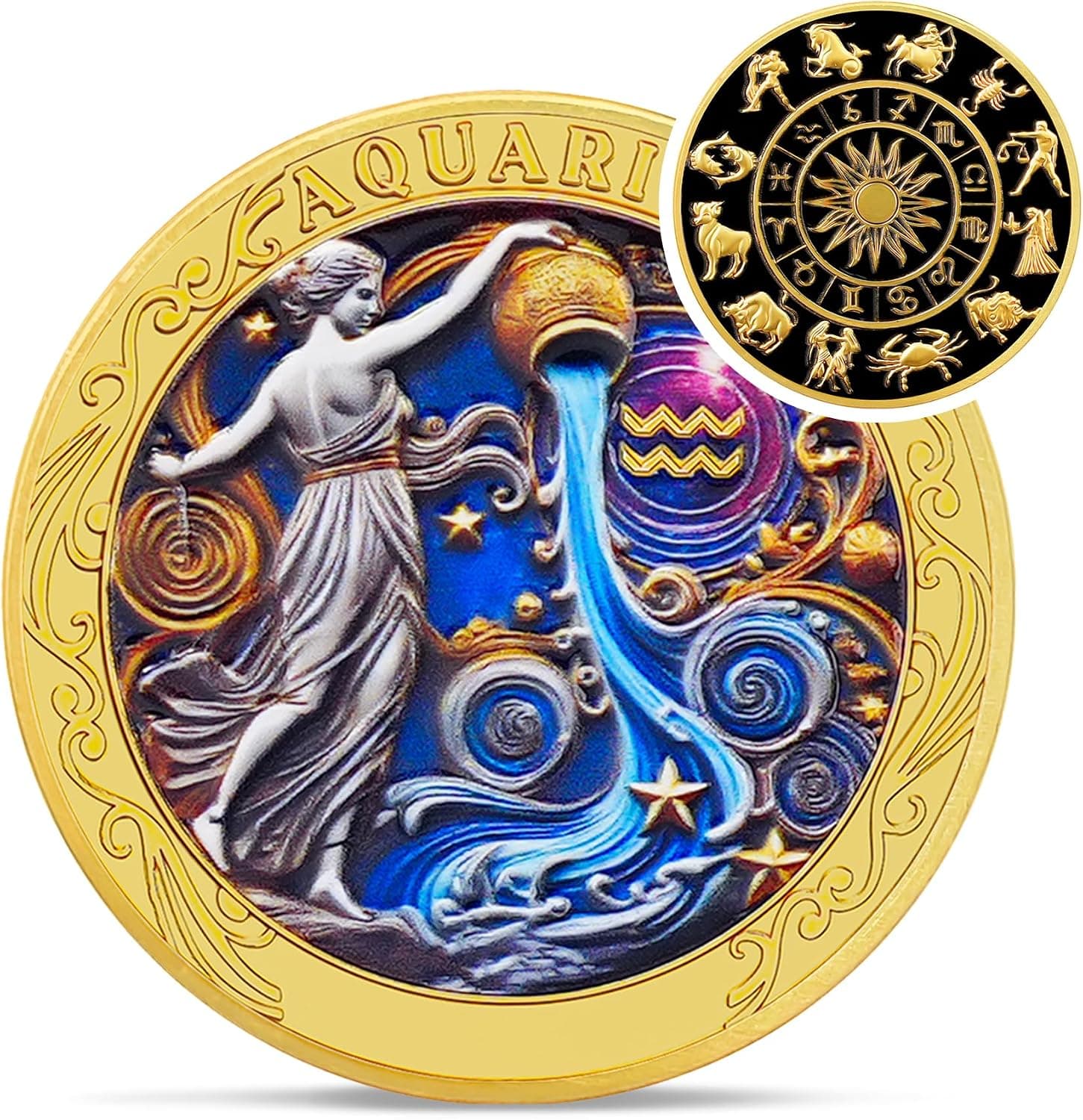 -20%
-20%Aquarius 12 Zodiac Challenge Coin - Twelve Constellations Aquarius Protective...
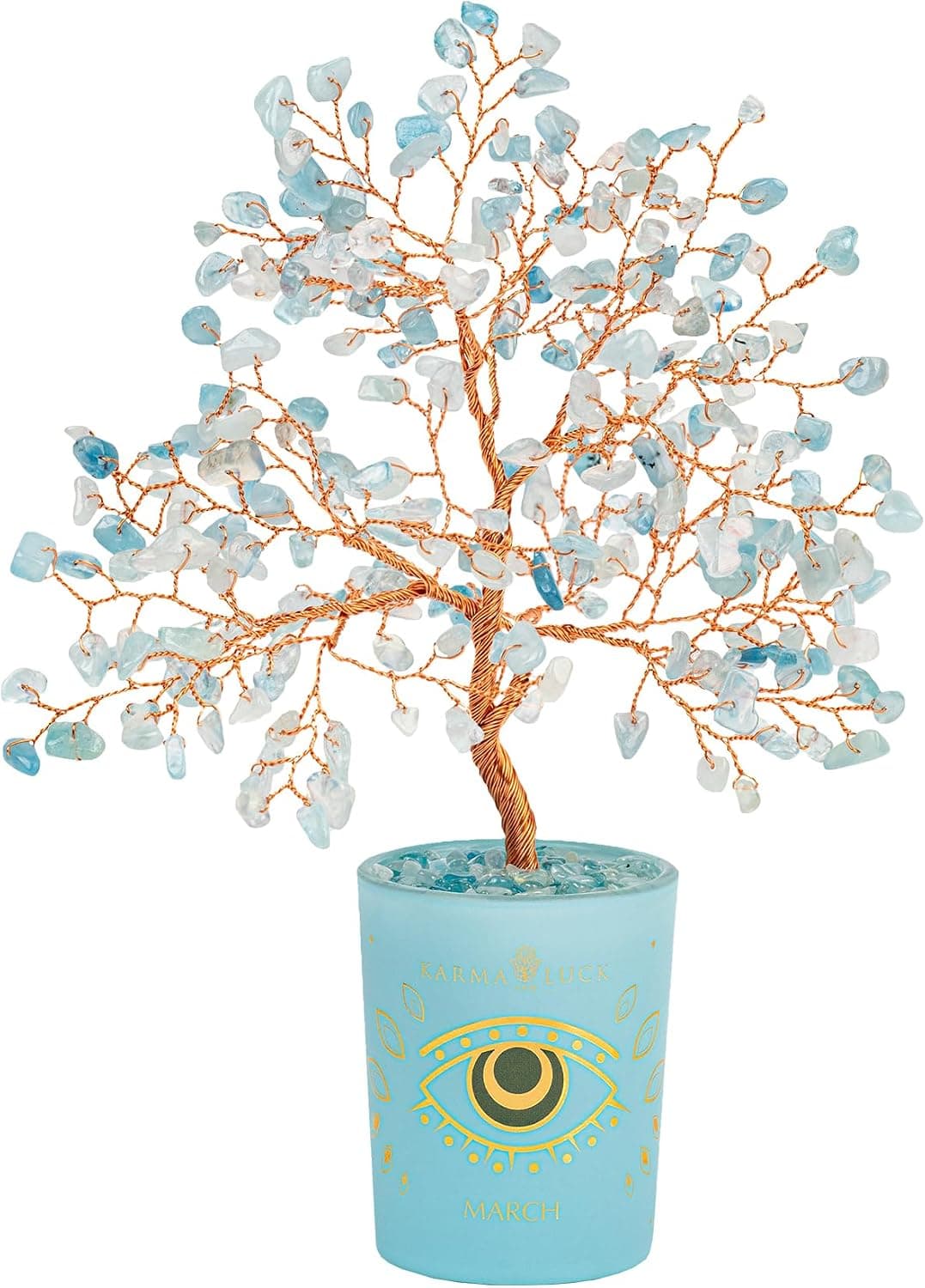 -29%
-29%Karma and Luck March Birthstone Crystal Tree of Life, Aquamarine Gemstone Fen...
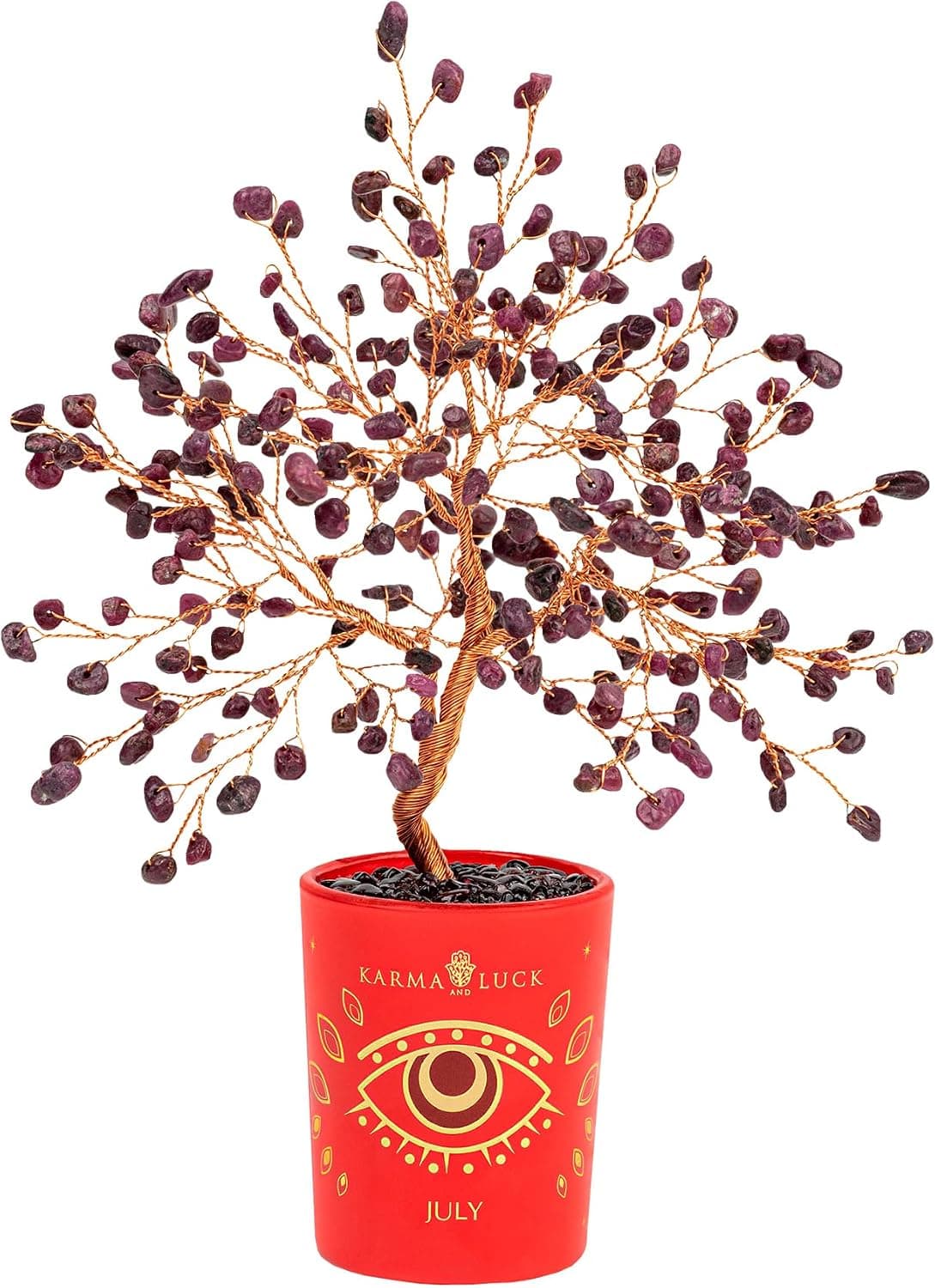 -29%
-29%Karma and Luck July Birthstone Crystal Tree of Life, Ruby Gemstone Feng Shui ...
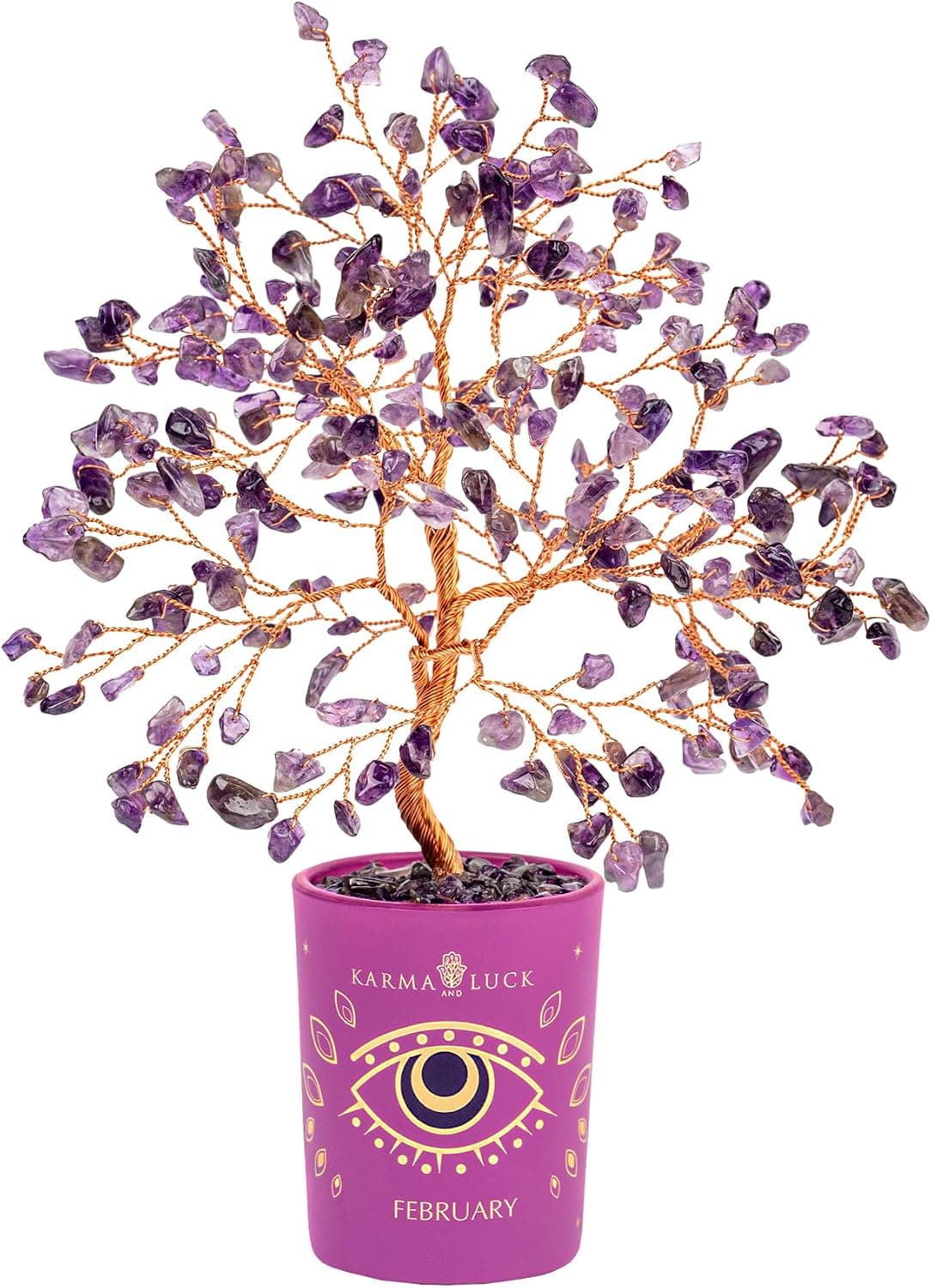 -29%
-29%Karma and Luck February Birthstone Crystal Tree of Life, Amethyst Gemstone Fe...
As an Amazon Associate, we earn from qualifying purchases. We only recommend items our practitioners have personally tested.
Continue Your Journey
Explore these related guides to deepen your understanding:

The I Ching Doesn't Answer Lazy Questions — Here's What to Ask Instead
8 min readConfucian Commentary Turns the I Ching Into a Moral Floor Plan
9 min readBroken Lines, Solid Lines, and the Real Yin-Yang Logic of the I Ching
11 min readThe Wilhelm I Ching Feels Deep Because It Slows Your Reading
11 min readReady for Deeper Guidance?
Try our free I Ching reading for personalized wisdom, or explore our curated Feng Shui essentials.