Your money question can turn on one changing line—if you know how to read the timing, not just the symbol.
Why a moving line can make a money question feel messy
Last November, I sat in a narrow home office in Seattle with a gray laminate desk, a brass lamp that threw a warm oval of light, and three unpaid invoices held down by a chipped red paperweight. The client, a nurse building a small private practice, had cast the same question three times and kept getting one moving line, then another. She assumed the oracle was dodging her. It wasn’t. Her finances were shifting faster than her willingness to act.
Most people don't realize that a changing line is not a decorative flourish. It points to the unstable part of the situation, the place where pressure is building, and the piece of the decision that is not ready to be pushed.
In my experience, i ching changing lines for wealth and money decisions get misunderstood when people want a clean yes or no from a reading that is really about timing. Money is not just income. It is movement, retention, leakage, and the moment you commit.
That is also why the room matters. A well-placed feng shui item does not “magically” produce wealth. It gives the mind a clear signal, reduces visual noise, and helps the decision settle instead of bouncing around all day.
Choose one object that helps the reading land
If the question keeps spinning in your head, a simple clear quartz placement can be useful. I recommend it for people who second-guess every cast and keep asking whether they read the line correctly. Put it on the desk, beside the notebook where you write the date and the question, or near the cash-flow spreadsheet if that is where you do your thinking. Not on a shelf full of bills, pens, and old charging cables. That just creates a second problem.
Clear quartz works here because many financial questions are not blocked by missing information. They are blocked by mental static. The stone is simple enough that the eye rests on it instead of wandering.
Write the answer down once. Then stop recasting the same question before you have had time to live with it.
A small symbol can steady a small budget
For someone who wants one anchor without filling the office with objects, a modest wealth item for abundance is often enough. I have seen a single gold-toned bowl on a bookshelf calm an entire corner of financial anxiety because it quietly said, “This space holds value.” Keep it where you actually handle bills, receipts, or invoices. If it disappears into a drawer, its message disappears with it.
One client, an architect named Daniel, kept his expense tracker in a pale-blue kitchen cabinet beside dog treats and loose batteries. Every month he labeled new purchases as “urgent,” then regretted half of them later. We moved one small brass bowl to the top shelf of his studio cabinet, right beside the ledger. Two weeks later, he canceled software he never used and delayed a vanity upgrade he did not need. The numbers did not become perfect overnight, but the leakage slowed.
I've seen this pattern in over 200 homes: when the symbol is hidden, the intention gets hidden too.
When the line says move, not store
If the issue is a new client, a raise, a proposal, or money that may arrive soon, use something that supports motion instead of storage. A healthy plant can help, but only if it is clean, living, and easy to see. For that reason, I would steer you toward good feng shui plants for an active workspace rather than a random leafy purchase made on impulse.
Put the plant near the desk, by the reception chair, or beside the side table where you review opportunities. The goal is not some vague promise of wealth. The goal is to keep qi moving without making the room feel frantic. A plant with dust on the leaves, a cracked pot, or drooping stems sends the opposite message, and I say that plainly because people often romanticize plants and skip maintenance.
When the reading shows hesitation, a plant can support forward motion without forcing it.
When money stress is emotional
Some people do not need another budget app. They need a steadier nervous system. For that kind of money problem, a wearable item can help the person feel less scattered during the day. If that fits you, see how a feng shui bracelet is used in daily life. I usually suggest it for clients who check their balance repeatedly and feel their stomach drop at every small dip.
Wear it on the non-dominant hand if you want the symbolism to feel more receptive than active. Keep the color subdued if your finances already feel jumpy. Bright red can be too much when the question is whether to pause, not push. People are often surprised by this, but the loudest-looking item is not always the best one for money calm.
Set the bracelet on a small dish near your bed or desk when you are not wearing it. If it disappears into a coat pocket, the reminder disappears too.
When the decision is big, the room has to behave
For a major move, such as changing jobs, refinancing, investing, or relocating, decoration matters less than order. In those cases, I want the money area clean, easy to read, and simple to maintain. The wealth corner of the bagua should not be buried under old statements, a dead lamp, and three half-burned candles. It should look like a place where value can arrive and stay for a while.
If you add one symbolic object, keep it restrained. A metal or glass piece often works better than something ornate, especially when the line warns against pushing too hard. The room should support steady accumulation, not drama.
I once worked with a retiree in a cream-colored guest room that doubled as her bill-paying space. She had a red ceramic frog, two gold coins tied with string, and a stack of unopened statements beside them. The symbolism was busy, and the finances were worse. We removed the extras, left one container, and gave the desk a single purpose. Six weeks later, her follow-up reading shifted from caution to stable progress.
Match the item to the question, not to the trend
If your question is small and immediate, use one clean anchor such as quartz or a plain bowl. If you are in a growth phase, a plant or another living symbol makes sense. If the issue is emotional volatility, use something you can wear and touch. The mistake I see all the time is buying the prettiest item on the shelf instead of the one that fits the situation.
And if the room itself feels cluttered, start there before you buy anything. A messy desk can flatten almost any cure.
Money decisions get clearer when the environment stops arguing with you.
| Item | Best for | Price range |
|---|---|---|
| Clear quartz | Clarity for one specific money question | $5–$25 |
| Gold-toned bowl | Stabilizing bills, invoices, and saved income | $15–$60 |
| Healthy plant | New opportunities, growth, client flow | $10–$50 |
| Feng shui bracelet | Emotional steadiness during financial stress | $12–$80 |
If you only buy one thing
Choose the object that fits your most common money pattern, not your favorite style. For a lot of people, that ends up being a small piece of clear quartz or a plain bowl placed where decisions actually get made. If the question is about timing, either one can quiet the noise enough to let the reading breathe.
That is the practical side of i ching changing lines for wealth and money decisions: the line tells you what is moving, and the space around you should help that movement become readable instead of chaotic. Do not pile on extra symbols. Give the answer a clean place to land.
Most people want certainty. The reading usually wants better conditions.
FAQ
Do I need a different item for every changing line?
No. I would not start there. Begin with the kind of money issue you have: clarity, growth, storage, or emotional steadiness. One well-used object is more useful than a box full of “lucky” clutter.
Can I place wealth items anywhere in the house?
You can, but results tend to be better where the money work happens. I mean the desk, the bill-paying corner, the small office, or the part of the home you already use for planning. Random placement usually feels random for a reason.
What if my reading changes every time I ask?
That usually means the issue is still unsettled in your life. The oracle is not confused; the situation is still moving. Pause, clear the space, and return to it after the timeline is more defined.
Is an expensive item better for financial luck?
Not in my practice. I have watched a $12 bowl outperform an ornate crystal display because the bowl was clean, simple, and placed with discipline. Price rarely beats clarity of use.
For readers who want to understand where money energy is meant to gather, the wealth sector of the bagua is the next place to study. Once that is clear, the objects become easier to choose and much harder to misuse.
Mei Chen
Traditionally informed guidance • Cross-referenced with classical Chinese source texts
Content draws from both Compass (Luopan) and Form (Xingshi) school traditions. Illustrative examples are composites based on consultation experiences.
Practitioner-Selected Tools for This Topic
Items our team has tested and found effective for the principles discussed above. Individual results may vary.
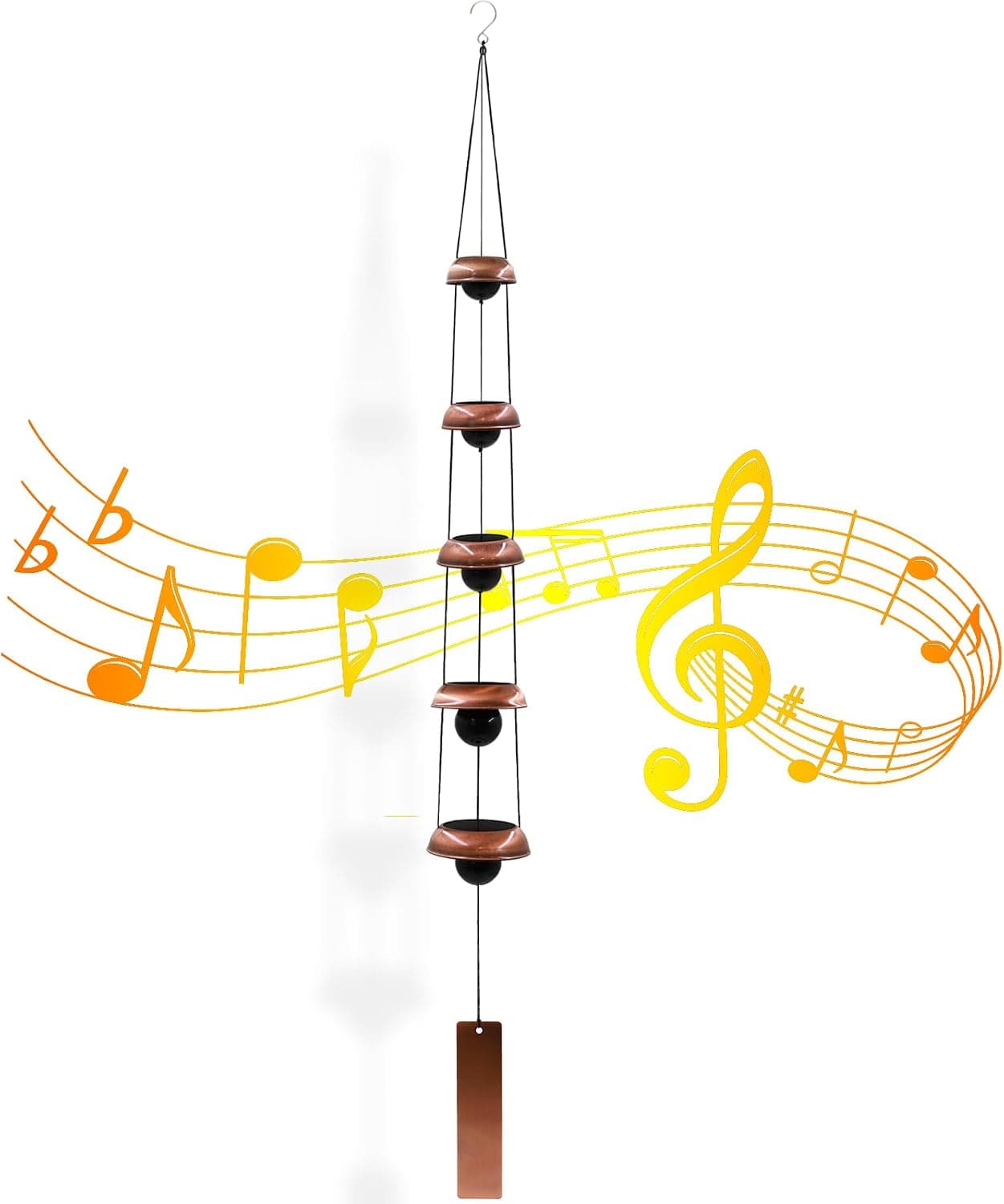 -19%
-19%Wind Chimes for Outside with 5 Bell Unique Copper Musical Chimes Feng Shui Wi...
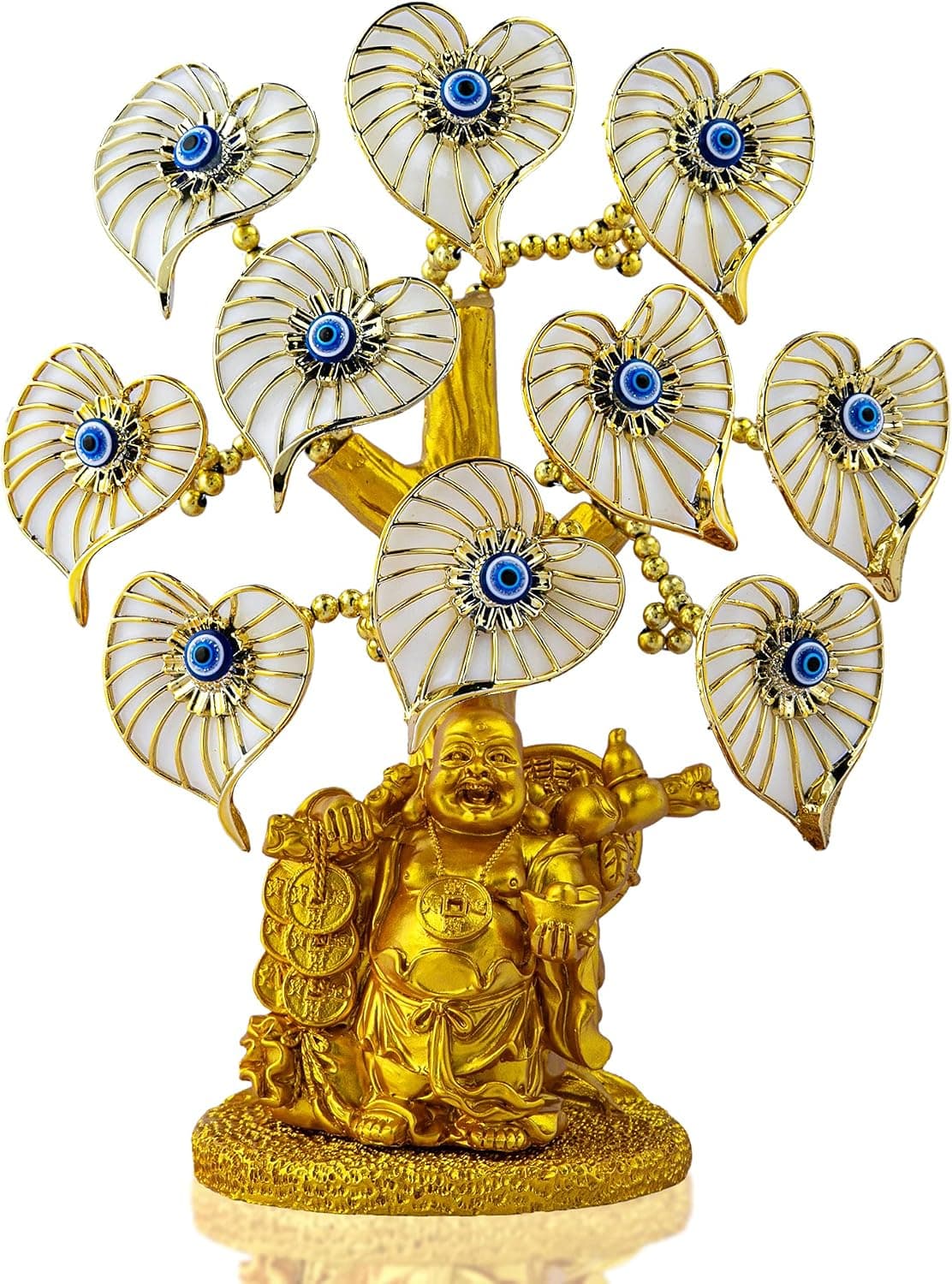 -5%
-5%YU FENG Evil Eye Money Tree, Blue Feng Shui Decor with Golden Buddha
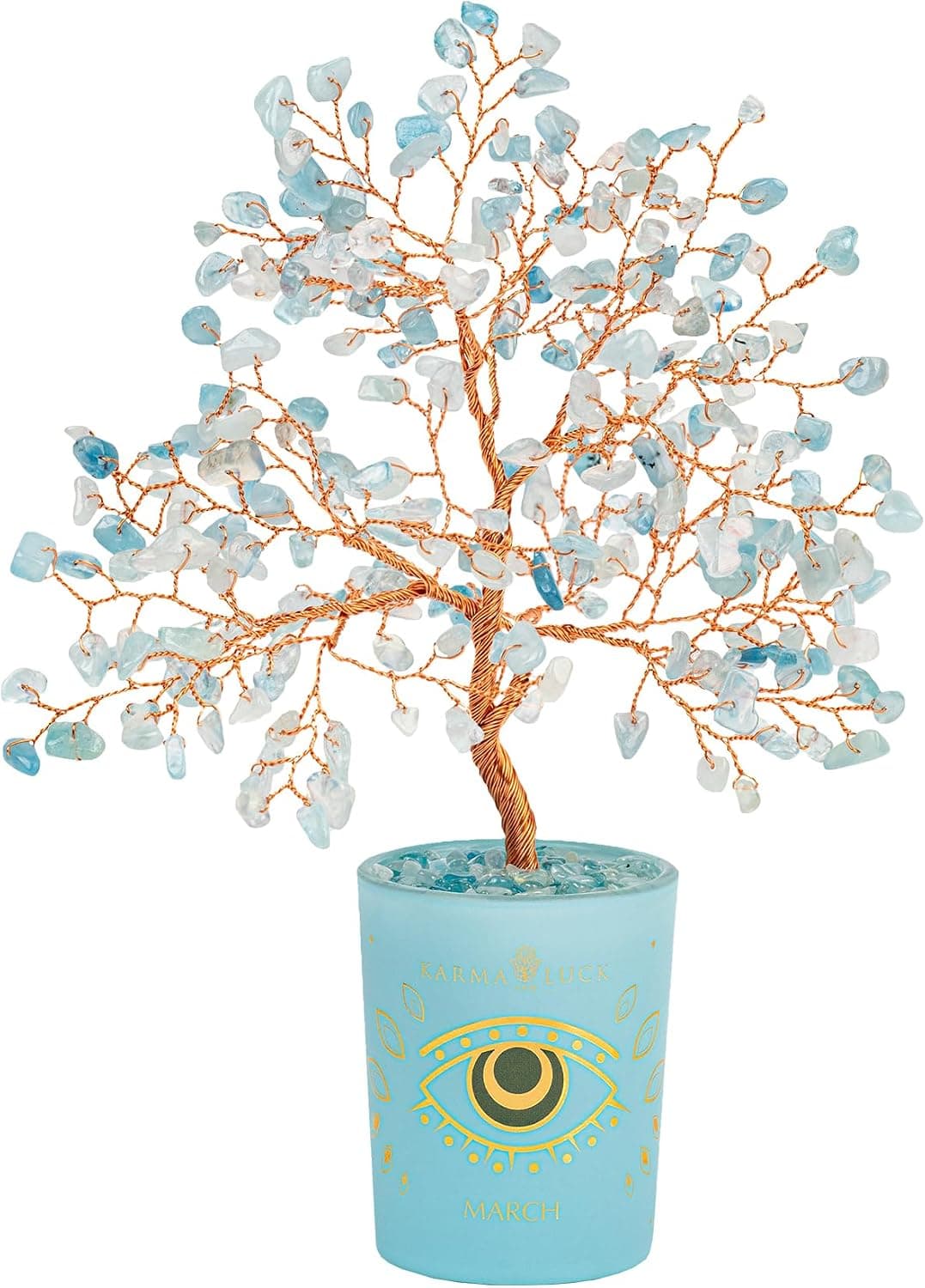 -29%
-29%Karma and Luck March Birthstone Crystal Tree of Life, Aquamarine Gemstone Fen...
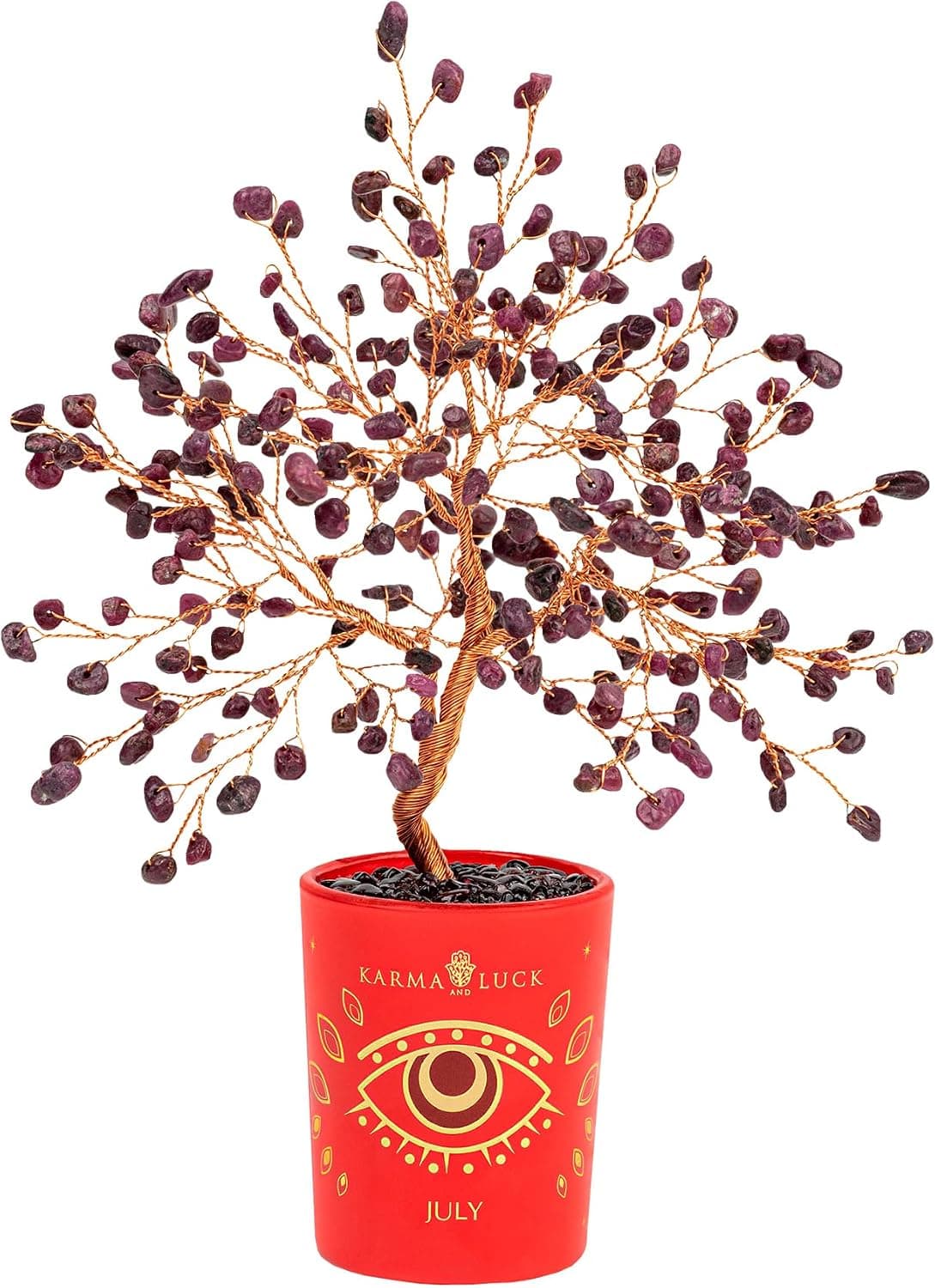 -29%
-29%Karma and Luck July Birthstone Crystal Tree of Life, Ruby Gemstone Feng Shui ...
As an Amazon Associate, we earn from qualifying purchases. We only recommend items our practitioners have personally tested.
Continue Your Journey
Explore these related guides to deepen your understanding:


Ready for Deeper Guidance?
Try our free I Ching reading for personalized wisdom, or explore our curated Feng Shui essentials.