If your moving lines look confusing, you may be asking the wrong question and missing the real answer hiding in plain sight.
You toss the coins, stare at the changing lines, and still feel stuck
You get a hexagram with two moving lines, then spend twenty minutes wondering whether one line “wins” over the other. I see this all the time. People do the casting, feel the tug of meaning, and then freeze because they expect the answer to arrive like a neon sign.
The problem is not that the oracle is vague. The problem is that most readers rush past the structure and go hunting for a dramatic prediction. That habit turns a clear method into guesswork. If you want a steadier way in, start with this beginner context for your first reading, because the frame matters before the line text does.
I once sat with a teacher in a small study lined with pale birch shelves, a blue ceramic teacup on the desk, and a copy of the I Ching marked with sticky notes. She had cast for a promotion decision and kept insisting the second moving line was “more important” because it sounded harsher. But the full reading pointed somewhere else entirely: her issue was timing, not talent.
The method is simpler than people want to admit
The core of i ching changing lines step by step casting is not memorizing tricks. It is understanding sequence. You cast the primary hexagram first, then identify which lines move, and only after that do you read the transformed hexagram. That order is not cosmetic. It is the logic of the reading.
Think of the primary hexagram as the present situation, the moving lines as the pressure points, and the resulting hexagram as the direction the situation is already leaning. The changing lines are not random decorations. They are the places where energy is unstable, active, or preparing to shift. If you want a cleaner way to think about interpretation, I recommend this reading interpretation approach, because it keeps you from treating every line as equally loud.
Here is the practical truth most beginners resist: one moving line usually carries a sharper, more focused message than five moving lines, but that does not make it “more powerful” in a mystical sense. It is simply more specific. When many lines move, the reading broadens and the transition itself becomes the message. That distinction saves people from overreading tiny details.
If you are learning i ching changing lines step by step casting, treat the process like watching weather develop. First you observe the sky. Then you notice the wind shift. Then you ask where the storm is heading. People who skip straight to the forecast often miss the cloud bank already overhead.
Cast cleanly, then read in order
The casting itself should be boring. That is a good sign. Use your chosen method consistently, whether coins or yarrow stalks, and record the hexagram exactly as it appears. Don’t tidy it up because the answer looks awkward. I have seen more bad readings caused by “helpful” editing than by bad luck.
After you have the primary hexagram, mark every moving line clearly. Then write the transformed hexagram beneath it. Only then start reading the line texts. The moving lines are read in their original positions, and they should be understood in relation to the whole figure, not as isolated fortune-cookie fragments. That is where many people go sideways, especially when they try to read line six with the same weight as line two without checking the situation around it.
One useful habit is to ask yourself what each moving line changes in practical terms. Does it alter attitude, timing, relationship, visibility, or restraint? For example, a line about retreat means something very different in a career question than in a family conflict. The oracle is precise, but it is not abstract. It speaks through circumstance.
And no, you do not need to force a dramatic story onto every cast. Sometimes the answer is simply: stop pushing. Sometimes it is: wait one more week. Sometimes the reading says your first plan is fine, but your delivery is clumsy. That kind of answer frustrates people who want prophecy. It helps people who want direction.
What changed lines are actually telling you
The changed hexagram is not a separate opinion. It is the shape the situation is becoming once the moving lines finish moving. That is why the transformed figure matters even when the line text feels obvious. It shows the destination of the current motion, not just the tension inside it.
When I read for a nurse in a narrow apartment with white walls, a red kettle on the stove, and a stack of night-shift schedules pinned beside the fridge, the first hexagram showed strain and containment. Two lines moved. She had assumed the answer meant “quit immediately.” The transformed hexagram showed gradual release, not rupture. Within three weeks, she had reduced her hours, not abandoned her job, and the reading had been right in a way she could actually use.
That is the difference between real interpretation and dramatic interpretation. Real interpretation gives you movement you can act on. Dramatic interpretation flatters your fear.
Common mistakes that distort the answer
The first mistake is reading the moving lines like isolated advice columns. That habit creates noise. If you want the most common pitfalls laid out clearly, this page on common errors is worth keeping nearby, because a few small habits can scramble an otherwise solid cast.
The second mistake is ignoring the transformed hexagram because the line text feels more exciting. I get why people do it. The line text is often vivid, while the changed hexagram feels quieter. But quiet is not weak. In fact, it usually carries the shape of the outcome.
There is another trap I see constantly: people want the lines to confirm what they already decided. They do not ask, “What is this situation becoming?” They ask, “How do I make this say yes?” That is not divination. That is negotiation with yourself.
A step-by-step rhythm that actually works
Start with the question, and keep it concrete. “Should I move apartments?” will give you a cleaner response than “What is my destiny?” The oracle can handle big questions, but it answers best when the question has edges. Vague questions produce foggy readings, and then people blame the method instead of the phrasing.
Next, cast and write everything down before you interpret a single line. I mean everything: date, question, primary hexagram, moving lines, transformed hexagram. Memory is unreliable once emotion enters the room. A written record keeps the reading honest, especially if you revisit it later and want to see whether your original interpretation held up.
Then read the whole hexagram first, just enough to understand the climate. After that, move into the changing lines one by one, and ask how each one modifies the situation. Do not force them to agree. Sometimes one line says advance while another says hold back, because the real answer is selective action. That does happen. More often than beginners expect.
Finally, compare the transformed hexagram with the original and ask what has shifted in tone, pace, or structure. If the primary figure is tense and the transformed one is open, you may be moving from blockage to release. If the reverse is true, your current comfort may be narrowing into pressure. The answer is in the movement between them, not only in either one alone.
If you want a more grounded way to recognize that shift, pairing the reading with basic symbolic context can help. Even outside divination, structure matters. A home with poor energy flow can make people second-guess themselves; a balanced room can do the opposite. That is why readers often care about both the oracle and the environment around the question.
What to do when the answer feels contradictory
Contradictions usually mean the situation itself is mixed. That is not a failure of the cast. It is a faithful picture of reality. A moving line can warn against haste while the transformed hexagram suggests eventual success. Those two things are not enemies. They are stages.
One thing I tell serious students: do not ask the reading to do your discernment for you. Use it to sharpen discernment. There is a difference. If you already know the decision feels wrong but want spiritual permission, the lines will often expose that tension very quickly.
And if you are still unsure, wait. Not forever. Just long enough to see whether the situation itself clarifies. The oracle often points to timing more than outcome. People miss that because they are trained to chase certainty.
FAQ
How do I know which moving line to focus on first?
Begin with the line closest to the situation’s emotional or practical center, not the one that sounds most dramatic. A line in the middle often describes the current pressure point more clearly than an extreme line. Then read the others as supporting movement, not separate verdicts.
Should I read the transformed hexagram before the line texts?
No. Start with the original figure so you understand the present condition first. The transformed hexagram makes far more sense after you’ve seen what is actually changing.
Can multiple moving lines mean the question is unclear?
Surprisingly, not usually. Multiple moving lines often mean the situation is active on several levels at once. The key is to look for the common thread rather than treating each line as a separate answer.
Why do I keep getting confusing results even when I cast carefully?
Confusion often comes from interpretation, not casting. If you want a cleaner reading, compare your notes with a structured way to read changing lines and keep the question narrow enough to answer. Most “unclear” results become readable once the question is sharpened.
Mei Chen
Traditionally informed guidance • Cross-referenced with classical Chinese source texts
Content draws from both Compass (Luopan) and Form (Xingshi) school traditions. Illustrative examples are composites based on consultation experiences.
Practitioner-Selected Tools for This Topic
Items our team has tested and found effective for the principles discussed above. Individual results may vary.
 -19%
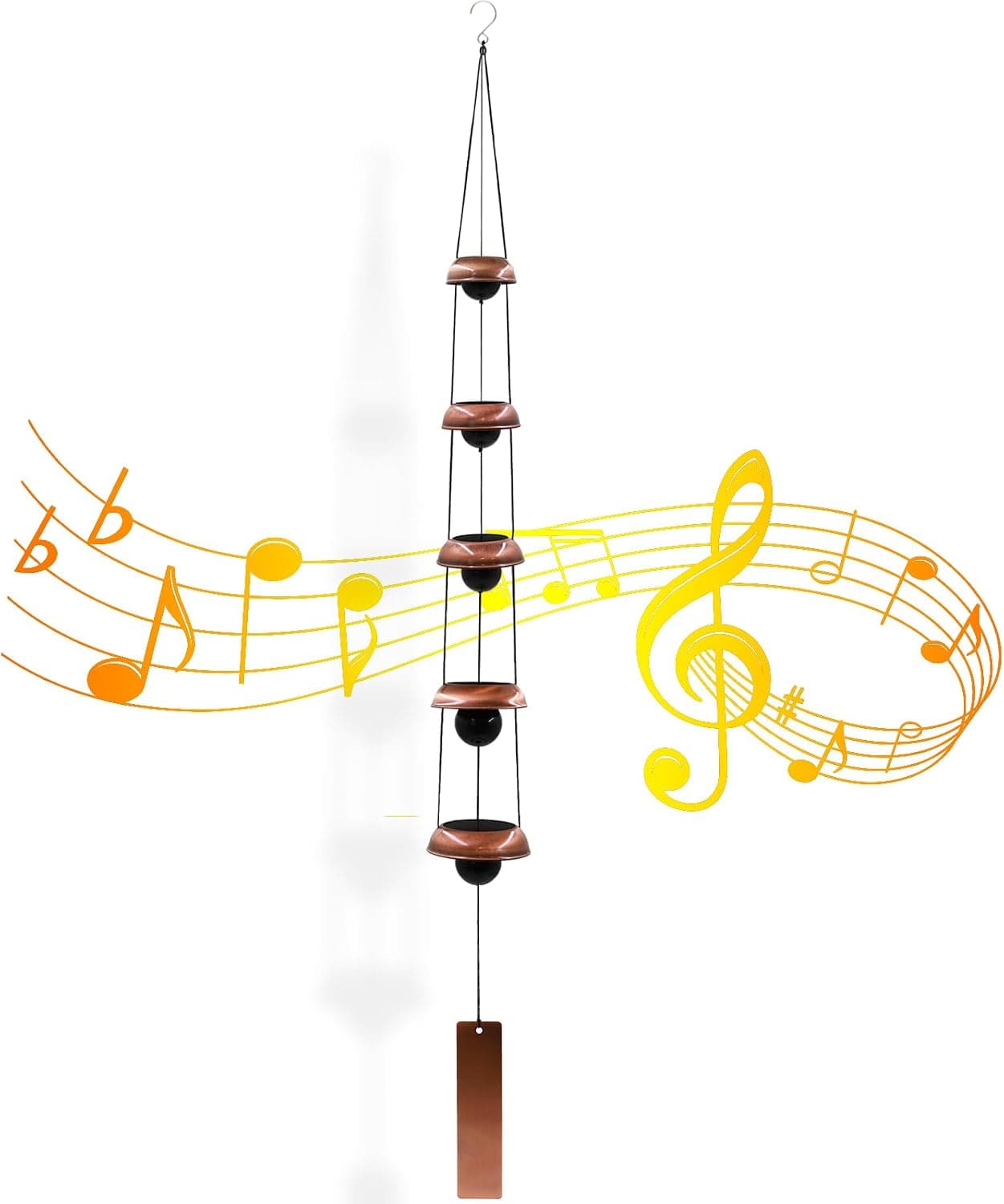
-19%Wind Chimes for Outside with 5 Bell Unique Copper Musical Chimes Feng Shui Wi...
 -5%
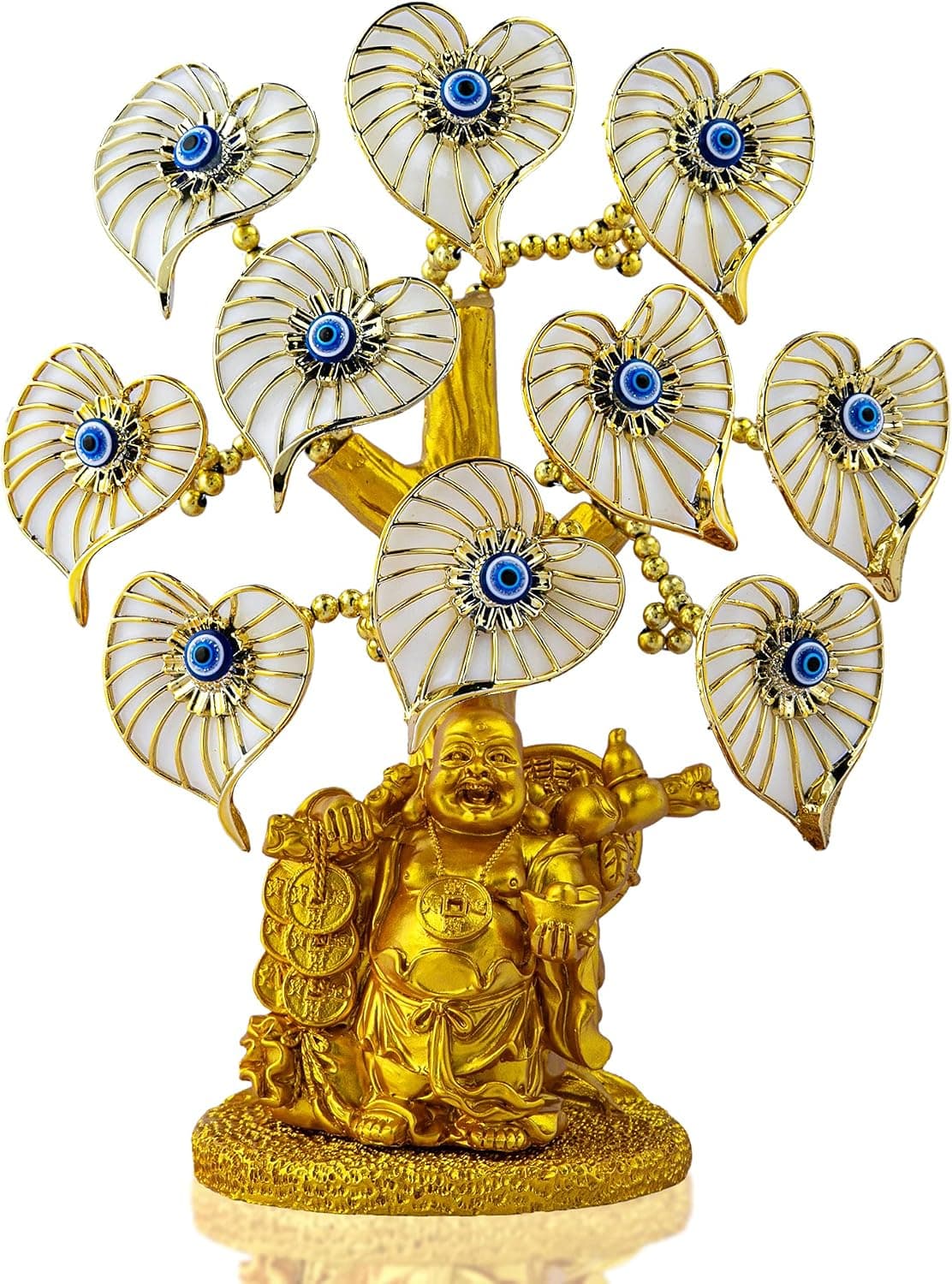
-5%YU FENG Evil Eye Money Tree, Blue Feng Shui Decor with Golden Buddha
 -29%
-29%Karma and Luck March Birthstone Crystal Tree of Life, Aquamarine Gemstone Fen...
 -29%
-29%Karma and Luck July Birthstone Crystal Tree of Life, Ruby Gemstone Feng Shui ...
As an Amazon Associate, we earn from qualifying purchases. We only recommend items our practitioners have personally tested.
Continue Your Journey
Explore these related guides to deepen your understanding:


Ready for Deeper Guidance?
Try our free I Ching reading for personalized wisdom, or explore our curated Feng Shui essentials.