The oracle didn’t mislead you. You misread the moving line, and that small error can warp the whole answer.
You did everything right. New journal. Clean table. Still confused.
You toss three coins, see a moving line, and feel that small surge of certainty: now the answer will be clear. Then the reading seems contradictory, so you cast again. And again. By the third attempt, the message has turned into fog.
I’ve seen this happen in living rooms, study corners, and even on kitchen tables beside a cooling cup of tea. The problem usually isn’t the oracle. It’s the reader rushing past the very thing that changes everything. If you want a clean foundation, start with the way moving lines actually function in a reading.
That mistake matters more than beginners expect. In practice, it doesn’t just create a confusing interpretation; it can lead you to act at the wrong time, push too hard, or miss the one adjustment the situation was asking for.
And yes, that can show up in real life fast: sleepless nights after an anxious answer, tension with a partner after a hasty conclusion, or stagnant wealth qi because you keep forcing a decision before it is ready.
This is where the most common i ching changing lines mistakes beginners make start to repeat. Not because people are careless. Because they want certainty, and moving lines rarely hand it over in a neat little package.
Mistake 1: Treating the changing line like a footnote
What people do: they read the main hexagram, glance at the moving line, and then move on as if it is a decorative detail.
Why it feels right: the core hexagram looks complete, stable, and easier to understand. The moving line seems secondary, almost optional.
What actually happens: the line you skipped is often the exact pressure point. Ignore it, and you may take a job when the advice was to wait, or keep arguing in a relationship when the text was warning that tone matters more than content. The consequence is usually friction, missed timing, or relationship tension that feels “unexplained.”
One teacher I worked with placed his coins on a red lacquer tray in his office and proudly told me the reading was simple. He had a line moving in the fourth place, but he kept discussing only the overall hexagram. Two weeks later, he admitted he had signed a contract before the market shifted. The reading was not wrong. His attention was.
Mistake 2: Casting again because the answer felt inconvenient
What people do: they don’t like the first answer, so they ask the same question again, sometimes five minutes later.
Why it feels right: if you repeat the question, maybe you’ll “confirm” the message or get a kinder one. That sounds rational when you are nervous.
What actually happens: you train yourself to distrust the oracle and your own reading. The result is mental noise, not insight. In practical terms, this can create decision paralysis, wasted time, and a kind of energetic stalling that shows up as stagnant wealth qi or a work situation that never gets resolved.
People often think more repetition equals more clarity. Usually, it just means more confusion. If you want to use the lines correctly, learn how to read the result without overriding it.
Mistake 3: Reading the line as a yes-or-no answer
What people do: they force the moving line into a binary verdict. Good news or bad news. Yes or no. Green light or stop sign.
Why it feels right: Western minds like clean closure. A binary answer seems efficient, and it feels safer than nuance.
What actually happens: the oracle describes conditions, timing, and behavior. When you reduce that to a thumbs-up or thumbs-down, you miss the real instruction. That can lead to sleep disruption because you keep spinning on whether you were “approved,” or to relationship tension because you treat a cautionary line as a rejection instead of a warning about pacing.
I once reviewed a reading done in a guest room with a blue-and-white rug and a stack of unpaid bills on the desk. The person kept asking, “So is it yes?” The line was not saying yes or no. It was saying: proceed, but not like this. The mistake cost them a month of avoidable strain.
That is why proper interpretation matters more than dramatic certainty. If you want the mechanics, study the casting sequence that keeps the reading clean.
Mistake 4: Ignoring whether the line is changing because of your behavior or the situation itself
What people do: they assume every moving line is a command to take action immediately.
Why it feels right: action feels empowering. Waiting can feel passive, especially if you already feel behind.
What actually happens: some lines describe a situation in motion; others describe your conduct under pressure. If you act on the wrong layer, you create avoidable trouble. In a career matter, that might mean sending a blunt email and triggering office conflict. In a home matter, it might mean rearranging a bedroom or office out of impatience and making the space feel more unsettled than before.
A retired architect I met had a reading about a renovation and immediately started moving furniture in his study. He shifted a dark walnut desk toward a window, then complained that he couldn’t focus and was waking at 3 a.m. The issue wasn’t the desk. It was his need to “do something” before he understood the line.
Mistake 5: Over-matching the line to your wish
What people do: they project their desired outcome onto the line and cherry-pick the wording that supports it.
Why it feels right: hope is sticky. When you want a relationship to work or a business idea to succeed, every phrase starts looking like permission.
What actually happens: you stop hearing the warning. That leads to poor timing, overcommitment, and the kind of disappointment that feels personal when it is actually interpretive error. In money matters, this is one of the fastest ways to create stagnant wealth qi: you keep investing energy where the answer said to conserve it.
Honest readings can sting. That sting is useful. It keeps you from romanticizing a situation that needs restraint.
Mistake 6: Using the moving line without checking the whole pattern
What people do: they focus on one changing line and never look at how the hexagram transforms.
Why it feels right: one line is easier to hold in the mind, especially if you’re new and trying to remember the symbolism.
What actually happens: you miss the direction of the change. A single line can be meaningful, but the transformed hexagram tells you where the energy is heading. Without that context, you may make a short-term adjustment while walking straight into a longer-term problem. The consequence is often recurring delay, confused relationships, or a project that seems to improve and then stalls again.
People sometimes believe the lines are isolated messages. They are not. They are part of a living pattern. The pattern is the point.
What actually works when money, timing, and pressure are all in the room
Start by reading the line as the loudest part of the answer, not the side note. Then check whether the line is telling you to act, wait, soften, or stop. If the question is about finances, connect the answer to real-world behavior: budgeting, pacing, saving, and choosing the right moment to spend. If you need a practical home-energy reference for prosperity, you may also want to look at the feng shui objects that support abundance without clutter.
And don’t force the oracle to sound like your wish. That is where beginners lose the thread. The reading becomes useful the moment you let it challenge you.
That is the real pattern behind i ching changing lines mistakes beginners make: rushing, repeating, and flattening nuance into certainty. Stop doing that, and the lines start behaving less like riddles and more like instructions.
If you want to move beyond guesswork, combine your reading practice with a grounded look at the room itself. A bedroom that supports sleep, a front door that welcomes qi, and a reading method that respects timing all point in the same direction: less force, more accuracy.
FAQ
Should I read every moving line in a casting?
Usually, yes, but not as separate little slogans. Read them in relation to the question and the transformed hexagram, or you’ll end up with half a map and too much confidence.
What if the answer seems to contradict itself?
That’s common when a line describes tension between where you are and where you are going. The contradiction often disappears once you separate immediate conditions from longer-term movement.
Can the same question be asked again later?
A surprising number of people ask too soon and get less clarity, not more. Give the situation time to change; otherwise you’re mostly testing your anxiety, not the oracle.
Do changing lines affect everyday life or only spiritual questions?
They affect both, because timing affects both. A work decision, a relationship conversation, and a room arrangement can all go sideways when the energy is not ready for the move you want to make.
Mei Chen
Traditionally informed guidance • Cross-referenced with classical Chinese source texts
Content draws from both Compass (Luopan) and Form (Xingshi) school traditions. Illustrative examples are composites based on consultation experiences.
Practitioner-Selected Tools for This Topic
Items our team has tested and found effective for the principles discussed above. Individual results may vary.
 -19%
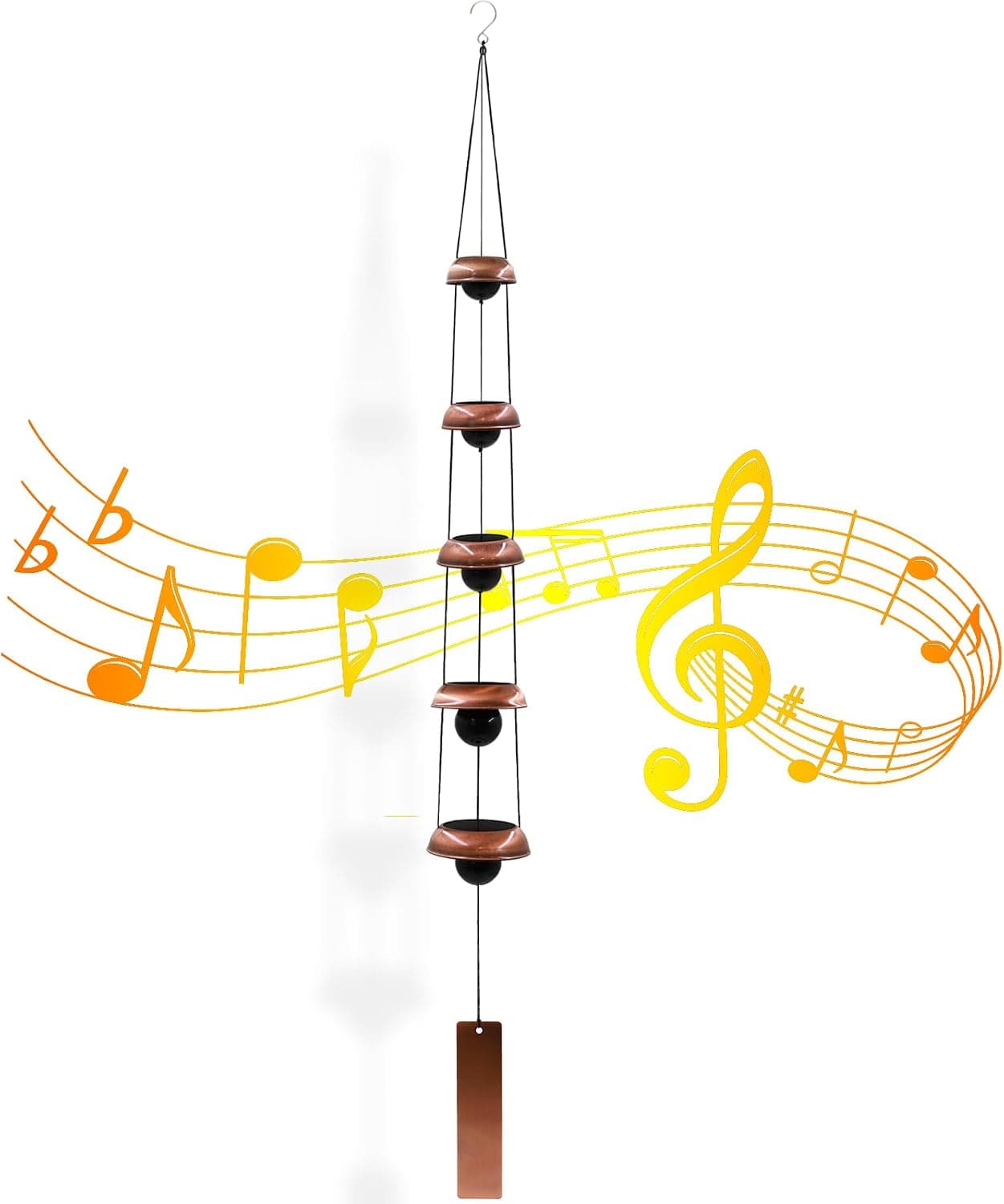
-19%Wind Chimes for Outside with 5 Bell Unique Copper Musical Chimes Feng Shui Wi...
 -5%
-5%YU FENG Evil Eye Money Tree, Blue Feng Shui Decor with Golden Buddha
 -29%
-29%Karma and Luck March Birthstone Crystal Tree of Life, Aquamarine Gemstone Fen...
 -29%
-29%Karma and Luck July Birthstone Crystal Tree of Life, Ruby Gemstone Feng Shui ...
As an Amazon Associate, we earn from qualifying purchases. We only recommend items our practitioners have personally tested.
Continue Your Journey
Explore these related guides to deepen your understanding:


Ready for Deeper Guidance?
Try our free I Ching reading for personalized wisdom, or explore our curated Feng Shui essentials.