If your reading feels blurry, the changing lines are probably the part you skipped.
The part people rush past is usually the part that answers
You cast a hexagram, feel a jolt of recognition, and then your eyes drift straight to the big symbol at the top. That is where a lot of readers go wrong. The hexagram matters, of course, but the moving lines often carry the actual instruction, the pressure point, the place where events are already shifting.
I’ve seen people stare at a reading for an hour and miss the line that changed everything: one broken line at the fifth position, or a stubborn yang line at the bottom that said, plainly, “You are starting too soon.” That is why i ching changing lines explained properly can feel less like fortune-telling and more like a mechanic’s diagnostic tool.
If you want a clean Western analogy, think of the hexagram as the weather pattern and the changing lines as the front moving through. The weather pattern tells you the season. The changing lines tell you where the storm is breaking, where the sun is trying to come through, and what will not stay the same.
And no, you do not need mystical theatrics for this. You need attention.
What a changing line is actually doing
A changing line marks instability in one place of the hexagram. Yin may be hardening into yang, or yang may be softening into yin. That shift is not decorative. It is the engine of the reading.
When you see one changing line, the message is usually sharp and focused. Two or three changing lines often point to a process, a sequence, or a decision with multiple layers. Four or five changing lines usually suggest a broader transition, where the original situation is dissolving and the resulting hexagram becomes more important. If all six lines change, the reading is loud. Loud readings are not always clear readings, which surprises people who assume intensity equals certainty.
Here is the part many beginners resist: the line does not just say what is happening now. It also shows where the situation is vulnerable to its next shape. That is why i ching changing lines explained in a serious way always includes timing. A line can be “right” and still not be “ready.” Those are not the same thing.
In practice, I read the original hexagram first, then I look at the changing line or lines, and only then do I study the resulting hexagram. That order matters. If you jump straight to the changed hexagram, you skip the reason for the transition and lose the texture of the answer.
For a deeper framework on how the larger pattern holds together, it helps to understand the structure behind the eightfold logic of the bagua. Different system, same lesson: position changes meaning.
How to read them without turning the I Ching into word soup
Start with the question. A vague question creates vague line work in your mind, even when the oracle is precise. Ask about one real situation, not ten. “Should I accept this offer?” is better than “What is my career doing, my relationship doing, and my house doing?” The I Ching is wise, not magical in the sloppy sense.
Then identify the moving lines and read them in context. Each line has a position. The first line is near the ground, where things are just beginning and not yet exposed. The second line is more inward and responsive. The third line is where tension starts to show. The fourth moves toward influence and transition. The fifth is the ruler’s place, the center of visible authority. The sixth is the end of the cycle, where excess, exhaustion, or release often appears. A line’s message changes according to where it sits.
I walked into a teacher’s apartment in Portland once and saw a small brass reading lamp on a cluttered desk in the study. She had been doing nightly readings about whether to leave her school. Her question kept returning the same moving line in the fourth position, and she had been ignoring it because the resulting hexagram looked “more promising.” The line was warning her that she was trying to lead from a place of fatigue, not authority. Three weeks later, after she moved the lamp off the edge of the desk and stopped reading at midnight, she made the decision she had been postponing for months. The point was not the lamp. The point was that she stopped forcing a future before her current position was clear.
That is how i ching changing lines explained in real life often works: the line identifies the exact knot, then life confirms it with uncomfortable accuracy.
Next, compare the changed lines to the resulting hexagram. Do not treat the resulting hexagram as a separate fortune. It is the after-image of the movement already underway. If the original hexagram says pressure, and the changing line says restraint, and the resulting hexagram says release, you are not getting three unrelated messages. You are getting one unfolding instruction.
If you like to anchor the reading in your environment, that can help too. Some practitioners place a notebook near the bedside and keep their space clear enough to think. A quiet room supports a quiet question. For readers who use objects intentionally, a simple stone or polished talisman can be part of the ritual; see how to choose supportive stones without overcomplicating it.
One sentence matters here: do not force the answer to sound flattering.
The practical method I use with clients
When someone brings me a reading, I first ask what happened in the days before the question. That context often reveals why a line moved. The I Ching responds to lived momentum, not abstract curiosity. If a person asks about a job after an argument with their manager, that argument is part of the reading whether they mention it or not.
Then I ask them to read the changing line aloud. Not the whole hexagram. Just the line. There is something clarifying about hearing, “Nine in the second place,” or “Six at the top,” and then translating it into plain speech. If the line feels evasive, the question is probably evasive too.
After that, I look for the behavior the line recommends. Some lines tell you to wait. Some tell you to withdraw. Some tell you to commit, but only after you stop improvising. A change line is not a slogan. It is a posture. You can act on it the same day, or you can resist it and watch the situation get more expensive.
Here is a concrete example. A chef I worked with had a reading about expanding into a second restaurant. The main hexagram looked ambitious, almost seductive. But the only changing line was the second line, and it pointed to modesty, containment, and keeping the work close to the center. He was already renting a second kitchen before the first was stable. He paused, renegotiated his lease, and spent two months fixing supply problems instead. That boring decision saved him from a very public mess.
This is where a lot of Western readers get surprised. They assume the oracle speaks in dramatic prophecy. More often, it speaks in precise restraint.
If your question is about the home, the same logic applies. A bedroom with too much active energy will amplify agitation, and a living room overloaded with visual noise can make every decision feel scattered. Sometimes the best response is not to ask another reading; it is to clear the room and see what remains. For room-level corrections, this bedroom guide and this approach to the living room can help you translate insight into action.
When you work this way, the reading stops being theatrical. It becomes usable.
Two common mistakes that muddy the message
The first mistake is obsessing over the resulting hexagram while ignoring the changed line itself. That is like reading the last page of a novel and pretending the middle did not happen. The line tells you what is in motion; the result tells you where it is headed if nothing interferes.
The second mistake is assuming every moving line must be “good” or “bad.” That mindset belongs to supermarket horoscope culture, not serious divination. A difficult line can be the most valuable one in the spread because it identifies the exact point where self-deception lives.
If you want to avoid the most common interpretive traps, it also helps to know how people misread spatial symbolism in general. The same confusion shows up when someone mistakes a cluttered entrance for a lucky one. That is why I often point readers toward the front door as a first diagnostic point and remind them that placement often matters more than decoration.
One sentence again: clarity beats excitement every time.
What to do after the reading lands
Do not rush to ask the same question again. Give the reading room to breathe. If the line advised patience, practice patience. If it advised withdrawal, stop feeding the situation with extra messages, extra applications, or extra emotional pressure. The I Ching works best when it changes your behavior, not when it becomes a habit of self-soothing.
Write the original hexagram, the changing line number, and the resulting hexagram in a notebook. Then write one sentence in plain English: “What am I being told to stop doing?” That question is often more useful than “What will happen?” The first question creates movement. The second can become passive waiting dressed up as wisdom.
And if the answer seems too subtle, that is usually a sign you are near the truth. Big obvious answers are easy to sell. Subtle answers actually change lives.
FAQ
Do all changing lines matter equally? No. Their position changes the emphasis, and some positions speak more directly to timing, leadership, or completion. A single line in the fifth place can carry more immediate weight than three scattered lines that blur the message. Read the line in context first, not as a standalone slogan.
What if every line changes? That usually signals a major transition, not a simple yes-or-no answer. The original situation is dissolving fast, and the resulting hexagram becomes especially important. People often panic here, but a fully changing reading can actually be cleaner than a muddy one.
Should I ignore the hexagram and focus only on the lines? Absolutely not. The hexagram gives the climate; the changing lines reveal the fault lines. If you separate them, you lose the shape of the answer and reduce the reading to fragments.
Can changing lines tell me what to do right now? Often they can, but only if your question was specific. A line about retreat will not help much if you asked three unrelated things at once. The sharper the question, the more actionable the movement.
Mei Chen
Traditionally informed guidance • Cross-referenced with classical Chinese source texts
Content draws from both Compass (Luopan) and Form (Xingshi) school traditions. Illustrative examples are composites based on consultation experiences.
Practitioner-Selected Tools for This Topic
Items our team has tested and found effective for the principles discussed above. Individual results may vary.
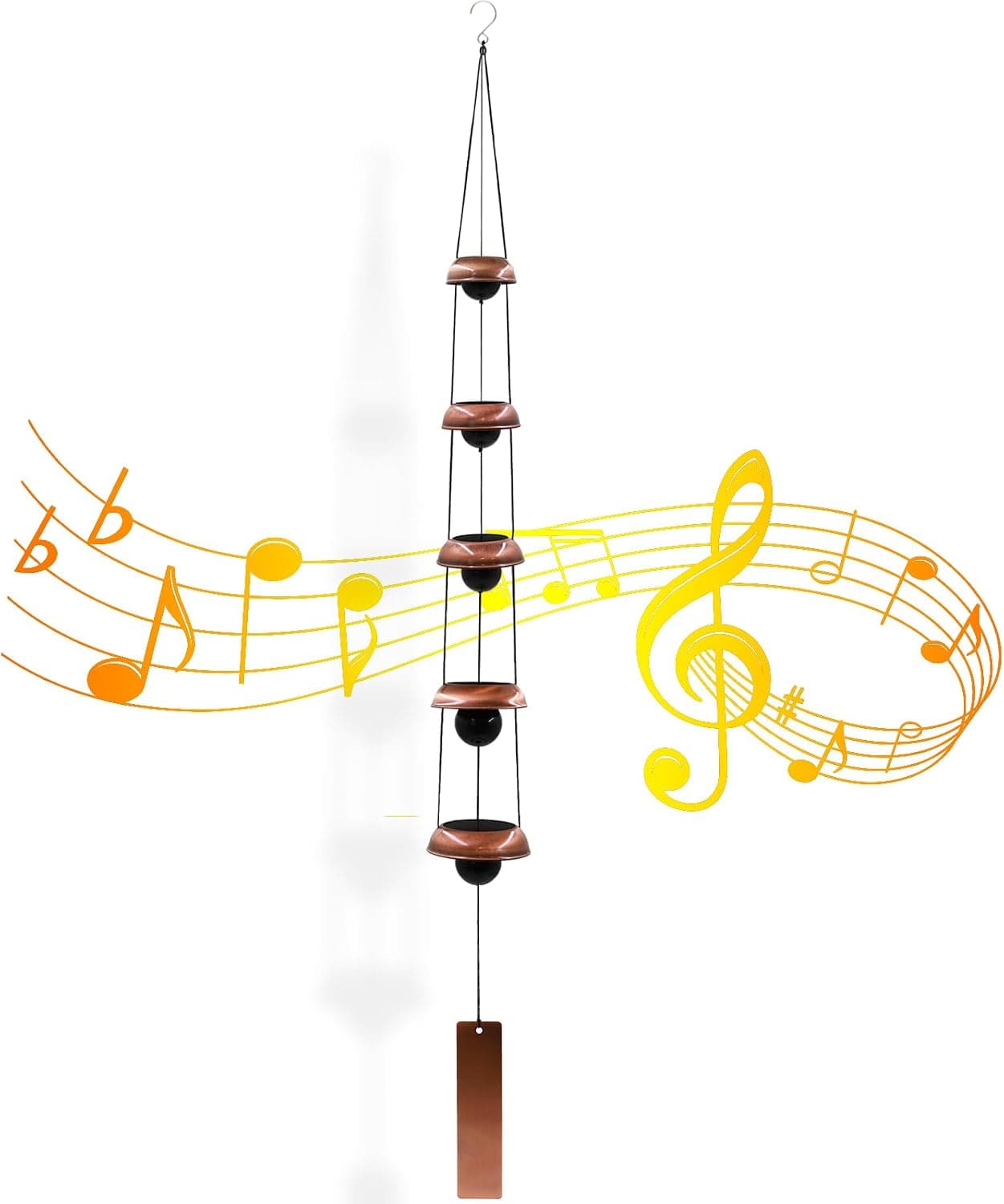 -19%
-19%Wind Chimes for Outside with 5 Bell Unique Copper Musical Chimes Feng Shui Wi...
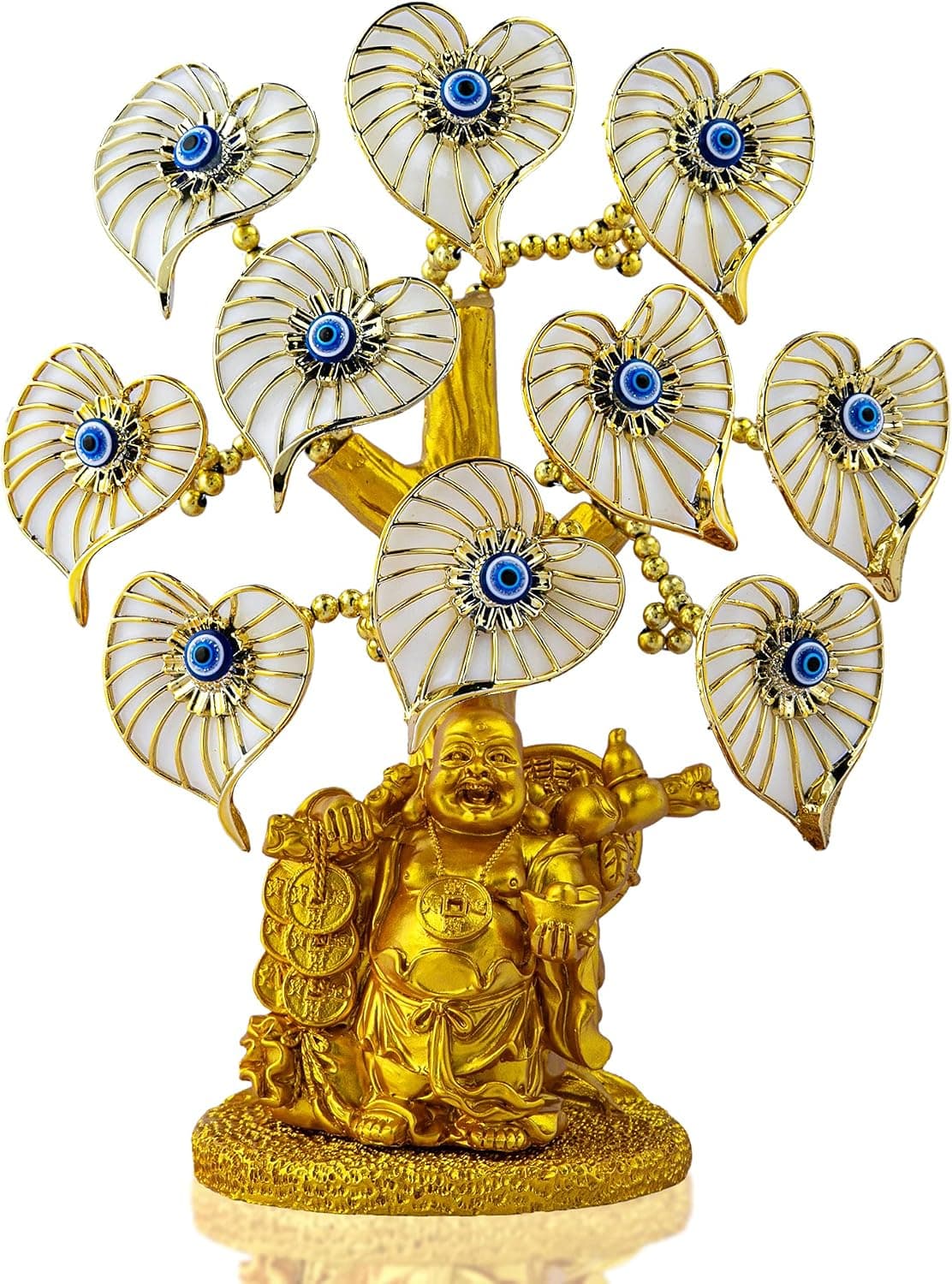 -5%
-5%YU FENG Evil Eye Money Tree, Blue Feng Shui Decor with Golden Buddha
 -29%
-29%Karma and Luck March Birthstone Crystal Tree of Life, Aquamarine Gemstone Fen...
 -29%
-29%Karma and Luck July Birthstone Crystal Tree of Life, Ruby Gemstone Feng Shui ...
As an Amazon Associate, we earn from qualifying purchases. We only recommend items our practitioners have personally tested.
Continue Your Journey
Explore these related guides to deepen your understanding:


Ready for Deeper Guidance?
Try our free I Ching reading for personalized wisdom, or explore our curated Feng Shui essentials.