If your Pixiu bracelet feels heavy, scratchy, or strangely ineffective, you may be wearing it against the current.
The bracelet isn’t the problem. The way you wear it is.
I walked into a consultant’s home in Kuala Lumpur and noticed the first thing she had done after buying a gold-beaded Pixiu bracelet: she had left the mythical beast facing inward, hidden under a sleeve, and stacked it beside a watch, a metal bangle, and three thin cords. She told me it had been on her wrist for two weeks and she already felt “nothing at all.” That reaction is familiar. People buy an auspicious object, then treat it like ordinary jewelry and wonder why the energy feels flat.
The real issue is not superstition, and it is not blind belief either. A Pixiu bracelet works as a symbolic tool for attracting and holding wealth qi, but the symbol needs correct orientation, placement, and behavior to make sense within feng shui logic. If you want the short version of which wrist supports the strongest effect, the answer is not random. The bracelet should be worn with intention, and the Pixiu should face outward so it appears to be drawing opportunities in, not guarding them behind your arm.
That sounds simple, until people start doing three contradictory things at once: wearing the bracelet on the wrong side, letting the charm point the wrong way, and never “activating” it with attention. I’ve seen this mistake in offices, kitchens, and bedrooms alike. A thing can be beautiful and still be positioned badly. Feng shui is full of those small, expensive errors.
There is also a subtle point Western readers often miss: Pixiu is not just a lucky trinket. It is a wealth symbol with a temperament. Treat it casually and it becomes decorative. Treat it correctly and it becomes a focused reminder of accumulation, discipline, and receptivity.
The method starts with direction, then discipline
When people ask me how to wear pixiu bracelet correctly, I begin with the easiest rule: the Pixiu should face outward from your body, as if it is seeking opportunities in the outside world. That means when the bracelet is on your wrist, the creature’s head points away from your hand rather than toward your torso. The logic is straightforward. You do not want wealth energy turning back on itself before it has had a chance to enter your life.
Next comes wrist choice. Traditional practice often favors the left side for receiving and the right side for releasing, but I do not hand out that rule like a slogan. You need to look at the object, the wearer, and the situation. For most people wearing a Pixiu for wealth, the left wrist is the safer starting point because it supports receiving, especially if you also keep your daily life organized and your spending habits under control. If you want the broader framework, our bracelet principles page explains why one piece of jewelry is never just one piece of jewelry.
Then there is the matter of respect. Do not let the bracelet knock around in a drawer with keys and spare coins. Do not wear it while doing work that feels dirty, chaotic, or disrespectful to the object’s purpose. If you swim, shower, or sleep in it, you are mixing symbols without thinking. People laugh at that until the bracelet starts looking dull, the cord loosens, and they forget where they put it. Energy aside, basic care matters.
One retiree I advised kept her black Pixiu bracelet on the same wrist as a heavy stainless-steel watch. She said she liked the “layered look.” Two weeks later she was complaining that it felt cold and irritating, especially during long afternoons at her bookkeeping desk. We removed the watch, shifted the bracelet to the left wrist, and gave the Pixiu a clear forward-facing position. Within days she told me the piece felt lighter, and within a month she had become much more deliberate about her spending. That is the kind of change I look for: not magic, but a cleaner relationship with money behavior.
Wear it like a collector of openings, not a passive fan of luck
The practical side of this is less mystical than people hope. Before putting the bracelet on, hold it for a moment and calm your mind. If you are rushing, irritated, or trying to use it as a shortcut after a bad month, the posture is wrong. Pixiu is not there to rescue recklessness. It supports the person who is already willing to receive, store, and protect opportunities. That means you wear it on a clean wrist, with the charm facing outward, and with the clasp secured so it sits comfortably rather than twisting all day.
Pay attention to the chain or bead spacing too. A bracelet that pinches or spins constantly is not sitting correctly. If the fit is off, the charm keeps rotating into an unlucky position, and the symbolic message becomes muddy. I often tell people to test it for one full day at home before wearing it out to meetings or social events. Walk around the kitchen, sit at your desk, open a cabinet, wash your hands carefully, and notice whether the charm stays oriented. That simple check saves a lot of frustration later.
If you are stacking with other pieces, keep the arrangement clean. Pixiu does not need a crowded wrist full of competing energies. Pairing it with one calm companion, such as a modest bead strand, is fine. Piling it beside several aggressive-looking accessories is not. For readers who like to compare wealth tools, these wealth bracelet options show how different styles carry different visual and symbolic weights.
The setting around the bracelet matters as well. I have seen people put on their Pixiu in a chaotic entryway beside shoes, receipts, and backpacks, then complain that they “never remember to wear it consistently.” That is not random. The mind follows environment. A small, tidy ritual near your dresser or bedroom mirror creates continuity. If you are curious how that larger domestic order supports personal energy, the placement logic in a well-ordered bedroom makes the point clearly.
You do not need a theater of incense and chanting. You do need attention. Attention is the bridge between ornament and practice.
What matters most after you put it on
Once the bracelet is on, leave it on for a reasonable stretch of time instead of removing and replacing it every hour. Constant fiddling weakens the sense of continuity. But continuity does not mean neglect. Check the cord, inspect the beads, and clean the piece with a soft cloth when it looks tired. An object that is supposed to symbolize accumulation should not look abandoned.
Another point people resist: your habits matter more than your bracelet. If your spending is impulsive, your desk is buried under invoices, and your wallet is full of old receipts, no charm can compensate for disorder. Pixiu supports wealth retention; it does not manufacture it from thin air. The bracelet amplifies a mindset of holding, not chasing. That distinction surprises people because they want a symbolic object to do all the work.
There is also a placement lesson beyond the wrist itself. If you remove the bracelet for sleep, place it somewhere respectful and uncluttered, not balanced on a sink edge or tossed into a dish by the front door. The front door, by the way, is where opportunities enter the home, which is why the way you arrange that threshold matters so much. If your broader environment is working against you, the bracelet can only do so much. A quick look at front-door energy and movement will show why these systems connect.
And if you are using the bracelet alongside other wealth tools, keep the purpose clear. Do not overload one space or one person with too many “money cures.” A Pixiu bracelet is not meant to compete with every crystal, plant, and charm in your house. It is one focused signal among many.
Common mistakes that quietly flatten the effect
The first mistake is wearing the Pixiu facing inward, where it seems to guard your wrist instead of attracting from beyond you. That single error can make the whole setup feel awkward. People often do it without realizing, especially if they bought the bracelet from a seller who never explained orientation. If you need a deeper comparison with related mistakes, the notes in this black obsidian bracelet guide help clarify why different bracelet types are not interchangeable.
The second mistake is using the bracelet as emotional compensation. I see this in younger professionals who buy one after a disappointing month and expect it to fix fear, debt anxiety, and poor focus overnight. It won’t. What it can do is reinforce a cleaner relationship with money, timing, and self-discipline. That is far more useful than fantasy, and frankly more honest.
FAQs
Should I wear a Pixiu bracelet every day?
Regular wear is usually better than constant on-and-off handling because it creates continuity. The exception is practical care: if you are doing something rough, wet, or physically messy, remove it respectfully and keep it safe.
Can I wear it with a watch?
You can, but I usually prefer not to crowd the same wrist. A watch adds a mechanical, time-driven feeling, while Pixiu works best when the wrist has space and the charm can stay oriented without interference.
What if the bracelet keeps turning inward?
That usually means the fit is wrong or the bracelet is too loose. A surprising number of “energy problems” are actually sizing problems, and fixing the fit often fixes the experience immediately.
Do I need to activate it somehow?
A quiet first wear is enough for many people, but a moment of intention helps. Hold it, settle your mind, and decide what kind of financial behavior you want to support; the bracelet then acts as a reminder, not a miracle.
The correct way to wear a Pixiu bracelet is simple once you stop treating it like a fashion accessory. Face it outward, choose the wrist with care, keep it clean, and let your daily habits match the symbol you are asking to work for you. That is where the real shift begins.
Mei Chen
Traditionally informed guidance • Cross-referenced with classical Chinese source texts
Content draws from both Compass (Luopan) and Form (Xingshi) school traditions. Illustrative examples are composites based on consultation experiences.
Practitioner-Selected Tools for This Topic
Items our team has tested and found effective for the principles discussed above. Individual results may vary.
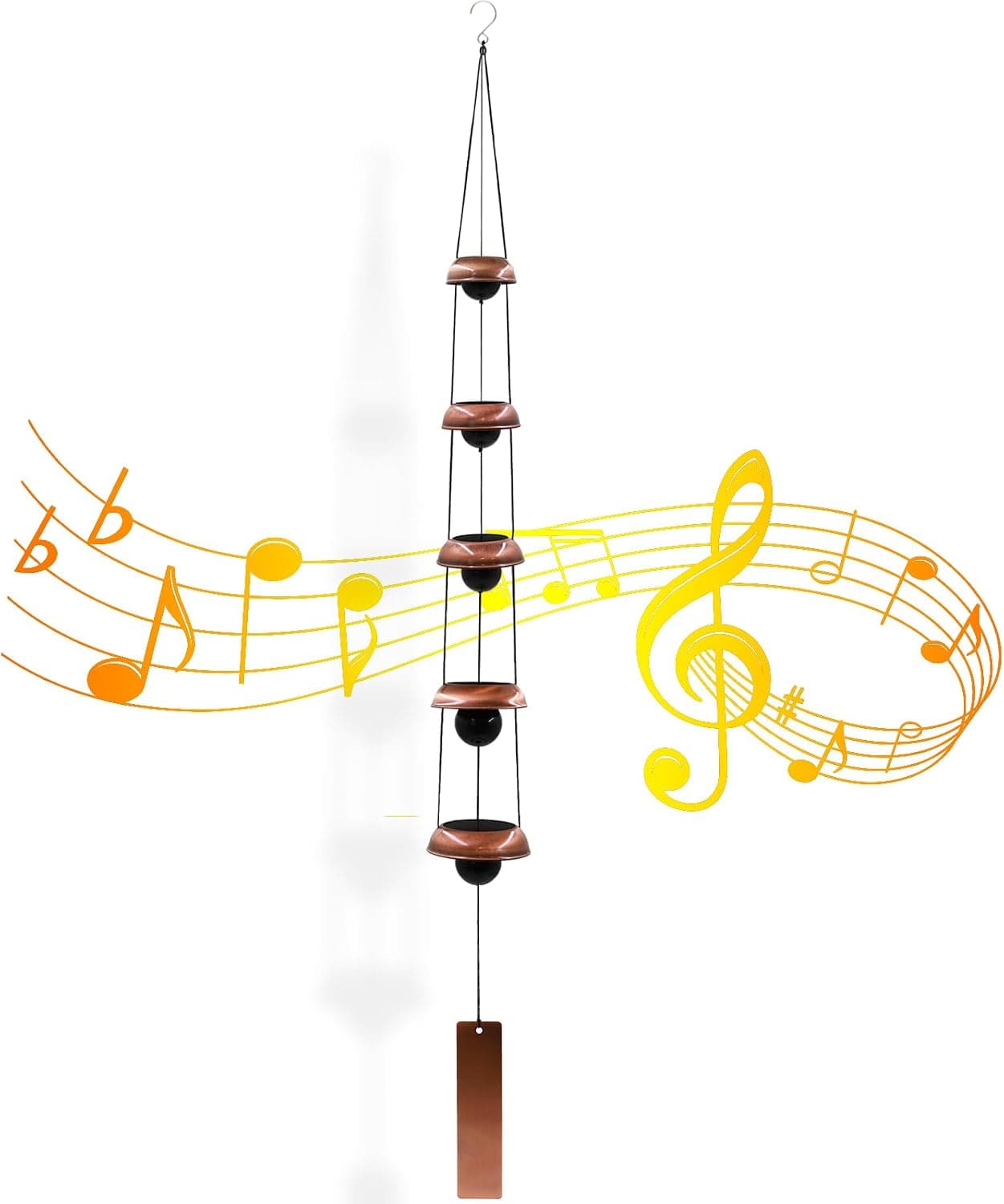 -19%
-19%Wind Chimes for Outside with 5 Bell Unique Copper Musical Chimes Feng Shui Wi...
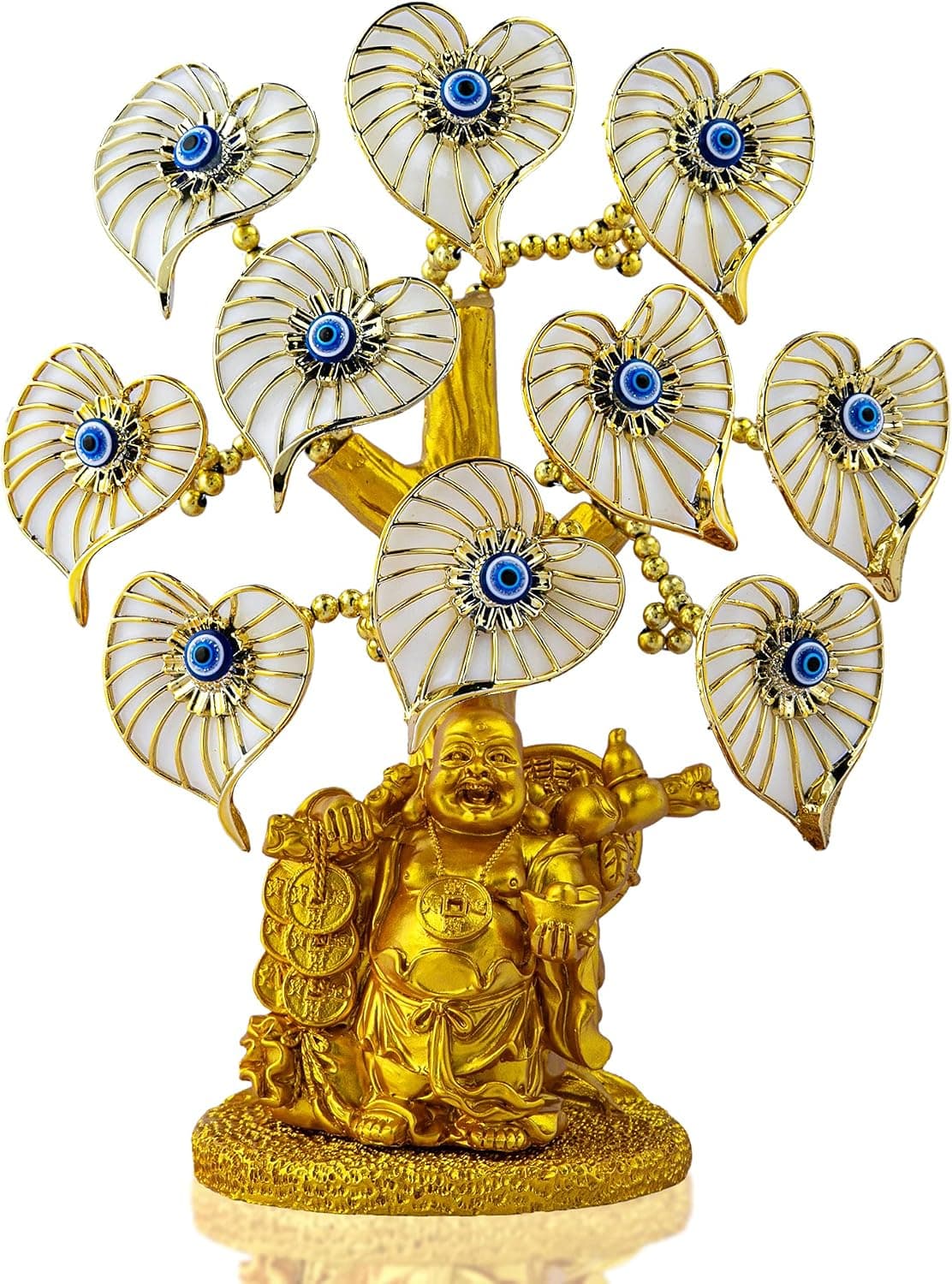 -5%
-5%YU FENG Evil Eye Money Tree, Blue Feng Shui Decor with Golden Buddha
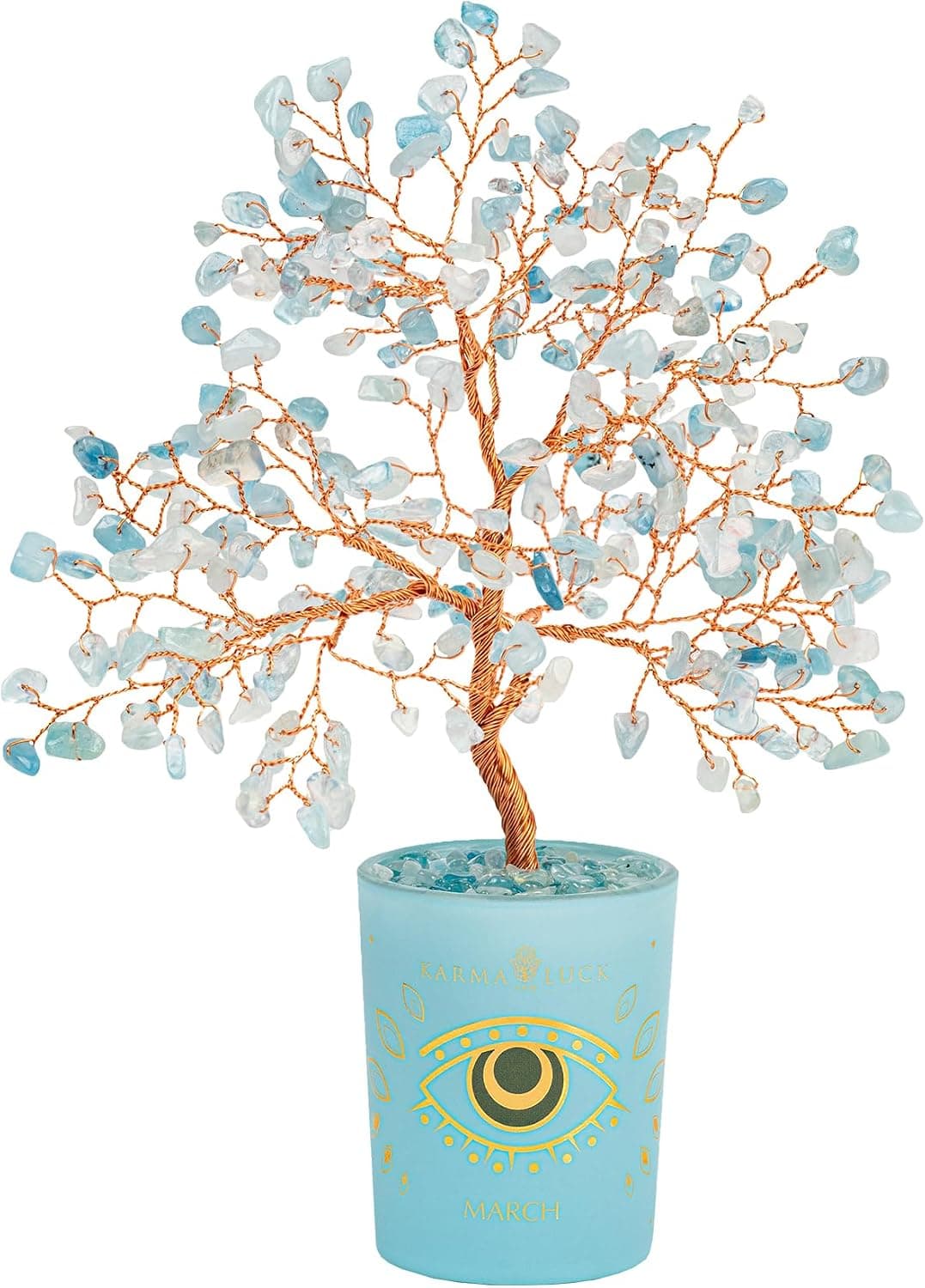 -29%
-29%Karma and Luck March Birthstone Crystal Tree of Life, Aquamarine Gemstone Fen...
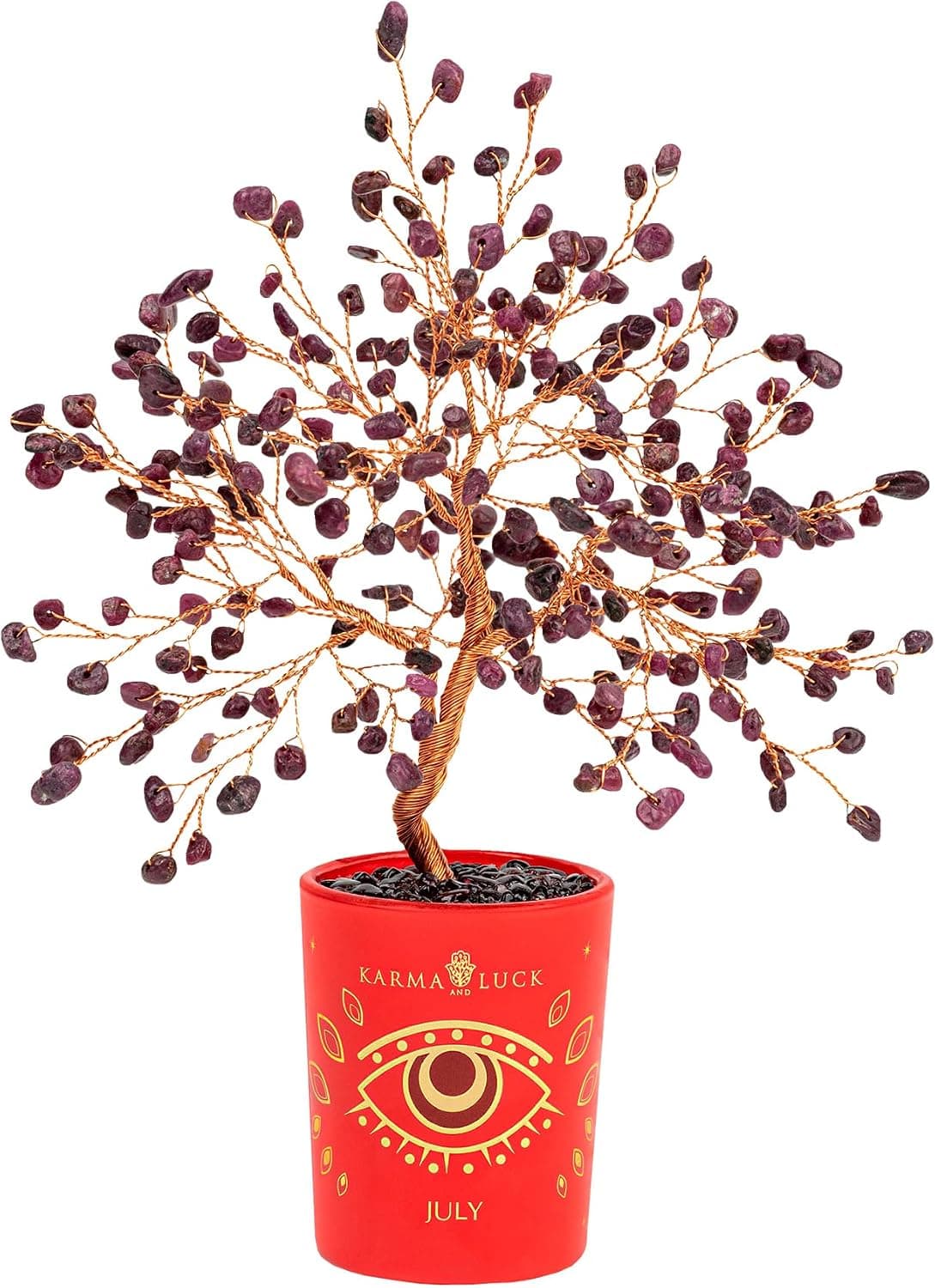 -29%
-29%Karma and Luck July Birthstone Crystal Tree of Life, Ruby Gemstone Feng Shui ...
As an Amazon Associate, we earn from qualifying purchases. We only recommend items our practitioners have personally tested.
Continue Your Journey
Explore these related guides to deepen your understanding:


Ready for Deeper Guidance?
Try our free I Ching reading for personalized wisdom, or explore our curated Feng Shui essentials.