Recessed spaces can hold a cure, or trap the problem deeper. The difference is in how the alcove works.
The Hidden Truth About flying-star-feng-shui-2014-cures
when people treat every room like a flat grid. A recessed nook, a bookcase bay, a shallow dining alcove, even the space beside a closet can change the result because qi does not move through a home as a spreadsheet; it slows, curls, and lingers where the walls pull it inward.
I saw this in a narrow north-facing apartment where the owner had placed bright red objects, a brass bell, and three polished coins in the main living area because an online chart said to “activate” the sector. Sleep got worse. The couch facing the window felt jumpy, the hallway echoed at night, and the cat stopped using the corner rug. Then we moved the remedy six feet into a recessed shelf cut into the wall near the dining nook, and the mood changed within days: less glare, fewer late-night wakeups, no more buzzing feeling near the front of the room.
The mistake was not the cure itself. It was the assumption that every remedy works at the same speed in every shape of room. Alcoves behave like little pressure chambers. They collect, soften, or trap movement because their side walls alter the flow before it reaches the open area, which is why a fix placed there can feel calmer, less aggressive, and sometimes more durable than one dropped in the middle of a room.
That is why common advice often fails in homes with recesses, split levels, and odd geometry. The chart may be correct, yet the placement can still be wrong. The room shape decides whether the cure lands cleanly or gets swallowed by a pocket of stagnant air.
Some people call that “bad luck.” I call it bad mechanics.
Consider the chain: annual stars bring a pattern, the room shape edits that pattern, the alcove either stores or distorts it, and the human body reads the result as ease or tension. That sequence matters more than decoration. If you ignore the recess, you may strengthen the wrong part of the room while the real problem stays hidden two steps away.
For a deeper map of how sectors are read in a home, the layout method in how to map energy in your home without overthinking it helps, but alcoves change the reading in a way that flat diagrams miss. A pocket of space is not empty. It is a container with behavior.
Step One: The Room Shape Filters the Cure
Start with the geometry, because geometry decides whether a remedy hits the whole sector or only the edge of it. In a bedroom alcove, for example, a small ceramic bowl placed 18 inches back from the opening can settle a restless corner, while the same bowl left on the dresser across the room barely touches the issue. The walls act like guides, and the curve of movement narrows before it spreads.
That is why a shallow recess beside a doorway often feels different from a deep niche behind a sofa. One catches passing qi and slows it just enough to be useful; the other can become a dead pocket where objects collect dust and the air feels thick by Friday afternoon.
Placement works best when the cure sits where the recess still “communicates” with the room, not buried where no one sees or feels it. If an object disappears too far back, it can stop participating in the room’s circulation and become storage dressed up as feng shui.
I've seen people mistake hidden for effective. Hidden can help, but only when the alcove still breathes.
For homes with entrances that pinch inward, the front-door structure matters too. The article on the alcove advantage that changes a front door fast shows why a recess near the entry can either welcome or compress movement before it reaches the rest of the house.
Step Two: The Wrong Object Type Changes the Outcome
A cure does not behave the same way in every nook. Reflective metal can sharpen a tight recess, while soft earth tones tend to absorb excess motion there. That sounds simple until you watch what happens in real rooms. A shiny bowl in a west-side niche beside a hallway mirror can make a small apartment feel busy and over-alert, especially at night. Swap it for a matte ceramic jar and the same corner stops flashing at the eye.
The object matters because an alcove already changes velocity. Add a hard, bright item and you create a double effect: the recess concentrates, and the object bounces the signal back. Add a textured, dull item and the recess calms the flow instead of ricocheting it.
That is why people sometimes report that a cure “worked for a week” and then lost its effect. The room did not fail. The object type fought the space shape.
One sentence can save a lot of confusion: shiny is not always better.
For homes that rely on metal remedies, the placement rules in coin placements that make money feel managed, not chaotic help separate a tidy metallic cure from one that turns a nook into a visual alarm.
Step Three: The Recess Can Either Hold or Hide the Problem
Here is where the popular advice gets sloppy. People assume an alcove is automatically a good place to tuck away any corrective item. Not so. If the sector is already strained, hiding a problem inside the recess can bury the symptom without changing the cause. The room looks neat, yet the undercurrent stays uneven.
Think of a closet niche in a study with a cluttered desk nearby. Place a remedy too far inside that recess and you may reduce visual noise while the desk, chair, and hallway traffic continue to stir the same pattern. The body still notices. Shoulders tighten, concentration slips, and the room feels unfinished even though it looks orderly in photographs.
The better question is not “Where can I hide this?” It is “Where does the room still register this?”
That distinction changes everything.
Someone who followed standard yearly cure advice once placed a cluster of glass items in a deep pantry-like alcove off the kitchen because the chart pointed there. The result was odd: dinner conversations became sharp, the dog avoided the threshold, and the owner kept forgetting groceries on the counter. Moving the same items to the open side of the alcove, where the dining room could actually see them, reduced the tension almost immediately. The room needed contact, not concealment.
If the recess sits near kitchen equipment, take special care with cutting tools and glare. A deeper look at kitchen knives carry more energy than you'd think — here's why placement matters explains why sharp objects and confined spaces can magnify unease instead of resolving it.
One small caveat: a cure that should be active does not belong where nobody passes or looks.
Step Four: Human Behavior Decides Whether the Cure Stays Alive
People forget this part because it sounds too ordinary. The home is not reacting only to directions and stars; it is reacting to habits. A recessed shelf near the main path gets touched, dusted, noticed, and subconsciously acknowledged. A hidden ledge behind a tall plant does not. That difference changes the life of the cure because attention keeps some placements functional while neglect turns others into ornaments.
In a family room with an alcove beside the television wall, I watched a pale blue ceramic piece work better than a louder red one, not because blue was magical but because the occupants left the blue vessel alone. The red version invited fiddling, and once the children kept moving it to make space for game controllers, the whole corner felt restless again. The object became a toy, then clutter, then noise.
So the practical test is blunt: can the placement remain stable without becoming a storage ledge? If the answer is no, the fix will drift out of its role no matter how carefully you selected it.
That is the ordinary part people skip, and the ordinary part decides half the result.
For households trying to tell the difference between stable support and decorative clutter, 3 flying star mistakes that keep 2021 homes off balance shows the same pattern in another annual cycle: good intent, wrong handling, messy outcome.
Common Mistakes People Keep Repeating
The first mistake is dropping the cure into the deepest point of the recess and assuming depth equals strength. It often feels right because the object seems protected there, yet the effect can fade when the room no longer registers it. What actually happens is a sealed-off pocket that may collect dust, stale air, and visual neglect.
The second mistake is using a bright, reflective cure where the alcove already pushes too much activity back into the room. That feels logical if you want “more activation,” but activation is not the same as improvement. In a tight corridor nook, extra shine can stir sleeplessness, shorten patience, and make evenings feel edgy.
The third mistake is treating every recess as a wealth spot, which is how people end up stacking coins, jars, crystals, and plants in one small corner. The space becomes crowded. Wealth qi does not like a traffic jam, and the result can be stalled bills, unopened mail, and a strange sense that money is always arriving late.
The fourth mistake is forgetting how bedrooms behave. A recessed area near the bed can be useful, but only if it does not sit in direct confrontation with the mattress line or the sleeping head. One wrong object there and the room starts to feel like a watch post instead of a resting place. That shows up as light sleep, vivid dreams, and a body that wakes before dawn.
The fifth mistake is ignoring the front-door approach while obsessing over the interior. A recess near the entry can soften incoming movement, yet if the landing area is cramped, the cure may never get the chance to do its job. People keep focusing on the object and miss the approach path, which is where the pressure starts.
The sixth mistake is assuming years do not matter. Annual patterns shift, and a recess that helped one year may need a different treatment the next because the sector receives a different mix of influence. When people do not adjust, they blame the method instead of the timing.
If you want a cleaner baseline before placing anything into a pocket or niche, the standards in bedroom rules that affect both sleep and relationships will keep you from turning a useful corner into a sleep thief.
What Works Better in an Alcove
Use the recess as a filter, not a dumping ground. Choose one object with a single job: calm, support, or gentle activation. Leave space around it so the alcove can shape the flow without choking it. A candle, for example, may be too lively in a tight niche, while a stone bowl, a muted ceramic, or a modest plant in a simple pot can settle the same corner without creating visual chatter.
The clearest placements sit where the room still “sees” them from ordinary angles. That might mean three feet from the opening, slightly off center, at a height that catches the eye while walking past. The point is not to showcase the item like a trophy. The point is to let the recess do quiet engineering in the background.
Need a visual test? Stand in the doorway and look at the niche from across the room. If it feels like a tunnel, the object is too buried. If it pops too hard, the cure is too loud. Somewhere between those extremes is the place where the alcove can hold the pattern without shouting.
A small home office gives a good example. Place a low, matte object in the wall recess to the left of the desk, and the corner can feel organized without stealing attention from work. Put the same item on the desktop, and it may become a distraction, a paperweight that grows into another thing to move every afternoon.
For readers trying to understand the broader logic behind placement, reading a feng shui compass wrong is more common than you'd think matters here because direction tells you where the pattern sits, while the alcove tells you how the room will handle it.
FAQ
Is conventional flying-star-feng-shui-2014-cures advice reliable?
Often no, at least not by itself. The chart can point to the correct sector, but it does not tell you whether that sector is recessed, open, blocked, or doubled by mirrors and furniture. In practice, the room shape decides whether the cure lands cleanly.
Can I put a cure deep inside a recessed shelf and leave it there all year?
You can, but that does not mean you should. Deep placement sometimes works for storage-like stabilization, yet many remedies need partial visibility so the room continues to register them.
What if my alcove is tiny and already crowded?
Then the first move is subtraction, not addition. Remove one item, open the sightline, and see whether the space stops feeling compressed before you add a single cure.
Do alcoves help in every house layout?
No, and that is the part people resist. A recess in a bedroom can quiet movement, while the same shape beside a busy doorway may trap noise or create a visual snag. The house tells you which behavior it wants if you watch the flow for a few days.
By evening, the recess beside the hallway lamp may look almost empty, but the room can feel less sharp, as if the walls have stopped arguing with the furniture. That is the kind of change you notice when the cure is finally placed where the space can hold it without swallowing it.
Mei Chen
Traditionally informed guidance • Cross-referenced with classical Chinese source texts
Content draws from both Compass (Luopan) and Form (Xingshi) school traditions. Illustrative examples are composites based on consultation experiences.
Practitioner-Selected Tools for This Topic
Items our team has tested and found effective for the principles discussed above. Individual results may vary.
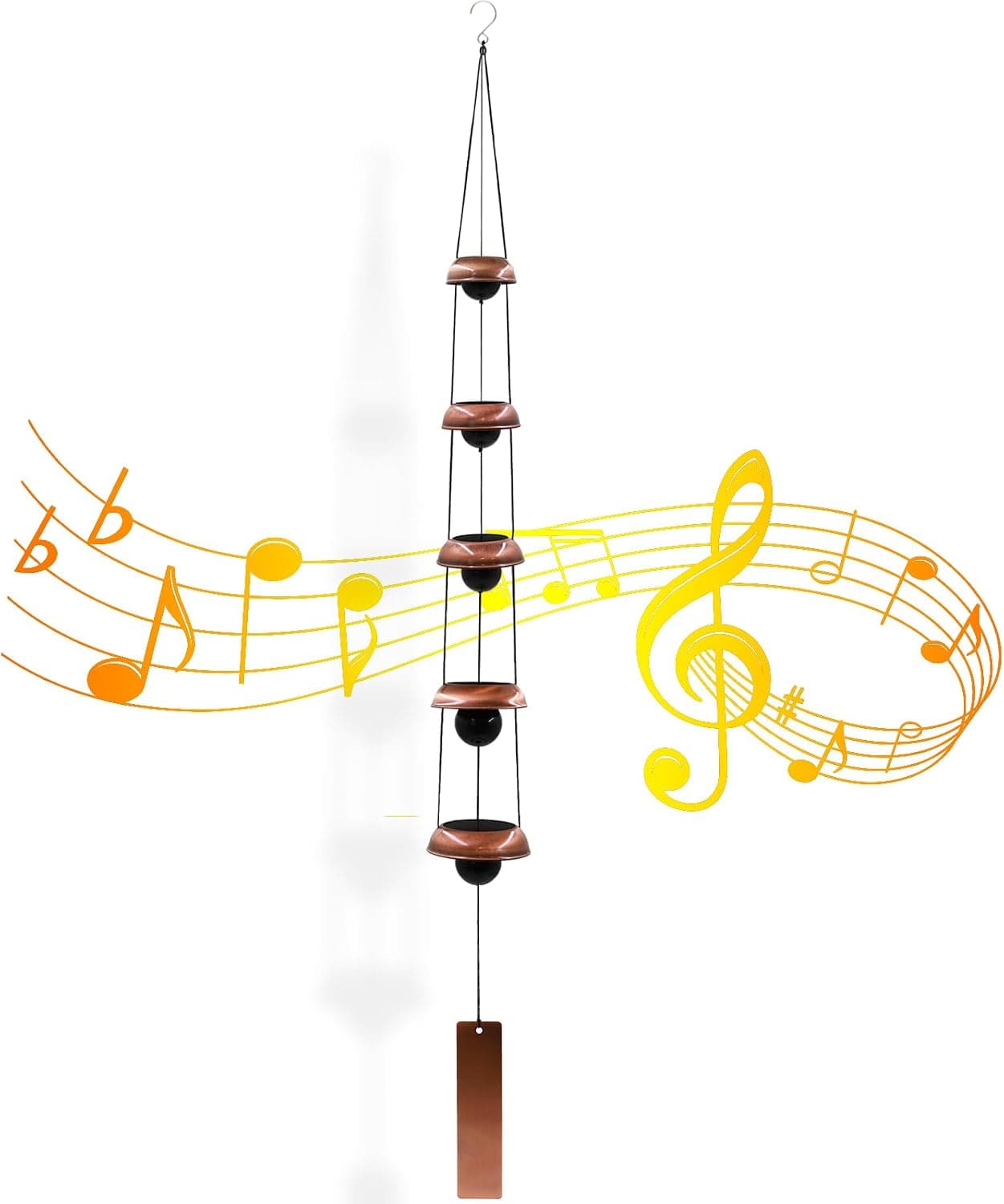 -19%
-19%Wind Chimes for Outside with 5 Bell Unique Copper Musical Chimes Feng Shui Wi...
 -5%
-5%YU FENG Evil Eye Money Tree, Blue Feng Shui Decor with Golden Buddha
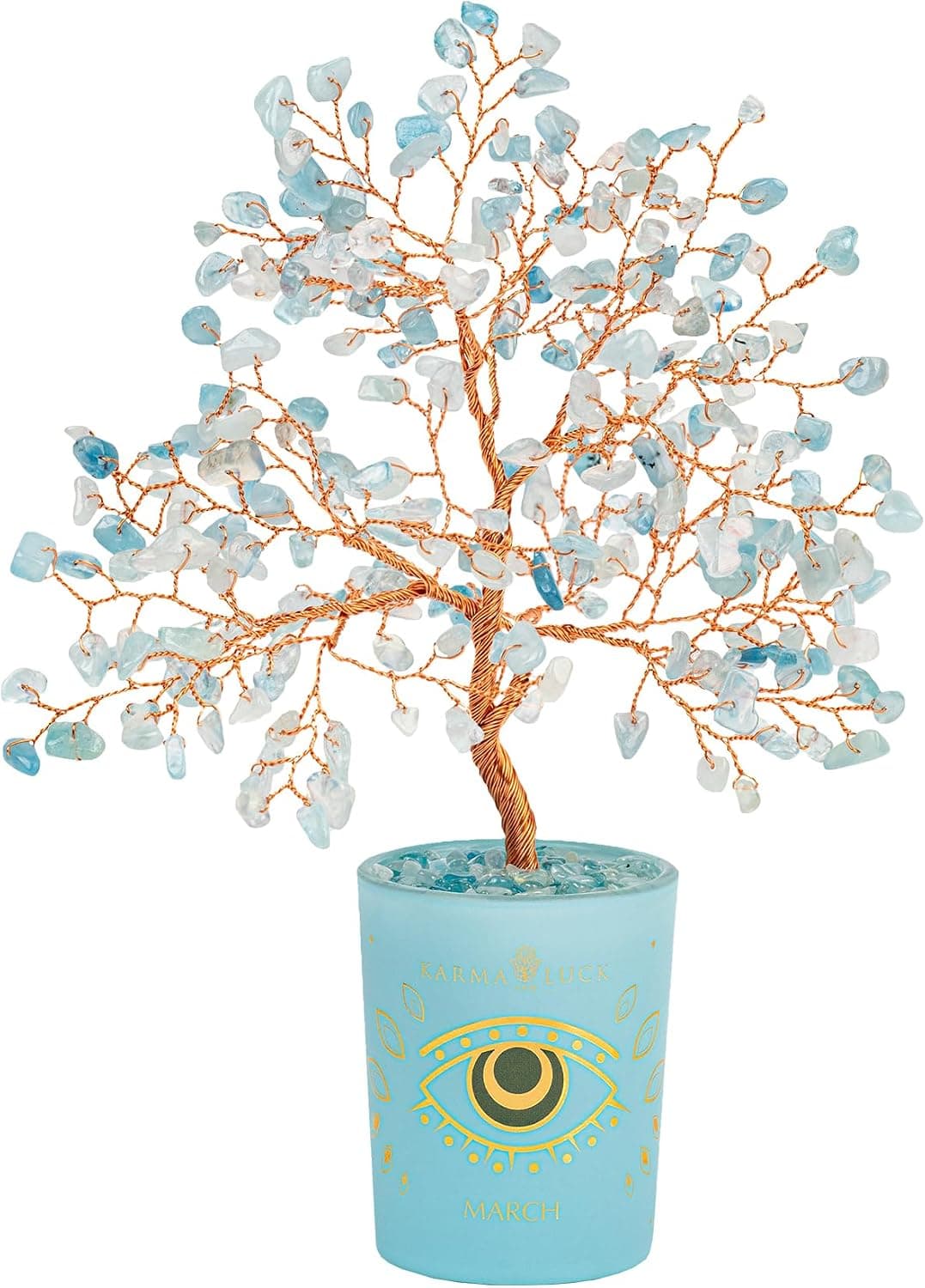 -29%
-29%Karma and Luck March Birthstone Crystal Tree of Life, Aquamarine Gemstone Fen...
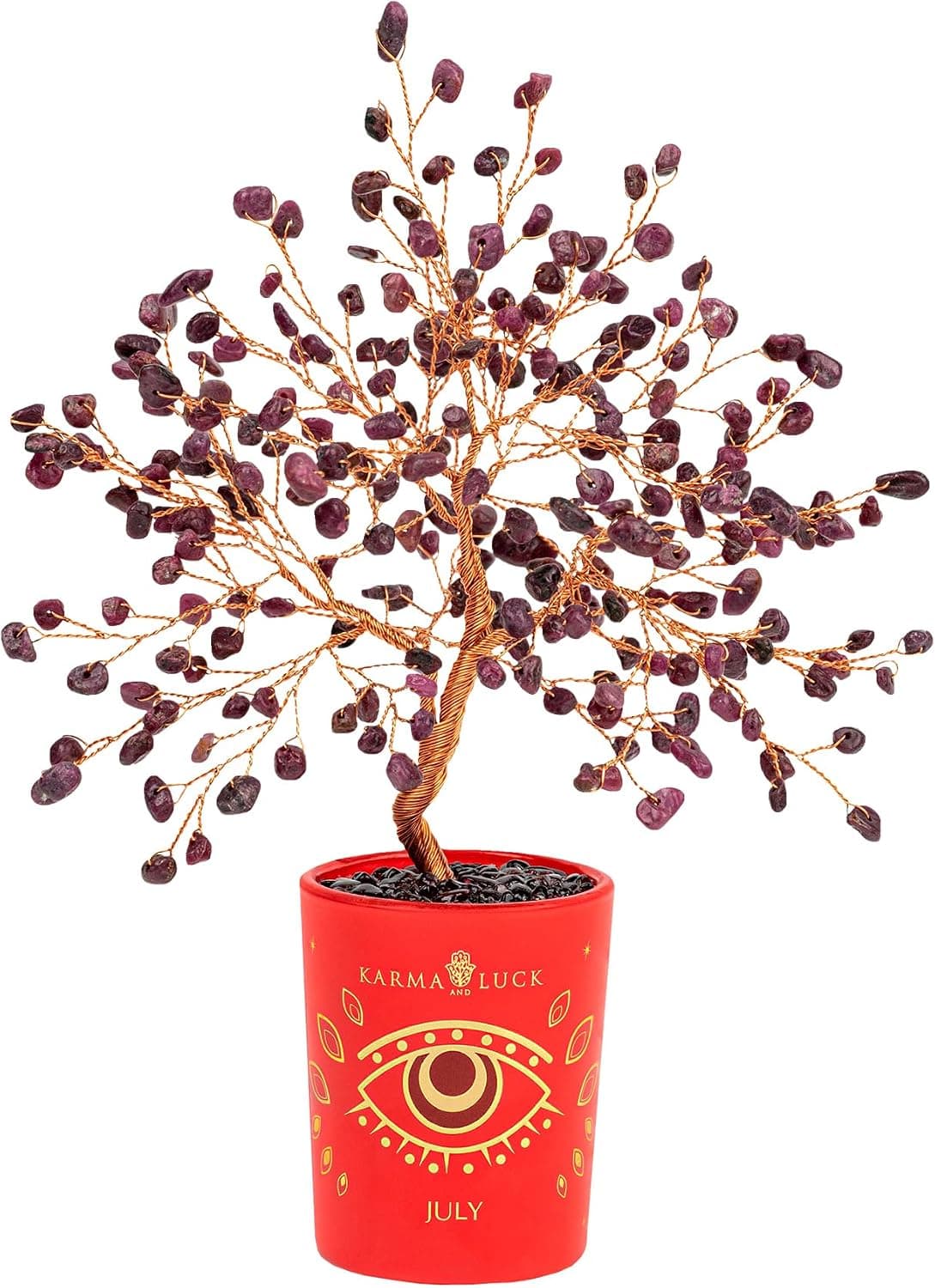 -29%
-29%Karma and Luck July Birthstone Crystal Tree of Life, Ruby Gemstone Feng Shui ...
As an Amazon Associate, we earn from qualifying purchases. We only recommend items our practitioners have personally tested.
Continue Your Journey
Explore these related guides to deepen your understanding:


Ready for Deeper Guidance?
Try our free I Ching reading for personalized wisdom, or explore our curated Feng Shui essentials.