The doorway decides whether a cure reads as calm, blocked, or overdone before you even cross the threshold.
The Hidden Truth About flying-star-feng-shui-2013-cures
People place the remedy in the right sector, use the right color, even copy the right metal object, and still the room feels twitchy. That happens because the first reading is not made from the center of the house. It is made from the doorway, where sight, movement, and attention hit the body before the mind has a chance to rationalize anything.
I saw this in a narrow apartment hallway with a white metal chime hung inside the entry and a brass bowl on a console table. The owner had followed every annual cure she found online. Yet each time she opened the front door, her eyes landed on a dark storage cart, a red umbrella stand, and a mirror aimed straight across the hall. The result was immediate: she rushed past the entrance, dropped her keys in the same bowl every night, and complained that the whole place felt tense. Not mystical. Mechanical.
The common advice stops at placement. That is the error. A remedy can sit in the correct sector and still fail because the doorway sends a different signal: clutter says delay, glare says alert, a blocked line of sight says resistance. This is why the first test should always be visual. Stand at the threshold and ask what the room announces before you look for any star pattern.
And yes, that changes everything. The cure is not only an object; it is the path your eye takes to reach it.
Step One: The Doorway Collects the First Charge
Walk in and notice the first three things you can see without turning your head. That little scan matters because the mind begins organizing the space immediately. If the first view is a chair angled sideways, a shoe pile, and a bright screen, the room tells the body to brace. In classical terms, the qi is not resting; it is sorting, dodging, and deciding where to go.
That is why a room can contain a well-placed cure and still feel wrong. The visible field at the entrance either supports the correction or scrambles it. A glossy red object near the door may feel like a clean fire fix, but in a cramped foyer it often becomes visual noise, especially when it reflects light back toward the face. The eye keeps returning there, and attention leaks out of the intended sector.
In a south-facing living room, I once watched a client place a cure on a side cabinet near the window while the doorway looked directly at a television, a stack of unopened mail, and a black exercise bike. The annual adjustment was technically correct. The experience was not. Every visitor paused at the threshold, and the owner started using the dining table as a dumping ground because she never felt fully inside the room.
That is the mechanism: entrance first, object second, behavior last.
Step Two: Line of Sight Can Overpower the Sector
The line of sight works like a corridor for attention. If it points straight into a harsh object, the eye gets pulled there every time. If it opens to a calm surface, the body arrives more slowly and settles faster. This is why doorway analysis can reveal more than a compass reading when the space is small, segmented, or oddly shaped.
Many people assume the cure should face the room because that sounds decisive. Sometimes it should. Often it should not. If the facing position forces the object to sit in a glare from a lamp or compete with framed art, the cure becomes one more thing demanding attention. Quiet authority beats visual shouting. A small bronze piece on a low shelf three feet to the left of the entry can work better than a taller item centered in the view, because it restores balance without turning the foyer into a display case.
Notice the psychology here. Humans orient to edges and contrasts before they orient to meanings. A sharp black umbrella in a white entry catches the eye faster than an elegant remedy in a cluttered corner. So the cure does not fail on symbolic grounds first. It fails because the visual field keeps dragging the nervous system somewhere else.
That is a harsh lesson for anyone who wants a simple formula. Simplicity is nice. Rooms are not.
Step Three: Movement at the Door Can Undo the Intended Effect
Doorway flow matters because every opening and closing of the door resets the scene. If the front door swings and reveals a mirror, the room produces a snap of reflected motion. If it opens toward a corridor with stacked parcels, the first impulse is to move the parcels, not to absorb the cure. The body follows what it sees fastest.
This is why a lot of annual remedy advice backfires in lived homes. The theory may assume stillness, but homes are full of repeated motion: children dropping backpacks, deliveries leaning against the wall, a cat weaving through the hall, a kettle whistle from the kitchen. A cure that depends on pristine stillness will be overrun within days.
Consider a small entry painted pale gray, with a red doormat inside the door and a metal figurine on a console table one arm's length away. The owner kept saying the object was in the correct corner. Yet the real problem was the route from door to sofa: each step crossed a pile of books and a leaning floor lamp, so the eye never completed a clean arc through the room. She felt as if she were entering an argument every evening. Once the lamp moved, the books left the path, and the figurine could finally do its job.
Simple. Not easy.
Step Four: What Happens When the First View Is Clean
When the threshold view clears, the whole adjustment becomes easier to feel. The body softens because it no longer has to process excess input before it can relax. That does not mean the sector cure becomes magical. It means the cure is no longer competing with a doorway that is shouting over it.
The practical move is to treat the entrance like a camera frame. Remove anything that interrupts the sightline unless it has a clear purpose. Keep the floor visible. Avoid placing a mirror where it bounces the door back at itself. Use color sparingly near the threshold, especially if the room already carries strong fire or metal features. A red vase may look elegant on a console, but near a busy entrance it can make the whole front area feel jumpy.
One more thing: do not trust online advice that ignores the body's first reaction. If you stand in the doorway and immediately feel rushed, the space is telling you something the compass alone cannot. That is where better work begins. It starts with seeing, not believing.
Common Mistakes People Make Before the Cure Fails
The first mistake is treating the remedy like a standalone fix. It feels efficient to buy the object, set it in the sector, and move on. What actually happens is that the doorway keeps sending mixed signals, so the object becomes decorative instead of corrective. The consequence is familiar: restless sleep, forgotten tasks, and a room that never quite invites you in.
Another mistake is ignoring reflective surfaces near the entry. A mirror across from the door can seem helpful because it looks open and bright. In practice, it often bounces attention right back out, which makes the entrance feel unfinished. I have seen people spend weeks adjusting cures while the real issue was a mirror catching the front door and throwing the visual energy into the hall.
Then there is the habit of overloading the threshold with symbols. Coins, crystals, metal charms, plants, and a lucky figure all at once can create a kind of visual traffic jam. The logic feels reasonable: more support, more luck. The result is usually the opposite. The eye cannot rest, so the room never declares a clear intention. If you want a better starting point, study the logic behind threshold problems in wealth areas and notice how often the entrance is the real culprit.
People also place cures behind a half-open door or next to items that constantly move. That sounds harmless until the door keeps blocking the object, or a laundry basket turns the whole area into a storage lane. The cure becomes invisible from the place that matters most: the arrival point. Hidden remedies tend to stay hidden in every sense.
There is a subtler error too. Some homes have such strong doorway activity that a cure must be paired with a clearer approach path, not just a more expensive object. Shoes, packages, pet gear, and umbrellas all count. Leave them in the line of sight, and the annual adjustment gets buried under daily friction. For kitchens, the same issue shows up in sharp tools and visual tension; I break that pattern down in the way knives change a room's mood.
The surprise is not that cures fail. The surprise is how often the failure starts three feet from the door.
How to Test a Cure From the Threshold
Stand outside the entrance and open the door slowly. Look once, not five times. What pulls your eye first? That answer tells you whether the room supports the cure or competes with it. If the first thing you see is a bright screen, a cluttered shoe rack, or a mirror flash, the doorway needs attention before the remedy can do its work.
Then step inside and stop immediately. Do not walk to the center yet. From that pause point, check whether the intended cure is visible without strain. If it is tucked behind a plant, hidden by a chair back, or lit so harshly that it feels performative, adjust it. The correction should read as calm, not as a warning sign dressed up in symbolism.
One quiet adjustment often changes more than a dramatic one: move the object so it sits where the doorway can register it, but not so close that it becomes a barricade. Leave breathing room around it. Give it a clean backdrop. A pale wall, a simple shelf, and a clear approach path can make a modest cure feel much steadier than a crowded display cabinet.
That is why I keep returning to line of sight. It is the bridge between placement and experience. Without it, the theory stays on paper.
FAQ
Is conventional flying-star-feng-shui-2013-cures advice reliable?
Sometimes, but only when the room supports it. A correct sector placement can still misfire if the doorway view is chaotic, because the eye and body register the entrance before they register the cure.
Should I move my cure if the doorway sees clutter first?
Usually, yes. Start by clearing the first visual field, then decide whether the object needs a new position. If the entrance is jammed, even a well-made remedy gets buried under daily attention loss.
Do mirrors near the front door always cause problems?
Not always, but they deserve suspicion. A mirror can open a room visually, yet it can also bounce the door back into the viewer's face and create a restless first impression. The effect depends on what else the doorway shows.
How do I know whether the problem is the cure or the entry?
Stand at the threshold and watch your own reaction. If your body tightens, your eyes dart, or you want to rearrange something before you even enter, the entry is speaking louder than the cure. That reaction is data.
Can a small foyer still support an annual remedy?
Yes, but small spaces punish clutter faster. In a tight entry, every object gets amplified, so a single shoe rack, bright mat, or tilted lamp can change the whole reading. A clean line of sight matters more there than anywhere else.
That last part is the part people miss. The home does not wait patiently for theory. It answers the first thing it sees, and sometimes the front door answers before you do.
Mei Chen
Traditionally informed guidance • Cross-referenced with classical Chinese source texts
Content draws from both Compass (Luopan) and Form (Xingshi) school traditions. Illustrative examples are composites based on consultation experiences.
Practitioner-Selected Tools for This Topic
Items our team has tested and found effective for the principles discussed above. Individual results may vary.
 -19%
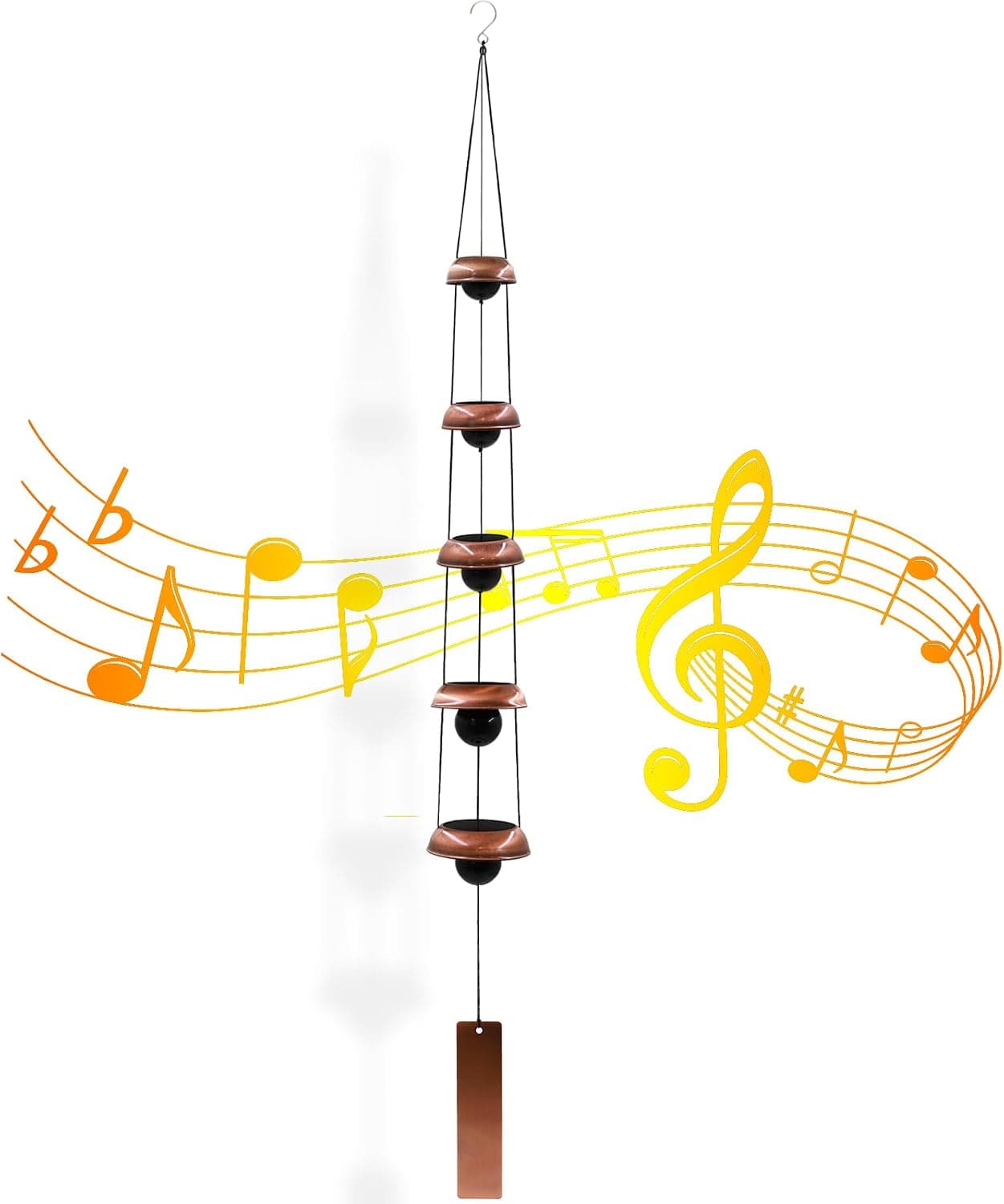
-19%Wind Chimes for Outside with 5 Bell Unique Copper Musical Chimes Feng Shui Wi...
 -5%
-5%YU FENG Evil Eye Money Tree, Blue Feng Shui Decor with Golden Buddha
 -29%
-29%Karma and Luck March Birthstone Crystal Tree of Life, Aquamarine Gemstone Fen...
 -29%
-29%Karma and Luck July Birthstone Crystal Tree of Life, Ruby Gemstone Feng Shui ...
As an Amazon Associate, we earn from qualifying purchases. We only recommend items our practitioners have personally tested.
Continue Your Journey
Explore these related guides to deepen your understanding:


Ready for Deeper Guidance?
Try our free I Ching reading for personalized wisdom, or explore our curated Feng Shui essentials.