The errors that look disciplined in 2026 often trigger sleep loss, money leaks, and friction weeks later.
You did everything right. New crystals, a Bagua map on the wall, and a glossy red ribbon by the front door. Then the sleep broke first. After that came the odd expenses, the petty arguments, and the sense that one room in the house was always slightly too hot.
The house is not being dramatic.
It is reporting imbalance in the only language it has: sleep, money, and temperature.
1. Turning the front door into a spotlight
People pile on plants, red accents, bells, mirrors, and bright lights because they want to activate opportunity. It feels smart: the entry is the mouth of qi, so more energy must mean more luck. In a narrow hallway, though, all that stimulation can do is fling energy inward without settling it.
I walked into a living room last spring in Queens and found a coral runner, a brass wind chime, two citrus trees, and a full-length mirror facing the door. The teacher who lived there loved the look, but her days felt rushed and her nights felt jumpy. Within ten days she was waking at 4:20 a.m. with her heart racing, and her dog started barking at every sound in the hall. The fix was not another object. It was removing noise, lowering the visual temperature, and letting the entry breathe.
If your entrance sits in a sensitive sector, start with the annual cures that match 2026 before you add one more decorative layer.
2. Forcing a lucky direction on the body
Compass apps make people aggressive. They tell themselves that if the desk faces north or the bed faces east, the whole year will lock into place. That feels precise, and precision calms anxious minds.
But the body knows when a room is wrong. An architect I worked with in a glass-walled condo in Chicago turned his desk toward a theoretically favorable direction and spent three weeks rubbing his jaw after every call. He was technically aligned and practically exhausted. A bed or desk that creates strain will cost you focus, patience, and steady income long before it offers any benefit. People love charts because charts look cleaner than real life. Real life is the neck tension, the shallow breath, and the way your thoughts start to splinter halfway through the afternoon.
That is where so many people confuse confidence with correctness.
3. Reusing last year’s cure because it still looks good
People keep the salt-water cure, the red envelope, or the six coins from the previous cycle because the object is intact and the memory of success feels persuasive. It saves money, and it preserves a story: this worked once, so it should work again. That habit is exactly why the old remedy can become a dead object instead of an active adjustment.
The mental habit is the same one many readers carried over from the previous zodiac year: keep the charm, ignore the update. Annual remedies are not museum pieces. If the star pattern changed, the same cure may be neutral at best and wrong at worst. I have seen a hallway with a perfectly polished cure sitting on a side table while the actual wealth sector held broken stationery, an unplugged lamp, and a stack of unopened invoices. The home looked careful. The cash flow did not. When the object becomes more important than the placement, the house stops responding.
Stagnant wealth qi usually starts as procrastination and ends as late fees.
4. Adding fire to the bedroom because fire sounds prosperous
Red bedding, candle clusters, neon signs, and hot-colored art all seem to promise romance and momentum. People see fire as passion and assume more of it will make love stronger. It sounds intuitive, which is why it spreads so easily.
In a south-facing bedroom, that is how you turn rest into agitation. I visited a retired nurse in Phoenix who had burgundy curtains, a scarlet throw, and a pair of amber lamps on both nightstands. She loved the look. She also had the kind of sleep that breaks into fragments at 2:30 a.m., and the smallest comment from her husband started a debate. We cooled the palette, removed the extra lighting, and the room stopped acting like a stage. Within a week, she was sleeping deeper. Within two weeks, the arguments stopped landing with the same force. Fire belongs in some rooms. A bedroom usually is not one of them.
Sleep disruption is often the first bill that fire decor sends.
5. Fixating on metal cures when the house needs element balance
Metal cures are tidy. They look serious, measurable, adult. That is why people overuse them when the real problem is not missing metal but a house that has become too dry, too sharp, or too rigid. The object feels intelligent, so they keep adding it.
A student in Boston had a white desk, silver organizers, a chrome lamp, and three metal figurines lined up like soldiers. She thought she was creating focus. What she created was a room that felt cold by noon and impossible to relax in by evening. Her grades did not improve until we brought in softer textures, better light, and one healthy plant. Balance beats symbolism every time. If your space already feels brittle, more metal will not make it disciplined; it will make it defensive. That shows up as strained conversations, flat creativity, and the sense that money arrives only to be spent somewhere else.
6. Treating clutter as a storage problem instead of a qi problem
People hear declutter and assume the issue is visual. They throw things into bins, shut the door, and call it organized. It feels practical because the floor is clear.
But a blocked hallway, a jammed closet door, or a dead lamp in the corner changes how a room moves. I walked through a family kitchen in Vancouver where the chef had beautiful cookware on display and three broken appliances on the top shelf. He could cook. He could not rest. The room kept signaling unfinished business, and that unfinished signal showed up as sluggish promotions and brittle arguments over money. Every blocked path in a home teaches the body to expect delay. After a while, the delay becomes normal. Then nobody notices that the house has been training everyone to hesitate.
That kind of blockage is louder than any decoration.
What actually works
Start with the room that talks loudest: the entry, the bed, and the desk. Clean the obvious blockage, remove one layer of stimulation, and then apply the annual cure that matches the house rather than the internet. If you want the corrective layer, begin with the annual cures that match 2026; that is the money page logic most people skip when they chase decoration first. The point is not to own more objects. The point is to stop forcing the building to carry a message it was never built to hold. When the correction fits, the room gets quieter before it gets prettier.
Then watch what changes over seven days. If sleep steadies, the room is speaking clearly. If the wallet stops leaking and the arguments cool down, the adjustment landed.
FAQ
Can I still use red in 2026?
A little red can help, but not where you sleep. A small accent in the right sector can sharpen focus, while a whole room of fire colors often pushes restlessness instead of success. I treat red like pepper: useful in small doses, wrong as a base.
Do I need a different remedy for every room?
No, and that is where people waste the most money. Bedrooms, front doors, and offices serve different jobs, so they cannot all carry the same cure. The biggest mistake is copying one remedy across the entire home and hoping symbolism will do the rest.
What if my space already feels unlucky?
Surprisingly, the fastest fix is often subtraction. Start with the obvious leak: clutter, broken items, poor lighting, and a bed or desk that makes the body work too hard. Those are usually the first things the body notices before any chart does.
How fast should a correction work?
If a correction is right, the room usually feels quieter first. Sometimes that happens the same day; other times you need a full sleep cycle or even a week before the house settles. Watch the practical signs: fewer arguments, deeper sleep, and cleaner focus.
David Liu
Traditionally informed guidance • Cross-referenced with classical Chinese source texts
Rooted in classical Chinese metaphysics and cross-referenced with original texts. Product recommendations are based on traditional symbolism, not guaranteed outcomes.
Practitioner-Selected Tools for This Topic
Items our team has tested and found effective for the principles discussed above. Individual results may vary.
 -29%
-29%Karma and Luck March Birthstone Crystal Tree of Life, Aquamarine Gemstone Fen...
 -29%
-29%Karma and Luck July Birthstone Crystal Tree of Life, Ruby Gemstone Feng Shui ...
 -29%
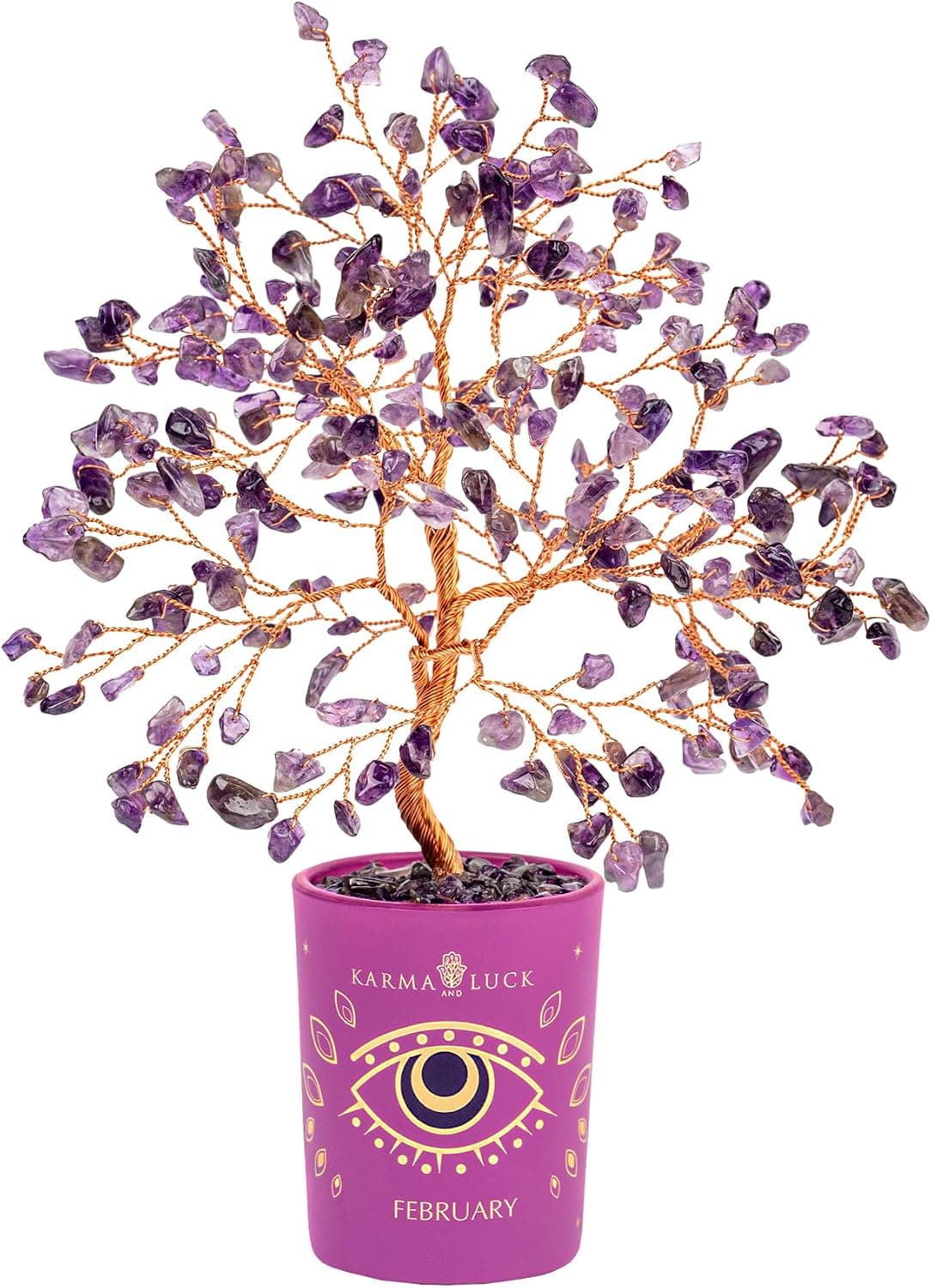
-29%Karma and Luck February Birthstone Crystal Tree of Life, Amethyst Gemstone Fe...
 -50%
-50%biuufish Feng Shui Black Obsidian Bracelet for Men Women, 24K Gold Plated Pix...
As an Amazon Associate, we earn from qualifying purchases. We only recommend items our practitioners have personally tested.
Continue Your Journey
Explore these related guides to deepen your understanding:

Ready for Deeper Guidance?
Try our free I Ching reading for personalized wisdom, or explore our curated Feng Shui essentials.