The wu lou is not just a cure object; it is a cultural symbol that can calm a room—or get badly misunderstood.
A brass gourd on the nightstand
I’ve seen a bedside table with a brass wu lou, two lamps, a bottle of medication, a phone charger, and a glass of water packed into a corner so tight it looked like worry had taken furniture form. The owner expected the gourd to settle the room. Instead, the space felt sharper, not calmer, because the real pressure was coming from glare, noise from the hallway, and a mind that had started treating sleep like a test.
That is where people get confused about symbolic cures in a home. The object matters, but the meaning matters first. If you buy the form without understanding the cultural idea behind it, you may decorate a problem instead of addressing it.
The weird part is that the brass surface did what brass often does: it caught the light. Those muted reflections pulled the eye, so the nightstand became the visual center of the room. That can be useful when the goal is to create a focal point, but it can also make a restless bedroom feel busier than it already is.
And yes, people often call that “feng shui” and stop there. That shortcut is exactly how a lot of experienced users end up disappointed.
What wu lou means before it becomes a cure
Wu lou is the Romanized form usually used for the Chinese word 葫芦, a gourd or calabash. The spelling varies because different systems of transliteration reached English at different times, and many readers never hear the Chinese pronunciation at all. So the first mistake is simple: treating a living cultural symbol like a generic decor item.
The gourd shape matters because it carries layers of association. In Chinese tradition, gourds suggest harvest, containment, abundance, and the ability to hold what is valuable. The rounded upper and lower halves also resemble a vessel, which makes it easy for people to attach ideas of storage, protection, and gathering around the form.
There is also a historical thread that people skip. In folk practice and Daoist imagery, gourds appear with healers, immortals, and medicines, which is why many modern readers connect them to health and longevity. That connection is not random. It grew out of centuries of seeing the gourd as a container of life-sustaining things, not just a pretty shape.
When someone asks for the feng shui wu lou meaning, they usually want a simple answer. Here is the honest one: it is both object and symbol, and the symbol came first. The cure language came later, when modern feng shui began packaging older motifs into clear household applications.
From folklore to the modern shelf
A ceramic wu lou in a family inheritance can be one thing in one home and something else in another. I’ve seen a relative’s cream-glazed gourd sitting on a living room shelf beside books, a pothos, and soft afternoon light, where it read like a quiet cultural ornament. In another house, the same shape was treated like a special-purpose shield, almost as if the object itself had one job and one job only.
That difference matters more than people think. A symbol can be loved for its lineage, displayed for its beauty, or used as a ritual cue. Those are not identical uses, and confusing them leads to bad judgment.
Modern feng shui often collapses all of that into a single promise: put this here and your energy improves. But the older story is richer. The gourd’s power came from association, story, medicine, longevity, and the human habit of reading meaning into form. If you want a deeper cultural frame, the logic is similar to how the right objects are chosen for symbolic support—the object works through what it represents, not only where it sits.
That is why commercial versions can feel hollow. A mass-produced brass piece bought without context may still function psychologically, but it has lost part of its cultural voice. And once that voice is gone, what remains is often just superstition with a receipt.
Where even experienced users misread it
The most common error is to treat the wu lou as universally necessary. It is not. A room does not become healthier because a gourd-shaped object entered it; a room becomes easier to live in when the larger pattern supports rest, clarity, and emotional ease.
Another mistake is using it as a substitute for environmental repair. If the bedroom is hot, noisy, or full of harsh blue light from electronics, the body stays alert. Environmental science is very plain on this point: light, ventilation, thermal stability, and sound all affect how secure a space feels. No symbol can override a room that keeps waking the nervous system.
There is also expectation bias. Once people invest money and hope in a wu lou, they begin noticing every small improvement and linking it to the object. That does not mean the experience is fake. It means the mind is doing what minds do: building a story around a cue that signals care or protection.
Habit plays its part too. Repeated visual exposure turns the object into an anchor. A bedside gourd beside a lamp and medication bottle can say, “I am taking this seriously,” which can reduce anxiety even if the deeper fix was cleaning up light, clutter, and nighttime routines.
That is not magic. It is psychology with a symbolic costume.
Why the room changes how the symbol feels
One of the easiest ways to understand the difference is to compare two placements. On a crowded nightstand, the wu lou can read as a health token surrounded by worry. On a quiet shelf in a living room, paired with natural light, a few books, and a plant, it can read as a calm cultural object that belongs to the house rather than shouting at it.
Warm daylight changes the experience. Rounded forms soften under it. A brass surface can feel less clinical and more alive when it catches sunlight in a gentle way, while a ceramic finish can echo the calm of fruit, seed, and growth. That is part of why curved natural objects feel restorative: the human nervous system tends to respond positively to forms that resemble living systems.
But this is where people overreach. They assume the object creates the calm on its own. Usually, the calm comes from the whole scene: airflow that does not feel stale, a room that is not overloaded with visual noise, and sound levels low enough that the body stops bracing.
If you want to see the point clearly, stand in a quiet corner with soft daylight and almost no mechanical hum. Then place the same gourd there. It feels different because the room is different.
The practical meaning, without the folklore fog
So what should the feng shui wu lou meaning be for a Western reader who wants clarity instead of costume? Think of it as a compact symbol of care, protection, and health intention rooted in Chinese cultural imagery. That is more accurate than calling it a magical object, and more respectful than reducing it to a trinket.
If you use one, treat it as part of a larger pattern. Place it where the room already supports the message you want to send. A calm shelf, a well-lit alcove, or a bedside arrangement that is not overloaded can help the symbol read clearly. If the setting is chaotic, the message gets muddy fast.
That is why people sometimes feel a real shift after adding one. They did not just add an ornament. They changed attention, routine, and emotional framing. Those are powerful levers, and they often explain more than the object itself.
There is a practical test I use in my own assessments: if the room still feels tense after the symbol is in place, look first at light, noise, air, and clutter. Those are the quiet forces that shape daily experience. For help reading other symbolic layers in a home, you may also want to study how a living room tells its own energy story.
Only after that do I ask whether the object is actually appropriate to the family, the tradition, and the room’s purpose.
Reading the symbol with cultural care
A consultant once pointed to a small gourd the client had bought online and said, very simply, “You asked for a remedy. This is a symbol, not a substitute for understanding.” That line lands because it cuts through the fantasy. A remedy without context becomes a prop.
Careful use starts with respect for origin. Wu lou belongs to a Chinese symbolic world shaped by language, medicine, folklore, and household practice. You do not need to be Chinese to appreciate it. You do need to stop flattening it into a one-size-fits-all charm.
The best use is not the most dramatic use. It is the one that fits the room, the person, and the story being told. A family may keep a ceramic gourd because it came from a grandmother; another may choose a brass one because the metal finish suits the space and the intention feels clear. The object is the same shape, but the meaning is never identical.
If you remember only one thing, make it this: the gourd does not replace the room. It reveals what the room is already saying.
FAQ
Is wu lou only about health?
Health is the most common modern association, but it is not the only layer. The symbol also carries ideas of longevity, protection, containment, and auspicious continuity, which is why its meaning changes with context.
Can a wu lou work if I do not believe in feng shui?
Surprisingly, yes in a limited sense. If it helps you feel organized, protected, or more intentional, your attention and habits may shift, and that can change how the room feels. The object is doing symbolic work, not mechanical work.
Should I place one in the bedroom right away?
Only if the room already supports rest. A nightstand packed with lamps, devices, and medication can make the symbol feel like a stress marker instead of a calming cue. Fix the environment first, then decide whether the object still belongs there.
Why do some people treat the same gourd so differently?
Because objects do not carry one universal meaning. A wu lou can be a family heirloom, a decorative form, a folk symbol, or a feng shui cure depending on the story attached to it. The setting and the intention shape the reading.
Mei Chen
Traditionally informed guidance • Cross-referenced with classical Chinese source texts
Content draws from both Compass (Luopan) and Form (Xingshi) school traditions. Illustrative examples are composites based on consultation experiences.
Practitioner-Selected Tools for This Topic
Items our team has tested and found effective for the principles discussed above. Individual results may vary.
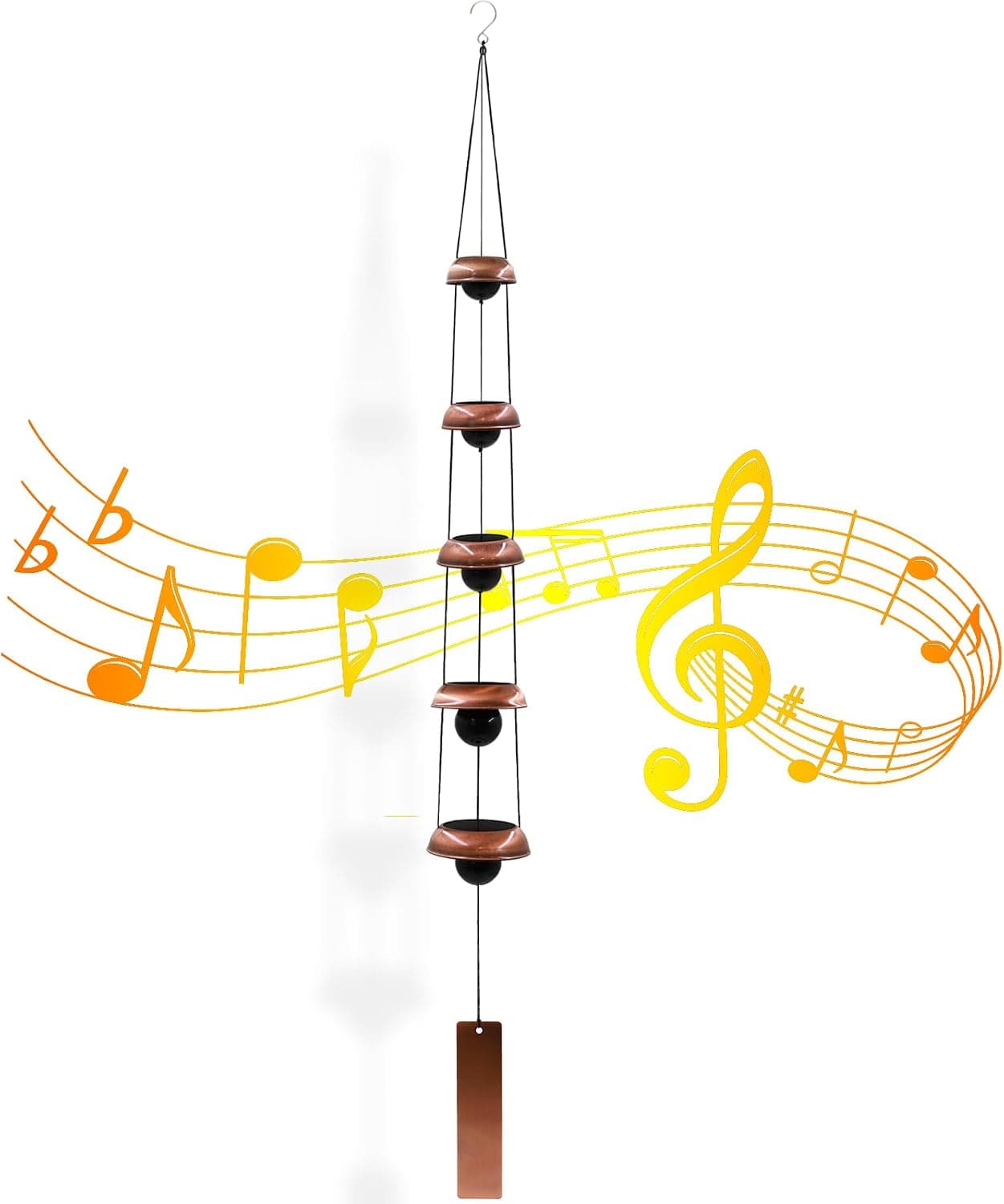 -19%
-19%Wind Chimes for Outside with 5 Bell Unique Copper Musical Chimes Feng Shui Wi...
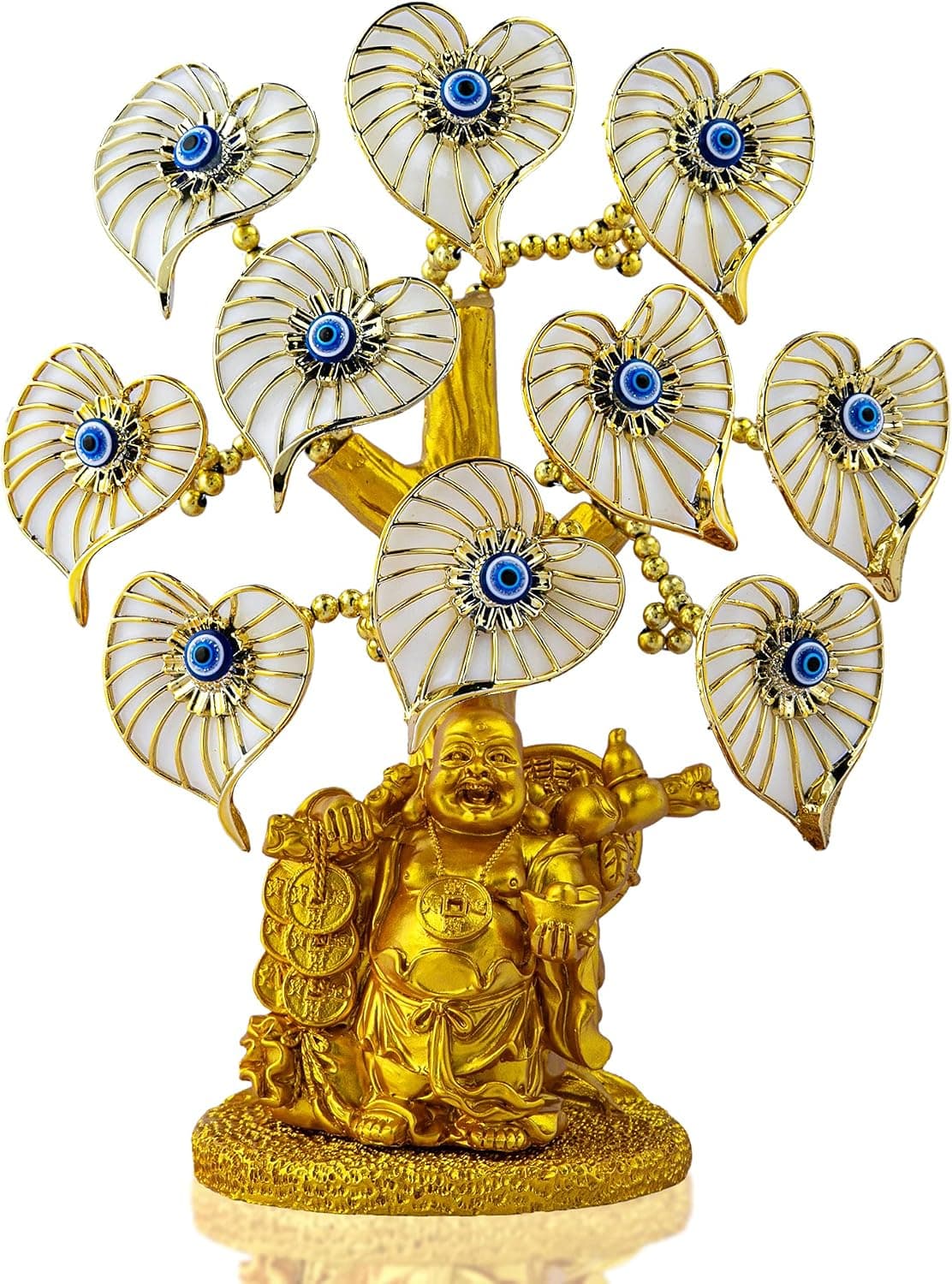 -5%
-5%YU FENG Evil Eye Money Tree, Blue Feng Shui Decor with Golden Buddha
 -29%
-29%Karma and Luck March Birthstone Crystal Tree of Life, Aquamarine Gemstone Fen...
 -29%
-29%Karma and Luck July Birthstone Crystal Tree of Life, Ruby Gemstone Feng Shui ...
As an Amazon Associate, we earn from qualifying purchases. We only recommend items our practitioners have personally tested.
Continue Your Journey
Explore these related guides to deepen your understanding:


Ready for Deeper Guidance?
Try our free I Ching reading for personalized wisdom, or explore our curated Feng Shui essentials.