A west-facing home can feel restless, overheated, and strangely uncooperative unless you work with the direction instead of fighting it.
When the afternoon light turns your house into an oven
By 4 p.m., some west-facing homes feel like they are holding their breath. The hallway is warmer than the rest of the house, the living room gets glare on the TV, and the bedroom seems to stay awake long after you are ready to sleep. I have walked into homes with cream walls, dark wood furniture, and one stubborn brass mirror throwing light straight back into the room, and the owners were shocked that their “beautiful sunset view” was also making them tired, irritable, and oddly ungrounded.
That is the real problem with a west-facing house. It can bring strong closing energy, but if the space is not balanced, that energy becomes noisy instead of supportive. The fix is not to panic, repaint everything white, or hang random charms by the door. It is to understand what the west sector is doing, then soften the excess without draining the good.
That is where practical feng shui west facing house tips matter. Not the decorative kind. The kind that change how the house feels when you walk in after work, how you sleep, and how easily the home settles at night.
What a west-facing home is actually asking for
In classical feng shui, west is linked with the Metal element and the energy of completion, clarity, and enjoyment. That sounds pleasant, and often it is. West-facing homes can feel elegant, social, and refined when they are supported properly. But west also receives the strongest late-day sun, which means Heat can overwhelm Metal, especially if the home already has too much red, orange, or aggressive lighting.
A west-facing house rarely needs more stimulation. It usually needs cooling, structure, and a sense of containment. Think of it as a voice that gets louder in the evening. If you keep adding volume, the whole room becomes harsh. If you lower the echo, the same voice sounds much better.
The first place I look is the front of the house. A west-facing front door that supports good qi matters more than people admit, because entry energy sets the tone for the entire home. If the door area is crowded, overdecorated, or blazing in direct light, the house can feel exposed before you even step inside.
Start by cooling the west side without making it lifeless
Balance begins with the wall, window, or exterior area that takes the strongest western sun. Heavy curtains in linen, cotton, or another natural fabric work better than glossy synthetic drapes. Sheer layers can help in the morning, but the afternoon needs real filtering. If your west window is bare and you are seeing the light hit the floor in a bright gold stripe every day, that is not charming forever. It is excess fire wearing a sunset mask.
Color matters here, but not in a simplistic way. Cool tones like white, soft gray, muted beige, stone, and pale metallic finishes can support the Metal element. I am not suggesting a sterile apartment look. The goal is calm precision. A west-facing home does well when the colors look edited rather than loud.
One client, a nurse named Elena, had a west-facing dining room with terracotta walls, a red runner, and three amber glass lamps. By 6 p.m., the room felt argumentative. We changed the wall color to a warm off-white, swapped the runner for a slate-gray one, and moved the lamps to lower-watt bulbs with softer shades. Within two weeks, she said dinner stopped feeling like a negotiation.
If you want a fast way to think about it, use this rule: add support, not spectacle. A polished metal bowl is usually better than a bright red sculpture. A soft white lamp is usually better than a neon accent. The house should feel composed, not hyped.
Pay attention to the rooms that absorb the west sun most directly
The living room often takes the first hit. If that is your main west-facing space, keep seating slightly away from the hottest window line and anchor the room with stable, grounded pieces. A living room that settles the household energy needs visual balance more than expensive accessories. Symmetry helps. So does leaving some breathing room around the windows instead of crowding the area with tall plants, reflective decor, and bright red cushions all at once.
The bedroom is more delicate. A west-facing bedroom can be lovely in winter, but in summer it may become too active too late in the day. That late heat can make sleep lighter and dreams more intense. If you need more ideas for calm, the details in a bedroom designed for deeper rest are worth studying, because the west-facing issue often shows up as sleep trouble before it shows up anywhere else.
I once worked with a software architect in a west-facing master bedroom painted deep burgundy. He had a black metal bed frame, a mirrored wardrobe, and a wide window with no shade. He told me he kept waking at 3:40 a.m. for months. We changed the bedding to soft stone and charcoal, added lined curtains, removed the mirror from direct view of the bed, and placed a single ceramic lamp on the far side of the room. He slept through the night within a week. Sometimes the “mystery” is not mysterious at all. It is too much reflection, too much heat, too much stimulation.
Use the five elements in a way that actually makes sense
Metal supports west, but that does not mean loading the space with chrome until it looks like a showroom. Use it cleanly. A brushed metal frame, a round mirror placed with intention, or a silver-toned tray can be enough. Round and oval shapes are often kinder here than sharp angles, because they keep the energy moving without cutting it up.
Earth also helps because Earth nourishes Metal. This is where ceramic, stone, clay, sand-colored textiles, and stable furniture come in. If the west side of your home feels scattered, Earth gives it a center of gravity. A heavy wooden cabinet can work too, but avoid making the room feel crowded. The point is steadiness, not bulk.
Fire needs restraint. That can be hard for people who love drama in design, but west-facing homes already get a strong dose of Fire from the evening sun. Too many red accents, pointed decor, or bright warm bulbs can push the space over the edge. If you are using candles, make them occasional, not constant. There is a difference between warmth and overactivation.
Water can be useful when the west side feels too hot, but it should be subtle. A small dark accent, a deep blue cushion, or a calm black frame can cool the visual temperature. I would be careful with actual water features unless the rest of the home is well balanced. Water in the wrong place can create more restlessness, not less.
Make the entry feel supported, not exposed
West-facing homes often struggle when the front area is too open or too bright. If the entry door faces a long sightline straight through the house, energy rushes in and leaves too fast. A console table, a rug, or a low piece of furniture can slow that movement just enough to make the space feel held.
That is also why the bagua matters. If you are not sure how to locate the western area of the home properly, a careful reading of the bagua map will save you from placing cures in the wrong zone. Guessing is expensive. In feng shui, guessing usually looks like buying the right object for the wrong problem.
One common mistake is turning the west-facing area into a display case. People hang shiny art, place five objects on one console, and add a bowl of coins because they heard “metal is good.” Then they wonder why the entry feels busy. West likes refinement. It does not like clutter disguised as intention.
Another mistake is ignoring seasonal change. A west-facing room that feels fine in February can become unbearable in July. Good feng shui changes with the light. That is not inconsistency. That is respect.
If you want to match the house more closely to the yearly energy, check the direction work in the upcoming auspicious directions for 2026. Annual influences can change what feels supportive versus what feels overdone, especially in a home that already receives strong western light.
Practical adjustments that make a real difference
Begin with the windows. Use layered coverings so you can change the mood from morning to evening. Then look at the main colors in the room and remove one or two aggressive tones before adding anything new. If you have a red rug, red art, and red pillows in the same west-facing room, you are probably feeding the problem rather than solving it.
Next, simplify the furniture arrangement. West-facing homes do better when the main seating or bed has a sense of support behind it. Solid backing matters. So does a clear line of sight to the door without being directly in the path of it. People often think feng shui is about objects. It is more often about position.
If the west side of your home is also the place where you keep your work area, keep the desk tidy and avoid metal clutter that feels sharp or jangly. A single closed tray, a proper lamp, and one meaningful object are better than a dozen accessories. If you like crystals, choose them deliberately and keep them modest; a careful crystal selection for balance can support the room, but it will not rescue a bad layout.
And please do not copy someone else’s “cure” just because it looked good online. A west-facing apartment in a rainy climate needs something different from a west-facing suburban home with huge windows and dark hardwood floors. The method is the same, but the application changes. Good feng shui listens first.
Two mistakes I see again and again
The first is overcorrecting. People feel the western sun and immediately strip the room of personality. That is not balance. That is fear in interior design form. The house should feel calm, not deprived.
The second is treating the west like a problem zone and forgetting that it can also be a beautiful, social, high-clarity area. If you balance it properly, this direction can support gatherings, closure, creativity, and a satisfying sense that life is moving toward completion instead of spinning in circles.
Another point worth saying plainly: if you have been trying random fixes and nothing changes, the issue may be the room’s structure, not the objects in it. In that case, a broader review of layout, light, and annual influences will outperform any single cure.
For homes that need a lighter hand, especially rentals or spaces you cannot renovate, some of the thinking from feng shui for renters without renovations can be adapted easily. You do not need permission to shift light, texture, and arrangement. Those changes matter more than people expect.
FAQ
Are west-facing houses bad in feng shui?
No, and that is the first belief I like to challenge. A west-facing house is not “bad”; it simply needs more careful balancing because it receives strong late-day energy. Once the heat, color, and layout are adjusted, many west-facing homes feel elegant and very settled.
What colors work best in a west-facing room?
Soft neutrals, stone tones, white, gray, muted beige, and gentle metallics usually work well. The room may also benefit from small touches of cool blue or charcoal if the space runs hot. I would avoid using too much red, orange, or glossy gold in the main west-facing area.
Can I use mirrors in a west-facing home?
You can, but placement matters more than the mirror itself. A mirror that bounces harsh afternoon light across the room can make the space feel frantic. A mirror used to expand a darker corner or reflect something calm can be perfectly fine.
What is the quickest improvement I can make?
Window treatment. That is usually the fastest win. Once you soften the western light, the room’s temperature, mood, and sleep quality often improve almost immediately.
Good feng shui is rarely dramatic. It is usually precise. And in a west-facing house, precision is what turns that strong evening light from a problem into an asset.
Mei Chen
Traditionally informed guidance • Cross-referenced with classical Chinese source texts
Content draws from both Compass (Luopan) and Form (Xingshi) school traditions. Illustrative examples are composites based on consultation experiences.
Practitioner-Selected Tools for This Topic
Items our team has tested and found effective for the principles discussed above. Individual results may vary.
 -19%
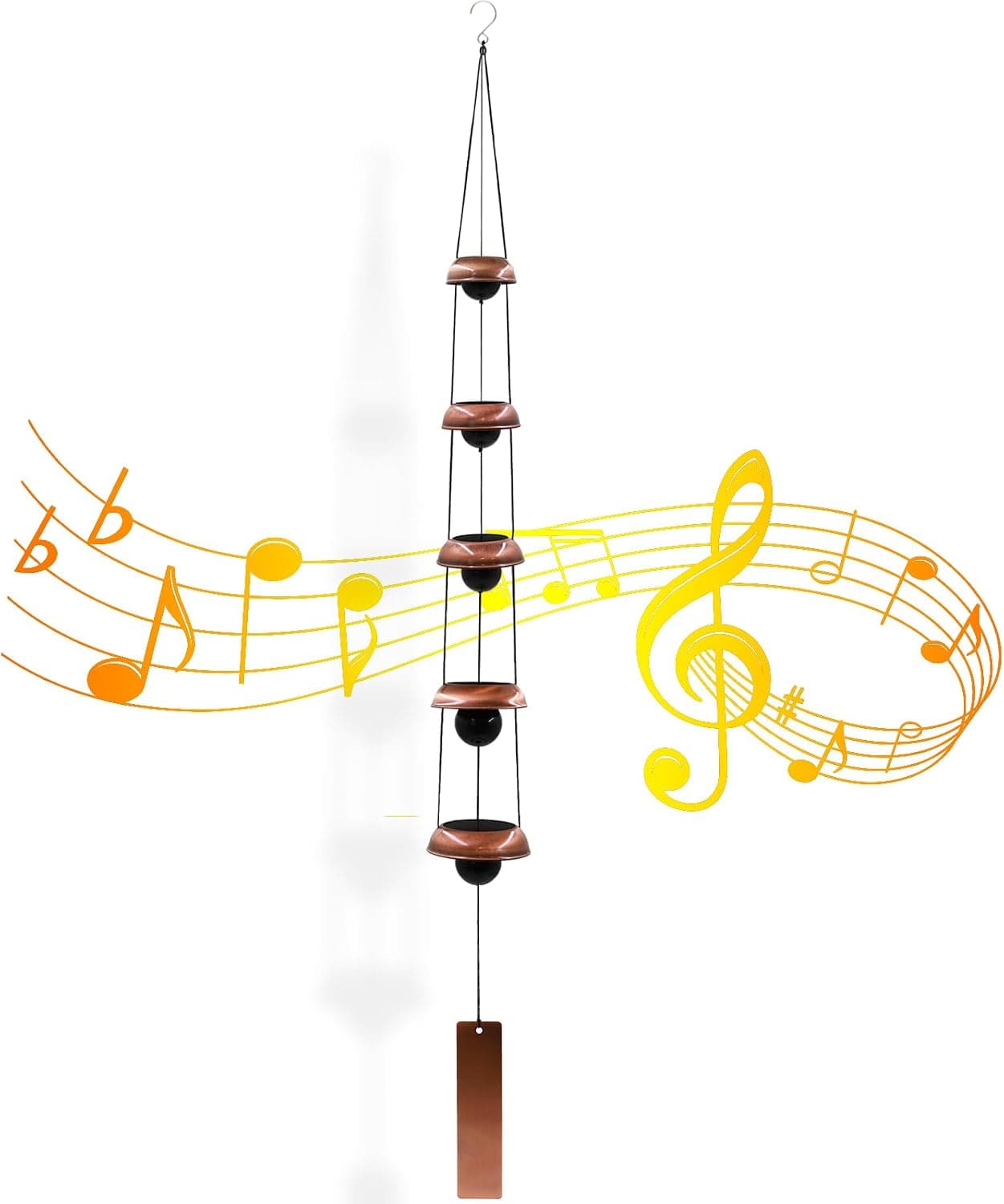
-19%Wind Chimes for Outside with 5 Bell Unique Copper Musical Chimes Feng Shui Wi...
 -5%
-5%YU FENG Evil Eye Money Tree, Blue Feng Shui Decor with Golden Buddha
 -29%
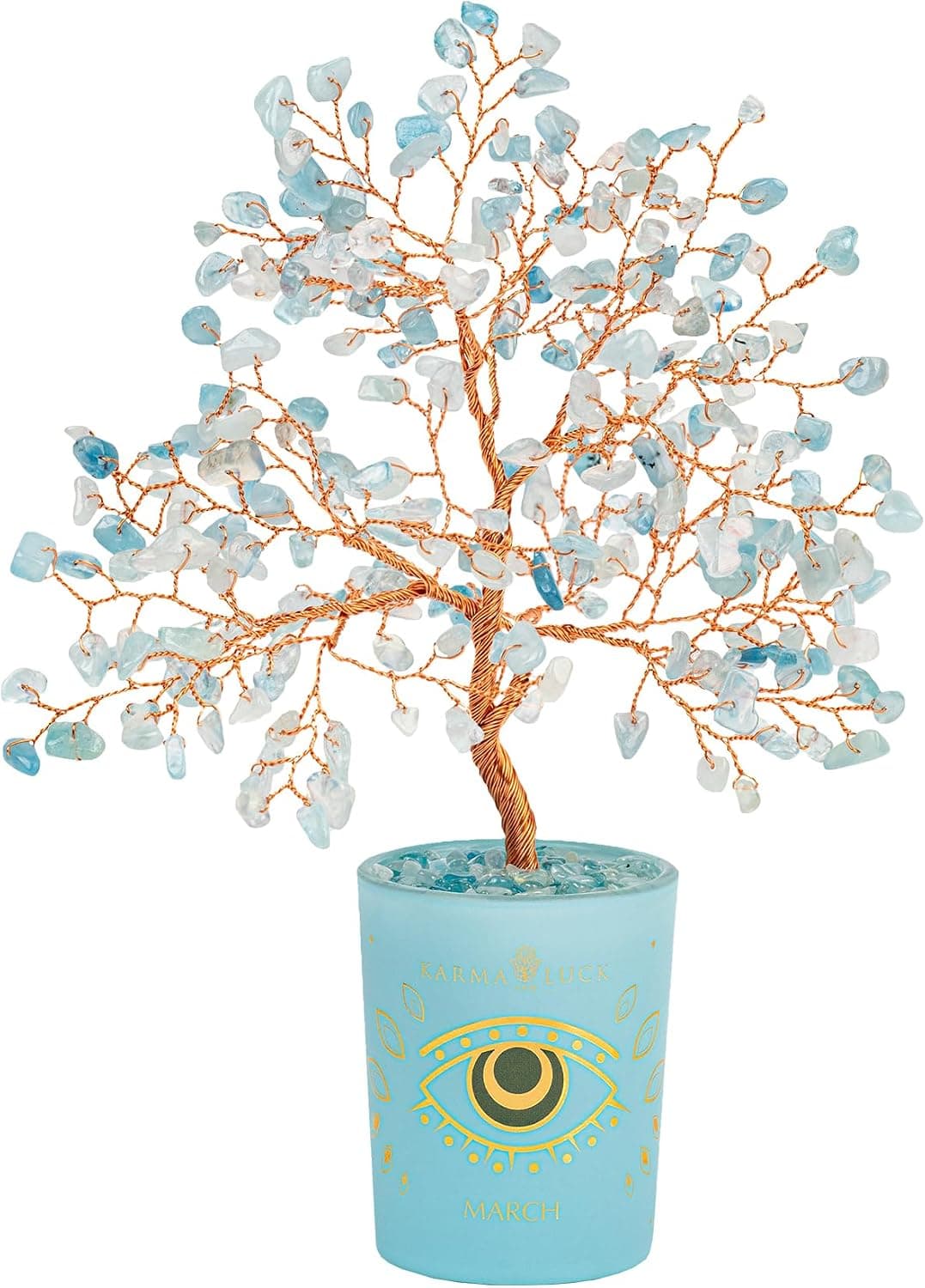
-29%Karma and Luck March Birthstone Crystal Tree of Life, Aquamarine Gemstone Fen...
 -29%
-29%Karma and Luck July Birthstone Crystal Tree of Life, Ruby Gemstone Feng Shui ...
As an Amazon Associate, we earn from qualifying purchases. We only recommend items our practitioners have personally tested.
Continue Your Journey
Explore these related guides to deepen your understanding:


Ready for Deeper Guidance?
Try our free I Ching reading for personalized wisdom, or explore our curated Feng Shui essentials.