If the plant in your wealth corner keeps sulking, the problem is usually placement, not the plant.
{"title":"Something About Wealth Corner Plants Doesn’t Add Up","excerpt":"A lush plant in the wealth corner can backfire if the rest of the room is sending the wrong message.","content":"
The Hidden Truth About wealth corner plants feng shui
Something about wealth corner plants feng shui doesn’t add up. People place a money tree by the southeast wall, water it carefully, and then wonder why the room still feels thin, restless, or oddly unfinished.
I’ve seen that scene more than once. In one small dining room, a jade plant sat three feet from a south-facing window in a green ceramic pot, right beside a stack of unopened bills and a dead lamp bulb on the sideboard; the owner kept saying the plant was “doing the work,” yet she avoided that corner and never ate there. The room looked decorated. It did not feel fed.
That’s the first correction. Plants do not rescue a bad money corner by themselves. They amplify whatever is already there, which is why a thriving pothos can sometimes make the wrong setup feel even more obvious.
So the question is not “Which plant attracts wealth?” It’s “What condition is the corner broadcasting before the plant even arrives?”
For a deeper map of where that corner sits in the first place, see the wealth corner layout used by practitioners, and if your home is a tricky shape, the bagua map for uneven floor plans will save you from guessing.
Short version: healthy leaves help, but a corner with clutter, broken objects, or awkward traffic can swallow the effect. The plant becomes decoration instead of a signal.
Still, the myth survives because it feels logical. Green suggests growth. Upright stems suggest stability. A living thing in the far corner seems better than an empty one. Fine. But feng shui reads the whole scene, not one symbol cut out of context.
Here’s where people slip: they confuse symbol with mechanism. A plant near the wealth area can support a sense of expansion, but only if the space around it lets energy gather instead of leaking out through bad placement, stale air, or visual noise.
That is why some homes get a gentle lift from a fern, while others get nothing but another object to dust.
Why the usual advice breaks down
The common advice sounds tidy: put a lush plant in the southeast corner and leave it there. The logic looks clean on paper. Wood nourishes growth, and plants are Wood, so the corner should bloom. Except real rooms are not paper diagrams.
A wealth corner beside the kitchen trash bin behaves differently from one beside a calm reading chair. A plant under a glaring can light feels different from one receiving soft morning sun. Even the pot matters: black plastic looks temporary; a heavy ceramic vessel grounds the corner and makes it feel settled.
What failed in that dining room was not the plant species. It was the environment. The bills created mental pressure. The broken bulb made the whole area feel postponed. The owner kept walking past without stopping, so the corner had no chance to become a place of pause and attention.
That is the real mechanism. Wealth energy does not like being treated as an afterthought. It responds to care, containment, and repeat visits.
Notice how this differs from simple decorating advice. You are not trying to make the corner prettier. You are trying to make it feel worth returning to. That feeling changes behavior, and behavior changes money patterns in very ordinary ways: you notice invoices sooner, you stop losing receipts, you begin using the space instead of drifting past it.
For a related example of how one object can distort a whole room, the article on threshold problems behind wealth-corner mistakes shows why entrances and corners often fail together.
Oddly enough, people often place a plant where they hope money will grow, then leave no room for movement around it. Crowding kills the effect. So does neglect. A leaf with dust on it does not announce abundance; it announces a task you keep postponing.
And yes, some plants are simply wrong for the role. A brittle cactus in a cramped corner may look stylish, but it creates a guarded feeling. That mood is not generous. It says “keep out.”
Better choices are usually soft, full, and easy to maintain. A rounded jade plant, a healthy pothos, or a peace lily can work when the corner itself is calm. Still, the plant is only one part of the scene. Light, airflow, and the objects beside it decide whether the corner feels alive or merely staged.
One sentence can save you hours: do not force a plant to compensate for a neglected corner.
What actually makes a wealth corner feel workable
Start with the floor under the plant. If it’s dusty, cracked, or crowded by a laundry basket, the corner tells a blunt story: “Nothing is settled here.” Move the basket. Clear the dust. Then give the plant space to breathe, ideally with a clean surface or tray underneath so the eye lands on intention instead of mess.
Next, check what the plant is facing. A money corner that stares at a wall of storage boxes feels pinched. Turn the composition so the leaves open toward the room, not into a blind pocket. The difference is subtle in photos and obvious in the body; you sit down faster, breathe deeper, and stop scanning for what needs fixing.
Lighting matters too. Harsh overhead light can make the corner feel interrogated. Natural side light, or a soft lamp with a warm bulb, gives the area a quieter, held quality. I’ve watched that shift change a room within a day: the same plant, same shelf, different mood.
Don’t ignore the container. A chipped pot introduces a narrative of wear. A container that fits the plant’s scale says continuity. Too small and the plant looks squeezed; too large and it can feel stranded. Either way, the corner loses coherence.
Then comes maintenance. Water on a schedule. Leaves wiped. Old growth trimmed. None of this is mystical. A corner you touch weekly becomes a corner you remember. And what gets remembered usually gets funded.
That is why the right plant is often the one you can actually keep healthy. Feng shui punishes fantasy more than most people want to admit. A rare specimen that drops leaves every week is not auspicious; it’s a recurring problem with a botanical label.
For the object-side of this equation, the coin placements that make money feel managed, not chaotic pair well with a plant when you want the corner to feel organized instead of scattered.
Use restraint. One strong plant is usually better than three weak ones. Too many pots turn the corner into a plant shelf, and the message becomes clutter again. The room should feel intentional, not busy.
And don’t place it where every draft slams into it. Leaves that whip around a hallway turn the money corner into a traffic zone. Wealth likes support, not turbulence.
Signs the plant is helping, and signs it is not
A helpful corner has a small but noticeable shift in behavior. You stop dumping mail there. You stand near it without feeling pushed away. The plant looks easy to keep alive, and you actually water it on time because the space invites attention.
A bad setup does the opposite. The pot becomes a catchall for receipts, the leaves droop, and you start resenting the corner. Then comes the familiar chain: avoid the area, forget the task, let the clutter build, then wonder why money feels slippery.
In one home office, I remember a glossy red planter in the southeast corner beneath a shelf of unopened tax folders. The owner had added a gold charm and a crystal bowl, thinking more symbols would mean more luck. Instead, the chair never got used, the printer jammed for weeks, and the whole area developed a tense, unfinished look. We removed two objects, raised the plant onto a stand, and put the paperwork in a closed file cabinet. The shift was immediate: the corner stopped feeling like a problem and started functioning like part of the room.
That is the point many people miss. The plant was never the enemy. The corner was overloaded with competing signals.
Surprise: sometimes the best correction is to remove a plant rather than add one. If the corner is dark, cramped, or already crowded with storage, a plant can become one more thing struggling for attention. Empty space, handled well, can read as dignity instead of absence.
If the room has a difficult layout, the L-shaped apartment problem that quietly breaks feng shui may explain why the wealth corner never settles no matter how polished the pot looks.
What about fake plants? They can help visually, but they do not bring the same living responsiveness. In a low-maintenance office, a realistic silk plant may soften an awkward corner. In a room where you want growth, presence, and a little daily engagement, living leaves do a better job because they ask for participation.
One more thing: if the plant is healthy but you still feel resistance near the corner, check what else is there. Mirrors, knives in an adjacent kitchen line, or a broken frame nearby can all influence the mood. A single plant cannot outvote a room full of mixed messages.
How to place the plant without turning the corner into decor theater
Put the plant where it can be seen from the room’s main seating area, not hidden behind a chair back or tucked where no one looks. Wealth symbols work harder when they are noticed. A corner that disappears from view rarely becomes part of daily life.
Keep it a little off the wall if airflow is poor. Two or three inches can make maintenance easier and stop moisture from collecting behind the pot. That tiny gap also makes the plant look chosen rather than shoved.
Choose a pot that matches the room’s tone. In a calm study, stone or ceramic often feels steadier than bright plastic. In a light, airy breakfast nook, a pale glazed container can soften the edge without shouting.
Some readers want a rule for every plant. I don’t blame them. Rules feel safe. Still, the room decides more than the catalog does. A money tree in the wrong corner is just a plant in the wrong corner.
Try this sequence: clear the corner, place the plant, leave one supporting object, remove the rest. A small brass bowl, one closed book, or a simple lamp can help the arrangement feel composed. Then stop. The temptation to keep “improving” the area is often what makes it look anxious.
If the house already has too much heat, work from the plant side instead of adding more fire-colored objects. That concern is explored more fully in five elements theory and why good feng shui still feels wrong, because not every money problem wants the same cure.
One practical test: sit in the room for five minutes and look at the corner without touching your phone. Do your shoulders drop? Do you feel like staying? If not, the arrangement is performing for the eye but not for the nervous system.
That test exposes a lot. A corner that feels settled usually supports settled behavior. A corner that feels fussy tends to attract postponement, and postponement is expensive in ways people rarely connect to interior design.
For smaller homes, the deeper issue may be scale rather than symbolism. A plant that suits a large living room can overwhelm a narrow apartment hall. In those cases, modesty wins. A compact jade or a single stem arrangement often does more than a dramatic specimen fighting for elbow room.
And if you want the broader framework behind all of this, keep the wealth corner map close. It gives the context that plant advice alone leaves out.
FAQ
Is conventional wealth corner plants feng shui advice reliable?
Often no, not by itself. The advice usually leaves out the room’s condition, so people add a plant to a corner that is already cluttered, underlit, or awkward to approach. A plant can support the area, but it cannot override a corner that keeps saying “do not linger here.”
Which plant works best in the wealth corner?
A healthy jade plant is a safe choice, and many people also do well with pothos or a peace lily. The better question is whether you can keep it alive in that exact spot, with the light and airflow the room actually offers. A plant that thrives beats a “lucky” species that struggles.
Can I use a fake plant if my corner gets no sun?
Surprisingly, yes—if the alternative is a dead or collapsing real plant. A good-quality silk plant can keep the corner visually calm, especially in a low-light apartment. It won’t carry the same living signal, but it is better than a plant that becomes a weekly reminder of neglect.
How do I know the corner is helping money energy instead of just looking nice?
Watch your behavior. Do you stop using the area as storage? Do you notice paperwork sooner, keep the plant alive, or feel less resistance when you sit nearby? Those are the kinds of shifts that tell you the corner is starting to function, not just decorate.
Should I add coins, crystals, or a water feature with the plant?
Only if the corner is already stable. Extra cures can help, but they can also turn a simple arrangement into clutter with a philosophy degree. Start with the plant, the light, the container, and the cleanliness of the space; then decide whether anything else earns a place there.
What if my wealth corner is in the kitchen or near the laundry?
Then you work with constraints, not fantasies. Keep the area cleaner than the rest of the room, choose a plant that can tolerate the environment, and avoid anything that makes the corner feel like a storage afterthought. A difficult location can still be improved, but it asks for discipline rather than symbols stacked on symbols.
The strange part is how often the fix looks boring from across the room: one healthy plant, one clean surface, one corner that finally gets used. On quiet evenings, that single pot can cast a small shadow across the floor, and the corner seems to wait for something—mail, maybe, or a hand reaching in to water it.
","meta_title":"Wealth Corner Plants That Actually Work | The IChingWisdom","meta_description":"wealth corner plants feng shui explained without the fluff: why some setups fail, what really works, and how to place them well.","keywords":["wealth corner plants feng shui","wealth corner plants","feng shui money corner","feng shui plants"],"schema_json":{"faq":[{"question":"Is conventional wealth corner plants feng shui advice reliable?","answer":"Often no, not by itself. The usual advice ignores the room’s condition, so people add a plant to a corner that is already cluttered, underlit, or hard to approach. A plant can support the area, but it cannot override a corner that keeps saying “do not linger here.”"},{"question":"Which plant works best in the wealth corner?","answer":"A healthy jade plant is a safe choice, and many people also do well with pothos or a peace lily. The better question is whether you can keep it alive in that exact spot, with the light and airflow the room actually offers. A plant that thrives beats a “lucky” species that struggles."},{"question":"Can I use a fake plant if my corner gets no sun?","answer":"Surprisingly, yes—if the alternative is a dead or collapsing real plant. A good-quality silk plant can keep the corner visually calm, especially in a low-light apartment. It won’t carry the same living signal, but it is better than a plant that becomes a weekly reminder of neglect."},{"question":"How do I know the corner is helping money energy instead of just looking nice?","answer":"Watch your behavior. Do you stop using the area as storage? Do you notice paperwork sooner, keep the plant alive, or feel less resistance when you sit nearby? Those are the kinds of shifts that tell you the corner is starting to function, not just decorate."}]},"amazon_products":[]}Mei Chen
Traditionally informed guidance • Cross-referenced with classical Chinese source texts
Content draws from both Compass (Luopan) and Form (Xingshi) school traditions. Illustrative examples are composites based on consultation experiences.
Practitioner-Selected Tools for This Topic
Items our team has tested and found effective for the principles discussed above. Individual results may vary.
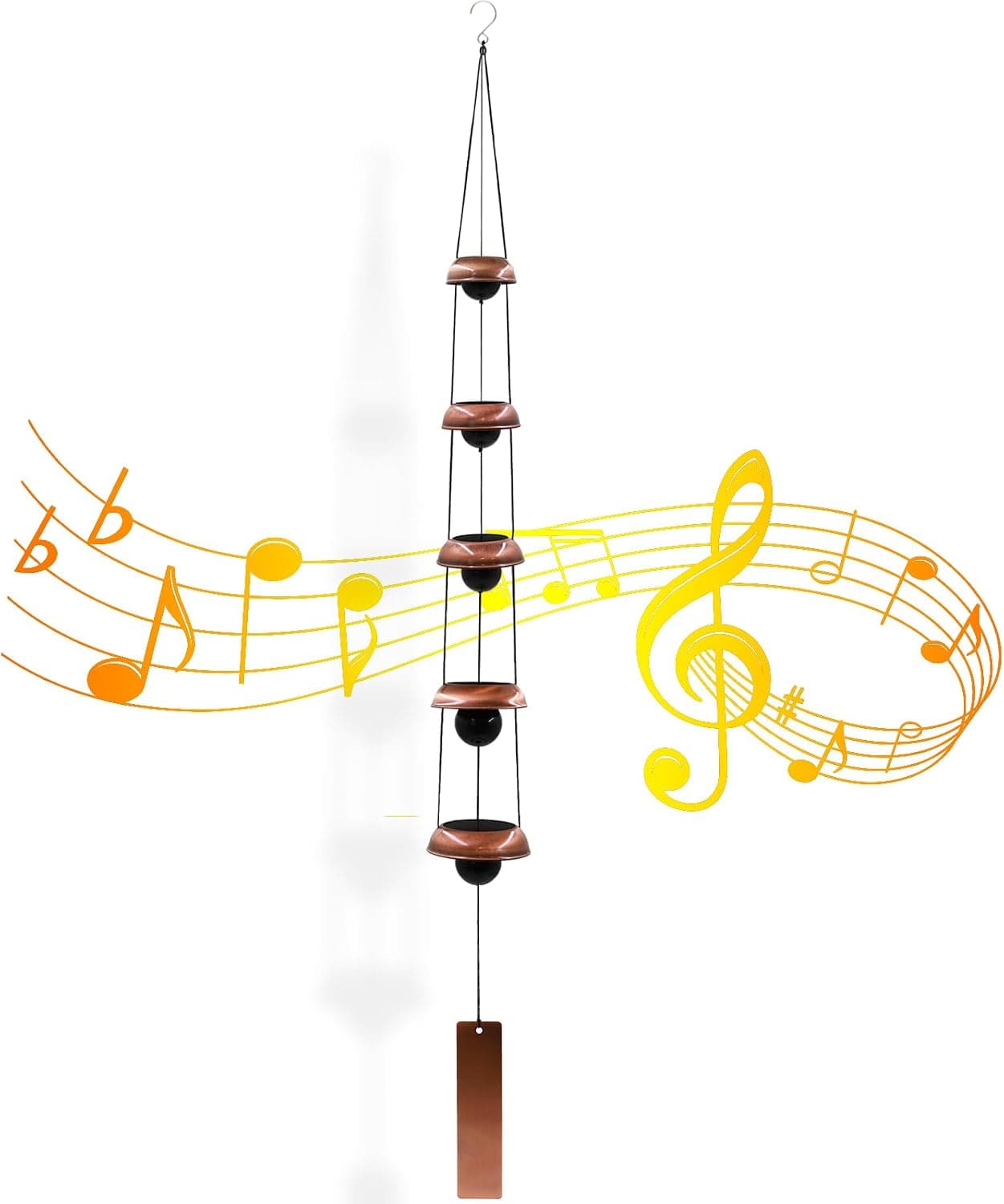 -19%
-19%Wind Chimes for Outside with 5 Bell Unique Copper Musical Chimes Feng Shui Wi...
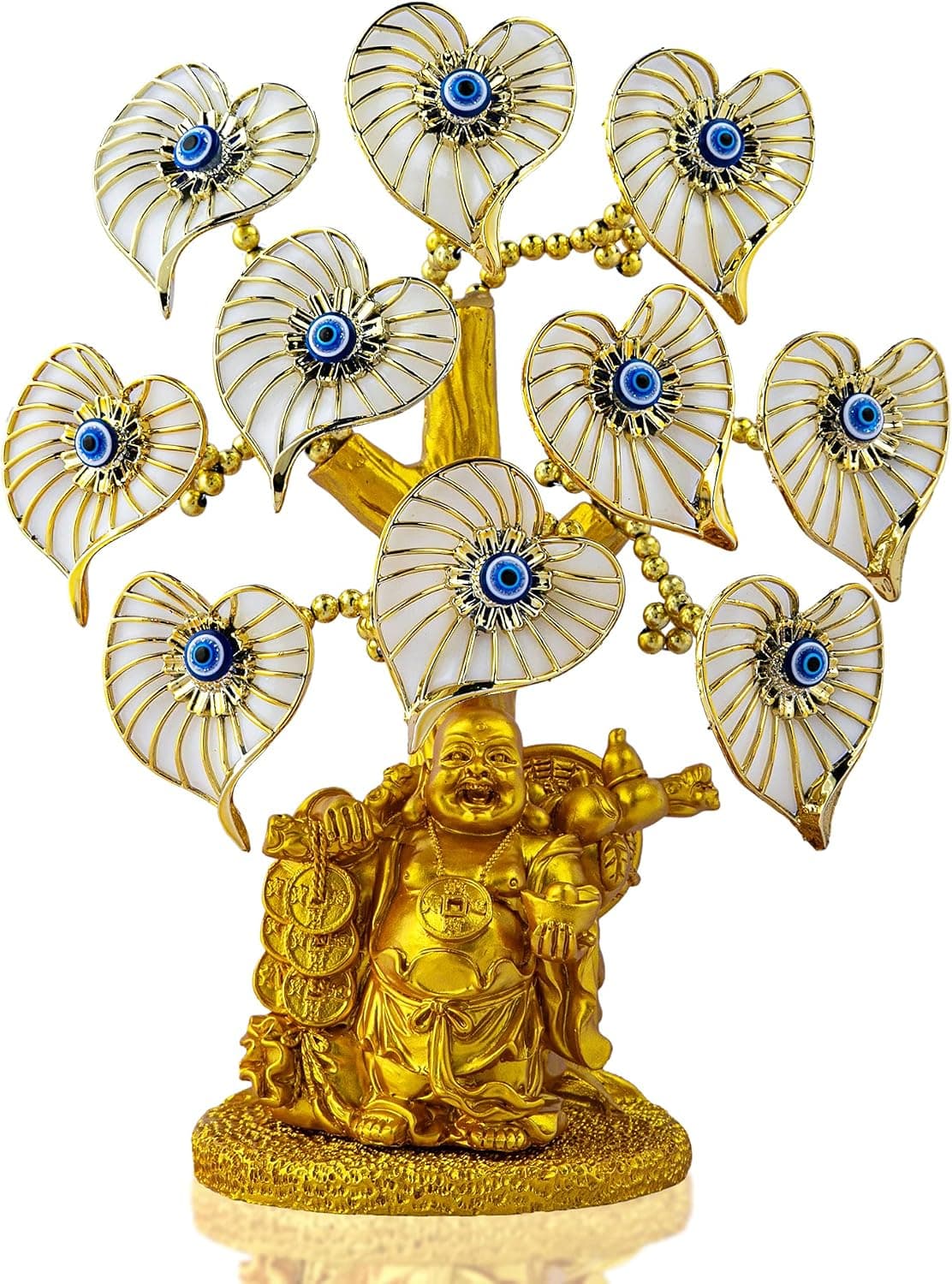 -5%
-5%YU FENG Evil Eye Money Tree, Blue Feng Shui Decor with Golden Buddha
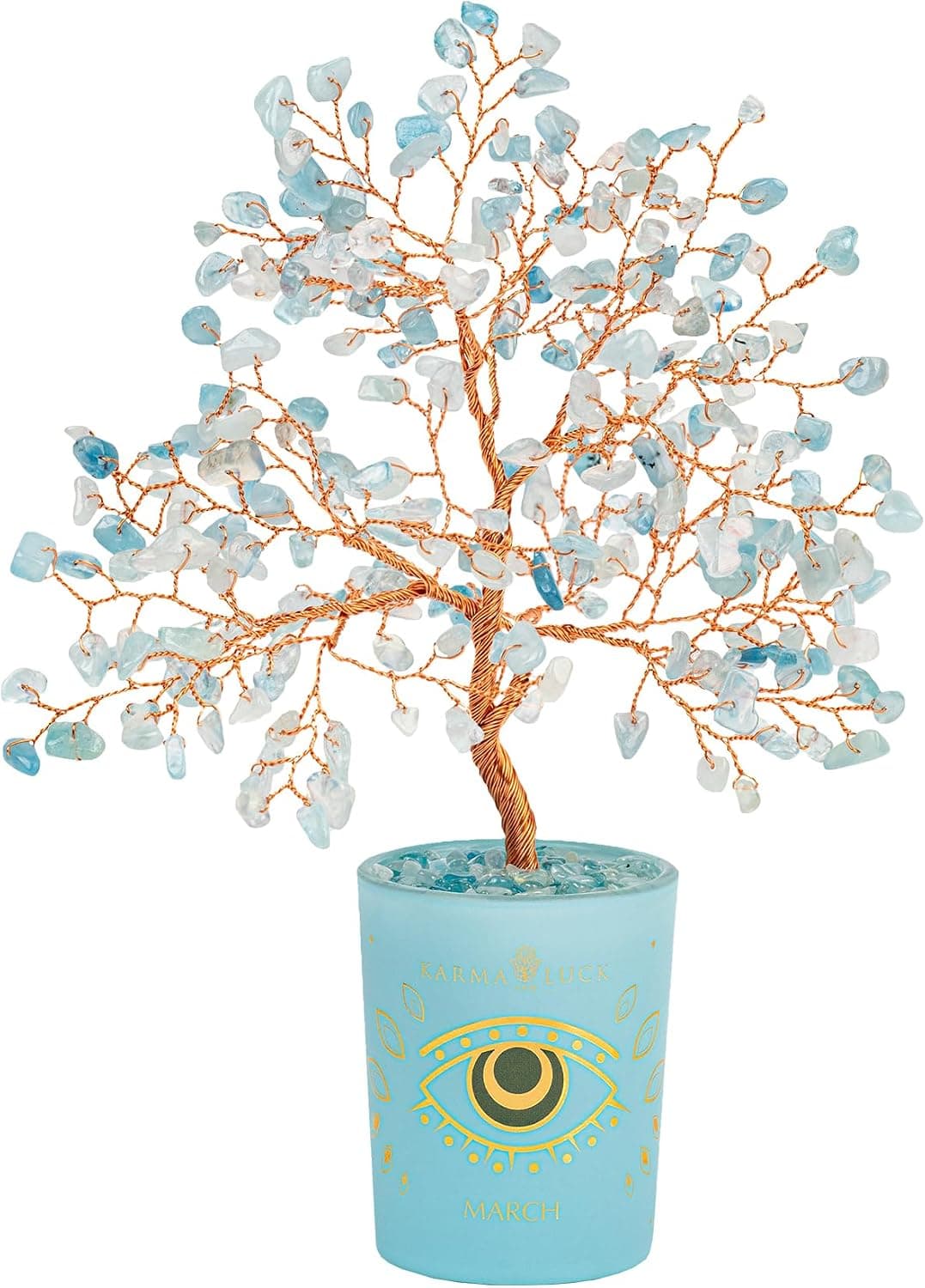 -29%
-29%Karma and Luck March Birthstone Crystal Tree of Life, Aquamarine Gemstone Fen...
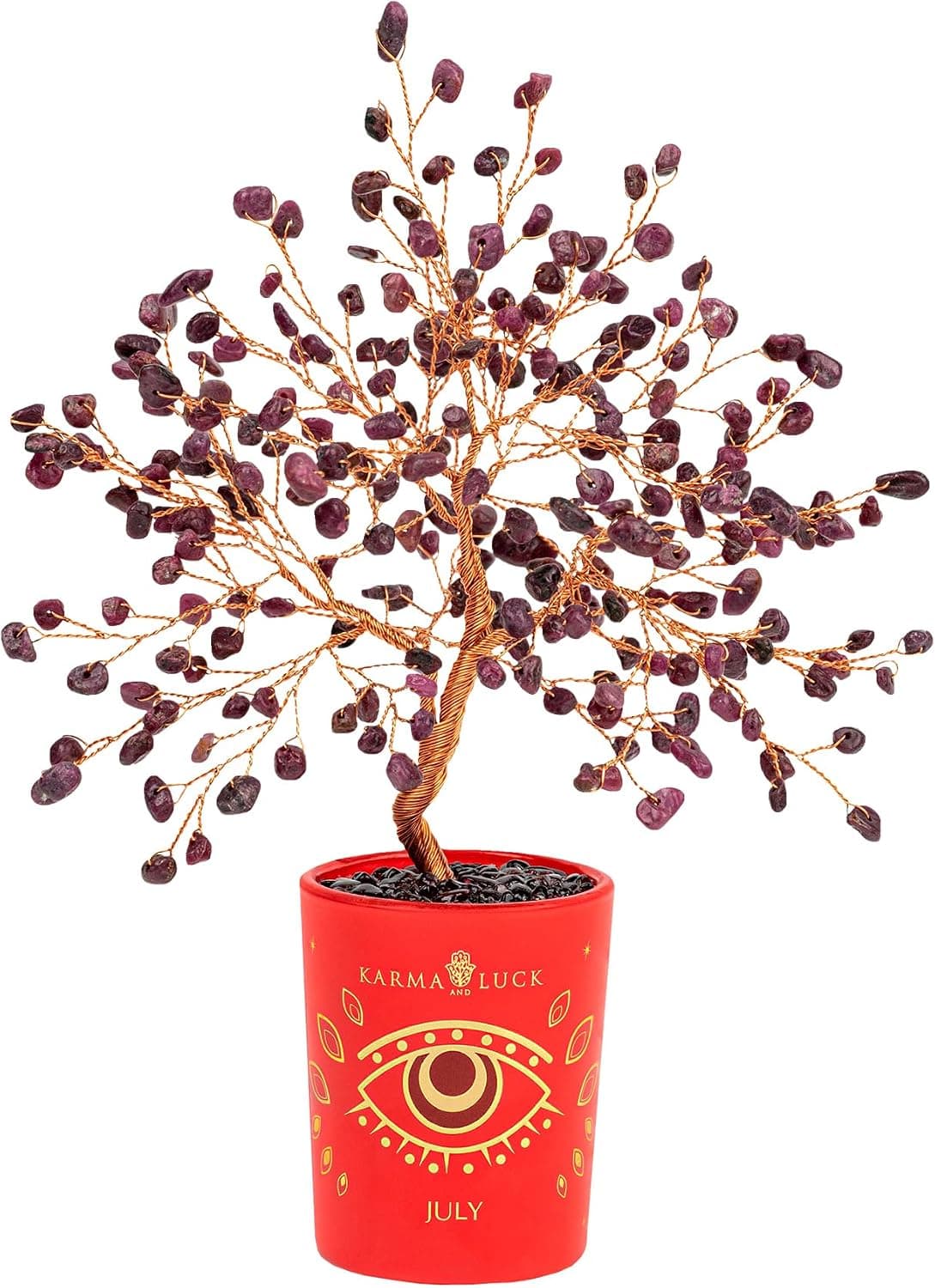 -29%
-29%Karma and Luck July Birthstone Crystal Tree of Life, Ruby Gemstone Feng Shui ...
As an Amazon Associate, we earn from qualifying purchases. We only recommend items our practitioners have personally tested.
Continue Your Journey
Explore these related guides to deepen your understanding:


Ready for Deeper Guidance?
Try our free I Ching reading for personalized wisdom, or explore our curated Feng Shui essentials.