A missing plant, a bad mirror, or the wrong room can flatten prosperity faster than most people expect.
The corner looks fine. The money flow does not.
I once walked into a small townhouse in Portland where the owner, a nurse named Elena, had done everything “right” except the one thing that mattered. Her southeast corner held a dusty floor lamp, a stack of unopened mail, and a dead orchid in a white ceramic pot. She kept asking why invoices were slow and side income felt stuck. The answer was sitting in plain sight.
This is where the bagua map becomes practical instead of theoretical. If you do not know how the wealth area is being located, you are decorating blind. And if you are only chasing lucky objects while the room is cluttered, the energy has nowhere to settle.
People love to make this complicated. It usually is not. The wealth sector wants clarity, growth, and a sense of movement that does not feel frantic. When that sector is ignored, blocked, or treated like storage, the home sends mixed signals.
The phrase feng shui wealth corner location home gets searched because people want one exact answer. They want a fixed compass point, a magic object, a fast result. Real homes do not work that neatly, because the method changes depending on the floor plan, the door, and the layout of the room in question.
And yes, that surprises people. The wealth corner is not always the same physical corner of the house from every angle. In some homes, it is best read from the front door; in others, the room itself carries the stronger signal. That is why copy-pasting advice from a social media post often fails.
How I locate the wealth area in a real home
Start with the front door and the main entry path. From there, map the home so you can see where the wealth sector actually sits in relation to the structure. If the whole house is being analyzed, the southeast area is commonly associated with abundance, but the living room and office can also reveal the strongest activation point inside the home.
That is why I often point readers to how the bagua map defines your wealth corner before they buy anything. Placement comes before objects. Direction comes before decoration. You need the framework first or you will keep rearranging furniture for no real gain.
Once the sector is identified, look at what the corner is doing. Is it occupied by clutter, a trash bin, a broken fan, or a dead plant? Is it dark and unused? Is it being pressed by sharp angles from another piece of furniture? A wealth area that feels cramped will not support expansion for long.
I visited an architect’s apartment in Chicago where the southeast corner of his open-plan living room held a black bookshelf packed with old tax binders. He had a cash-flow problem that followed him for two years. We moved the binders to an office cabinet, placed a healthy jade plant in that corner, and introduced a warm lamp with a soft amber bulb. Within six weeks, he reported two new retainers and, more importantly, less resistance around pricing. That was not magic. It was a change in how the room was teaching the mind to behave.
The location only matters if the sector can breathe. Clean lines help. Gentle upward movement helps. Light helps. A corner that supports expansion should feel open enough to receive, not so busy that it looks like the home is hanging on for dear life.
What the wealth corner wants from you
Think in terms of qualities, not superstition. Prosperity energy responds well to order, vitality, and visual cues that suggest growth rather than depletion. Healthy wood element support is often useful, especially when the corner is not already overloaded with fire or metal. That is why I send people to five elements role in wealth corner energy when they keep choosing the right object but the room still feels off.
Color matters, but not in the simplistic way people expect. Deep greens, rich purples, soft golds, and clean earth tones can all support a wealth area when used with restraint. One strong accent is better than five competing ones. Too much red can make the sector feel overheated. Too much white can make it feel too clinical. A corner that should be feeding growth should not look like a hospital corridor.
Texture matters too. Natural materials tend to settle the area. Wood, ceramic, glass, and healthy fabric work better than damaged plastic or items that look temporary. If you can see that something is broken, tired, or waiting to be replaced, so can the room.
Lighting deserves more respect than it gets. A dark wealth corner is a common failure point. You do not need a spotlight. You need enough light to make the area feel awake. A small lamp in a warm tone can do more than an expensive ornament sitting in shadow.
Plants are useful when they are actually alive. I have seen dozens of bedrooms and offices where people placed a plant for symbolism, then let it die near the corner they were trying to activate. That sends the opposite message. If you cannot keep the plant healthy, choose another method.
For many homes, a practical combination works best: one healthy plant, one source of gentle light, one meaningful object that signals growth, and a clean surface. That is the foundation. Anything more should be added carefully.
Step-by-step placement that does not backfire
Begin by clearing the corner completely. Do not “work around” the clutter. Remove the old receipts, broken charging cables, unused baskets, and anything with the energy of delay. If the space belongs to a bedroom, you may need to be even more selective, because the room’s function affects how much activity it can tolerate. For readers comparing room use and sector placement, the living room’s wealth potential is often easier to activate than a cramped hall or overworked study.
After the space is clear, stand in the room and study what the corner is asking for. Some homes want height, so a plant or tall lamp restores the vertical movement that wealth energy likes. Some want softness, so a rounded vase or a fabric shade works better than hard metal edges. The point is not to decorate for Pinterest. The point is to restore an energetic job the corner has forgotten how to do.
Then choose one anchor item and one supporting item. The anchor might be a thriving plant, a bowl of polished stones, or a framed image that represents prosperity in a personal way. The supporting item might be a lamp, a ceramic tray, or a healthy piece of wood furniture. Keep the arrangement simple enough that dust and neglect cannot hide in it.
If the corner is in the entry zone, the home may respond strongly to the front door path as well. Flow entering the house should feel easy, not jammed. That is why some cases require attention to the threshold before the wealth area can stabilize. A blocked entry weakens every room downstream.
One of my favorite examples came from a retired teacher named Marjorie in Santa Fe. Her dining room southeast corner held a pale blue cabinet, a cracked bowl of keys, and a stack of old holiday cards. We removed the broken bowl, added a small brass lamp and a healthy pothos in a cream pot, and placed a framed landscape with a river moving forward. Two months later, she told me her daughter had finally received a promotion after months of delay, and Marjorie herself had started selling watercolor cards at the local market. She did not claim the corner caused everything. She did say the house felt like it had stopped holding its breath.
That is what good placement does. It changes the background pressure.
Do not overfill the sector with symbols. One elegant arrangement can support more than a shelf packed with coins, toads, and glittering objects that look like a souvenir shop exploded. The home should feel encouraged, not begged.
Two mistakes that quietly drain the sector
The first mistake is using a wealth corner as storage. Old paperwork, exercise equipment, broken lamps, and boxes of things you “might need someday” all communicate postponement. Wealth does not like postponement. It prefers a room that knows what it is doing.
The second mistake is forcing the wrong element into the space. A fire-heavy corner with too much red, too many sharp forms, and too much heat can turn the area restless. A metal-heavy corner can feel cold and contractive. When people complain that an abundance setup feels dead, I usually check the elements before I check the décor.
That is also where well-chosen wealth items can help, but only after the basics are corrected. An item is not a rescue plan. It is reinforcement. If the room is already arguing with itself, no lucky charm will silence it.
And one more thing: people often place a wealth symbol where it looks “important,” then forget whether the area is actually supported by the room. A beautiful object in a weak location is still a weak setup.
FAQ
Is the wealth corner always the southeast corner of the house?
Not always. Traditional feng shui often associates southeast with wealth, but the actual reading depends on the floor plan and the room itself. That is why one home may respond best in the full-house bagua while another needs a room-by-room approach.
What if my wealth corner is in a bathroom or closet?
That happens more often than people think. In that case, the goal is to reduce leakage and strengthen the nearest usable area, not to pretend the room can become something it is not. A bathroom corner needs a different strategy than a bright open living space.
Can I activate wealth without using crystals or symbols?
Absolutely. Cleanliness, lighting, live plants, and a clear layout are often more effective than decorative objects. Symbols can support the intention, but the room’s condition does the heavy lifting.
Why does my setup look good but still feel wrong?
Because visual appeal and energetic function are not the same thing. A corner can look polished and still be blocked by clutter, poor light, or the wrong element balance. I always check the structure before blaming the décor.
If you want the wealth area to work, stop treating it like a superstition shelf. Treat it like an active part of the home that needs clarity, movement, and the right conditions to hold prosperity without strain.
Mei Chen
Traditionally informed guidance • Cross-referenced with classical Chinese source texts
Content draws from both Compass (Luopan) and Form (Xingshi) school traditions. Illustrative examples are composites based on consultation experiences.
Practitioner-Selected Tools for This Topic
Items our team has tested and found effective for the principles discussed above. Individual results may vary.
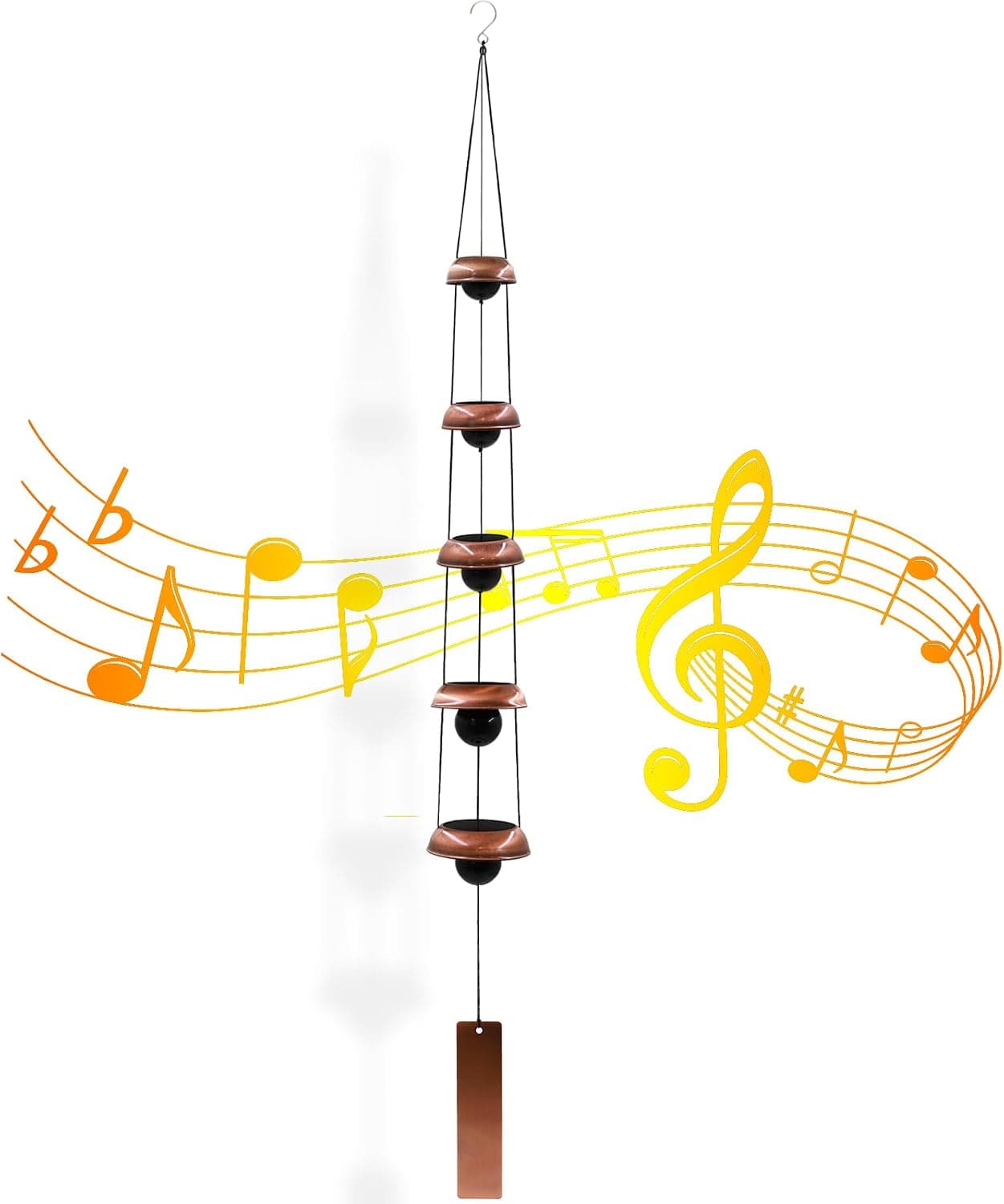 -19%
-19%Wind Chimes for Outside with 5 Bell Unique Copper Musical Chimes Feng Shui Wi...
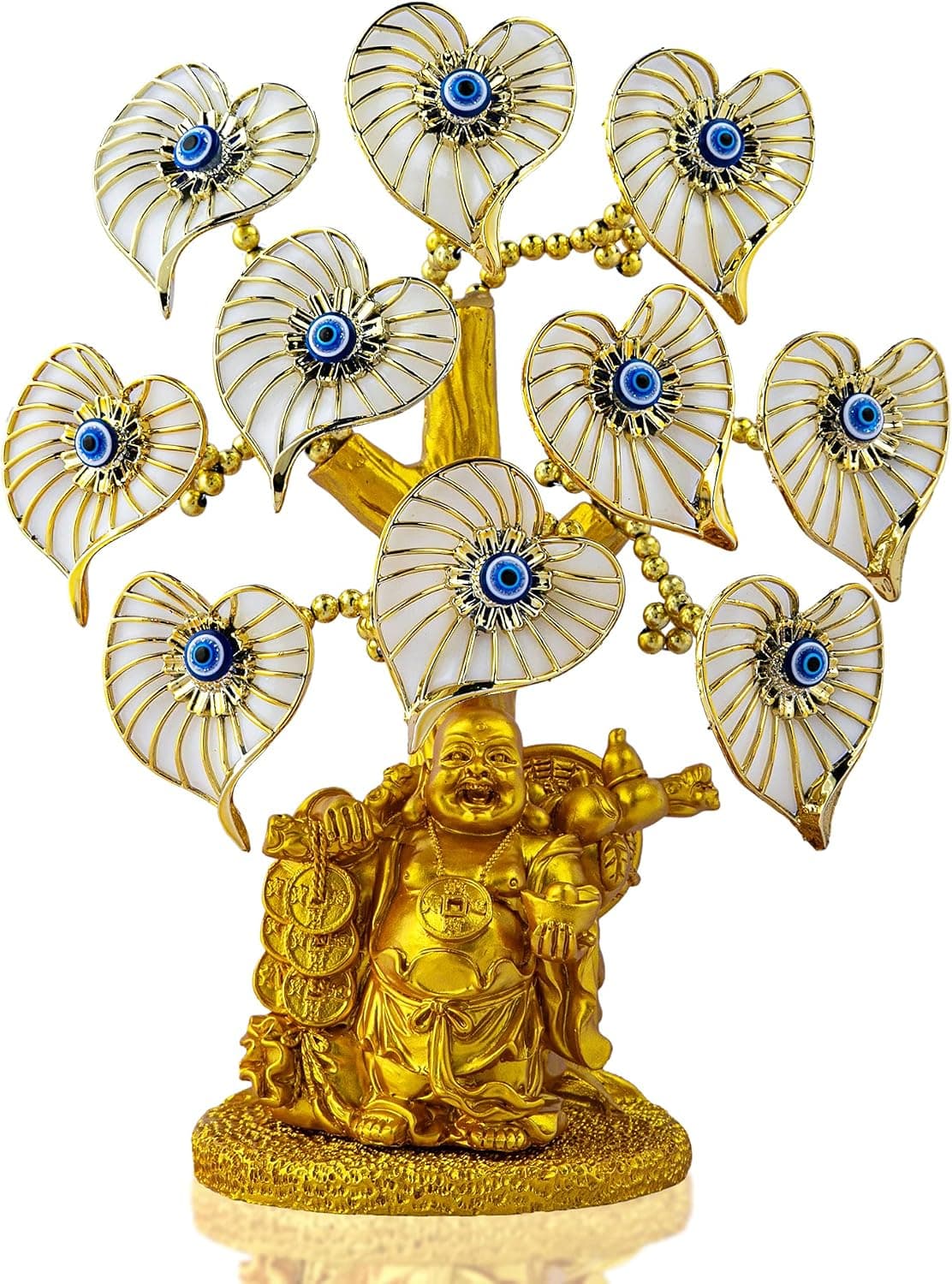 -5%
-5%YU FENG Evil Eye Money Tree, Blue Feng Shui Decor with Golden Buddha
 -29%
-29%Karma and Luck March Birthstone Crystal Tree of Life, Aquamarine Gemstone Fen...
 -29%
-29%Karma and Luck July Birthstone Crystal Tree of Life, Ruby Gemstone Feng Shui ...
As an Amazon Associate, we earn from qualifying purchases. We only recommend items our practitioners have personally tested.
Continue Your Journey
Explore these related guides to deepen your understanding:


Ready for Deeper Guidance?
Try our free I Ching reading for personalized wisdom, or explore our curated Feng Shui essentials.