The money area often fails because it is invisible, blocked, or ignored, not because it lacks a lucky object.
The dead zone in plain sight
The wealth area fails most often when nobody uses it. That is the real problem, not the absence of a coin tree or a red ribbon. A corner hidden behind a chair, stacked with boxes, and reached only when you need to drag laundry through the room will never behave like an active money zone.
I have seen a living room with a beautiful southeast corner that looked perfect in photos and did nothing in daily life. A tall lamp cast the corner into shadow, two storage boxes sat under a side table, and the sofa back blocked the view from the doorway. The owner kept asking about feng shui wealth, but the room had already voted no. The corner was present. It was not participating.
That is why the dead-zone idea matters more than the usual lucky-corner advice. People ignore what they cannot easily see or reach. Perception research says the same thing in plainer language: visible, accessible spaces become habits; hidden, awkward ones become dead weight. In feng shui terms, the room may technically contain a wealth sector, but functionally it has been cut off from the life of the house.
Low light makes this worse. Crowded surfaces do too. A corner with pale walls and a small plant can still feel inactive if the path to it is narrow, the eye slides past it, and the mind tags it as storage rather than opportunity. That is the quiet failure people miss.
From compass logic to corner advice
Classical feng shui did not begin as a decal system for lucky objects. It was a way of reading relationships: entry, support, exposure, concealment, flow, and how a building sat inside its surroundings. The old work was spatial and situational. Modern Western adoption often flattens that into one rule, then another, then a shopping list.
That flattening created the southeast-corner habit. The habit is not useless, but it is incomplete. A compass sector can matter, yet it must be read inside the whole floor plan. A southeast corner that opens cleanly into the room can support movement and growth. The same sector buried behind a hall closet may be practically irrelevant.
The history matters because it explains the mistake. When a tradition moves into a new culture, people often keep the symbol and lose the diagnosis. So a money frog, a crystal bowl, or a plant gets blamed when the room itself is the problem. The object is not the structure. The structure decides whether the object can do anything at all.
That is also why current practice has to be more exact in 2026. Homes are smaller. Layouts are stranger. Shared apartments, hybrid work, and narrow circulation paths mean the old one-corner, one-cure approach breaks down fast. The better question is not, “Where is the wealth corner?” It is, “Where does this room actually allow money-related attention to settle?”
What wealth means in practice
Wealth is not one thing. Income, retention, growth, and friction are different problems. A room can support one and weaken another at the same time. If you treat them as identical, you will keep placing symbols where you need behavior.
Income is about movement and contact. Retention is about containment and order. Growth depends on a sense of possibility, but also on room to act. Friction is the silent killer. It shows up as delay, second-guessing, and small avoidance patterns that make financial tasks feel heavier than they should.
That is where the bagua map in a real floor plan becomes useful rather than decorative. It helps you ask which part of the house supports expansion, and which part is being asked to hold too much noise, storage, or interruption. A good reading changes the question from superstition to layout.
Psychology backs this up. When a space feels cluttered, the brain works harder to sort signal from noise. That extra effort does not stay abstract. It bleeds into planning, follow-through, and confidence. In practical terms, a crowded shelf beside your desk can make a billing task feel more annoying than it is. That is not mystical. It is friction.
And this is where a lot of feng shui wealth advice goes sideways. People decorate for prosperity without asking whether the room supports money behavior. A symbolic cure in a dead zone is like placing a speedometer on a parked car. It looks relevant. It changes nothing.
Finding the dead zone
The dead zone is the part of a room that receives the least attention and gives the least return. It may be a corner, but not always. Sometimes it is the strip behind a chair, the narrow wedge beside a closet door, or the area that gets trapped in dim light because a cabinet blocks the lamp.
Start with the entry path. Follow the route your eyes and feet take when you enter the room. Where do they move first? Where do they stall? Where does the room ask for effort? The dead zone is often where effort rises and attention falls at the same time.
Now check whether the wealth area is blocked, overactive, depleted, or irrelevant. Blocked means hidden by furniture, piles, or poor access. Overactive means too much visual noise, too many shiny things, too many competing cues. Depleted means empty, dull, and forgotten. Irrelevant means it sits outside the room’s daily function and never enters anyone’s behavior.
A small apartment taught me this lesson sharply. The southeast corner was the bathroom. The owner kept trying to “activate” wealth there with plants and red accents, but the real issue was circulation. The apartment was so tight that every useful action happened at the kitchen table by the window. Once the entry area was cleared, the mail tray simplified, and the desk surface was reduced to one notebook and one lamp, the whole place felt less stalled. The bathroom did not need to become a treasure chest. The daily pathways needed to stop leaking attention.
Do not underestimate sightlines. If the corner cannot be seen from where you actually live, it rarely becomes part of your mental map. If you have to twist around a sofa arm to reach it, the body reads resistance before the mind invents meaning. That is why dead zones stay dead.
Fixing the space, not decorating the myth
Practical feng shui wealth work begins with removal, not addition. Clear what blocks the line of sight. Remove storage boxes from the active corner. Raise the light level enough that the area no longer disappears after dusk. A corner that wakes up under a warm lamp is already doing more than a corner crowded with symbols in the dark.
Then give the space one job. A wealth zone should not also be the dumping ground for chargers, receipts, and old tote bags. If the corner belongs to growth, let it hold one healthy plant, a clean surface, or a framed image that feels steady rather than frantic. If you need help choosing the right plant language, see this guide to selecting plants with purpose.
Use the room’s function to decide the cure. In a living room, a wealth area should invite calm use, not ritual theater. In a dining area, it can support shared abundance through order and visibility. In a home office, it should reduce distraction and make financial tasks easier to start. The point is not to impress anyone. The point is to make the room cooperate.
Here is the part people resist. Sometimes the correct fix is to move the chair, not buy the charm. Sometimes it is to remove the tall object that blocks the corner, not to add more red. Sometimes it is to stop treating the southeast corner as sacred if the room’s real action happens near the entry or window. The room tells the truth if you watch it long enough.
If the front of the home is feeding confusion, fix that first. A wealth area cannot carry the whole job when the threshold itself is noisy. For that reason, I often send people to front door flow and entry behavior before they touch the corner everyone else talks about. Money likes a clear arrival path.
When popular cures fail
Symbols work only when they fit the room and the person. A money toad in a cramped shelf niche may look clever and feel irrelevant. A crystal bowl on a crowded desk can become one more object the eye has to edit out. The failure is not the symbol’s fault. The failure is mismatch.
A symbol also carries psychological weight. If the object feels forced, people stop seeing it. If it feels superstitious in the wrong way, it can even create irritation, which is the opposite of the calm follow-through wealth needs. That is why some cures work beautifully for one person and produce nothing for another. The object must support behavior, not just belief.
History helps here too. Classical feng shui was not about one fixed mascot for one fixed outcome. It was about reading conditions and responding intelligently. Modern Western usage often prizes universal cures because they are easy to sell and easy to remember. Ease is not the same as accuracy.
There is also a timing issue. In a year like 2026, people chase yearly advice and forget seasonal realities. A space can feel more responsive after a clear-out in spring, after a lighting change in winter, or after a desk shift when a work cycle changes. Timing matters because attention changes with it.
One more thing: not every quiet corner needs decoration. Some need breathing room. Some need nothing except the removal of visual noise. The temptation to fill empty space is strong, but emptiness can be part of the cure when the room is already overworked.
Offices, storefronts, and desks
Workplaces make the dead-zone problem easier to see. Money-making spaces depend on attention, and attention is easy to disrupt. If a desk faces a wall, the area behind the chair often becomes the true dead zone. The worker sits in a pocket of pressure, with the entry path crossing the workspace and interruptions landing before thought can settle.
That is the setup I see most often in home offices. The monitor faces a blank wall, the door opens beside the desk, and the chair sits with a strip of unused floor behind it. People then wonder why their money work feels sticky. The answer is visible. They are working in a corridor of interruption.
Fixing it starts with sightline and support. Give the desk a position where you can see the door without being in the path of every arrival. Clear the space behind the chair so the body has a sense of backing, not exposure. Reduce what sits on the desk surface. The goal is not minimalism as an aesthetic. The goal is legibility.
For storefronts, the rule is similar. Customers will not value what they cannot find. A display hidden behind a rack or placed in a low-light corner does not generate much activity, no matter how fortunate it is supposed to be. Space that reads clearly earns more use. Space that reads weakly fades.
For a deeper room-by-room reading, the living room layout guide helps you separate social flow from storage habits. If you need to understand why the far corner matters less than the whole circulation pattern, that article will make the difference plain.
What to do this week
Stand in the room and name the dead zone out loud. Do not guess. Look for the place that is dim, blocked, ignored, or used as overflow. If you cannot point to it in one second, the room can probably not point to it either.
Then make three changes. Clear the obstruction. Improve the light. Reduce the number of objects competing for attention. If the corner still feels irrelevant, shift the furniture so the room’s main movement passes closer to the area you want to activate. That is often enough.
If you are dealing with a tiny apartment, work from circulation outward. If the southeast corner is lost to a bathroom or utility zone, stop forcing a symbolic fix there. Move your effort to the place where daily financial behavior happens: desk, entry table, kitchen planning spot, or billing corner. That is where the habit lives.
And if you are unsure whether the room still supports growth, check whether the eye lands on the right thing without strain. Wealth likes clean access, calm perception, and a place in the daily route. That is the practical form of feng shui wealth. Nothing flashy. Just a room that stops hiding the part of itself that should be alive.
FAQ
Does the southeast corner always matter?
No. It matters when it has a meaningful role in the floor plan, the room’s circulation, and the person’s daily use of the space. A corner that is blocked, hidden, or functionally irrelevant will not respond well to symbolic treatment alone.
What is the fastest way to test a dead zone?
Look at it from the doorway, then walk toward it. If your attention slides away, if the path feels awkward, or if the corner is being used as storage overflow, you have found a dead zone. That tells you more than a dozen lucky objects.
Can a desk setup affect wealth more than a corner cure?
Absolutely. A desk that faces a wall, sits in a traffic path, or hides the chair area behind clutter can create more resistance than a missed corner ever will. Surprising, but common. The work area often shapes money behavior more directly than the symbolic wealth zone.
Mei Chen
Traditionally informed guidance • Cross-referenced with classical Chinese source texts
Content draws from both Compass (Luopan) and Form (Xingshi) school traditions. Illustrative examples are composites based on consultation experiences.
Practitioner-Selected Tools for This Topic
Items our team has tested and found effective for the principles discussed above. Individual results may vary.
 -19%
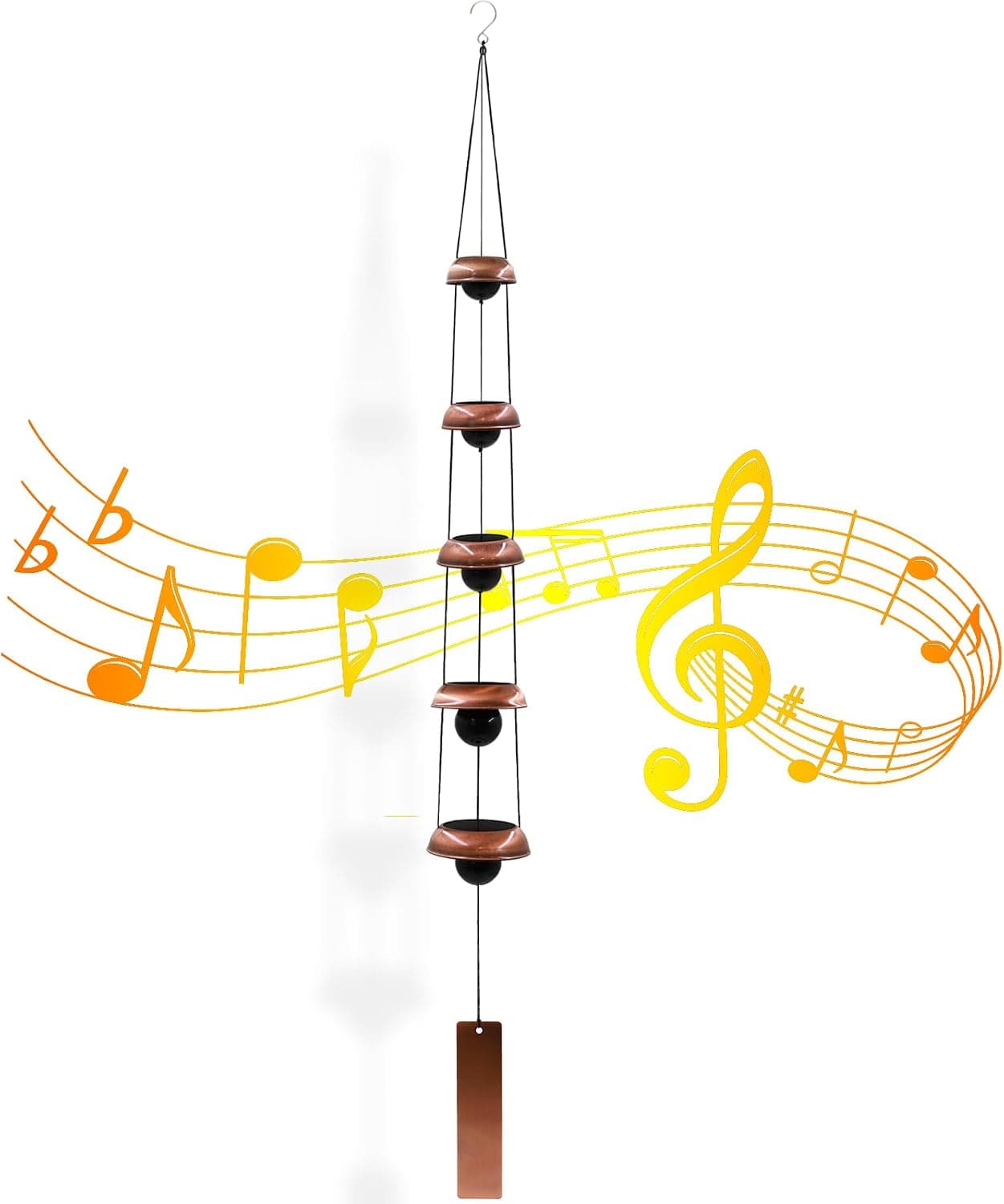
-19%Wind Chimes for Outside with 5 Bell Unique Copper Musical Chimes Feng Shui Wi...
 -5%
-5%YU FENG Evil Eye Money Tree, Blue Feng Shui Decor with Golden Buddha
 -29%
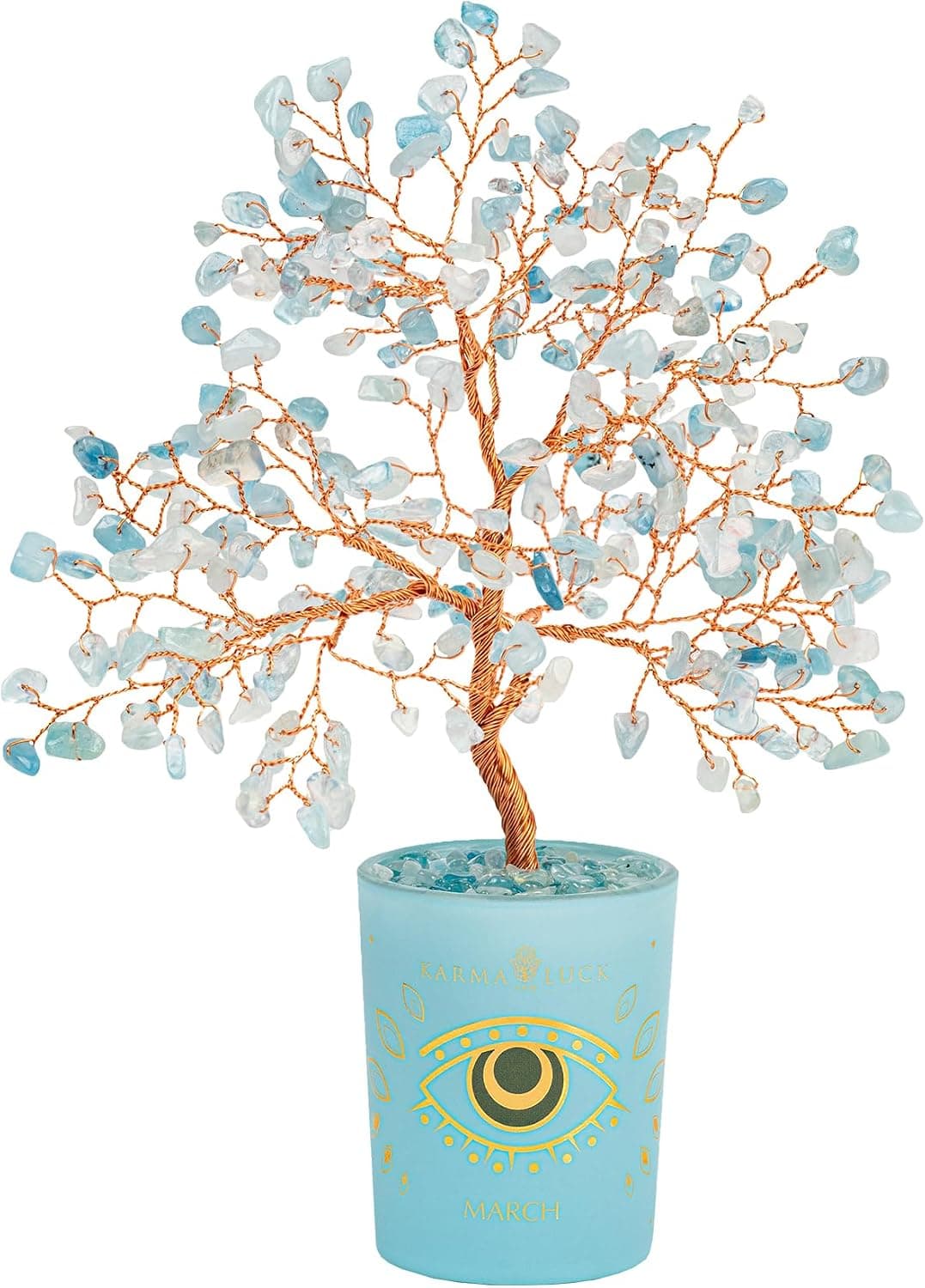
-29%Karma and Luck March Birthstone Crystal Tree of Life, Aquamarine Gemstone Fen...
 -29%
-29%Karma and Luck July Birthstone Crystal Tree of Life, Ruby Gemstone Feng Shui ...
As an Amazon Associate, we earn from qualifying purchases. We only recommend items our practitioners have personally tested.
Continue Your Journey
Explore these related guides to deepen your understanding:


Ready for Deeper Guidance?
Try our free I Ching reading for personalized wisdom, or explore our curated Feng Shui essentials.