A money toad can sharpen financial intention—or become expensive clutter if it faces the wrong way.
It only works when the room agrees
A money toad placed well reads like intention. Placed badly, it becomes a decorative object that people step around, dust, and slowly resent.
That is the first decision tree: ask whether the toad is meant to support wealth, business visibility, or simple protection of money habits. Those are not the same thing. A brass figure near a checkout counter is doing a different job than a jade toad on a home altar, and a bedroom placement asks for even more caution.
I have seen a narrow entry shelf in a studio where the toad sat beside keys, mail, and a half-open umbrella. It looked “lucky” for a week, then the family started sliding it aside every time they needed the tray underneath. The symbol lost authority because the space itself vetoed it.
Bagua map basics help some readers, but this is not about forcing every object into a fixed sector. The better question is simpler: where will the toad be seen, respected, and left alone?
One sentence matters here: respect is spatial.
Follow the room, not the brochure
If the goal is business support, put the toad where action begins, not where it disappears. Near a cash register, reception desk, or an inner counter edge can work because it meets people at the point of exchange. The object becomes a cue for confidence and steadiness, which psychology understands very well: visible symbols shape attention, and attention shapes habit.
If the goal is household stability, choose a place where the object can be noticed without being handled constantly. A side table, console, or raised shelf in a living area is usually better than a tight passage. The mind reads clutter as low priority, so if the area around the toad is chaotic, the message weakens fast.
For a small apartment, this matters even more. Limited square footage creates mixed signals, and mixed signals are the enemy of a clear cure. If the only available surface is also where backpacks, receipts, and charging cables pile up, the toad is fighting the room instead of helping it. In that case, move it to a calmer stand and let the object breathe.
living room placement cues often translate well when the room is open and shared, because guests and household members can register the symbol without it becoming private clutter. That public visibility matters socially, too. A shared home runs on negotiation; if others treat the toad as random decor, its meaning erodes.
And no, a money toad does not need to be hidden to “protect” its power. Hidden symbols are often forgotten symbols.
Angle, height, and the message the object sends
The toad should not sit on the floor. That is the fastest way to make it feel neglected, and neglect is readable whether you believe in feng shui or not. Elevation changes the message immediately: on a stand, table, altar, or shelf, the object gains presence.
Orientation should follow intent, not habit. If the toad is meant to draw opportunity inward, it can face into the room from near a doorway. If it is meant to support a business entrance, it may be angled toward the flow of customers or toward the cash point, depending on the layout. Never force a rigid rule onto a room that cannot support it.
There is a common mistake I see in small storefronts: the owner sets a brass toad beside the register, but the head points away from the customer path and into a corner display. The object is technically present, but psychologically absent. Brass has weight; it should look weighty, reflective, and deliberate, not stranded beside impulse buys.
In a bedroom, I would pause hard before placing one at all. Bedrooms ask for rest, privacy, and lower alertness. A money symbol there can feel intrusive because it keeps the mind in acquisition mode when the body wants sleep. That is not superstition; that is state conflict.
bedroom energy choices matter because people react to what they see before sleep. If the toad turns the room into a financial checklist, it is in the wrong place.
Jade, by contrast, carries a smoother and cooler impression. It can feel restrained, elegant, and less aggressive than brass. Ceramic feels domestic and approachable. Crystal creates more visual lightness and display emphasis, which suits a shelf or cabinet better than a hectic work surface.
One sentence is enough: the material changes the mood.
When symbolism becomes behavior
The best feng shui toad placement is not just about luck; it is about a repeatable cue. People respond to objects that signal intention. Put the toad where you make decisions, and it can remind you to spend with care, invoice on time, or treat a side business like something real.
That is where the psychology and the tradition meet. A financial symbol visible at a decision point nudges memory and discipline. A symbol tucked into clutter does the opposite. It trains the eye to dismiss it, and once the eye dismisses it, the mind follows.
This is also why homeowners and business owners use it differently. In a home, the toad should feel like a respected household emblem. In a storefront, it can also function as branding, signaling stability and prosperity to customers even if they never think about metaphysics. People trust organized prosperity. They trust visible care.
Do not crowd it with competing wealth symbols unless you want a visual argument. Too many cures in one zone create noise. A toad beside a pile of coins, red ribbons, and three different crystals stops reading as focused intention and starts reading as panic shopping. Choose one message, then let the room support it.
If you want to combine it with plants or stones, keep the arrangement simple and coherent. A single healthy plant nearby can soften the display, while a carefully chosen stone can anchor it. But if you need guidance on the rest of the room, use a second source rather than stacking symbols until the shelf looks busy.
choosing stones with a clear purpose helps when you want support without cluttering the scene. The same principle applies to the toad itself: one object, one job.
Care, respect, and the small habits that keep it alive
After placement, keep the surrounding area clean. Dust matters because dust tells the mind the object is neglected. Moisture matters because damp corners quietly undermine care. Traffic matters because constant bumping turns a symbol into an obstacle.
If you place the toad on a shelf near the entry and family members keep moving it to reach coats or mail, do not insist on the shelf. The home has already voted. Move the toad to a better stand or a less contested surface, and the resistance usually disappears.
Activation is not theatrical. It can be as simple as setting it carefully, orienting it with intent, and then treating it like a kept object rather than a lucky trinket. Some traditions add ritual touches, but the deeper requirement is consistency. Respect over spectacle.
In a shared household, this matters socially as much as spiritually. If one person loves the toad and everyone else thinks it is absurd, the object becomes a point of tension. Better to place it where the family can accept it as a meaningful symbol rather than random decor. Shared meaning strengthens the cue.
front entry positioning can be powerful when the toad is meant to meet opportunity early, but only if the threshold is clear and the object is not in the way. A cure should not make the room harder to use.
The real decision tree
Start with the goal. If the aim is wealth attraction, choose a visible, elevated location that feels calm and intentional. If the aim is business growth, place it where exchange happens and customer flow can recognize it. If the aim is financial discipline, put it near the place where you actually handle money or make plans, not where you will ignore it.
Then test the room. If people keep moving the object, if the area is cluttered, if the surface is too low, or if the setting creates tension, the placement is wrong. The answer is not to buy a fancier toad. The answer is to match the object to the space.
That is why the old rule of “just put it somewhere lucky” fails. Luck is not random placement. It is alignment between symbol, behavior, and environment.
And if you are choosing between a bedroom, a bathroom-adjacent niche, or a clear shelf in the hall, choose the shelf in the hall. Every time.
FAQ
Should a money toad face the front door?
Often, yes, if the door represents incoming opportunity and the toad is positioned so it looks engaged rather than blocked. But the exact angle should fit the room, not force the room into a rule it cannot hold.
Can I keep it in a bedroom if that is the only free space?
I would avoid that unless the room is a true multiuse space and the placement does not disturb rest. Bedrooms are psychologically tuned for calm, and a wealth symbol can keep the mind alert when it should be letting go.
What if my family thinks it is just decoration?
That reaction is common, and it matters. In sociology terms, a symbol only holds power if the household treats it with a shared baseline of respect, so choose a place where it can be accepted rather than mocked or constantly moved.
Does the material really matter?
Surprisingly, yes, because material changes how the object feels before anyone assigns meaning to it. Brass feels ceremonial and firm, jade feels smooth and restrained, ceramic feels domestic, and crystal reads as lighter and more display-oriented.
What is the biggest placement mistake?
Putting it on the floor or in a cluttered, high-traffic spot. That makes the symbol look secondary, and secondary symbols rarely influence behavior for long.
Mei Chen
Traditionally informed guidance • Cross-referenced with classical Chinese source texts
Content draws from both Compass (Luopan) and Form (Xingshi) school traditions. Illustrative examples are composites based on consultation experiences.
Practitioner-Selected Tools for This Topic
Items our team has tested and found effective for the principles discussed above. Individual results may vary.
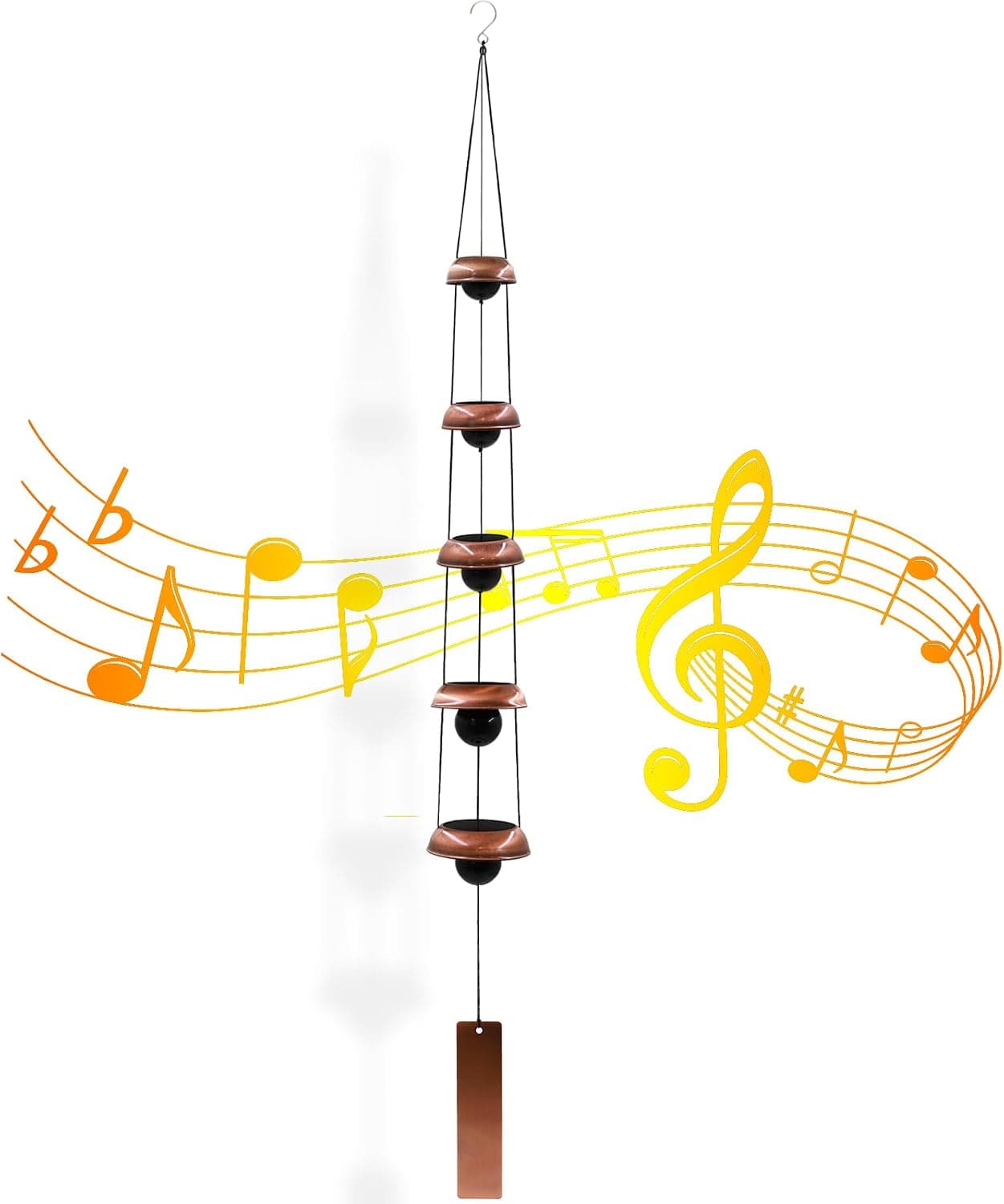 -19%
-19%Wind Chimes for Outside with 5 Bell Unique Copper Musical Chimes Feng Shui Wi...
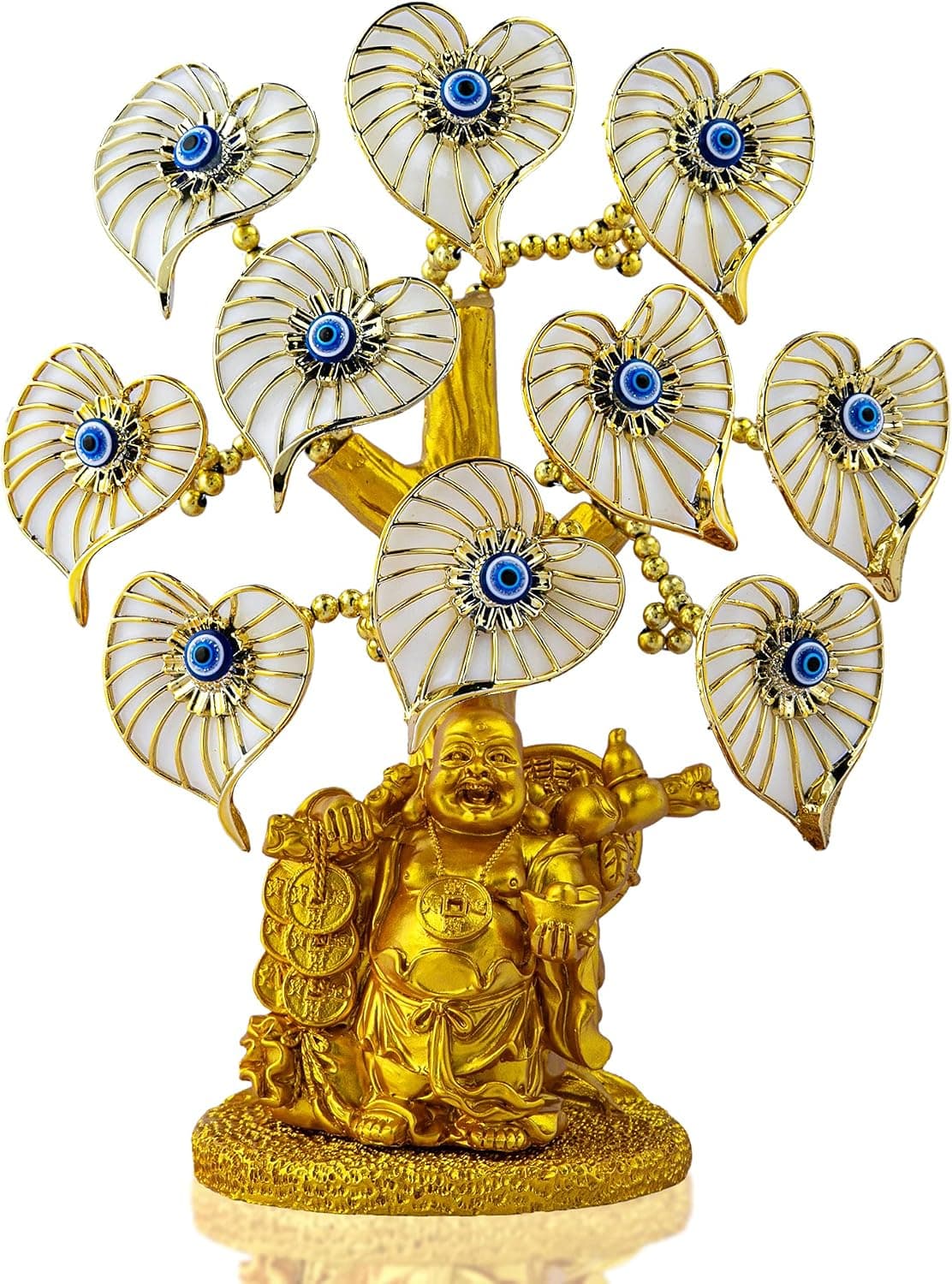 -5%
-5%YU FENG Evil Eye Money Tree, Blue Feng Shui Decor with Golden Buddha
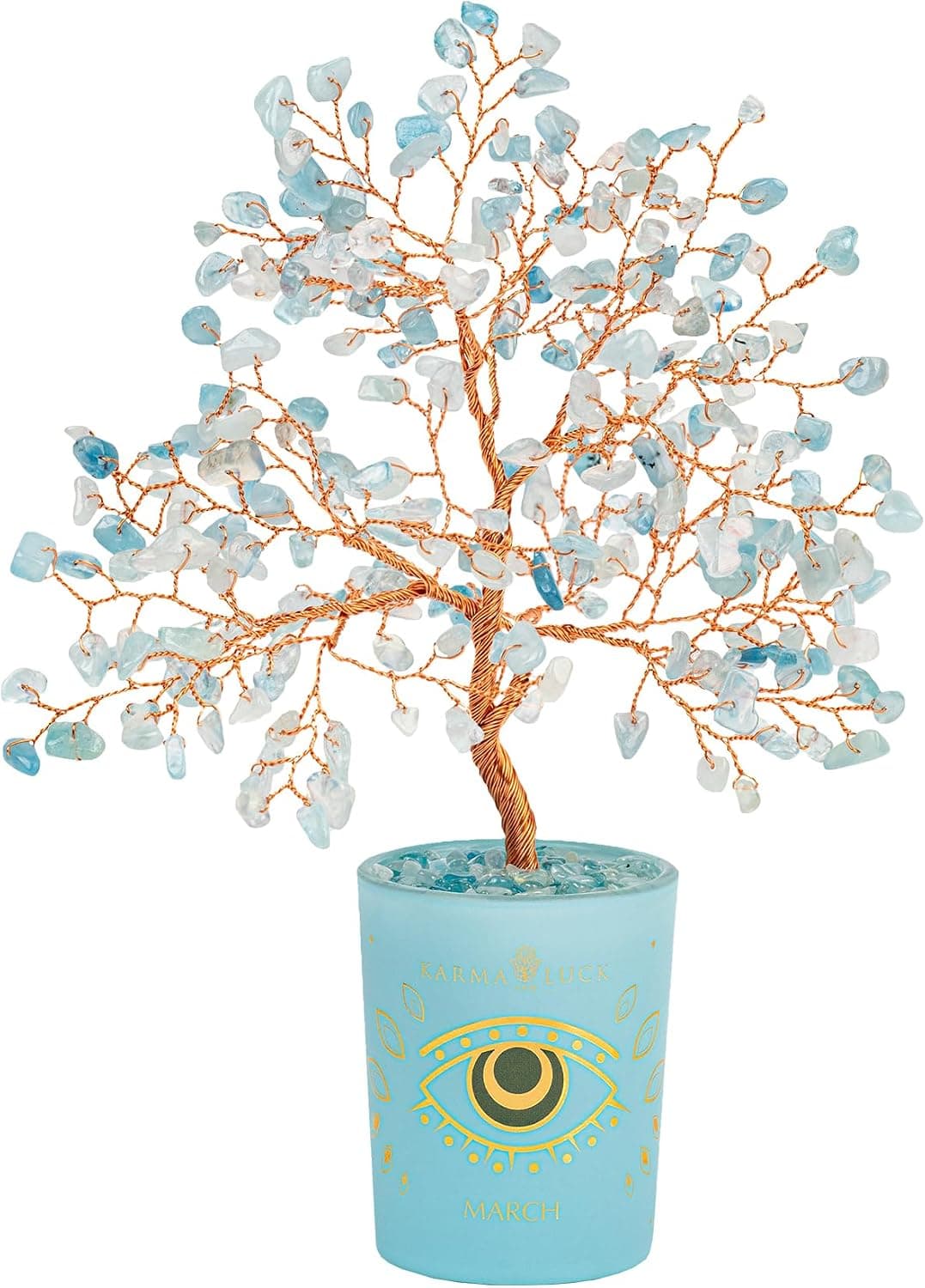 -29%
-29%Karma and Luck March Birthstone Crystal Tree of Life, Aquamarine Gemstone Fen...
 -29%
-29%Karma and Luck July Birthstone Crystal Tree of Life, Ruby Gemstone Feng Shui ...
As an Amazon Associate, we earn from qualifying purchases. We only recommend items our practitioners have personally tested.
Continue Your Journey
Explore these related guides to deepen your understanding:


Ready for Deeper Guidance?
Try our free I Ching reading for personalized wisdom, or explore our curated Feng Shui essentials.