Common recommendations for feng shui studio apartment layout tend to overlook key principles. Experience reveals a clearer path.
When the Bed Starts Running the Apartment
At 11:40 p.m., the laptop is still open at the end of the bed. The apartment isn't messy. The dishes are done. There's a candle burning on the windowsill. And yet the room feels tired in a way that has nothing to do with how long the day was.
That feeling has a source. In a studio apartment, the bed is not simply where you sleep — it is the gravitational center that everything else orbits. Where it sits, what it faces, what it shares a wall with: these decisions quietly determine whether work, rest, and relationships feel like separate experiences or one long, undifferentiated blur. The bed is the command center. The problem is that most studio layouts treat it like furniture.
Picture a 420-square-foot apartment at 6:55 p.m. The bed is tucked into the southeast corner, headboard on the east wall. The cooking station runs along the north wall, 7 feet away. A ceiling light reflects off the bedding. The frying oil smell has settled into the pillow zone. The dish rack clatters. From the bed, you can see the stove. From the stove, you can see the bed. The sleep zone has been absorbed into the kitchen cycle, and the room no longer has a quiet end.
That is what it looks like when the bed starts running the apartment in the wrong direction.
Why the Desk Across the Room Still Feels Close Enough to Reach
I've stood in studios where the desk is four feet from the bed and the owner insists the zones feel completely separate. They don't. The body knows. At 9:00 p.m., when someone is lying in bed scrolling a phone and the desk is visible from the pillow — chair half-pulled back, a charging cable coiled on the surface, the ambient suggestion of unfinished work — the nervous system doesn't register rest. It registers a pause.
This is the sightline problem. It doesn't require clutter to operate. A clean, organized studio can still keep the brain in monitoring mode if the sleeping zone and the working zone share a visual axis. The mind tags the bed as unfinished business. Focused work becomes harder during the day because sleep feels nearby. Bedtime becomes contaminated by to-do awareness because the desk is still there, visible, waiting.
At 8:10 a.m., a queen bed centered under the north wall, a desk 4 feet away in the northeast quadrant, a metal chair angled toward the bed: the geometry alone creates a relationship between those two objects that the occupant never consciously agreed to. Daylight slides in from the east window and lands directly on the pillow. The morning light is doing the right thing — except it's landing on the wrong object. Alertness should be associated with the desk, not the bed. When those associations blur, the whole day starts slightly off-register.
The fix is not necessarily distance. It is angle and interruption. A desk positioned 2 feet from the east window, angled 30 degrees away from the bed so the sitter faces the room without looking straight at the pillow — that 30-degree rotation changes the psychological relationship between the two zones without moving a single wall.
The Choke Point That Makes a Studio Feel Smaller Than Its Square Footage
At 2:30 p.m., a bed sits behind a half-height bookshelf divider. The desk is in the southwest corner near the entry door. The printer hums. Dry air from a portable AC moves in one direction. The passage between the bookshelf and the wall is 30 inches wide. From the workstation, the bed is still visible in peripheral view. And every time the occupant stands up from the desk, they walk through a narrow slot that forces the body to turn slightly sideways.
That 30-inch passage is doing something the bookshelf was supposed to prevent. It is teaching the body that work and rest occupy the same behavioral lane. The transition is frictionless in the worst way — so frictionless that the brain never registers a zone change at all. The divider reads as storage, not separation. The clutter on the shelves passes visual noise straight through the open backs. The room feels interrupted without actually being divided.
Rigid separation in a studio often creates this problem. A tall bookshelf placed perpendicular to the long axis of the room can work — but only if it is 5 feet long, solid enough to block sightlines rather than display through them, and positioned so the passage beside it stays at least 36 inches wide. Narrower than that and the body experiences the divider as a constriction rather than a boundary. The qi doesn't slow down at a choke point. It backs up.
Partial openness frequently supports calmer energy than rigid enclosure. A fabric curtain hung on a ceiling track — 6 feet long, pulled to the center of the studio, positioned 3 inches from the bed edge — muffles keyboard sound, creates a warmer microclimate near the sleeping zone, and gives the body a crossing point it actually registers. At 10:35 p.m., when someone moves from desk to bed through that curtain, the body noticeably slows. That slowdown is the point. It doesn't require walls.
A 420-Square-Foot Layout That Stops Asking One Room to Be Three Lives
Here is the studio at 6:30 p.m. The bed is pushed against the only solid wall. The desk sits two feet away under the south-facing window. The kitchen counter doubles as a laptop zone. Screen light fills the room. Delivery bags sit by the door. No part of the apartment ever fully turns off.
The specific shifts that reduce entanglement without a renovation start with one decision: the bed's headboard moves to the solid north wall, 5 to 7 feet from the front door, not in direct line with the entry. The front door opens on the east side. The bed is no longer in the door's sightline, which means every arrival stops triggering a micro-alert response in the body. The nervous system stops tracking exposure. Privacy becomes something the room can actually provide.
The desk relocates to the northeast corner, 2 feet from the east window. Morning light reaches the desk first and the bed second. Alertness gets associated with work hours. The bed stays in relative dimness during the day, preserving the sleep association rather than eroding it with the same daylight that powers the work zone.
The kitchen runs on the west wall. The bed shares no wall with the stove. Heat and appliance noise no longer bleed into the sleep area. The sink-to-stove distance is 42 inches — enough that the cooking zone has its own spatial logic rather than spilling into the center of the room.
The open floor channel from the front door to the east window stays 30 to 36 inches wide. No chair legs, no laundry basket, no plant stand in that line. Qi moves through the apartment the way air moves through a room when two windows are open: without catching on objects, without pooling in corners.
The laptop leaves the nightstand. The charger moves to the desk. The kitchen counter goes back to being a kitchen counter.
None of this requires demolition. It requires deciding what each part of the apartment is actually for.
The Quiet Microclimate Beats the Textbook Command Position
Classical feng shui places the bed in the command position: diagonal from the door, with a clear sightline to the entrance, back against a solid wall. In a house with a dedicated bedroom, this logic holds. In a studio where the bed is also the sofa, the reading chair, the recovery seat, and the only place to sit for a phone call — facing the door keeps the nervous system on guard all day, not just at night.
I'd argue the command position is the wrong framework for a studio entirely.
At 11:47 p.m., a twin bed sits 18 inches from the west wall, 6 feet from the only south-facing window. The laptop is open on the nightstand. The blue screen glow reaches the pillow. The fan hums. The room smells faintly of laundry detergent and reheated garlic. That bed is technically in a reasonable position relative to the door. It is failing for entirely different reasons — proximity to screen light, proximity to the window's noise and ambient street glow, a nightstand that has become a second desk.
Three things matter more than the traditional command position in a studio:
First, the quietest microclimate. If the bed in the command position sits directly under a hot, noisy window or shares a wall with the refrigerator compressor, the position is technically correct and practically exhausting. The body needs the lowest-stimulation corner of the apartment, not the most strategically positioned one.
Second, the direction of morning light. A window on the east wall with light reaching the desk first and the bed second is worth more than any compass-based placement. The body sorts day cues from night cues partly through light timing. When the bed receives morning light before the desk does, the alertness cue lands in the wrong zone.
Third, distance from the bathroom door. At 1:15 a.m., a mattress placed directly opposite the bathroom door, foot of the bed aligned to the hallway opening: the exhaust fan cycles on, a strip of light shows through the door crack, and the bed absorbs the apartment's hardest edge. The bathroom door on the northwest wall, bed kept outside the door swing arc by at least 3 feet, no mirror reflecting the bed from inside the bathroom — these specifics matter more than which direction the headboard faces.
One Small Boundary That Changes the Whole Mood at 11:40 p.m.
The laptop doesn't need to leave the apartment. It needs to leave the bed's sightline.
Turning the screen away from the pillow — even 90 degrees, so the glow no longer reaches the sleeping surface — changes the room's signal. The charger moving from the nightstand to the far side of the desk creates a physical reason to leave the bed before checking the phone in the morning. A 2-foot bench placed just inside the entry door becomes the first visual stop: somewhere to put the bag, the keys, the day. The apartment now has a threshold.
These are not feng shui gestures. They are interruptions in a pattern the room has been reinforcing. The brain relies on visual context to tag a zone. When the bed disappears from the workspace and the workspace disappears from the bed, the nervous system has fewer reminders to stay half-asleep or half-working. The room stops running on one continuous frequency.
A single visual off-switch — a curtain pulled, a lamp turned to face the wall, a laptop closed and physically rotated — can alter the room's energy more than a full redesign. Not because the gesture is symbolic, but because the brain is genuinely tracking these signals all night.
Building Separation Without Turning the Apartment Into a Maze
Two rugs do more for a studio than one large rug. This contradicts the common advice to unify the space with a single floor covering — but when one rug crosses both the sleep zone and the work zone, it visually collapses the functions. The brain never receives a clean cue that one mode has ended. Two rugs, each anchoring a distinct zone, give the floor a grammar the body can read without consciously thinking about it.
Lighting does the same work. A warm-toned lamp at the bed, a cooler task light at the desk: the body reads these as different environments even in a single room. When the overhead light goes off and only the bedside lamp is on, the apartment has changed states. That state change is what the nervous system needs to begin settling.
Furniture orientation carries more weight than most people expect. A desk chair angled toward the room rather than toward the bed means the working body faces outward, not inward toward sleep. A headboard on a solid wall with 18 inches of clearance on one side and 12 inches on the other gives the bed a sense of being held rather than exposed. A 24-inch gap on both sides of the bed — as in the 9:00 p.m. scene with the southwest-corner placement — sounds generous, but without any other zone definition, those gaps just make the bed feel adrift in the room.
Open space acts as a psychological buffer. Three to five feet of empty floor between the desk and the bed gives the brain a pause — and pauses are what make one activity feel finished before the next begins. The path from desk to bed should feel like a transition, not a pivot.
Keep the open floor channel from the front door to the primary window clear. Thirty to 36 inches, unobstructed. This is not about ritual. It is about the room's ability to breathe — for daylight to move, for air to circulate, for the occupant to walk from one end to the other without navigating furniture. When that channel is blocked by a laundry basket or a plant stand, the apartment starts to feel smaller than its square footage, and the density registers as stress before the conscious mind has named it.
Signals That the Bed Is Overloaded as a Command Center
The bed is doing too much when the last thing seen before sleep is a work surface. When the first impulse on waking is to check something on the nightstand that isn't a clock. When meals happen in bed because the kitchen counter is already occupied by a laptop. When a partner or guest sitting on the bed feels like they're sitting in the middle of an office.
Restlessness at night without obvious cause. Difficulty starting work in the morning despite adequate sleep. A persistent sense that the apartment never fully resets between evening and morning. These are not personality traits. They are layout symptoms.
At 7:20 a.m., a bed placed diagonally so the foot points toward the front door, side table stacked with receipts and a charging bank, sunlight from the east window hitting the bedspread first: the room feels alert before the body is ready. That mismatch — room alert, body not — accumulates. It becomes the baseline. The apartment feels like it's always mid-task, and the occupant feels the same way.
Relationship tension in a studio often traces back to this: when two people share a space that never fully transitions between modes, the friction isn't between the people. It's between the room's competing demands landing on both of them simultaneously. The bed overloaded as command center doesn't just affect sleep. It affects every conversation that happens within 10 feet of it.
Questions People Ask After They Move Into a Studio
Can I use mirrors to make a studio feel larger without creating feng shui problems?
Mirrors work in a studio when they reflect light and open space — a mirror on a side wall that catches daylight from the east window, for instance. They create problems when they reflect the bed or the entry door. A reflected bed restarts the sleep association every time you glance at it. A reflected doorway multiplies alertness rather than calm. Place mirrors where they extend a view of the room, not where they double the objects the nervous system is already tracking.
My studio's only solid wall is also the noisiest — street-facing. Where does the bed go?
This is the situation where textbook placement genuinely fails. A solid wall matters less than a quiet microclimate. If the solid wall is also the loudest wall, the bed belongs on the quietest interior wall, even if that means a less traditional position. Add a headboard with some mass — upholstered, solid wood — to create a psychological sense of backing even without structural support. The body needs low stimulation more than it needs compass correctness.
Is there a way to have the desk near the window without it becoming a visual problem for the bed?
Yes — angle matters more than proximity. A desk 2 feet from the east window, rotated 30 degrees so the sitter faces the room rather than the bed, breaks the visual axis without moving either piece of furniture far. The key is that the desk chair, when occupied, should face outward into the studio, not inward toward the sleeping zone. If the sitter's natural gaze line points at the pillow, the desk needs to rotate, not relocate.
Do I need a physical divider, or can lighting and rugs do the same job?
It depends on what the sightline problem actually is. If the desk is directly visible from the pillow at eye level, a rug and a lamp won't interrupt that axis — the brain will still register the desk as present. In that case, a curtain on a ceiling track or a solid-backed bookshelf is doing work that softer elements cannot. If the visual overlap is peripheral rather than direct, layered lighting and distinct floor zones may be enough. Diagnose the specific sightline before choosing the tool.
The bathroom door is directly across from my bed and I can't move either. What helps?
Keep the bathroom door closed at night, fully — not cracked. A strip of light and the sound of an exhaust fan cycling on at 1:00 a.m. are both small inputs that maintain a low level of alertness in the sleeping body. If the door must stay open for ventilation, a small folding screen placed just inside the bathroom threshold can interrupt the direct sightline without blocking airflow. The foot of the bed should not align with the door opening; even shifting the bed 18 inches to one side changes the geometry enough to reduce the exposure.
How do I know if my current layout is the problem or if I'm just a light sleeper?
Try one change for two weeks before trying another. Move the laptop off the nightstand and out of the bed's sightline. That's it — nothing else. If sleep quality shifts noticeably, the layout was contributing. If nothing changes, the problem is elsewhere. Studios reward sequential testing more than wholesale redesigns, because when everything changes at once, nothing is learned.
Mei Chen
Traditionally informed guidance • Cross-referenced with classical Chinese source texts
Content draws from both Compass (Luopan) and Form (Xingshi) school traditions. Illustrative examples are composites based on consultation experiences.
Practitioner-Selected Tools for This Topic
Items our team has tested and found effective for the principles discussed above. Individual results may vary.
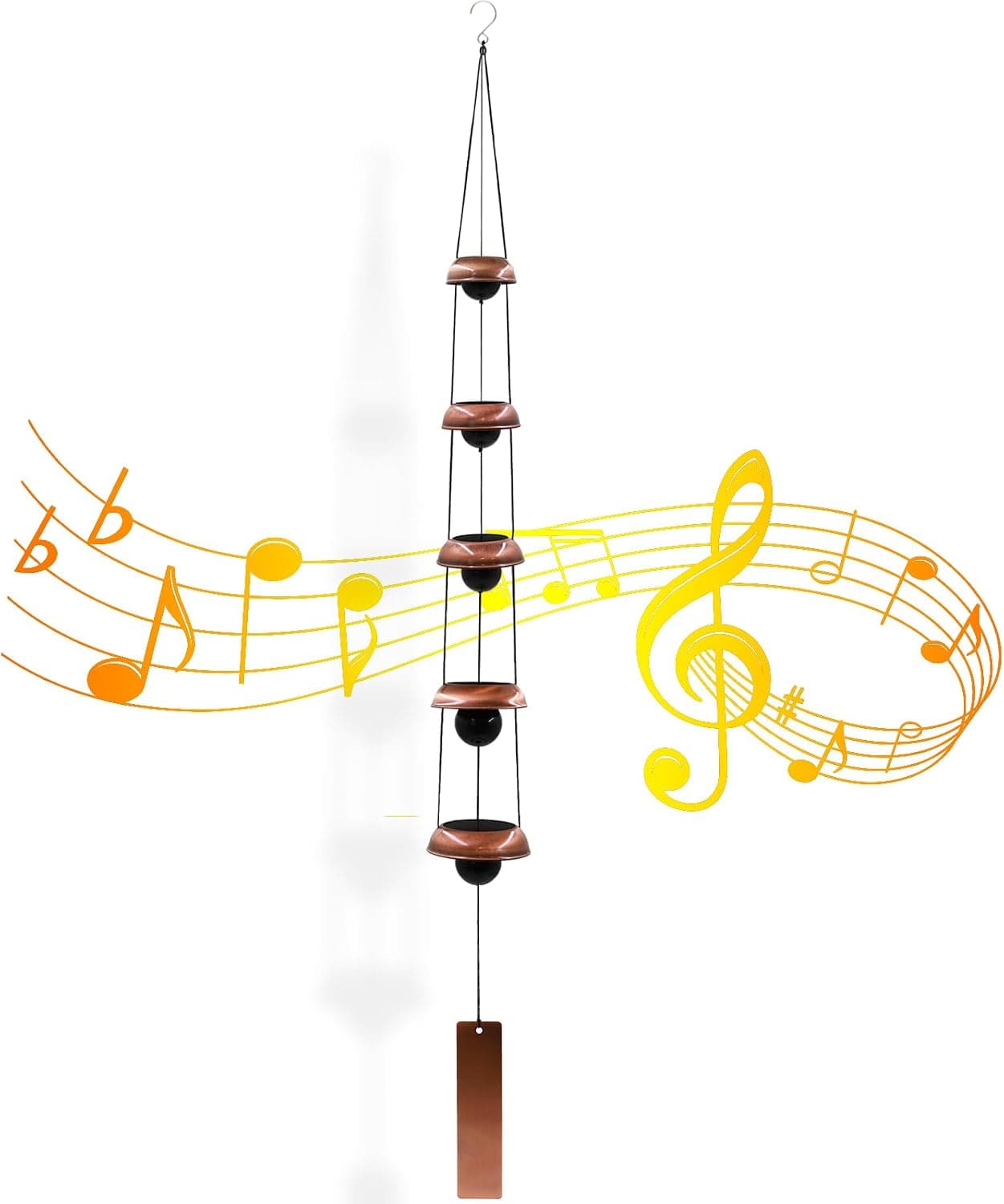 -19%
-19%Wind Chimes for Outside with 5 Bell Unique Copper Musical Chimes Feng Shui Wi...
 -5%
-5%YU FENG Evil Eye Money Tree, Blue Feng Shui Decor with Golden Buddha
 -29%
-29%Karma and Luck March Birthstone Crystal Tree of Life, Aquamarine Gemstone Fen...
 -29%
-29%Karma and Luck July Birthstone Crystal Tree of Life, Ruby Gemstone Feng Shui ...
As an Amazon Associate, we earn from qualifying purchases. We only recommend items our practitioners have personally tested.
Continue Your Journey
Explore these related guides to deepen your understanding:


Ready for Deeper Guidance?
Try our free I Ching reading for personalized wisdom, or explore our curated Feng Shui essentials.