The problem is not the staircase alone; it is how the entry trains the mind to feel rush, drop, and no place to pause.
Why a Smart Person Sees a Problem at the Door
I once stood in a narrow foyer where the front door opened straight onto a stair run painted stark white, and the owner said the same thing people always say when they are trying to sound rational: the house feels like it is losing something before anyone even gets inside. That reaction is not foolish. The first sightline was a clean downward cut, the landing was missing, and the eye had nowhere to rest except the first tread.
The arrangement looked simple, but the feeling was not simple at all. A staircase that appears to pull away from the entrance can make the whole home seem premature, as if arrival and departure are happening in the same instant.
That is why people react so strongly to front door layout and threshold energy before they can explain what is wrong. The door is supposed to announce arrival; a visible downward run announces motion instead.
In 2026, with more people living in compact homes, split-levels, and converted apartments, this pattern shows up more often than traditional floor plans did. The odd part is that the house may function perfectly, yet the entry still reads as unsettled because perception works faster than analysis.
One second long enough to matter: the eye sees descent before it sees welcome.
The Bias That Makes the Layout Feel More Serious Than It Is
People overread stairs facing the entry because the brain is built to notice abrupt movement at the boundary of a space. A sudden downward path near the door feels like a cue to move, leave, or brace, and that creates a quick emotional verdict before the room has a chance to speak for itself.
That is anchoring at work. The first strong visual feature becomes the whole story, so the staircase near the door starts defining the house even when the rest of the interior is calm, proportioned, and bright.
Fluency bias does the rest. “Stairs by the door are bad” is easy to remember, which is exactly why it spreads faster than a more accurate conditional reading about landing geometry, distance, and visibility.
The psychology matters because it explains why two homes with similar stairs can feel completely different. A compact apartment foyer with a clean wall, a mat, and a short pause at the threshold may feel merely tight, while a glaring open stairwell with echoing sound and no visual stopping point feels more urgent and less settled.
And then there is sound. When footsteps carry down a hard stairwell from the entry, the body registers movement even before the mind forms a judgment.
One sentence, and it matters: the nervous system reads the room before the intellect does.
What Feng Shui Is Actually Reading in This Layout
Traditional feng shui is not treating the staircase as a moral failure. It is reading how the entry gathers, holds, and circulates qi. If the first thing visible from the front door is a direct descent, the concern is that energy will spill, rush, or drop too quickly instead of collecting at the threshold.
That is why direct alignment from the front door to the first stair tread carries the strongest reading. The line is clear, the movement is obvious, and the house seems to start by sending energy away from its own center.
This is also where philosophy helps the explanation. Good space is not just filled space; it is legible space. A threshold should support proportion, pause, and transition. When the entry is too abrupt, the balance between yin and yang becomes lopsided: too much motion, not enough settling.
The classic mistake is to turn this into superstition. It is better understood as a relationship between orientation and experience. If a home cannot create a small moment of pause, the occupant feels that lack every time they come in with bags, shoes, noise, and fatigue.
For a broader way to think about the five-element balance of an entry, I often point readers to the five elements cycle in everyday rooms. The staircase issue is not about one element winning; it is about whether the entry can slow, hold, and then distribute movement in a controlled way.
The deeper point is simple. A house should receive you before it sends you elsewhere.
When the Staircase Pattern Is a Minor Concern, and When It Is Not
A split-level house often looks worse than it is. The stairs may be visible from the door, but if there is a landing, a turn, or enough wall coverage to interrupt the sightline, the classic concern is softened. The eye is not shot straight down the stair path, so the reading changes from “drain” to “transition.”
That difference matters more than most people realize. Straight-run stairs facing the door are the most active version of the pattern because the body and the eye both receive an unbroken signal of movement. L-shaped and U-shaped stairs break that signal, and the entry starts to feel less like a chute and more like a passage.
A renter in a narrow apartment foyer usually does not need a grand theory. The real question is practical: does the entry feel abrupt, exposed, and unstable, or is it simply compact? If the stair is close but the space still has a resting point, the issue is often mild.
Cold draft, bright overhead light, and an exposed railing can intensify the effect. So can hard acoustic bounce from tile, wood, and plaster. When those sensory cues stack up, the stairway does not merely face the door; it amplifies the feeling of exit before arrival has finished.
Here is the blunt version: the pattern becomes more serious when the threshold cannot slow down what it is showing you.
And one sentence can save a lot of overcorrection: visible stairs are not automatically bad, but unbroken downward momentum near the entrance usually is.
How the Meaning Changes by Stair Type and Entry Geometry
Straight-run stairs are the hardest to ignore because they create a clean visual vector. If the front door opens directly toward the first tread, the eye tracks the drop immediately, and the body tends to feel the same forward pull. In feng shui terms, that is the classic strong case for concern.
Turning stairs read differently. A stair that bends after a small landing gives the entry somewhere to pause, and that pause changes everything. The line of movement is still there, but it is no longer aggressive.
Open-riser stairs can feel even more exposed because light and sight pass through them. In an entry, that transparency can make the stairwell seem like a visible drain rather than a contained passage, especially if the walls are sparse and the railing is minimal.
Then there are split-level entries, which are often misunderstood because the door and the stairs are close but not identical. The house may feel like it starts in mid-motion, yet the geometry of the landing often creates enough interruption to weaken the harshest interpretation.
I have seen this in a hallway with pale blue walls, a black iron rail, and a short landing that turned left after four steps. From the doorway, it looked dramatic; from inside, it felt ordinary. The landing did the real work.
The rule is not “stairs at the door equal bad.” The rule is more precise: the cleaner the downward sightline and the faster the eye falls, the stronger the concern.
Ranked Remedies That Work in Real Homes and Rentals
If relocation is impossible, start by interrupting the sightline. A solid console, a screen with weight, or even a carefully placed tall object can slow the visual drop without clogging the entry. The goal is not to hide the staircase in a theatrical way; it is to make the threshold feel like a threshold again.
Next, improve the pause at the door. A defined mat, better lighting that is warm rather than harsh, and one stable object with visual presence can change the feeling of arrival. The entry should tell the body, “You have landed,” not “Keep moving.”
Then address the sound. If the stairwell echoes, soften it. A runner, a dense rug at the landing, or materials that absorb impact can reduce the sense that the house is shedding motion as soon as someone enters.
After that, look at balance rather than decoration. One plant can help if it sits where it creates visual stillness rather than clutter. If you want to understand which additions support that kind of balance, see this guide to plants that work in feng shui. The point is not “add greenery everywhere.” The point is to place life where the eye needs a place to rest.
If the staircase is open and unavoidable, a partial screen or a low divider that preserves circulation often works better than a mirror. Mirrors can bounce attention back into the entry and make the movement feel busier, not calmer. That is a common surprise, and not a pleasant one.
Use the least intrusive fix that creates the biggest pause. In rentals, that usually means light, texture, and line-of-sight control before anything else.
And one sentence, because the order matters: first slow the eye, then soften the sound, then decide whether any decorative cure is still needed.
What a Balanced Entry Feels Like Day to Day
A good result is not mystical. You notice that the door opens and the room does not immediately fall away. The eye has a place to stop, the body feels oriented, and the house seems to keep what enters long enough to welcome it properly.
That is the practical measure. If the staircase no longer dominates the first glance, if the landing interrupts the rush, and if the entry feels legible instead of abrupt, the feng shui issue has usually been reduced to something manageable.
This is why the most useful reading is never absolute. Some homes need real correction. Others only need a little resistance in the right place so the threshold can gather rather than scatter. The philosophy behind it is plain enough: proportion creates ease, and ease changes how a place is lived in.
So when people ask about how the entry fits within the larger map of the home, I point them back to this: the front door is not just an opening, it is a filtering point. If the stairs are facing it too directly, the home may be announcing movement before it has finished receiving the person who arrived.
That is the difference between a layout that merely looks dramatic and one that feels settled enough to hold daily life.
FAQ
Are stairs facing the front door always bad feng shui?
No. The strength of the reading depends on alignment, distance, and whether there is a landing or turn to interrupt the line of sight. A staircase that is visible but softened by geometry is a very different case from one that drops straight away from the door.
What should a renter do first?
Start with what changes perception without changing structure. Improve lighting, define the entry with a mat, and use one stable visual anchor to slow the eye before the staircase takes over the whole first impression.
Does a split-level entry count as the same issue?
Surprisingly, not always. Split-level homes often look intense from the doorway, but the landing, turning angle, and wall coverage usually reduce the direct rush that makes the classic problem stronger.
Mei Chen
Traditionally informed guidance • Cross-referenced with classical Chinese source texts
Content draws from both Compass (Luopan) and Form (Xingshi) school traditions. Illustrative examples are composites based on consultation experiences.
Practitioner-Selected Tools for This Topic
Items our team has tested and found effective for the principles discussed above. Individual results may vary.
 -19%
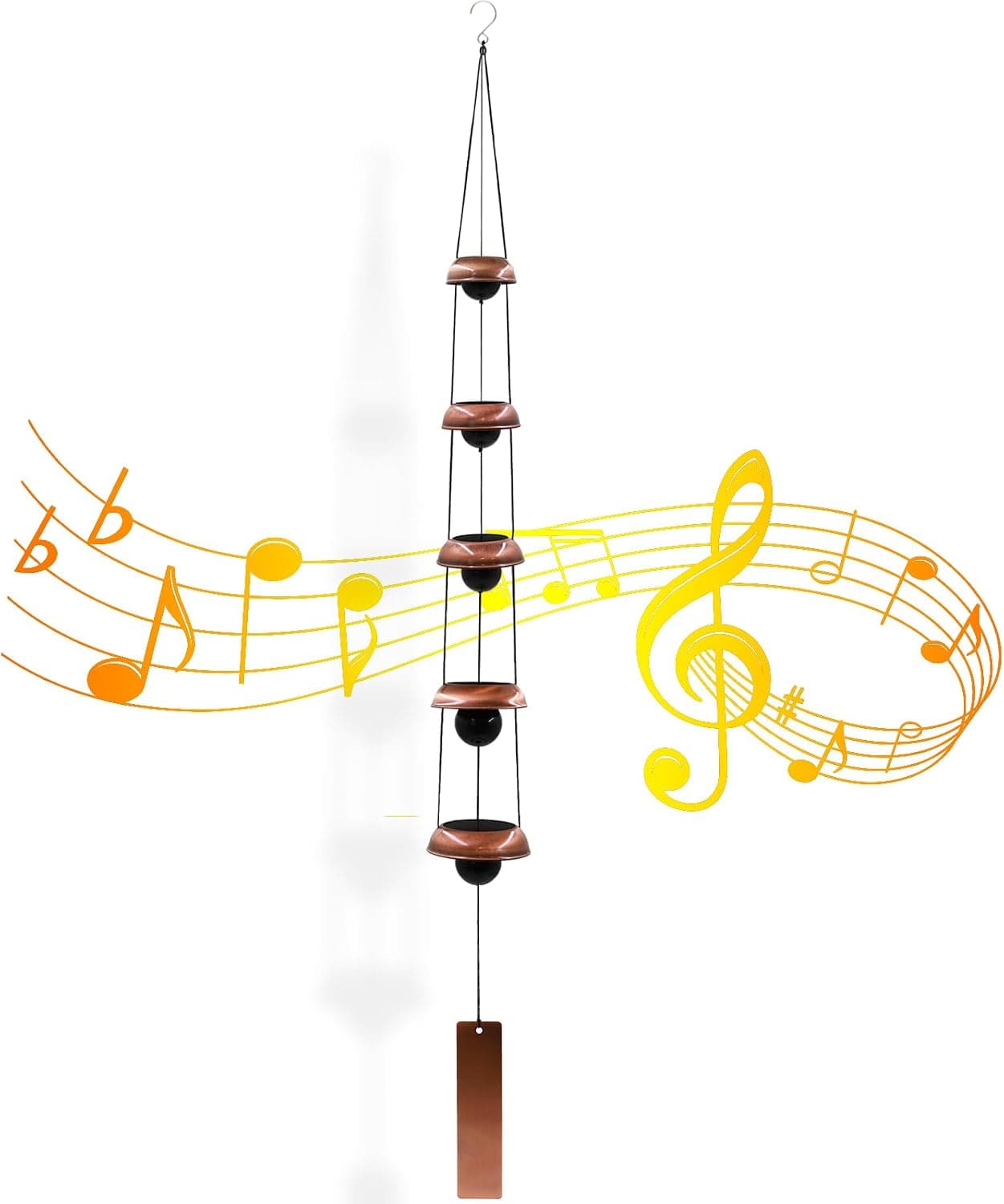
-19%Wind Chimes for Outside with 5 Bell Unique Copper Musical Chimes Feng Shui Wi...
 -5%
-5%YU FENG Evil Eye Money Tree, Blue Feng Shui Decor with Golden Buddha
 -29%
-29%Karma and Luck March Birthstone Crystal Tree of Life, Aquamarine Gemstone Fen...
 -29%
-29%Karma and Luck July Birthstone Crystal Tree of Life, Ruby Gemstone Feng Shui ...
As an Amazon Associate, we earn from qualifying purchases. We only recommend items our practitioners have personally tested.
Continue Your Journey
Explore these related guides to deepen your understanding:


Ready for Deeper Guidance?
Try our free I Ching reading for personalized wisdom, or explore our curated Feng Shui essentials.