If love feels stalled at home, the problem may be sitting in one neglected corner.
When the relationship energy feels strangely flat
You can buy fresh sheets, light the expensive candle, and still feel like the relationship has gone a little cold. I’ve seen couples do everything “right” in the bedroom and somehow still argue over tiny things: who forgot the laundry, who left the charger on the floor, who is emotionally unavailable at 11:40 p.m. The room looks fine. The mood does not.
That is usually when I start looking at the southwest sector of the home, because this area carries the tone of partnership, receptivity, and steady commitment. If you want to feng shui southwest love corner activate in a way that actually changes the atmosphere, you need more than romantic decor. You need a room that supports closeness instead of distraction. For a clearer map of how sectors work, the bagua map layout is the first thing I check.
One couple I visited in a townhouse in Portland had a beautiful primary bedroom, but the southwest corner was doing all the wrong things. A tall white laundry basket sat there, a mirror faced the bed, and a bright blue exercise bike was parked under a window. The wife told me she slept lightly and her husband had started working late in the room. We moved the bike, removed the mirror from that wall, and added a pair of soft beige ceramic lamps. Within two weeks, they reported fewer pointless arguments and, more surprisingly, they both started going to bed at the same time again.
That kind of change is not magic. It is environment correcting behavior.
What the southwest love corner is actually doing
In classical feng shui, the southwest is associated with Earth energy and the qualities that make a partnership stable: patience, nourishment, and mutual support. It is not about drama or sparks. Sparks come and go. The southwest corner is where a home quietly says, “We belong together here.”
If this sector is cluttered, noisy, underused, or visually harsh, the message changes. The home starts broadcasting incompletion, delay, or emotional scatter. That is why a corner full of storage boxes, old receipts, or a lonely lamp with a broken bulb can feel oddly heavy even when the rest of the room looks polished.
Here is the practical part: the energy of this corner should feel grounded, warm, and paired. Think soft symmetry, solid shapes, earthy colors, and objects that suggest cooperation rather than performance. This is one place where the usual Western habit of “just make it pretty” misses the point. Pretty is not the same as supportive.
And no, you do not need to fill the room with hearts. That would be too literal and often too childish for adult partnership energy. The stronger move is subtle. A matched pair of objects. A tone of cream, sand, blush, taupe, or muted rose. A sense that the room has room for two people, not just one person’s taste.
How to work the corner without forcing it
Start by standing in the room and locating the southwest area, then look at what is actually living there. If the corner is used for storage, clear it. If it holds exercise equipment, work files, pet supplies, or a pile of “I’ll deal with it later,” move those things somewhere else. This is one of those moments where people get defensive. They want a love fix, but they are keeping the corner occupied by unfinished life.
Once the space is clear, give it a purpose that feels calm. A pair of nightstands can do more than a shelf full of romantic trinkets. A ceramic vase with two stems, a low table with rounded edges, or a lamp on each side of the bed can create a feeling of equality. If you are decorating the bedroom itself, the principles in a balanced bedroom setup help a lot, because romance rarely survives chaos for long.
Color matters, but do not paint the room like a dessert shop. Earth tones work best in the southwest: soft clay, warm ivory, camel, muted terracotta, dusty pink, and gentle ochre. If the room is already strong in another color, you can introduce the energy through accessories. A throw pillow, art with stable shapes, or a rug with grounded texture will do more than an over-the-top makeover. Heavy reds can be useful in small doses, but too much fire makes the room restless, not loving.
Material choice matters too. Earth tones should come with real weight and texture. Ceramic beats plastic. Linen beats shiny satin. Stone, clay, pottery, cotton, and matte wood all help the corner feel settled. The aim is not luxury for its own sake. The aim is a room that feels held together.
There is also a hidden point people miss: the southwest corner should not feel abandoned. If you never use that part of the home, it can become energetically dead. Put a meaningful object there, then interact with the space. Sit there sometimes. Place a reading chair nearby. Let a relationship become part of the room’s regular life. Energy follows attention with uncomfortable precision.
Simple adjustments that create a real shift
When I work with couples, I usually begin with the easiest corrections first. I remove the obvious irritants. Broken lamps. Dead flowers. Single chair awkwardly facing a wall. Stacks of bills. One client, a retired teacher named Elaine, had a dusty mauve loveseat in the southwest corner of her den, but it was buried under knitting bags and an unplugged air purifier. We cleared the bags, plugged in a small lamp with a warm bulb, and placed two framed photos from a trip to Santa Fe on the wall. She later told me the room felt “less lonely” within a week.
That is the word I listen for: lonely. Not dramatic. Not broken. Lonely.
If you want a stronger response, pair the southwest with symbols of partnership that feel mature. Two matching candles. Two armchairs angled toward each other. A single piece of art showing a landscape with steady earth and open space. Avoid lonely symbolism: one swan, one chair, one tall object pushed into the corner like an afterthought. The room should read as companionable, not isolated.
Light is especially important. Use a warm light source rather than a cold white bulb. Harsh lighting can make even a beautifully arranged corner feel clinical. Soft, indirect light invites rest and conversation. If the corner is dark, that can be just as problematic as clutter. Shadow is not mysterious here. Often it is simply neglected.
For homes where the southwest falls in a hallway, closet, or awkward pass-through area, do not force a faux-love shrine into a bad layout. Use what the location can support. Keep it clean, lit, and visually settled. A grounded arrangement works better than a dramatic one. If the area is especially hard to interpret, compare it with the rest of the home’s circulation and support it with principles from the living room energy guide, because movement through a home shapes connection more than people realize.
And if the bedroom itself is the southwest sector, be even more careful. That room should not carry work, clutter, or screen addiction if you want intimacy to deepen. Phones on the nightstand, laundry in the corner, and a glowing device by midnight all send a message louder than any rose quartz ever will.
Two mistakes that quietly sabotage the corner
The first mistake is overloading the area with romance symbols and expecting the symbolism to do the job. A box of heart-shaped candles does not repair exhaustion, resentment, or a room that feels crowded. The symbol must support the condition of the space, not replace it. If you need help spotting the usual traps, I break down the most common entryway mistakes that affect the whole home, because incoming energy and relationship energy often mirror each other.
The second mistake is mixing the southwest with too much active energy. Exercise gear, loud speakers, work materials, or aggressive art can turn a partnership corner into a productivity zone. That might sound efficient, but efficiency and intimacy are not the same thing. One is about output. The other is about mutual ease.
Do not underestimate color either. A black accent wall or a stark metallic scheme can be beautiful in the right room and wrong in this one. I have watched a sleek gray-and-steel setup make a bedroom feel like a corporate conference suite with better pillows. People then wonder why no one feels affectionate there. The room already told them.
How to use the southwest corner in a way that lasts
The best adjustments are the ones you can live with for months, not the ones that look good for a weekend. Choose one stable object, one warm light, and one pair-based symbol you genuinely like. Then keep the area clean. That is not glamorous, but it works.
If you share the home with someone, make the corner reflect both people. Not in a forced compromise way. In a respectful way. A shared framed photo, a travel object from a meaningful trip, or two chairs that both actually fit the room can do more than a shelf of generic “love” decor. I have seen people spend hundreds on crystals while ignoring the fact that the southwest corner was functioning as a dumping ground for winter coats.
Even when the relationship is already good, this work helps it stay good. That is the part people miss. Feng shui is not only for fixing visible problems. It is for reducing the friction that slowly erodes warmth. If your home makes cooperation easier, the relationship usually follows.
For some homes, the clearest support comes from combining this corner work with a stronger understanding of the house’s orientation. If you are curious about how direction changes the feel of a property, the south-facing house energy patterns page can help you read the larger picture.
And yes, you can absolutely feng shui southwest love corner activate without turning your home into a Valentine shop. Quiet changes tend to last longer. Softness. Order. Pairing. Warmth. Those are the levers.
FAQ
Should the southwest corner be in the bedroom or the whole house?
Both can matter, but the bedroom usually has the strongest effect on intimacy. If the bedroom falls in the southwest, that sector deserves special care. If it appears elsewhere in the home, keep it clean, grounded, and supportive of partnership rather than storage or noise.
Can I use crystals in this area?
You can, but they are not the main event. A crystal placed in a cluttered or lonely corner will not do much. The space has to feel orderly and paired first; then a stone can reinforce the tone rather than carry the whole job.
What if my southwest corner is a bathroom or closet?
That happens more often than people think. In that case, focus on cleanliness, good lighting, and a sense of care. Keep it dry, pleasant, and free of random storage, because neglected utility spaces can drain the gentler relationship quality of the home.
How fast should I expect results?
Sometimes the room feels different the same day, especially if the clutter was obvious. Relationship changes may take longer, because people are not lamps you can rearrange. Still, a better environment often changes behavior sooner than skeptics expect.
Mei Chen
Traditionally informed guidance • Cross-referenced with classical Chinese source texts
Content draws from both Compass (Luopan) and Form (Xingshi) school traditions. Illustrative examples are composites based on consultation experiences.
Practitioner-Selected Tools for This Topic
Items our team has tested and found effective for the principles discussed above. Individual results may vary.
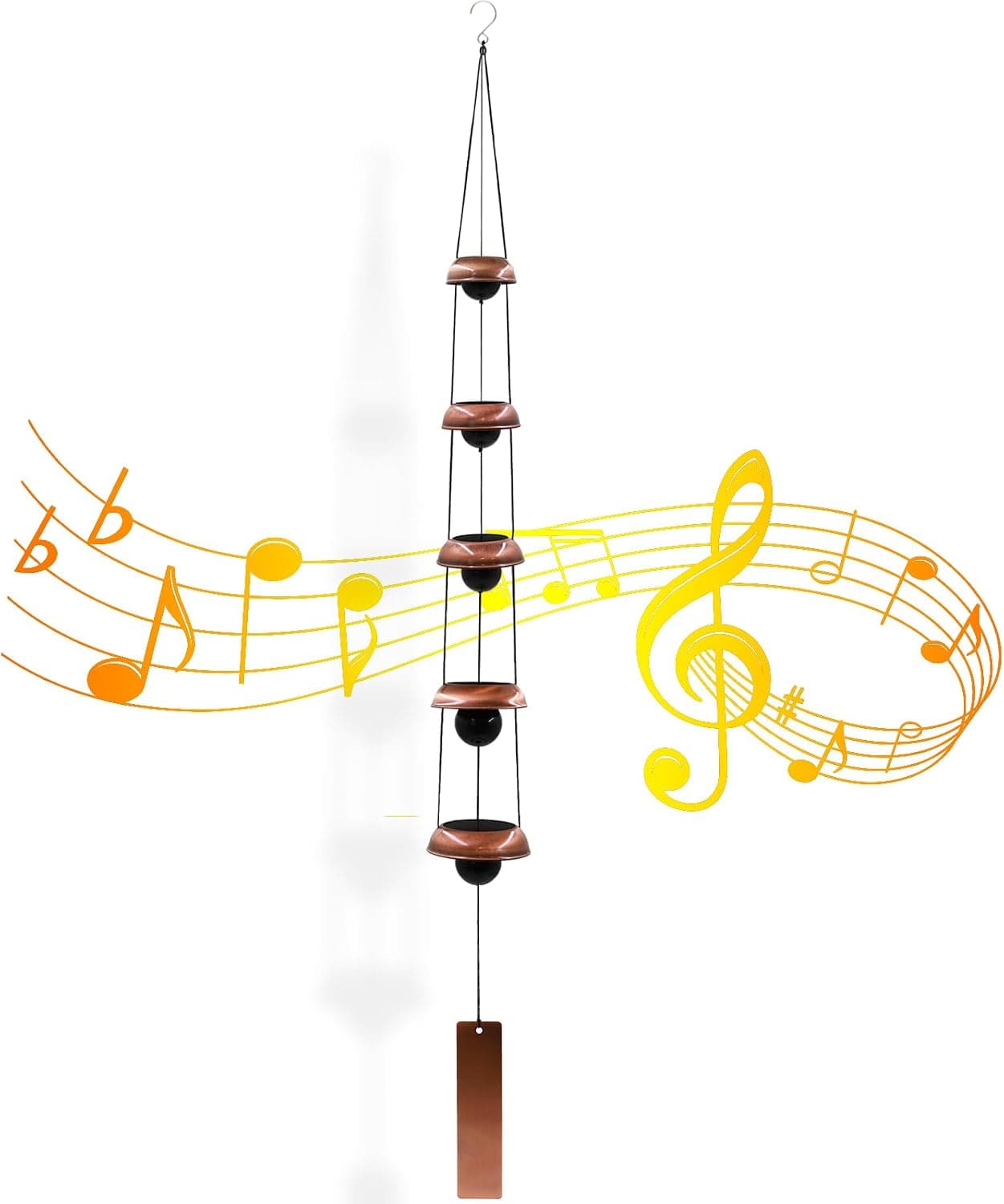 -19%
-19%Wind Chimes for Outside with 5 Bell Unique Copper Musical Chimes Feng Shui Wi...
 -5%
-5%YU FENG Evil Eye Money Tree, Blue Feng Shui Decor with Golden Buddha
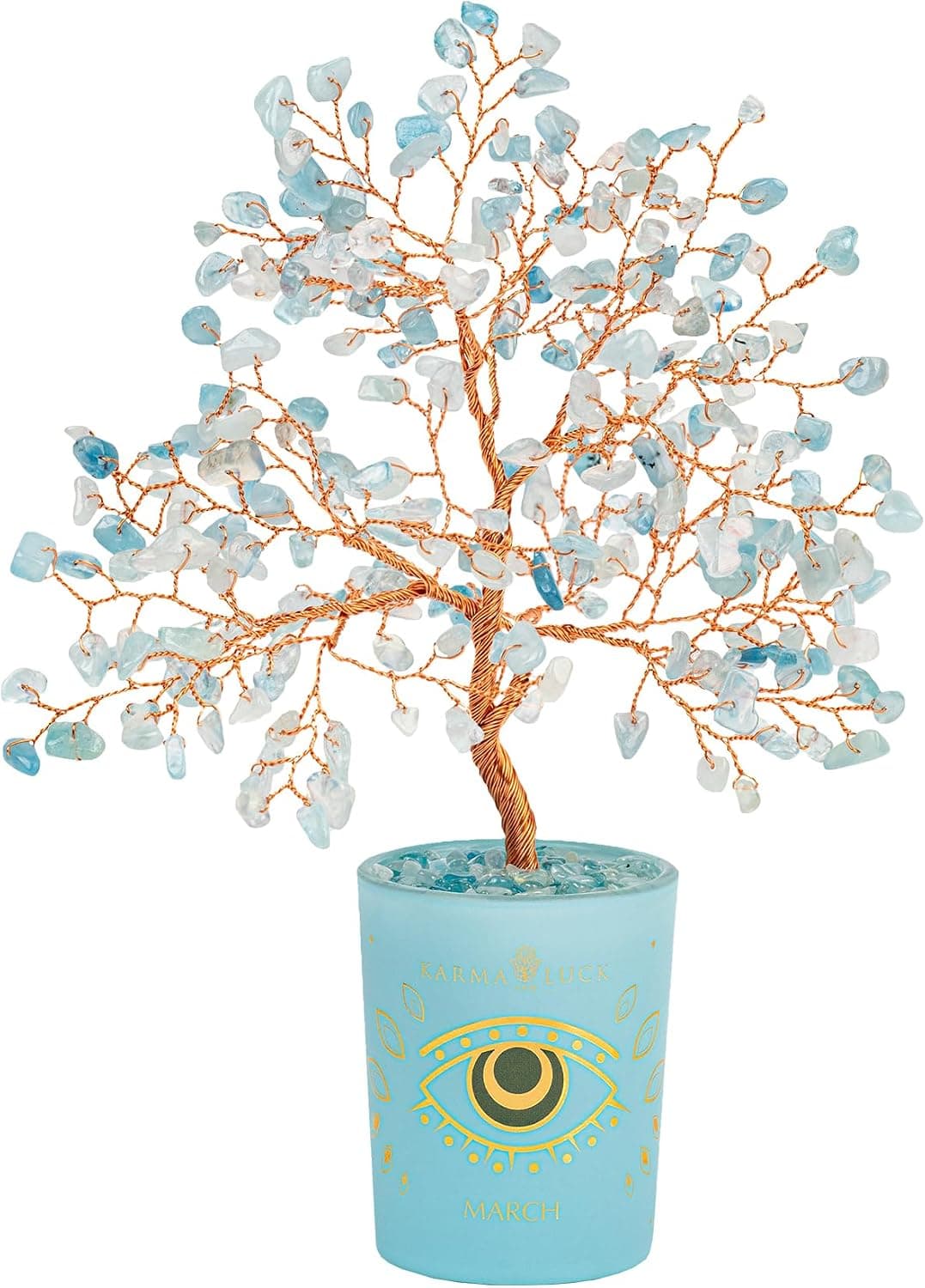 -29%
-29%Karma and Luck March Birthstone Crystal Tree of Life, Aquamarine Gemstone Fen...
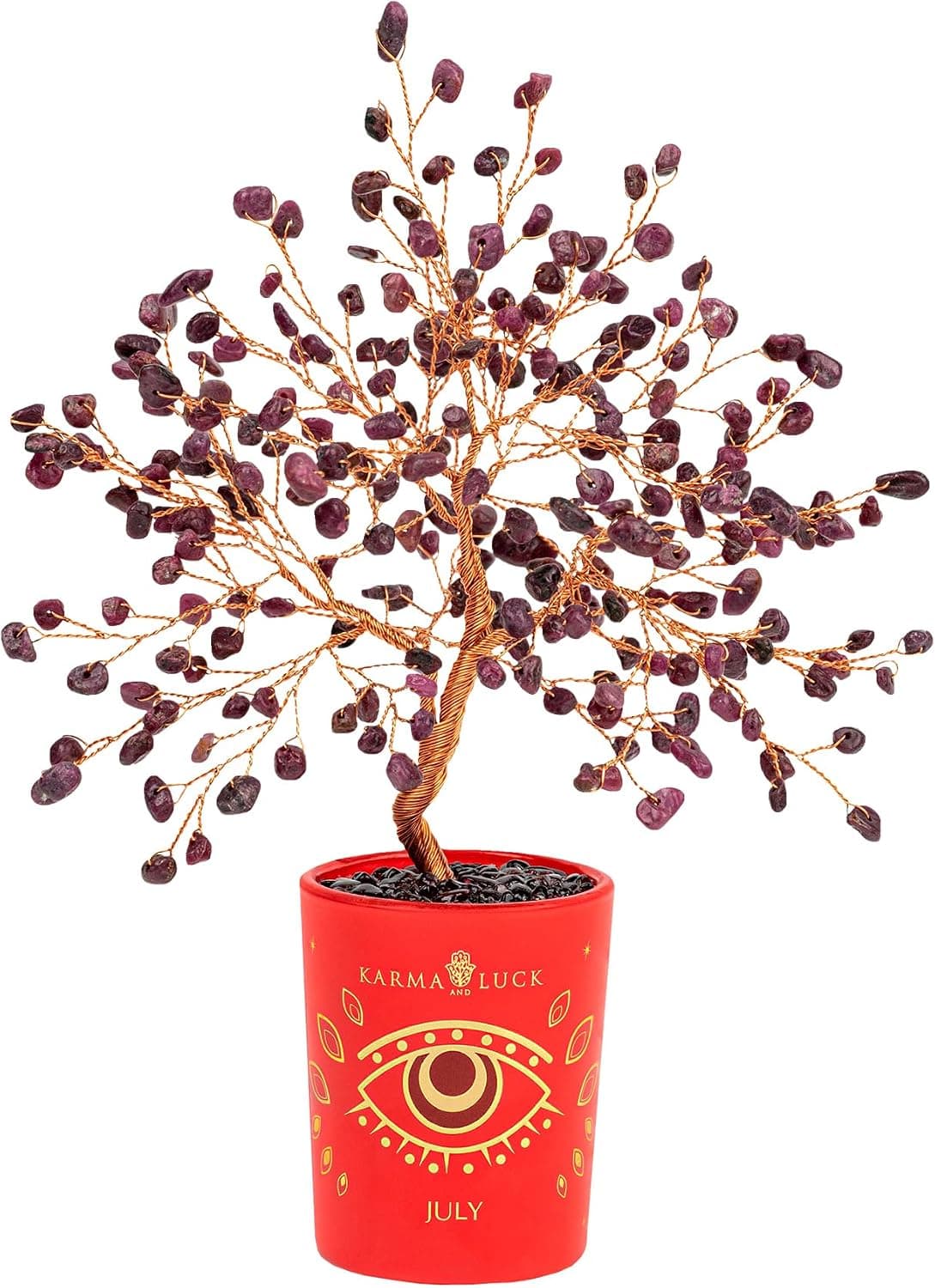 -29%
-29%Karma and Luck July Birthstone Crystal Tree of Life, Ruby Gemstone Feng Shui ...
As an Amazon Associate, we earn from qualifying purchases. We only recommend items our practitioners have personally tested.
Continue Your Journey
Explore these related guides to deepen your understanding:


Ready for Deeper Guidance?
Try our free I Ching reading for personalized wisdom, or explore our curated Feng Shui essentials.