A cluttered southeast corner can feel harmless, but it often slows money, momentum, and confidence at home.
The corner that keeps getting ignored
I walked into a blue-and-white home office in Portland and found the southeast corner doing exactly what bad corners do: nothing. A dusty floor lamp, two stacked moving boxes, and a dead pothos sat there like the room had given up. The homeowner had been trying to read the bagua map correctly, but this corner was still left as dead space. Within three weeks of changing that one zone, the room felt easier to use and the client stopped saying, “I just can’t get traction.”
If your money feels stalled, that corner is worth checking before you buy another charm. The southeast sector carries the wood quality linked to growth, cash flow, and the ability to hold opportunity instead of leaking it. People love to chase dramatic cures. I’ve seen far better results from clearing one neglected corner than from piling five “wealth items” on a desk.
The fix is usually simpler than people expect.
That does not mean the southeast corner should be stuffed with green objects and called done. It means the area needs room, movement, and a clean signal that says, “Growth belongs here.” When people try to feng shui southeast wealth corner activate without understanding the whole shape of the room, they often place symbols on top of chaos. Chaos wins every time. Energy follows the stronger message.
What actually activates the southeast
Start with the basics. The southeast corner should feel alive, not loud. A healthy wooden surface, an orderly shelf, a thriving plant, or a lamp with warm light can support this sector because they all signal steady expansion. Notice the word steady. The wealth corner is not about forcing money. It is about creating conditions where growth can take root and keep going.
Color matters, but not in the cartoonish way social media suggests. Green is useful because it speaks the language of wood, yet you do not need a room that looks like a tennis court. Deep green, softened teal, or natural wood tones can work if the corner itself is clean and functional. If the area is already crowded, adding more color only adds more noise. This is where many well-meaning cures fail. They decorate over dysfunction.
One client, an architect named Daniel, had his southeast corner buried under a folding chair, a broken printer, and a box of old invoices in a charcoal-gray home office. He insisted the real issue was his “money luck.” I asked him to clear the corner, place a simple ceramic bowl in soft green on the shelf, and replace the buzzing lamp with one warm bulb. Ten days later he told me the room felt less tense, and two freelance contracts that had been stalled suddenly moved forward. Coincidence? Maybe. But I have seen the pattern too many times to ignore.
Clarity is the first wealth cure.
That is the part people miss when they try to feng shui southeast wealth corner activate in a single afternoon. They focus on symbolism and skip structure. First, remove broken items, dry plants, paperwork, and random storage. Then make sure the area has clean lines and a purpose. A corner cannot support growth if it is being used as a junk drawer.
Light is another quiet factor. A dim southeast corner often behaves like a stalled conversation. It does not need to blaze. It needs enough brightness to be noticed. In a dining room, a table lamp near that corner can be enough. In a hallway, a soft uplight or even a clean mirror positioned with care can bring the area back into circulation, though mirrors should be used thoughtfully rather than as a reflex.
How to work the corner without overdoing it
Begin by standing at the room’s entrance and finding the far left corner from there. That is the classic placement method many practitioners use, and it helps you avoid guessing. Once you locate it, ask a blunt question: does this area support growth, or does it store leftovers? The answer is usually obvious. If the corner is under a spider plant with yellowing leaves, next to a basket of cables, it is sending mixed signals at best.
Clean the area thoroughly. Dust is not mystical, but it behaves like a slow refusal. Open the window if you can. Let air move through the room for a few minutes. Then place one or two supportive items, not a museum of cures. A healthy plant is excellent if you can keep it alive. A wooden tray, a piece of art with upward movement, or a small lamp can also help. Keep the shapes smooth and the feeling calm. Wealth likes order.
One thing I tell students: do not make the southeast corner compete with the whole room. If your bedroom already carries too much activity, tread lightly. In a home office, the cure can be a desktop plant and clear shelving. In a dining room, a bowl of fruit and a clean surface may be enough. In a hallway, a framed image of growth or landscape works better than a cluttered altar of intentions. If you need a broader room strategy, this look at living room energy flow will help you see how one zone affects the rest of the house.
Color can be layered with restraint. Green is useful, but so are browns, soft blues, and the natural tone of wood. I often prefer one strong object over five weak ones. A single healthy plant in a clay pot says more than a shelf full of trinkets. The energy should feel grounded and upward-moving, like a tree rather than a shopping cart.
If you want to use symbols, choose ones that feel authentic to you and fit the room. A small fountain is not automatically better than a plant. A crystal bowl is not automatically better than an uncluttered shelf. The southeast corner responds to the quality of the environment first. Objects come second. That order matters more than people think.
Common mistakes that flatten the result
One mistake I see constantly is overstuffing the corner with wealth symbols while ignoring the room’s actual problems. If the neighboring area is dark, noisy, or packed with clutter, the southeast sector cannot do all the work alone. Another mistake is placing dead or dusty plants there because they “count” as wood. They do not. A dying plant is not a cure; it is a warning. If you want a stronger plant strategy, the right houseplants for feng shui can help you choose one that actually supports the space.
The other error is treating the corner like a magic button. It is not. It is a signal amplifier. If the room already carries momentum, the southeast corner helps that momentum stick. If the room is chaotic, the corner reflects the chaos back at you. That is why I prefer practical changes over dramatic rituals. Remove the junk. Repair the broken light. Add one living element. Then leave it alone long enough to work.
And no, you do not need to obsess over it daily. Once the corner is balanced, maintain it. Check for dust. Keep it usable. Replace plants before they collapse. Wealth energy likes consistency. Not theater.
Simple order of operations
First clear the corner completely. Second, clean the floor, wall, and anything sitting there. Third, decide whether the space wants a plant, a lamp, a wooden object, or a piece of art that suggests upward growth. Fourth, keep the color story gentle and coherent. Fifth, watch the room for a week before adding anything else. That sequence sounds plain because it works.
In a compact apartment, the southeast corner may be part of the bedroom, the entry path, or even a tight office nook. Then the remedy must be discreet. A small wooden stand, a healthy plant in a simple pot, or a tidy shelf can do the job without crowding the room. If the corner sits near the front door, it should still feel welcoming and clear; the entry affects the whole home, and front door energy sets the tone far more than most people realize.
For some homes, the most effective change is also the least glamorous: taking out the box of old bills. I watched a retired teacher in a yellow kitchen remove six months of unopened mail from her southeast counter. She replaced it with a small jade plant and a wooden bowl. Two weeks later, she said the kitchen felt “less argumentative.” That is what a healthy wealth corner often does. It reduces friction so opportunities can land.
FAQs
Do I need a plant in the southeast corner?
Not always. A plant is helpful when it is healthy and the room can support it, but it is only one expression of the wood energy. A clean wooden object, good light, or a piece of art with upward movement can work just as well.
Can I activate the southeast corner in a bedroom?
You can, but lightly. Bedrooms need rest first, so avoid turning the space into a shrine for money. A small plant, a tidy nightstand nearby, or a subtle green accent is safer than bright lights or too many objects.
What if the southeast corner is a bathroom?
That is a trickier setup because bathrooms drain and disperse energy. Focus on cleanliness, strong maintenance, and a calm visual field rather than stacking cures. Keep it fresh, dry, and uncluttered, and avoid making it busier than it needs to be.
How long before I notice a change?
Sometimes the room feels different the same day, especially if the corner was cluttered or broken. Financial shifts usually take longer, because they depend on behavior and opportunity as much as placement. The surprising part is how often the practical fix comes before the emotional one.
Mei Chen
Traditionally informed guidance • Cross-referenced with classical Chinese source texts
Content draws from both Compass (Luopan) and Form (Xingshi) school traditions. Illustrative examples are composites based on consultation experiences.
Practitioner-Selected Tools for This Topic
Items our team has tested and found effective for the principles discussed above. Individual results may vary.
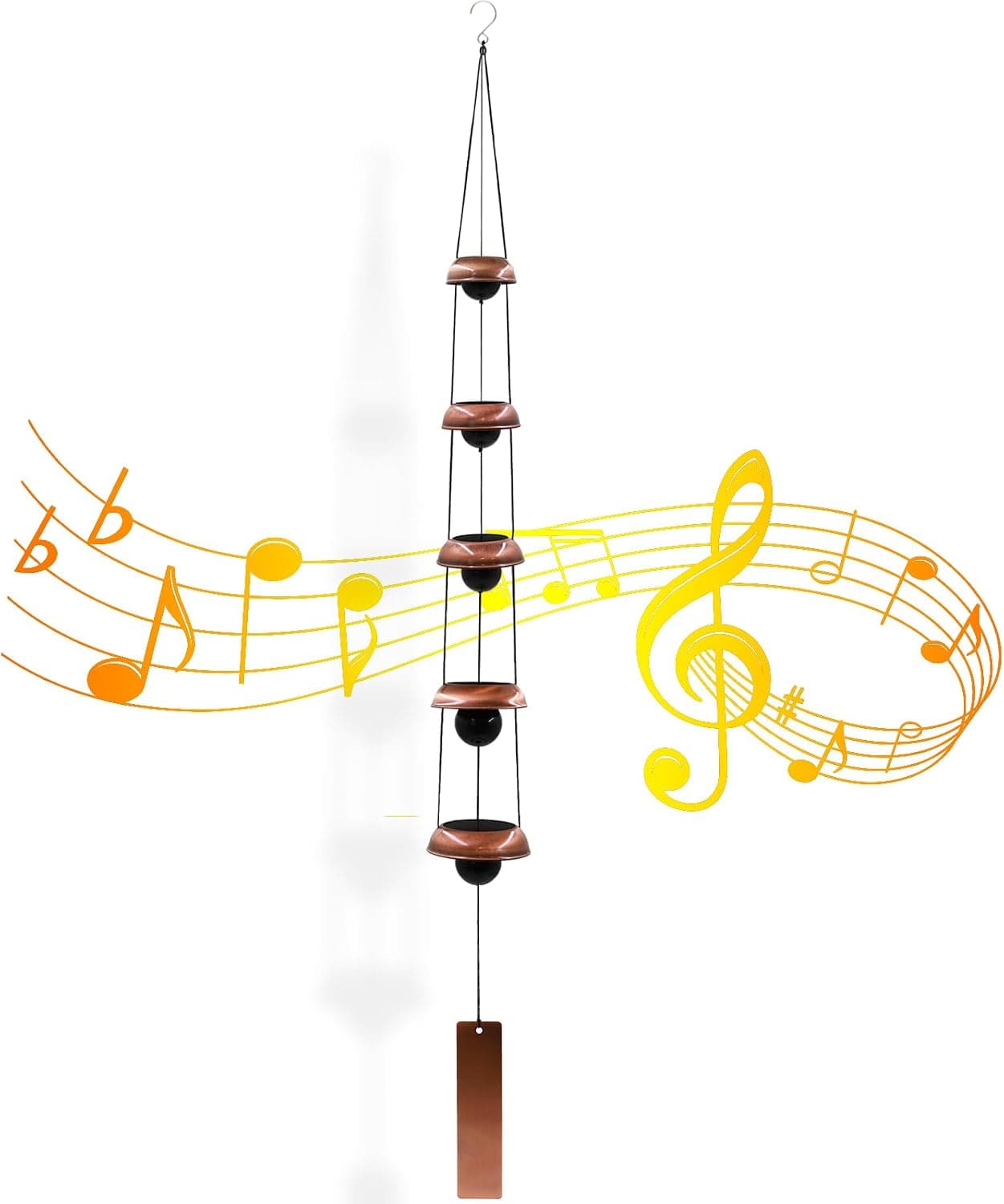 -19%
-19%Wind Chimes for Outside with 5 Bell Unique Copper Musical Chimes Feng Shui Wi...
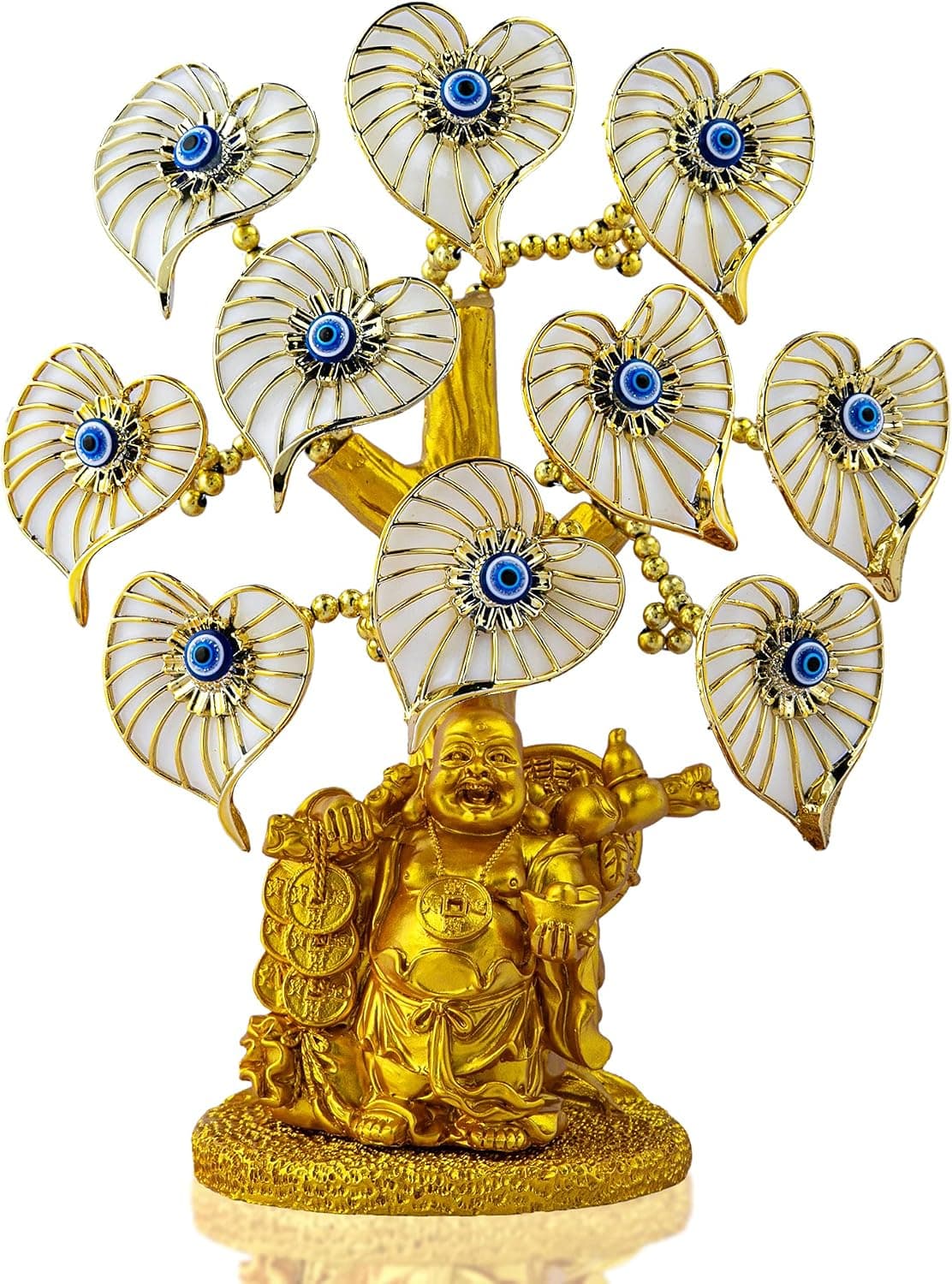 -5%
-5%YU FENG Evil Eye Money Tree, Blue Feng Shui Decor with Golden Buddha
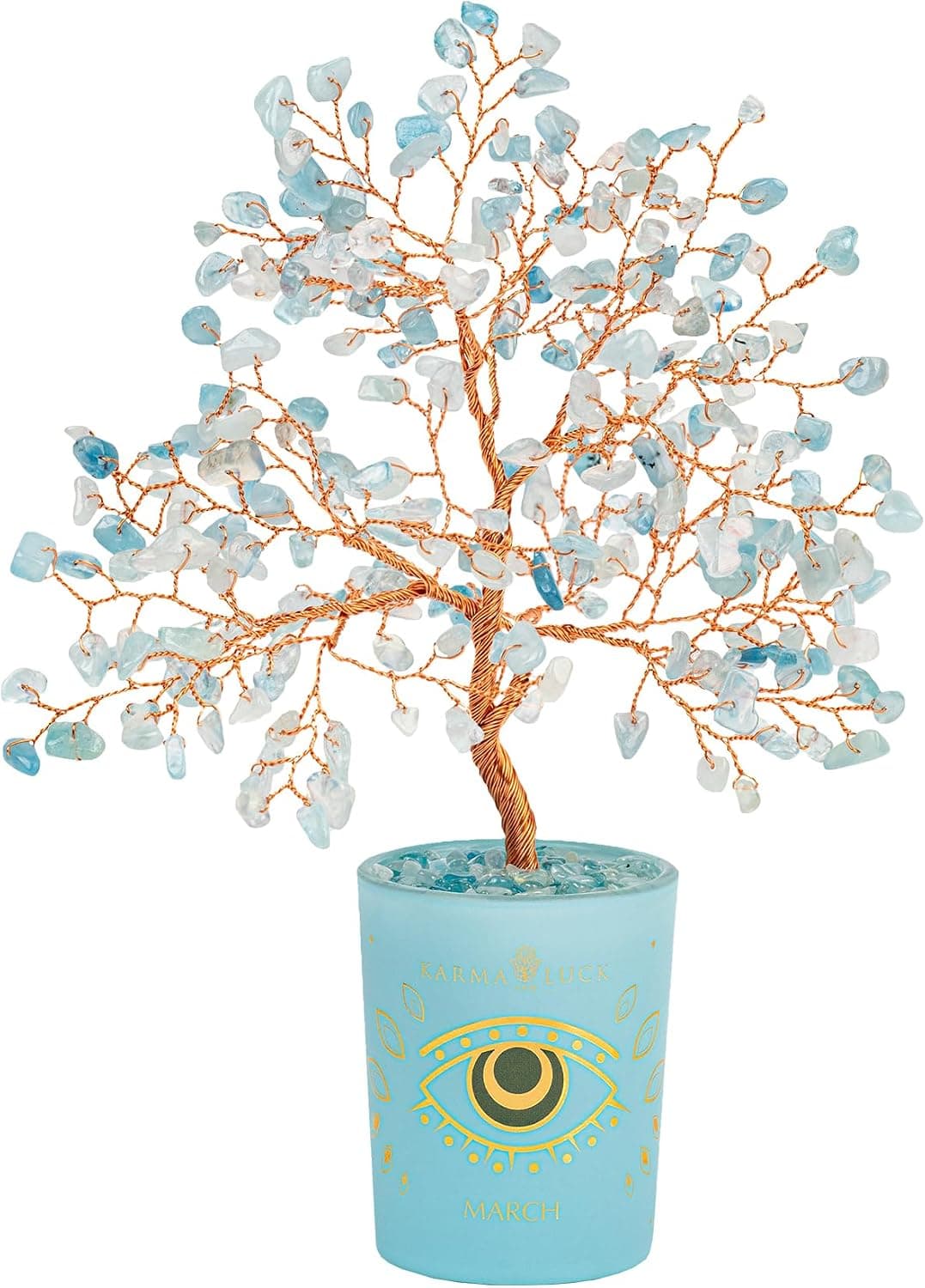 -29%
-29%Karma and Luck March Birthstone Crystal Tree of Life, Aquamarine Gemstone Fen...
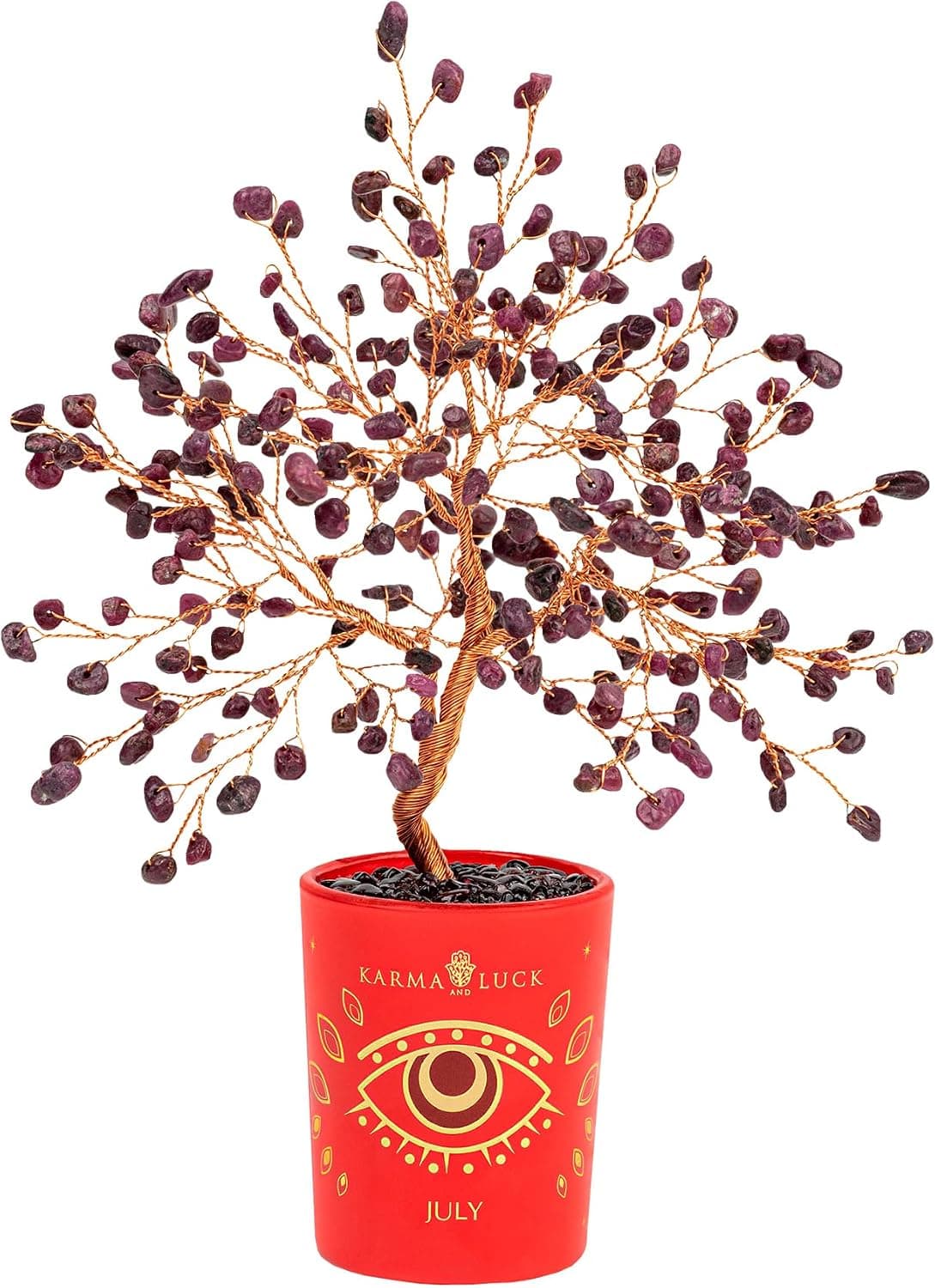 -29%
-29%Karma and Luck July Birthstone Crystal Tree of Life, Ruby Gemstone Feng Shui ...
As an Amazon Associate, we earn from qualifying purchases. We only recommend items our practitioners have personally tested.
Continue Your Journey
Explore these related guides to deepen your understanding:


Ready for Deeper Guidance?
Try our free I Ching reading for personalized wisdom, or explore our curated Feng Shui essentials.