A narrow recess can calm a room faster than a full wall of decor—if you stop treating it like dead space.
The Real Story Behind Feng Shui Small Bedroom Tips
Examining Feng Shui Small Bedroom Tips more carefully uncovers details that standard references skip. People clear clutter, buy a lighter duvet, and still wake at 3:17 a.m. with the same tight feeling in the chest. I saw it in a white-painted guest room in Portland: one recessed alcove beside a wardrobe, a blue lamp on the floor, and a bed pushed hard against the opposite wall. The owner had followed every common rule, yet the room felt more compressed after the “fixes” because the recessed space had been ignored instead of used.
That is the mechanism most advice skips. A small bedroom does not fail only because it lacks square footage; it fails when the eye has nowhere to settle and the body cannot read the room’s edges. An alcove changes that because it acts like a pressure valve, pulling visual weight off the sleeping zone and giving qi a place to slow down before it hits the bed. Not magic. Geometry.
Think of the room as a simple system: input, movement, output. The input is what the room receives—light, objects, colors, daily habits. Movement is how those things travel, and in a narrow room they usually rush straight toward the bed. Output is what you feel: shallow sleep, snappish mornings, laundry chairs that multiply like rabbits. When a recessed space is shaped well, it interrupts that rush.
Most people miss the alcove because it looks like leftover architecture. Big mistake. In practice, it is often the most useful part of the room.
I've seen a teenager's bedroom on the second floor of a brick house where the alcove held a narrow oak shelf, a folded throw in muted green, and one ceramic bowl for watch, keys, and lip balm. Within a week the desk stopped collecting textbooks, the bed stopped acting like a dumping ground, and the room felt easier to enter at night. Same furniture count. Different circulation.
That shift matters because the body reads boundaries faster than the mind does. A recessed zone offers a contained task: store, soften, display, or anchor. Without that task, the space becomes visual static, and the bedroom keeps asking your attention to do unpaid labor.
How the alcove changes the room's mechanics
Start with the line of sight. If you can lie in bed and see a dark pocket, a jagged stack of boxes, or a mirror aimed into the recess, the room keeps sending tiny alarms. The nervous system treats unfinished edges like unfinished business. In a small bedroom, that matters more than in a larger one because every object sits closer to your pillow.
Use the recess to create a slowing point, not another storage graveyard. A single basket, a low lamp, or a vertical branch arrangement can make the alcove feel intentionally occupied, and intentional occupation reduces the sense of drift. The trick is restraint. Fill it enough to read as purposeful, then stop before it becomes a second closet.
Placement changes the result. An alcove near the door behaves differently from one beside the bed. Near the door, it can absorb incoming motion and keep the room from feeling hit by the hallway. Beside the bed, it can act like a quiet companion zone, especially if the mattress is already squeezed on one side. That is why a mirror in the wrong recess can feel jangling while a covered book stack in the same spot feels settled.
Room function matters too. A reading nook in the alcove works only if the chair is slim enough to preserve walking space and the lamp throws warm light across the page rather than into the sleeping field. Otherwise the nook becomes a lure for late-night scrolling. I have watched a perfectly styled corner turn into an insomnia machine because the owner put a bright tablet stand there and called it “relaxing.”a bedroom setup that actually supports rest makes a different choice: less stimulation, clearer edges, fewer excuses to stay awake.
One detail gets ignored constantly: the recess should answer the room's dominant problem. Too much activity? Soften it. Too much emptiness? Add one grounded object. Too much visual fragmentation? Use one color family so the alcove reads as part of the room instead of an interruption. That is the engineering logic. Match the correction to the fault.
Which recessed spaces help, and which ones sabotage sleep
A shallow niche with a clean back wall can be excellent for a lamp, a bowl, or a small plant. A deep alcove with poor light often needs more discipline because it can swallow objects and turn them into visual debt. The deeper the recess, the more carefully it must be edited, because depth creates mystery only when it is clean. Dirty depth just looks like neglect.
Corner alcoves are different again. They can collect qi beautifully when they contain one rounded item, but sharp storage bins shoved into them create a stop-start feeling that people interpret as “bad luck” or “stress.” Usually it is simply awkward flow. You feel it when your shoulder brushes a box every time you reach for the curtain.
Here is where common bedroom advice goes sideways. People are told to remove everything from the floor, then they strip the alcove bare and leave a blank, hungry cavity. The room gets louder, not quieter, because the eye keeps dropping into that empty pocket and wondering what should go there. The alcove needs a role. Empty is not always calm.
On the other hand, stuffing it with sentimental objects is worse. Wrong. That turns the recess into an emotional archive, and bedrooms already carry enough memory without help from old cards, broken jewelry, and a winter coat you have not worn in two years. I've seen sleep improve within nights after a client moved that exact pile into a labeled box elsewhere.
Color matters here more than trend advice admits. A recessed space painted the same shade as the surrounding wall tends to recede softly, which helps in tiny rooms. A deep charcoal alcove can be useful in a bright apartment because it anchors the eye, but in a dim room it can feel like a hole. The room tells you which way to go if you are willing to look.
When I walked through a small Brooklyn studio last fall, the alcove by the radiator held a pale linen curtain pinned back with brass clips, a stack of art books, and one round mirror angled away from the bed. The owner had been convinced mirrors were always risky in bedrooms. Yet this one worked because it reflected the window ledge, not the sleeper, and the recessed frame kept the reflection contained. The room stopped feeling like a hallway with a mattress in it.
How to use the recess without making the room busier
Choose one job for the space. Storage, rest, display, or softening. Not all four. When a small bedroom tries to do everything, the recess becomes a bargaining table, and the bed pays the price. Pick the job that the room is least able to manage on its own.
If the room already feels crowded, use the recess to hide the least elegant necessities: tissue box, charger dock, reading glasses, water carafe. Group them on a tray so the eye reads one unit instead of five separate demands. That tiny change reduces the sense of scattered effort, and scattered effort is what makes small rooms feel tiring.
Need more calm at night? Put a low-watt lamp in the alcove, three feet from the bed if possible, and keep the bulb warm rather than bluish. The aim is to create a small pool of light that ends before it reaches the pillow. A bright spill across the sheets keeps the room mentally “on.”
Need steadier mood in the morning? A plant with soft leaves can work, but only if the recess gets enough natural light and the pot does not crowd the opening. A dead plant in a hidden pocket feels worse than no plant at all because it broadcasts neglect every time you pass. If the light is poor, use a ceramic vessel or a folded textile instead.the plant choice has to fit the actual light, not the label on the pot.
Need better relationship energy? Avoid turning the alcove into a personal bunker on one side of the room. A single-sided nest can make one person feel exiled. Balance it with paired items or a shared function, such as two books, two cups, or a matched pair of small lamps. A bedroom should not quietly announce separation unless that is the story you want.
And no, a crystal on every shelf will not rescue a cramped room. People love the idea because it feels precise and spiritual at the same time. Usually it just adds sparkle where you needed containment. If you want to understand why certain objects stabilise a tight space and others scatter it, study the larger pattern first through the five-element pattern behind stubborn rooms.
For a quick test, stand in the doorway at dusk and look straight in. Where does your gaze snag? Where does it slide? The snag is your problem; the slide is your opportunity.
Common mistakes that make a small room feel even tighter
The first mistake is treating the alcove like a dumping ground. It feels efficient because the mess disappears, but the room remembers it. The result is a low-grade heaviness that shows up as slower mornings and more frequent arguments over who left what where.
The second is overlighting the recess. A harsh bulb in a narrow niche can make the whole wall feel jumpy, especially if the rest of the room is soft and low-lit. This creates a visual mismatch, and mismatches are exhausting because the eye never fully relaxes.
The third is using the recess as a mirror trap. One angled mirror can be fine when it reflects light or a tidy surface, but a mirror that bounces the bed or the closet door back into view keeps motion alive after bedtime. You do not need more movement in a bedroom. Not even close.
The fourth is ignoring the room's entry line. If the alcove sits opposite the door, whatever you place there becomes the first thing the room announces. Put chaos there and you get chaos amplified. Put one calm, grounded arrangement there and the room settles faster as you walk in.
The fifth is buying decorative objects that are too large for the recess. Scale matters. A tall vase in a narrow cutout can feel like a crowd at the end of a hallway, while a modest bowl or basket lets the wall breathe. Small bedrooms punish bad proportion immediately.
The sixth is chasing a style instead of a function. A boutique hotel shelf, a boho lantern, a stacked book tower—these look clever on social media and then fail under daily use. The bedroom is not a showroom. It is a place where your body either relaxes or resists.bedroom habits that keep the room working start with use, not aesthetics.
The final mistake is assuming the recess must matter equally in every room. It does not. Sometimes it is a storage helper. Sometimes it is the place where the room breathes. Sometimes it should stay nearly empty because the wall itself is already busy. The room tells you which role to assign, if you stop overriding it with a rulebook.
FAQ
Is conventional Feng Shui Small Bedroom Tips advice reliable?
Sometimes, but not as a complete system. Standard advice often focuses on removing clutter while ignoring how a recessed space can redirect the room's pressure. That omission is why some bedrooms feel cleaner and still sleep worse.
Should an alcove in a bedroom always be filled?
No. An empty recess can work when the rest of the room is already visually full, but blank space without intention can feel like a dent. I usually decide based on what happens when you stand at the door: does the opening soften the wall, or does it look like something is missing?
What belongs in a recessed space near the bed?
A small lamp, a water glass, a book, or one grounded object usually works better than a pile of decor. The exact item matters less than whether it lowers visual noise. If you reach for it every night, it should feel calm in the hand and simple to return.
Can a mirror ever work inside a small bedroom alcove?
Surprisingly, yes. The mirror has to reflect something restful—light, a window edge, a clean wall—not the sleeper or the doorway. Place it wrong and the room stays alert; place it well and the recess can actually widen the sense of space.
How do I know the recess is helping instead of hurting?
Watch your habits. Do you pause there naturally, or do you avoid it and let things collect elsewhere? A helpful alcove makes the room easier to navigate, and that ease usually shows up first in the way you enter, set things down, and leave without thinking about it.
Does this approach fit every small bedroom?
Different rooms, different faults. A narrow attic room, a city studio, and a compact guest room will each ask for a different correction because the light, entry path, and wall depth are never the same. The alcove is a tool, not a script.
That Portland guest room still comes to mind: the blue lamp moved to the alcove, the black laundry basket disappeared, and the wall finally looked like a wall again. The bed did less. The room did more. What happens the next time you look at the recessed space you have been ignoring?
Mei Chen
Traditionally informed guidance • Cross-referenced with classical Chinese source texts
Content draws from both Compass (Luopan) and Form (Xingshi) school traditions. Illustrative examples are composites based on consultation experiences.
Practitioner-Selected Tools for This Topic
Items our team has tested and found effective for the principles discussed above. Individual results may vary.
 -19%
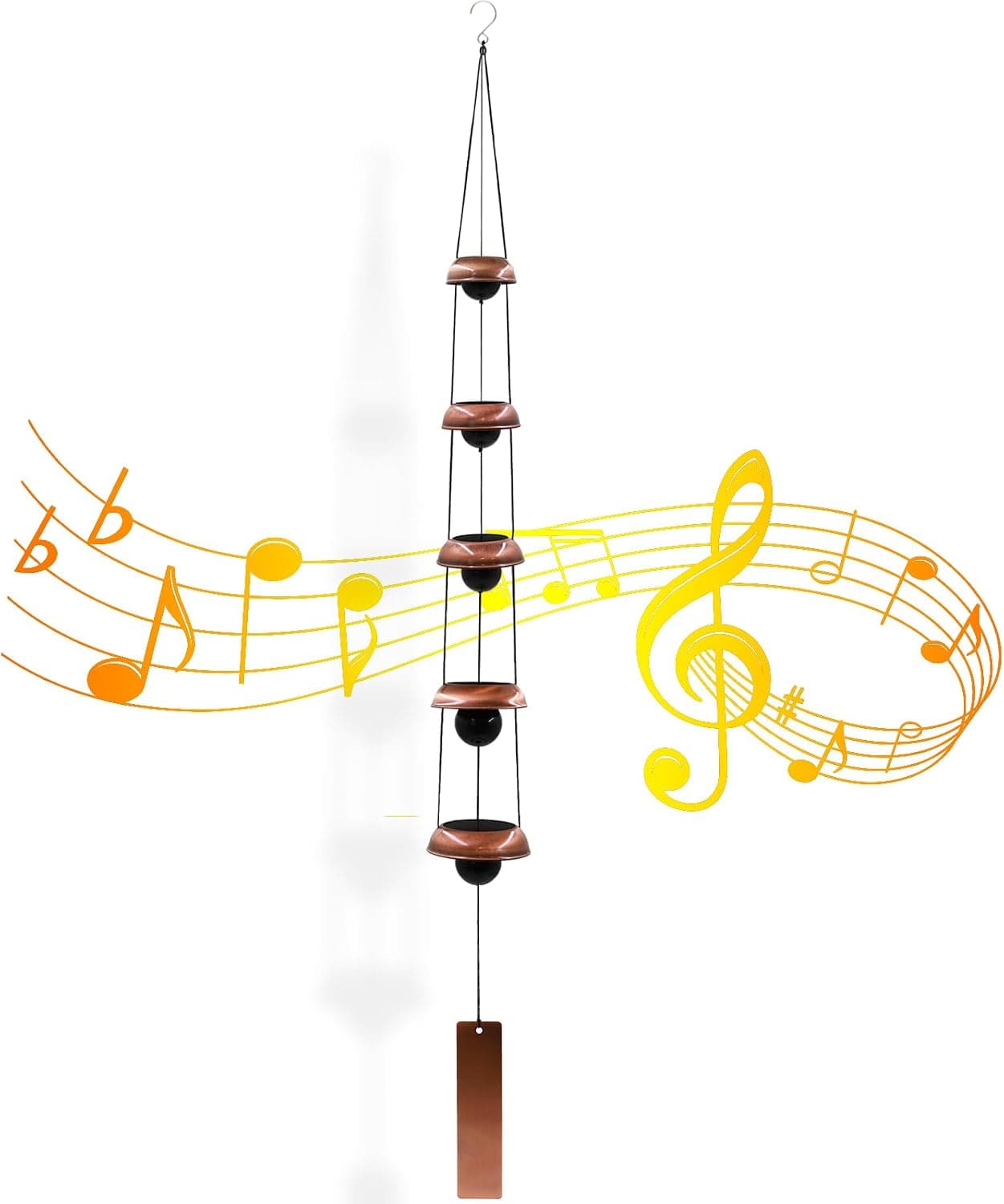
-19%Wind Chimes for Outside with 5 Bell Unique Copper Musical Chimes Feng Shui Wi...
 -5%
-5%YU FENG Evil Eye Money Tree, Blue Feng Shui Decor with Golden Buddha
 -29%
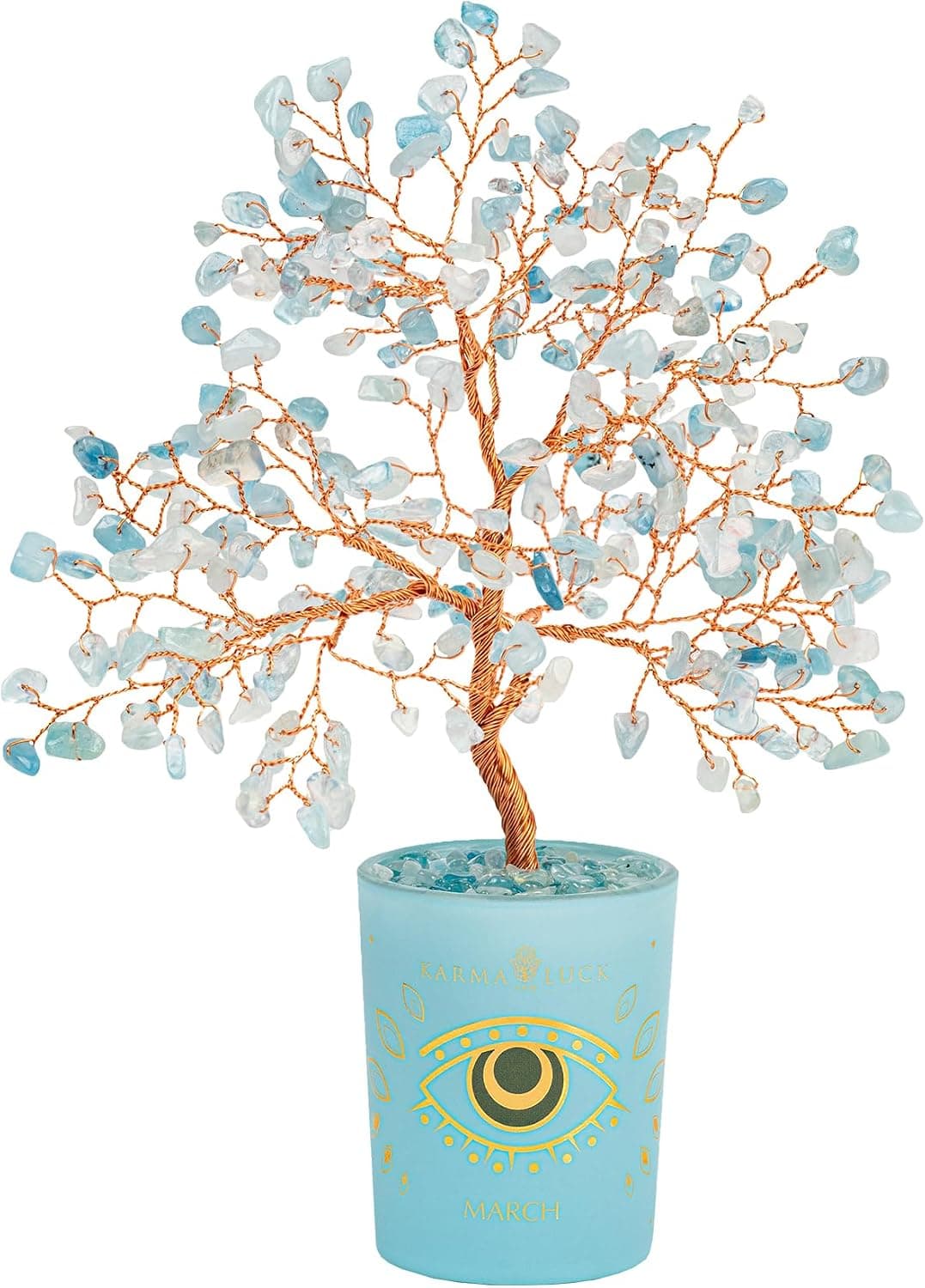
-29%Karma and Luck March Birthstone Crystal Tree of Life, Aquamarine Gemstone Fen...
 -29%
-29%Karma and Luck July Birthstone Crystal Tree of Life, Ruby Gemstone Feng Shui ...
As an Amazon Associate, we earn from qualifying purchases. We only recommend items our practitioners have personally tested.
Continue Your Journey
Explore these related guides to deepen your understanding:


Ready for Deeper Guidance?
Try our free I Ching reading for personalized wisdom, or explore our curated Feng Shui essentials.