Most sha chi advice sells you a mirror. The classical texts were describing speed, not sharpness — and that changes the entire fix.
Sha chi (煞氣) is qi moving at a rate the room can't absorb. Too fast through a chute, too pinched at a bottleneck, too still in a dead pocket. That's the definition. The poison arrow, the cursed corner, the mirror above the door: none of that is in the classical texts, and none of it is what's actually bothering you.
Picture a sideboard pushed against a wall, its corner aimed straight at the one chair at the end of a dining table. Nobody in that house could say why they stopped sitting there. The chair sat empty for most of a year. The room got rearranged twice. The sideboard never moved, because the sideboard looked right.
That's sha chi at work. Not an omen. A shape and a speed your nervous system logs before your conscious mind gets a vote.
Why "Killing Breath" Is a Better Term Than You Think
The character sha means harm, withering, the killing edge of something. It turns up in words for weapons and for heat that scorches a crop. Chi is breath, vapor, the motion that animates. Together: breath that harms. Blunt on purpose, because for most of the tradition's history sha chi was a landscape problem.
A ridge running downhill at your house. A river undercutting the bank your foundation sits on. A gap between two hills that funneled wind straight at a grave. Those were the sha chi problems worth writing manuals about, and the fixes were territorial: plant a screen of trees, raise a spirit wall, move the gate twelve feet east. Form school, the oldest branch of the practice and still the working method for site work in Hong Kong and Taiwan, is at bottom a study of how land and structure steer flow.
Nothing in it requires a crystal.
What Got Lost in Translation
Then the tradition traveled west and shed the parts that didn't survive the crossing. A protective wall outside an entrance became a bagua mirror hung over the front door. A doctrine of site drainage became a doctrine of sharp furniture. Sha chi became "poison arrow," which is a vivid phrase and a misleading one, because arrows imply an attacker and attackers imply defense. Defense sells mirrors. Flow does not.
The feng shui sha chi meaning you'll find on most English-language sites is a narrow slice of that older, more mechanical idea. That's not a scandal. It's how traditions travel: the pieces that photograph well are the ones that make it.
If you want to read a space rather than decorate it, start with the eight-sided bagua and what each sector actually governs before you buy anything at all.
Read Your House Like a Drainage Plan
Engineers don't think about good water or bad water. They think about rate. A narrowing speeds flow. A widening slows it. A corner throws an eddy. A dead end pools. Whatever moves through your home, whether it's air, sound, sightlines, people, or the thing the Chinese called qi, obeys the same geometry.
Guo Pu's Zangshu, the Book of Burial, written in the fourth century, has the line that became the foundation of the whole discipline: qi rides the wind and scatters, but is retained where it meets water. Read it as poetry and it sounds mystical. Read it as hydraulics and it's a plain statement about what happens to anything useful that isn't contained.
Now run the same logic on the flows you actually track. Money moves along the paths you walk: the entry, the hall, the stretch of counter where the mail lands. Attention moves along sightlines. Time moves along the sequence of rooms between waking up and getting out the door. Force one of those through a bottleneck and the whole downstream system feels it. I've watched a household's finances improve after nothing more than a console table came out of an entryway. Not magic. The bills stopped being walked past.
Three patterns cover most homes. The chute is a straight line from door to window with nothing to interrupt it, so the room empties itself. The bottleneck is a hall squeezed by a bookcase until two people have to turn sideways. The pocket is the corner behind the door, the strip beside the wardrobe, the square of floor nothing and nobody ever crosses.
Chutes feel rushed. Bottlenecks feel tense. Pockets feel dead. All three are sha chi in the older sense.
What Your Eyes Do Before You Do
Here's the mechanism the symbolic reading hides. Your visual system registers edges before it registers objects. A sharp angle, the corner of a table, the point of a wall, a shelf end aimed at a chair, gets picked up by the peripheral field as a possible threat, and your body answers with a low orienting reflex: a small shift of weight, a lean away, a flicker of alertness. Psychologists have measured this repeatedly. People rate angular shapes as more threatening than curved ones, and they do it fast.
One flinch is nothing. Eight hundred flinches across a year is a habit. That dining chair wasn't abandoned in a single decision. It was abandoned one small lean at a time, until the family had a story about the chair being unlucky and no memory of how the story started.
Which is where the classical practitioner and the environmental psychologist turn out to be describing the same animal from opposite ends. One called it killing breath because he could feel the room pushing back. The other calls it threat-congruent spatial processing. Neither needs the other's permission.
Light does as much work as geometry. A well-set room has an even fall of light across the surfaces you face, no hard glare behind the person you're talking to, no unlit pocket in the corner your eye keeps drifting back to. I've been in living rooms whose only real problem was a floor lamp placed so that every seated person stared into a bare bulb. No amount of furniture rearrangement would have touched it. The seating and light logic of a living room covers that properly.
None of this asks you to believe anything. It asks you to pay attention.
Four Ways People Get It Wrong
Most of the sha chi I see isn't neglect. It's a correct diagnosis treated with the wrong instrument.
Take the north-facing bedroom with the foot of the bed aimed at the door. Textbook rushing flow: the sleeper sits directly in the path of whatever enters. Someone fixed it with a small mirror on the opposite wall. Sleep got worse, naturally, because the mirror added a reflective surface at eye level, caught hall light, and gave the person in the bed one more thing to notice at three in the morning. Right diagnosis. Wrong tool. The bedroom arrangement rules that actually affect sleep begin with the bed's relationship to the door, not with what's on the wall.
Second failure: exterior remedies applied to interior problems. A bagua mirror belongs outside a building, facing out, in a tradition where you own the frontage. Hang one on an apartment door in a shared corridor and you've done nothing for the flow inside your home while making a neighbor feel like a target. Renters hit this wall constantly, which is why renter-safe adjustments that don't touch the structure are worth knowing before you spend a cent.
Third: over-correction. Someone reads that straight lines are bad and blocks every hallway with plants and folding screens. Now the qi can't move, the person can't move, and the groceries definitely can't move. Stagnation is also sha chi. The classical writers were explicit about it. The goal is neither speed nor stillness but live, moderated movement, the same balance the I Ching draws in Hexagram 60, Limitation, whose commentary warns that a rule pulled too tight turns into a cage.
Fourth, and the quietest: corner paranoia. Once you've learned about poison arrows, every right angle in the house starts looking guilty. People round off, cover, and pad perfectly ordinary furniture until the room resembles a soft-play center. A corner aimed at nothing is not a problem. A corner aimed at the one spot where a person sits for two hours every night is.
Change the Rate, Not the Symbol
Walk the space the way you live in it, not the way the floor plan says you should. Mark where you slow down, where you speed up, where you turn a shoulder to get past something. That's your data. A room that makes you walk faster than you intended is telling you about a chute. A room you avoid is telling you about a pocket.
Then treat the five elements as flow modifiers, not decoration. Wood, meaning plants, tall soft forms, fabric, slows and softens a fast run. Water, meaning dark tones, glass, mirrors used sparingly and never facing a bed, settles and reflects. Metal, meaning clean lines, white, circles, cuts and clarifies. Earth, meaning square forms, ceramics, warm neutrals, anchors. Fire, meaning light, reds, points, accelerates. Which is why a red accent dropped into an already-rushing hallway makes it worse, and the same red in a dead corner wakes the corner up. The productive and destructive cycles of the five elements are the grammar; using them without the cycle is how people end up with rooms full of cures that fight each other.
Placement beats ornament every time. A desk or bed set diagonally from the door, wall at your back, entry in view, resolves more sha chi in one move than a shelf of remedies ever will. The reasoning behind why the command position outperforms directional formulas is this same flow logic applied to the body.
The entry deserves its own pass, since that's where flow is either moderated or accelerated into the whole house. Door relative to stairs, windows, and the first wall: that geometry is the entire game. What your front door is doing to the rest of the house is worth reading before you hang anything on it.
One rule to take with you: sha chi isn't a thing sitting in your room. It's a relationship between your room and movement. Change the relationship and it's gone.
Nobody has ever needed a mirror for that.
Straight Answers
What does sha chi actually mean in English?
"Killing breath," or harmful qi. Sha carries harm and withering; chi carries moving breath. The bluntness is deliberate, since a ridge funneling wind at your house genuinely was a hazard worth naming.
Is sha chi just bad luck with a fancy name?
No, and mixing the two up is where most confusion begins. Luck implies fate. Sha chi describes a physical condition of a space, the way drafty or damp does. You can observe it, and you can change it, with no appeal to anything supernatural.
Do I really need a bagua mirror?
Almost never, and if you rent, please don't put one in a shared hallway. Those mirrors were exterior site remedies for building owners who controlled their own frontage. Interior flow problems respond to a moved chair or a screen, and a mirror was never going to do that work.
Can a houseplant cause sha chi?
Absolutely. A spiky yucca at shoulder height beside the only walkway is a real sharp-edge problem. A wall of greenery blocking a corridor is stagnation wearing a friendly face. Soft, rounded, well-spaced planting slows movement in the useful way. The placement rules for plants indoors come down to species, height, and what the plant stands between.
I just moved in. How do I find the sha chi?
Sit in each room for ten minutes with nothing to do and watch what your body does. Shoulders creeping up. An urge to get up. A reluctance to put your back to the doorway. Those reactions are the report. Trace the sightline or walking line that produced them.
Does any of this matter in a studio apartment?
More than in a house, honestly. A small footprint concentrates every flow, so a chute is shorter and faster and a pocket goes dead sooner. The compensation is that small moves have outsized effects. One repositioned chair can change the character of an entire room.
Mei Chen
Traditionally informed guidance • Cross-referenced with classical Chinese source texts
Content draws from both Compass (Luopan) and Form (Xingshi) school traditions. Illustrative examples are composites based on consultation experiences.
Practitioner-Selected Tools for This Topic
Items our team has tested and found effective for the principles discussed above. Individual results may vary.
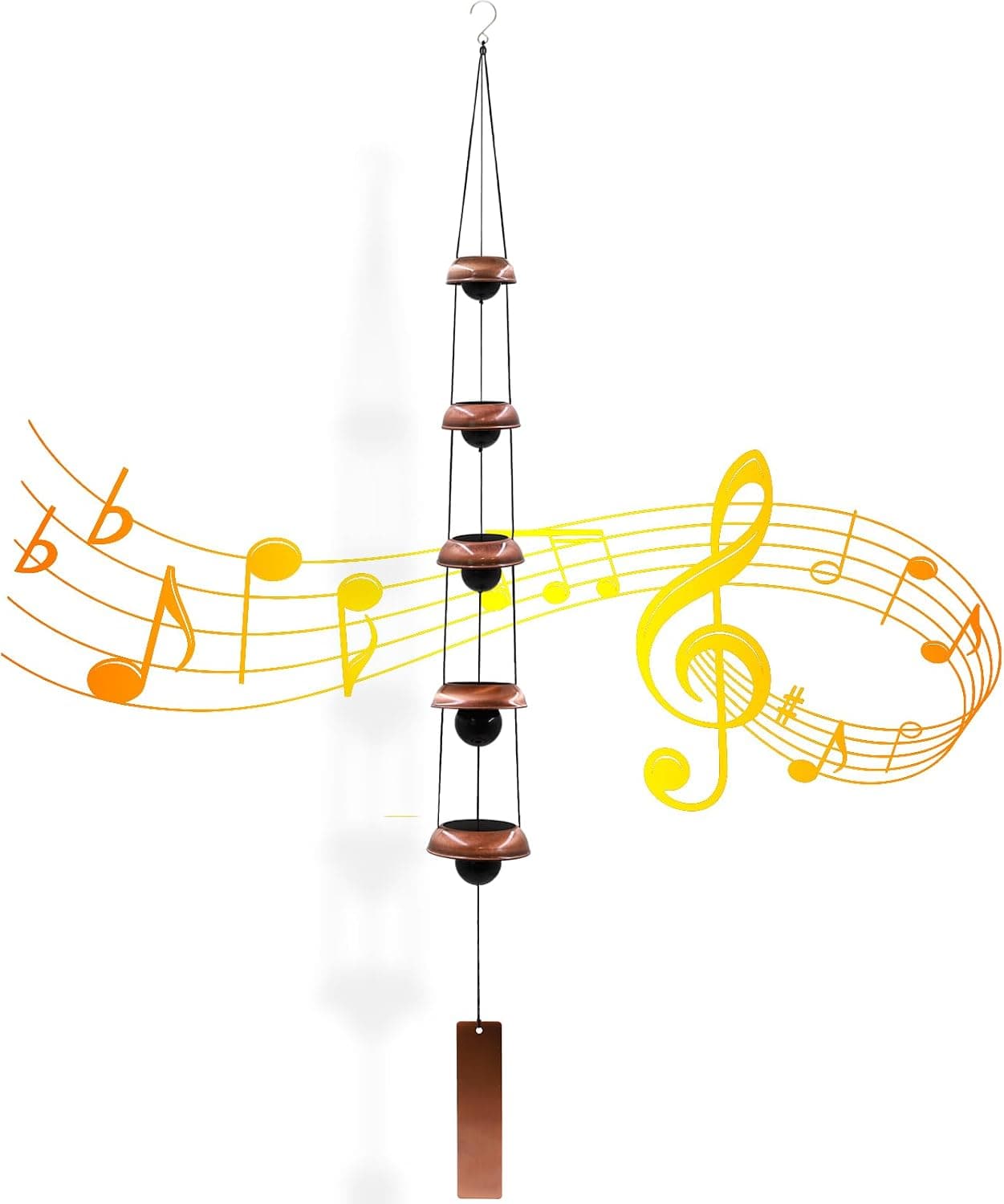 -19%
Wind Chimes for Outside with 5 Bell Unique Copper Musical Chimes Feng Shui Wi...
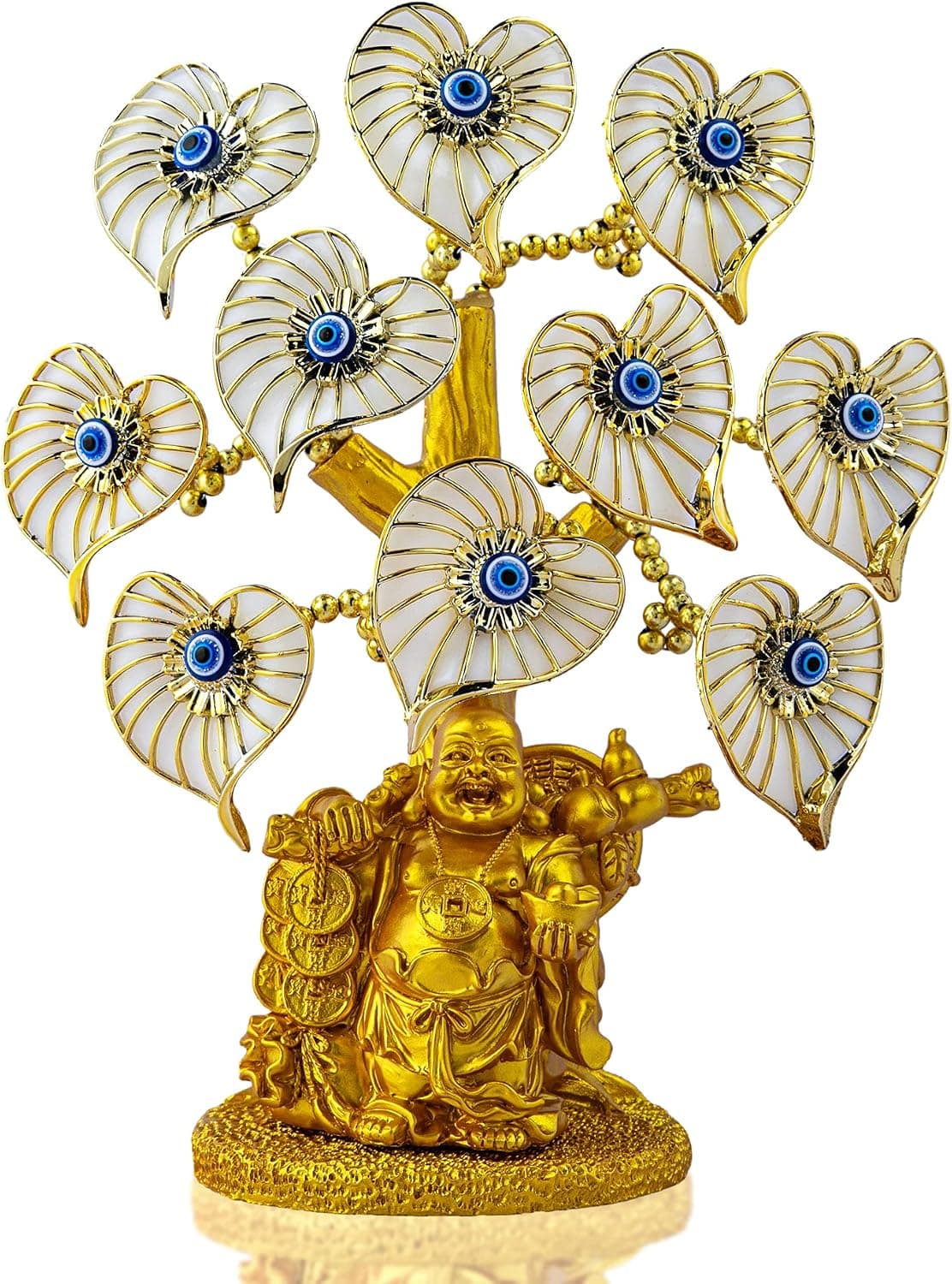 -5%
YU FENG Evil Eye Money Tree, Blue Feng Shui Decor with Golden Buddha
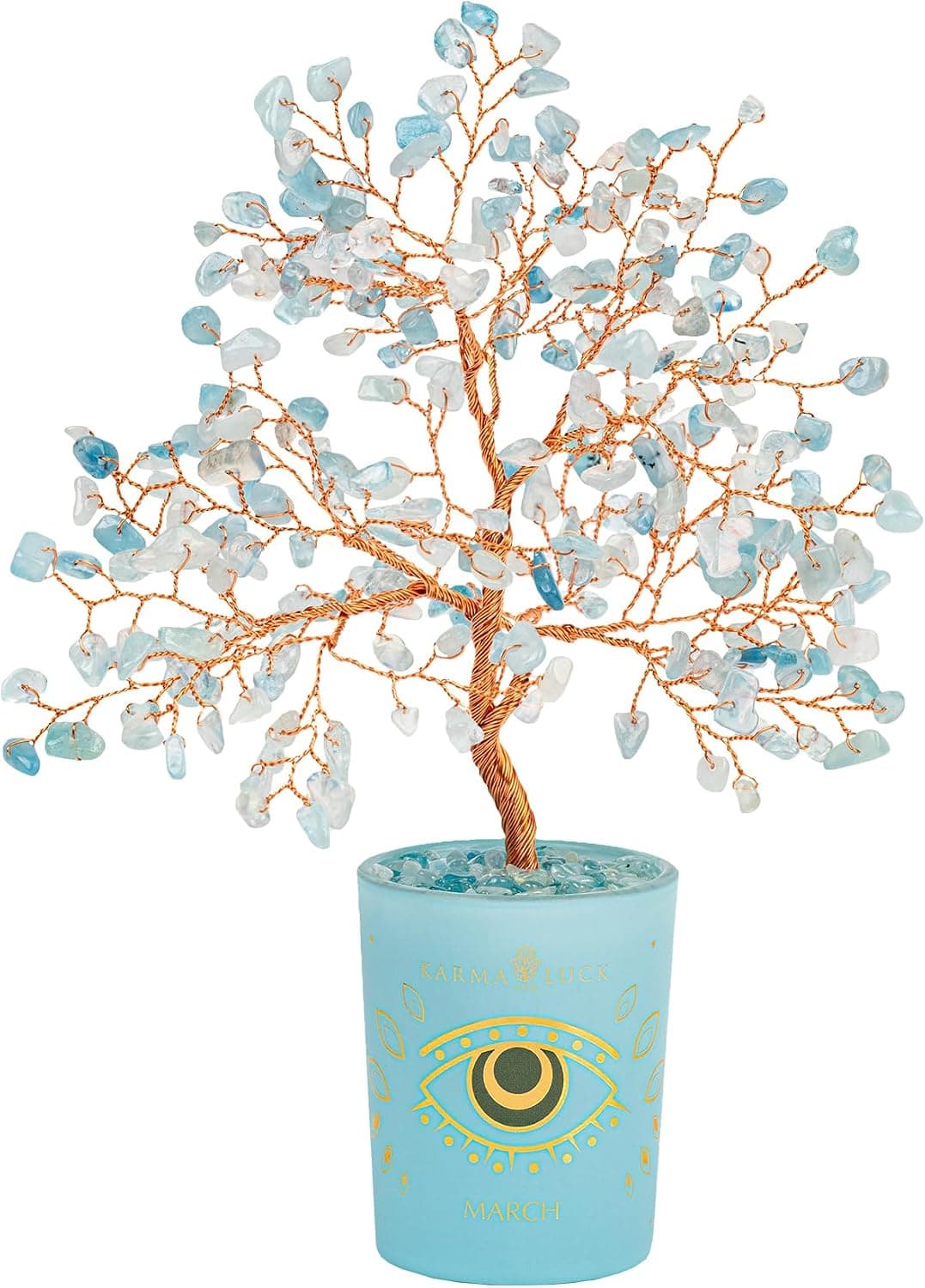 -29%
Karma and Luck March Birthstone Crystal Tree of Life, Aquamarine Gemstone Fen...
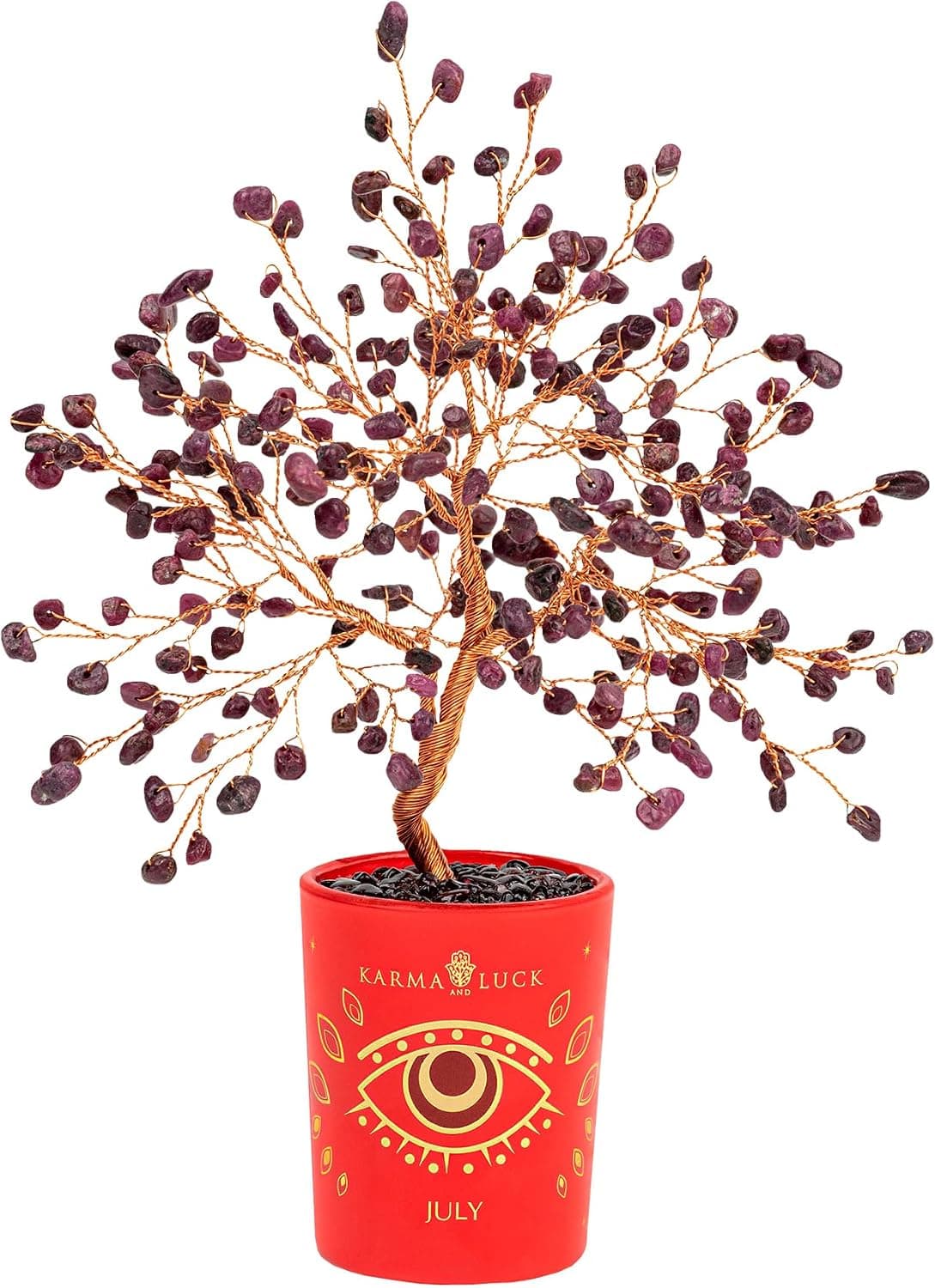 -29%
Karma and Luck July Birthstone Crystal Tree of Life, Ruby Gemstone Feng Shui ...
As an Amazon Associate, we earn from qualifying purchases. We only recommend items our practitioners have personally tested.
Continue Your Journey
Explore these related guides to deepen your understanding:


Ready for Deeper Guidance?
Try our free I Ching reading for personalized wisdom, or explore our curated Feng Shui essentials.