If the first thing you see at entry feels cramped or harsh, the cure may be placed in the wrong story, not just the wrong spot.
What the doorway reveals first
Stand at the threshold and look straight ahead. If your eye lands on clutter, a dark corner, or a long, noisy corridor, the room is already announcing pressure before anyone has fully entered.
I’ve watched this happen in a narrow foyer where a shoe rack bulged into the path, a black umbrella stood open by the wall, and the hallway light flickered over a pale tile floor. The owner kept asking for a cure, but the real issue was the first visual field: it felt unfinished, exposed, and slightly on guard.
That is where a clear reading of the bagua map helps, because placement only makes sense when you know which part of the home is receiving the first hit of attention.
A doorway is not just an opening. In architecture, it is a threshold device, and thresholds organize the mind fast. People read light, proportion, and openness in seconds, then decide whether a space feels settled or restless. That is why line of sight matters so much here.
The salt water cure is usually brought in when that entry feels burdened by an annual affliction, a heavy sector, or a lingering sense of drag. But if the sightline is already chaotic, the jar cannot act like a magic eraser. It becomes one part of a larger threshold correction.
And that is the first surprise: the cure often fails because the eye sees disorder before the remedy can do its work.
When the view turns heavy
The salt water cure is meant to absorb and neutralize troublesome qi when a sector is under pressure. In plain terms, it is used for weight, stagnation, and the kind of invisible friction that makes a room feel dull, stubborn, or oddly tired.
That heaviness is not just symbolic. It usually shows up when a space has too little movement and too much visual interruption: a blocked passage slows airflow, dim lighting lowers alertness, and repeated obstacles teach the body to brace before it enters. Over time, the room feels less like a place to settle and more like a place to prepare for resistance.
This is why the cure is most useful in a threshold that has become energetically “sticky.” If the area holds stale air, scattered objects, or a strong straight line into a dark corridor, the environment keeps replaying the same message: pause, compress, hesitate. The jar is meant to interrupt that pattern by giving the eye a clear focal point and the mind a sense of contained pressure rather than diffuse drag.
I do not treat the cure as a decorative object. I treat it like a controlled response to a stressed threshold, similar to how an environmental scientist would look at moisture, airflow, and repeated disturbance before deciding whether a container can stay stable.
The jar matters because salt is hygroscopic. It draws moisture from the air, which means the mixture changes over time as humidity shifts. That physical fact does not replace feng shui theory, but it does explain why the cure is monitored, not ignored.
In practice, a well-set jar can feel almost solemn. The glass or ceramic vessel catches light at the threshold, the salt crystals cloud the water, and the metal lid or coins give off a dull sheen. Small details matter because they signal intention, not accident.
For readers comparing remedies, this is different from the logic behind choosing the right crystals for a room. Crystals shape ambiance; the salt water cure is more like a stabilizing container for a specific problem.
Why salt, water, and metal are paired together
Salt and water create the base, and metal completes the circuit. In classical terms, the three materials are used together because they form a restrained system rather than a flashy one.
Water represents movement and transformation. Salt adds intensity and a drawing quality. Metal contains and refines. Put together, they create a focused remedy that is meant to hold pressure rather than broadcast it.
The pairing also makes practical sense inside a home. Water is the active medium, salt is the reactive material that keeps changing as conditions shift, and metal gives the setup a sense of boundary. Without that boundary, the mixture reads as loose and unfinished; with it, the cure looks deliberate, sealed, and easier for the eye to trust.
The point is not to make the jar look impressive. The point is to make it feel settled.
That settled feeling matters because objects near the front door carry a psychological burden. If the cure looks temporary, half-finished, or forgotten, it can amplify doubt instead of easing it. The eye notices that instability immediately.
A white ceramic bowl under a bright hallway sconce may look clean, but if it sits where every passing shoulder brushes the air, it will never feel contained. The same jar on a low shelf in clear sight, directly under glare and vibration from a nearby appliance, can appear busy rather than calm. That is the kind of placement that weakens the symbolism and the practical effect at the same time.
So yes, the materials matter. But so does the setting around them. A remedy is only as good as the environment it inhabits.
How the cure is assembled so it can work consistently
Use a clean glass jar or a simple ceramic vessel with enough width to hold the reaction as the salt expands and the mixture changes. Fill it with coarse salt, add water carefully, and place the metal component on or inside according to the method you follow. The jar should feel deliberate, not improvised.
Choose a stable surface. Not a wobbly side table. Not the edge of a bookshelf beside the heating vent. A calm shelf, a tucked-away niche, or a secure cabinet top is far better.
The container should sit where it will not be kicked, bumped, or repeatedly exposed to drafts. I have seen a placement fail because it stood near a door that opened hard every few minutes, and the constant disturbance made the whole setup feel unsettled. In one case, the lid shifted, salt crystals crusted the rim, and a small spill left white tracks on the floor. The problem was never the formula. It was circulation.
That is where the architectural lens helps. Objects near pathways experience more movement, more air turbulence, and more visual interruption. If the cure sits in a bottleneck, it becomes part of the bottleneck. If it sits in a composed pocket of space, it reads as containment.
In a doorway context, the best placement is often close enough to address the problem sector, but not so exposed that every arrival, bag drop, or shoe change disturbs it. You want presence without interference.
And if you are wondering whether this is fussy, it is. That fussiness is the method.
Where the doorway test matters most
The doorway test is simple: ask what the first sightline does to your body. Does it relax the shoulders, or does it make the space feel compressed? Does the eye move smoothly, or does it hit clutter and stop?
If the answer is stop, the cure should not be the first thing you place. Clear the visual field first. Remove the object that blocks the line of sight. Open the path. Fix the light. Then assess whether the salt water cure is still needed, and if so, where it can sit without competing with the entry.
One common mistake is to put the jar exactly where it will be noticed most, as if visibility alone proves power. That is not how containment works. Another mistake is to hide it in a place so sealed off that the area never registers it at all. Remedy work needs a balance of function and placement.
Another point: front door energy changes quickly when the threshold is cleaned up, so do not let the cure distract you from the bigger correction. A jar can support the entry, but it cannot compensate for a door that opens onto darkness, a pile of shoes, and a straight shot into a noisy corridor.
That last detail matters more than people expect. A straight visual line into movement creates a sense of being pulled through the space instead of entering it. You feel it before you can name it. The threshold never gets to slow the body down.
That is why I treat the doorway as diagnostic. The cure answers a condition. The doorway tells you whether the condition is actually there, and how strongly it is showing up.
When the jar changes
The salt water cure must be watched. If the water turns cloudy, if the salt has reacted heavily, if crystals climb the sides, or if the vessel begins to look swollen with residue, that is a sign to replace it according to the method you use.
Do not keep it forever because it looks symbolic. Stale remedies create stale feeling.
Humidity affects timing. In a damp room, the salt may react faster. In a dry room, the change may be slower and the vessel may look stable for longer. Either way, the physical behavior tells you something about the environment around it.
Replacement and disposal should be tidy. Remove the contents carefully, clean the jar, and restore the area without drama. A cure should leave no trace of chaos when it is retired.
If the jar is placed near a draft, the maintenance cycle becomes messy fast. I once saw a vessel on a low shelf beside a cracked kitchen door; every gust shifted the lid just enough to make the cure look unsettled. The owner kept tightening it, but the real fix was to move it away from direct airflow and vibration. After that, the room felt calmer within days.
The lesson is straightforward. Stability is part of the remedy.
Why some cures fail even when the setup looks right
Sometimes the salt water cure is technically correct and energetically weak. That usually means the surrounding field is wrong. The object may be in the right sector, but if it sits under glare, beside a vent, or in a pathway where people brush past it constantly, the environment cancels its stillness.
Another failure mode is visual contradiction. A heavy remedy placed on a bright, decorative shelf among candles, framed photos, and shiny clutter looks like a prop instead of a response. The eye does not know what to prioritize. The cure loses authority.
That is where people often reach for more objects. They add a plant, then a crystal, then a mirror. Usually that makes the threshold noisier, not better. If you need to compare tools, a plant or crystal may support a room’s mood, but the salt water cure works best when the problem is specific and the placement is disciplined.
For a broader room reset, the line between support and overload matters just as much in a balanced living room layout, because too many cures create visual static.
The deeper principle is simple. A visible threshold condition shapes immediate emotional appraisal, so the first sightline can create calm, alertness, or friction before the person fully enters the space. If the entry says “crowded, dark, interrupted,” the cure must be part of a larger correction, not a substitute for it.
If the entry says “clear, proportioned, steady,” the salt water cure can do its quiet work with far less resistance.
FAQ
Where should I place the salt water cure if the front door area is busy?
Start by moving it off the traffic line and onto a stable, protected surface with minimal vibration. A side niche, a shelf away from the swing of the door, or a recessed corner usually works better than a main walkway. The cure should support the threshold, not become part of the daily obstacle course.
How do I know when it needs replacing?
Watch the physical change in the jar: heavy cloudiness, crusting, strong residue, or an obvious shift in water level can all indicate it is time. Surprising as it sounds, a cleaner-looking container is not always the right goal; a reactive one is. The point is to monitor it honestly, not romantically.
Can I use the salt water cure with other remedies?
Yes, but not casually. If the entry already feels visually crowded, adding too many objects can turn the threshold into noise. Choose the remedy that matches the problem, then keep the composition simple enough that the eye can read it instantly.
What if the room feels worse after I place it?
That usually means the environment is fighting the cure: too much movement, too much glare, or poor line of sight. Move it, reduce the visual clutter, and check whether the actual problem was the placement rather than the remedy itself. Sometimes the jar is doing its job; the room around it is not.
Mei Chen
Traditionally informed guidance • Cross-referenced with classical Chinese source texts
Content draws from both Compass (Luopan) and Form (Xingshi) school traditions. Illustrative examples are composites based on consultation experiences.
Practitioner-Selected Tools for This Topic
Items our team has tested and found effective for the principles discussed above. Individual results may vary.
 -19%
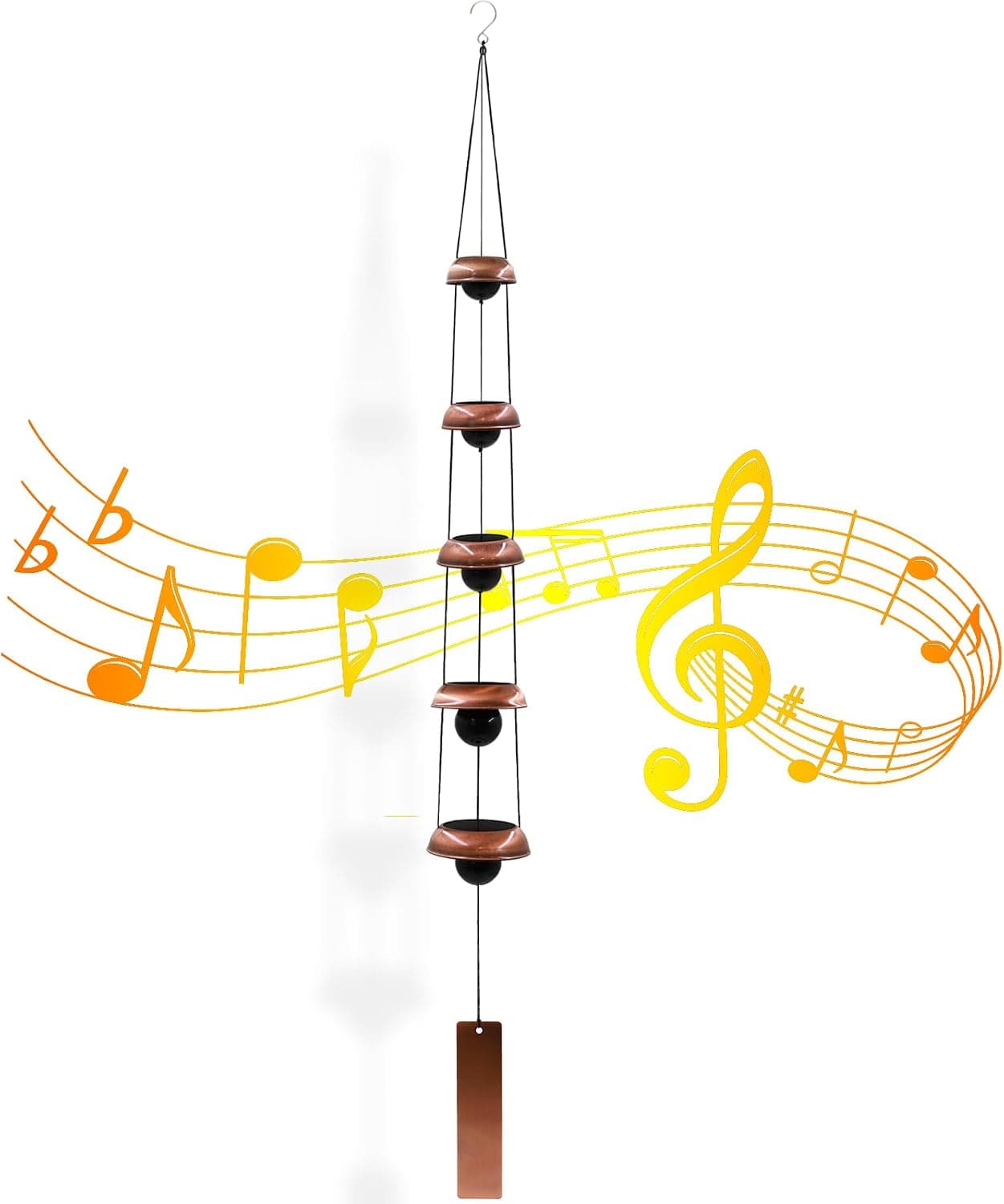
-19%Wind Chimes for Outside with 5 Bell Unique Copper Musical Chimes Feng Shui Wi...
 -5%
-5%YU FENG Evil Eye Money Tree, Blue Feng Shui Decor with Golden Buddha
 -29%
-29%Karma and Luck March Birthstone Crystal Tree of Life, Aquamarine Gemstone Fen...
 -29%
-29%Karma and Luck July Birthstone Crystal Tree of Life, Ruby Gemstone Feng Shui ...
As an Amazon Associate, we earn from qualifying purchases. We only recommend items our practitioners have personally tested.
Continue Your Journey
Explore these related guides to deepen your understanding:


Ready for Deeper Guidance?
Try our free I Ching reading for personalized wisdom, or explore our curated Feng Shui essentials.