The right plant changes attention, routine, and tone before it changes anything mystical.
Why a plant changes a room before it changes your luck
A plant changes the feel of a room because it gives the eye a living place to land, and that alters behavior almost immediately. Put one tall plant beside a front door, and the entry stops feeling like a hard stop; it becomes a transition. Guests pause, breathe, and enter more slowly. That small pause matters more than people think.
I’ve seen this in a narrow rental hallway with scuffed white walls and a black umbrella stand jammed beside the door. A tall plant with glossy leaves sat on the left side of the entry, visible from the moment the latch turned, and the whole space felt less abrupt within a day. The room did not become magical. It became easier to use.
That is the real mechanism behind choosing plants with intention: they cue a habit. A healthy plant says, keep the space tended, keep the air moving, keep the mind awake. A neglected plant says the opposite, which is why the state of the plant matters as much as the species.
From a feng shui angle, this is a simple ethics of placement. Living things should support the purpose of the room. From a psychology angle, repeated visual cues shape attention and follow-through, so a plant can quietly train your behavior every time you pass it.
A single green plant against neutral walls also creates a crisp visual contrast that wakes up a room without noise. That contrast is not trivial. It is one of the reasons people feel calmer near healthy greenery even when they cannot explain why.
What feng shui plants are actually doing in the home
Feng shui does not ask, “What decoration should I buy?” It asks, “What kind of movement do I want this space to encourage?” That question changes everything. A plant with rounded leaves tends to read as softer and less aggressive, so it supports relaxed attention better than a spiky plant in a place meant for rest.
At a practical level, plants change a room through three channels at once. First, they shape sight lines: a living form breaks up hard edges and gives the eye a softer place to settle. Second, they change maintenance behavior: watering, trimming, and checking the soil create a small routine that keeps the room from going mentally stale. Third, they signal condition: a thriving plant tells you the room is being cared for, while a struggling one broadcasts neglect.
The cultural logic is old, but the application is practical. In traditional terms, living plants carry growth, wood energy, and renewal. In plain language, they remind people that care is happening here. That reminder affects mood, and mood affects action. The effect is stronger when the plant fits the room’s job, because then the visual message and the actual use of the room reinforce each other instead of competing.
Healthy plants also add micro-movement. Leaves shift slightly with airflow; light changes across their surfaces; shadows move. A room with one living plant feels less frozen than a room full of static objects. That subtle variability is part of the benefit, especially in spaces that otherwise feel overcontrolled or visually rigid.
For a deeper framework on placement and room function, it helps to compare plant use with other cures. A plant is not the same as a mirror or a crystal, and it should not be treated that way. The logic is different, just as crystals in feng shui work through reflection, stillness, and symbolic focus rather than through growth and upkeep.
Here is the surprise: the plant is doing some of the work, but your relationship to the plant is doing even more. Watering, trimming, and checking leaves become repeated acts of attention. That routine can reset a person before work, before sleep, or before a difficult conversation.
Choose the plant by the behavior you want the room to encourage
Start with the behavior, not the species. Ask what the room should make easier: relaxing, focusing, talking, sleeping, or resetting. Then choose a plant whose shape, size, and care level support that behavior. A well-matched plant reduces friction; a badly matched one adds it.
If the goal is calm, choose forms that look easy to read. Rounded leaves, balanced shape, and moderate size usually create a softer emotional signal than sharp, aggressive silhouettes. Those shapes lower visual tension because they do not ask the eye to brace itself. If the goal is focus, choose a plant that is compact and easy to maintain, because a demanding plant in a work zone creates friction instead of clarity. The best focus plants are the ones you can tend quickly and return to work without feeling pulled into another task.
A small jade plant on a desk works well for this reason. It is not dramatic, and that is the point. An office worker who waters it each morning gets a tiny reset before starting focused work, and that repetition becomes a cue: sit down, clear the surface, begin. The plant is useful not because it “creates ambition,” but because it links a visible object to a repeatable habit.
For harmony, choose a plant that does not dominate the room. One healthy plant near seating can anchor a conversation area without making circulation feel crowded. That works best when the plant mirrors the social goal of the room: soft enough to welcome, substantial enough to feel intentional, and small enough not to interrupt movement between chairs and tables.
For protection or boundary energy, people often reach for thorny plants. I would slow down there. Thorns communicate defense, yes, but they also communicate tension. In a place meant for recovery or social ease, that signal can be too sharp. If you want definition without hostility, a plant with upright structure and clean lines usually works better than one that looks prickly.
The best plant is not the most famous one. It is the one whose shape and maintenance match the behavior you want from the room. When form, care, and function point in the same direction, the space feels coherent instead of just decorated.
Where each room supports a different kind of energy
The entryway asks for welcome and transition. Place the plant where it is visible from the door but not blocking movement, because the point is to soften the change from outside to inside. A taller specimen works well here, especially if its leaves catch morning light and draw the eye upward.
In the living room, the plant should support social ease without crowding circulation. Put it near a seating zone or a source of natural light, not in a walkway where people keep brushing past it. A fuller plant can anchor the room the way a steady bass note anchors music.
Bedrooms are different. Keep the forms smaller and softer, and keep them away from the pillow line. Too many large leafy plants can make a bedroom feel visually busy at night, which is exactly the opposite of what sleep wants. I’ve stood in bedrooms where three oversized plants were lined up beside the bed, and the room looked “healthy” but felt restless.
That restlessness is not imaginary. The eye keeps scanning, and the mind follows. If a room is meant for sleep, the plant should support quiet, not activity.
Bathrooms can handle plants if they have enough light and ventilation, because the room already deals with moisture. A plant there should feel resilient and tidy, not precious. Office spaces benefit from compact plants that act as a reset point, especially if the desk is otherwise overloaded with screens and papers.
If you want a room-specific lens for broader layout logic, living room feng shui placement can help you see how plants fit into circulation, seating, and sight lines. The same principle applies across the home: place living things where they support the room’s task.
When a plant helps, and when it starts working against you
A plant helps when it is healthy, proportionate, and easy to care for. It starts working against you when it becomes a reminder of neglect. A dying plant does not read as abundance. It reads as unfinished attention.
Overwatering is one of the most common errors. People think more water equals more care, but soggy soil creates odor, weak roots, and visual decline. The damp earth smell after watering can feel renewing, but only when the pot drains properly and the plant stays vigorous.
Another common mistake is overcrowding. A cluster of plants may look lush in a store, but in a small home it can feel noisy. The room loses breathing space. The eye has nowhere to rest.
Sometimes a plant is simply in the wrong room. A large, leafy specimen near the bed can encourage alertness where you need softness. A thorny plant in an entry can feel defensive rather than welcoming. A plant chosen for symbolism alone, without regard for behavior, often disappoints.
If you are trying to correct a heavier or stagnant feeling, combine the plant with a clearer layout rather than loading the room with more objects. That principle lines up with using the bagua map as a placement tool, because the room’s function should lead the cure, not the other way around.
How to keep the plant and the intention aligned over time
Maintenance is part of the feng shui, not separate from it. A trimmed leaf, wiped surface, and fresh potting soil all reinforce the message that the space is being looked after. That message matters because people tend to mirror what they repeatedly see.
Keep the plant where you can notice it without tripping over it. In an entry, that means visible from the door but not in the path. In an office, that means near the dominant working hand or in the sight line so the watering check becomes part of the daily reset. In a bedroom, that means low-key and not visually loud.
If you rent or live in a small apartment, do not assume you need a jungle. One well-kept plant can do more than six stressed ones. A compact pot on a shelf near natural light often creates more order than a crowded floor corner with poor airflow.
Use the plant as a cue for action. Water it, then wipe the counter. Prune it, then clear the desk. Shift the pot, then open the window. The plant should not just sit there as a symbol; it should prompt the kind of behavior that makes the room function better.
There is also a wider cultural point here. Feng shui has always been about form, flow, and balance, but modern readers sometimes turn it into shopping. That misses the ethics inside the tradition. Living things are not props. They are responsibilities.
If you want to understand how a plant becomes more than decor, watch what happens after you place it. The best sign is not admiration. It is that the room becomes easier to live in.
FAQ
Which plants are considered auspicious? Jade, money plants, pothos, and other healthy leafy plants are often used because their growth habits suggest steadiness and renewal. The form matters as much as the name, so a thriving plant with rounded leaves usually sends a cleaner signal than a dramatic plant that struggles in your light.
Can I put plants in the bedroom? You can, but keep the arrangement restrained. A small plant can soften the room, while too many large plants can make the space feel active when it should feel quiet. The goal is rest, not stimulation.
What if my plant keeps dying? That is usually a care issue, a light issue, or both. A dead or declining plant weakens the effect because it broadcasts neglect, so choose a species that matches your actual conditions instead of your wish list.
Do fake plants count? They can improve the look of a room, but they do not carry the same behavioral cue because there is no upkeep, no watering check, and no living response. A surprising number of people want the symbol without the responsibility, yet the responsibility is part of why the symbol works.
Mei Chen
Traditionally informed guidance • Cross-referenced with classical Chinese source texts
Content draws from both Compass (Luopan) and Form (Xingshi) school traditions. Illustrative examples are composites based on consultation experiences.
Practitioner-Selected Tools for This Topic
Items our team has tested and found effective for the principles discussed above. Individual results may vary.
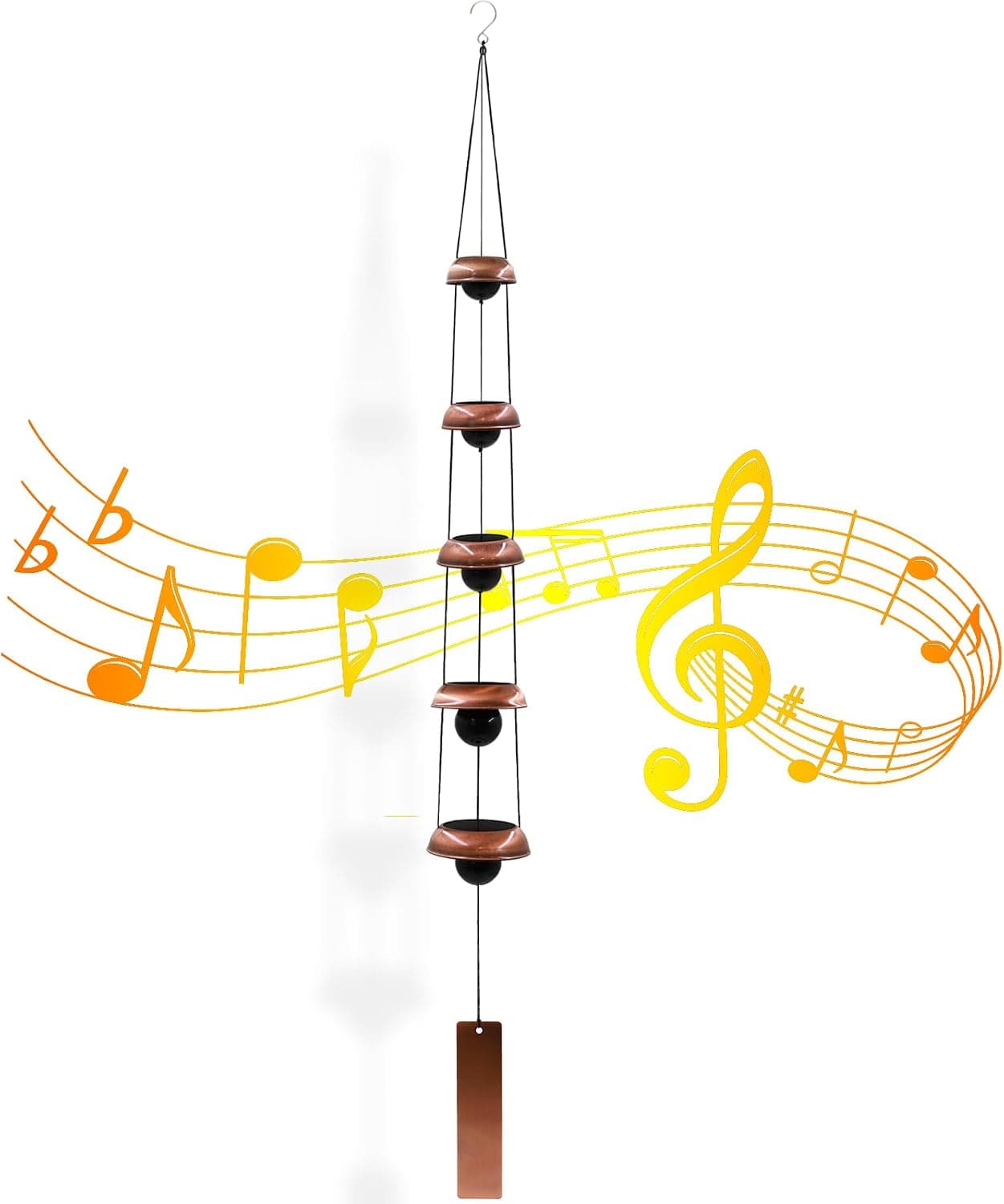 -19%
-19%Wind Chimes for Outside with 5 Bell Unique Copper Musical Chimes Feng Shui Wi...
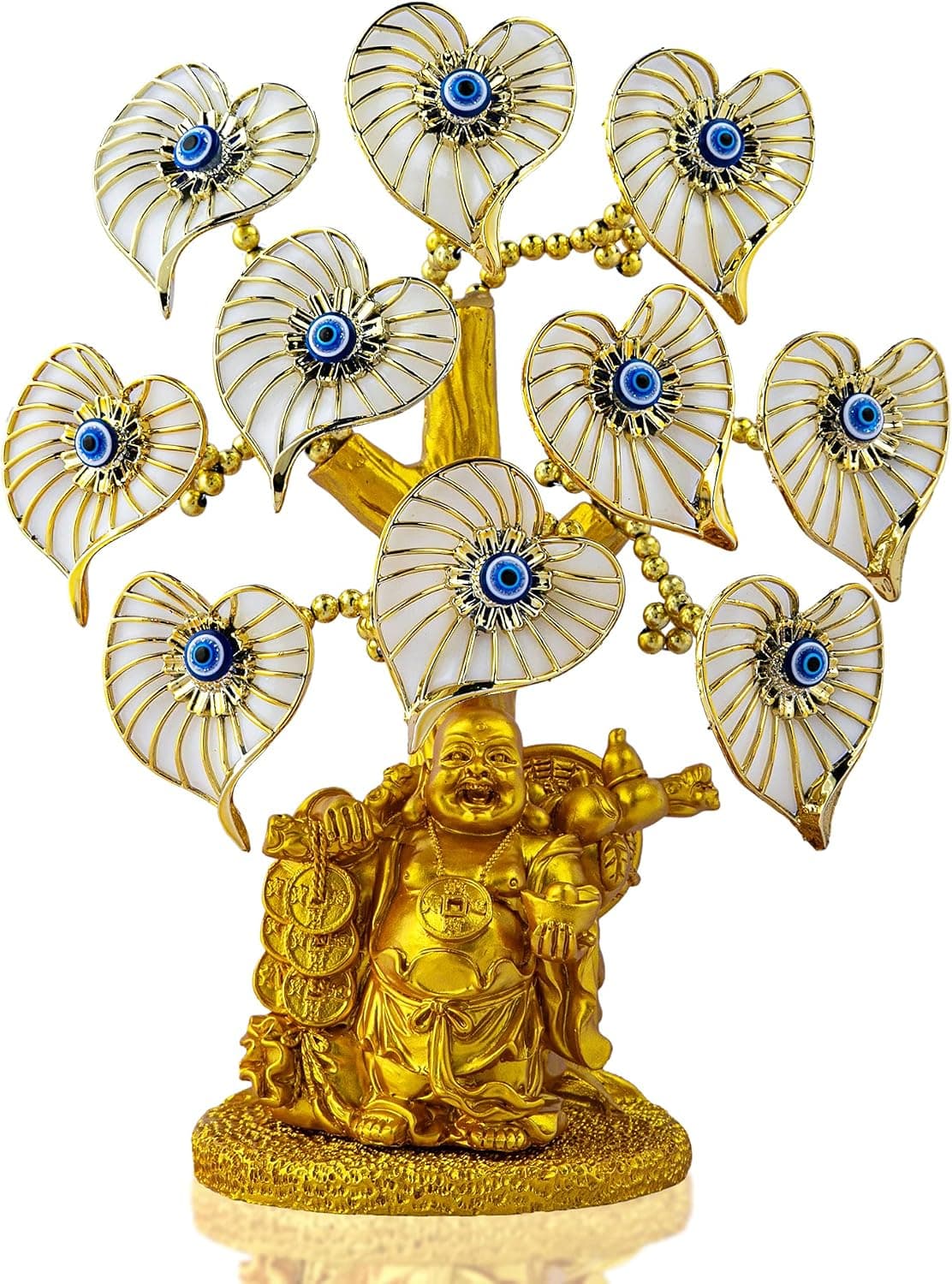 -5%
-5%YU FENG Evil Eye Money Tree, Blue Feng Shui Decor with Golden Buddha
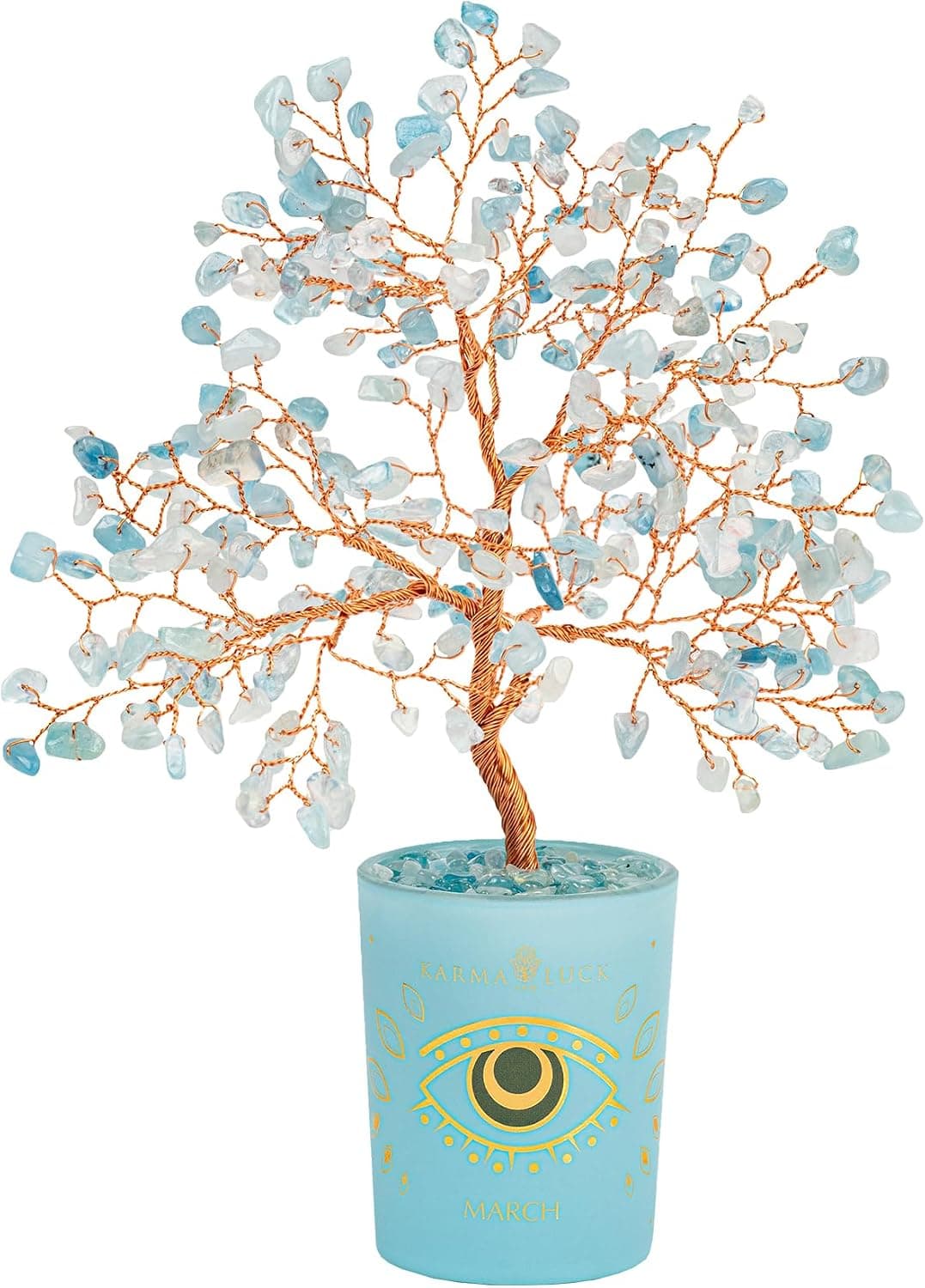 -29%
-29%Karma and Luck March Birthstone Crystal Tree of Life, Aquamarine Gemstone Fen...
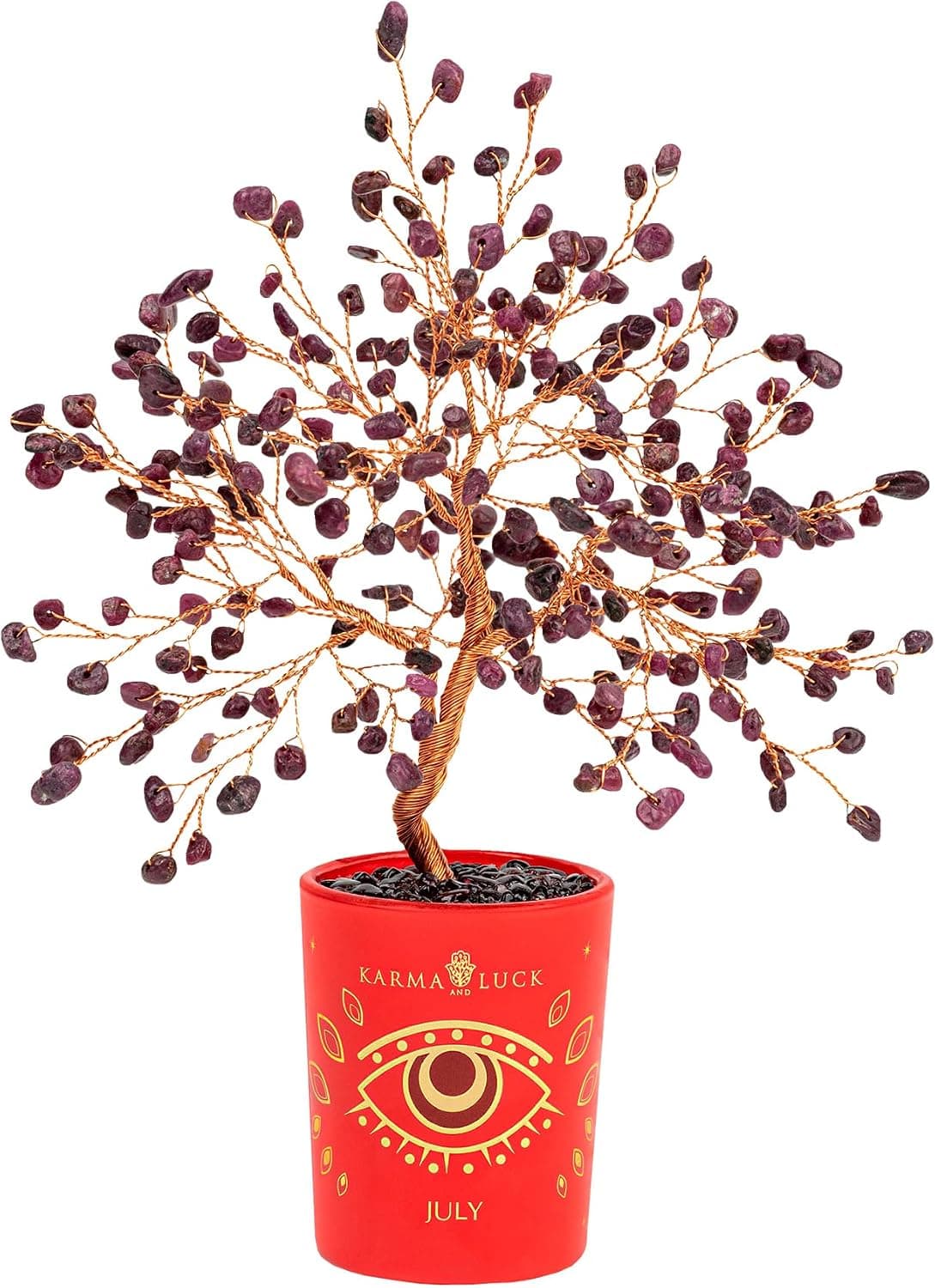 -29%
-29%Karma and Luck July Birthstone Crystal Tree of Life, Ruby Gemstone Feng Shui ...
As an Amazon Associate, we earn from qualifying purchases. We only recommend items our practitioners have personally tested.
Continue Your Journey
Explore these related guides to deepen your understanding:


Ready for Deeper Guidance?
Try our free I Ching reading for personalized wisdom, or explore our curated Feng Shui essentials.