A single plant can improve a room fast, but only when placement, scale, and care all point in the same direction.
What changes first: the plant, or the room?
The smallest shift is usually not a dramatic new specimen. It is one healthy plant placed where the eye and the body both register ease: beside a clear entry path, on a desk corner that was visually tangled, or at the edge of a room that needed a soft boundary. That is how good plant placement works in practice. One upright plant can make a doorway feel more intentional the moment you walk in.
I’ve seen a narrow foyer with a matte black umbrella stand, a pale oak bench, and a waist-high plant in a clean ceramic pot turn from awkward to steady in one move. Nothing mystical happened. The plant gave the entry a readable pause, and people stopped colliding with the space emotionally as well as physically.
The myth is that any lucky plant automatically improves a home. That idea is too lazy to survive real rooms. A plant that blocks a cabinet door, crowds a walkway, or sheds dust onto a table is not adding ease; it is adding friction.
Fresh green leaves read as light and alive. Drooping leaves read as stalled. That difference matters because people respond to visible care very quickly, and feng shui plants work through that response as much as through symbolism.
Why the label matters less than the behavior
The common belief is simple: pick an auspicious species and the room gets better. The real mechanism is stricter. The room improves when the plant’s condition and placement reinforce proportion, containment, and ongoing attention. A healthy plant in the wrong spot can still create drag; a modest plant in the right spot often reads as more settled because it solves a spatial problem instead of just occupying one.
That is why the label matters less than the behavior it produces. A plant is not “good” because it belongs to a lucky category. It is good when it helps the room do three things at once: hold a boundary, preserve movement, and signal that the space is being maintained. A species with perfect symbolism but tangled growth or a poor container fails that test.
Design teaches the same lesson. Objects do not act alone; they participate in composition. A tall plant can define a boundary. A medium plant can frame a corner. A low plant can soften a hard edge. Those are not decorative tricks. They are spatial cues that change how movement feels, especially when the room already has competing furniture lines.
Behavioral science explains the rest. Small repeated acts create trust. Watering on schedule, trimming dead leaves, and wiping the foliage are tiny rituals, but they tell the nervous system that this space is being maintained. The room starts to feel less provisional because the plant is no longer a static object; it is evidence of reliable care.
That is why a desk corner with one upright plant and no tangled stems reads as organized, not crowded. The arrangement has a job: hold the edge, keep the line clear, and avoid visual noise. A pot with a chipped rim or a wobbly base weakens that message immediately, because the eye picks up instability before it registers the plant itself.
Where plants help, and where they start to interfere
Entryways like movement with a little life in them, but not a jungle. A single plant just inside the threshold can welcome energy without bottlenecking it. If leaves spill into the walking line or the pot sits where bags and shoes already compete for space, the plant stops supporting the flow and starts negotiating with it. In practical terms, the threshold should feel guided, not negotiated.
Living areas can tolerate more plant presence because they are meant to be socially active. Even there, density should be controlled. A few well-spaced plants are better than a mass of overlapping leaves that turns the room visually heavy. The room should feel alive, not overgrown, and the gaps between plants matter as much as the plants themselves because they let the eye rest.
Bedrooms ask for restraint. Too many plants make a sleeping space feel awake, even when every plant is technically healthy and symbolic of growth. I have walked into bedrooms where the owners had four small plants, a trailing vine, and one tall floor plant beside the closet. The room looked pleasant in photographs and restless in person. The issue was not species; it was that the visual activity kept competing with the room’s main job, which is to settle the body.
Work areas are different. A desk can benefit from one plant that offers order at the corner of the visual field. Keep it low enough that it does not interrupt sightlines, and high enough that it reads as intentional. That small balance often matters more than the species itself because it affects whether the desk feels edited or merely occupied. If you need a broader room-level reading, the living room layout principles show the same logic in a busier setting.
Bathrooms are a special case. If the light is poor and the plant declines, the plant becomes a record of neglect. That is not a subtle signal. In feng shui terms, a struggling plant in a damp room can make the space feel trapped instead of refreshed. The room ends up broadcasting low maintenance rather than renewal.
The five elements in practice
Wood is the obvious element here, but wood is not automatically good just because it is alive. Wood supports growth, planning, and upward movement. Too much wood, however, creates a crowded, pushing quality. The room starts to feel like it is trying too hard.
Use plant height to direct movement. Low plants soften hard edges and reduce visual tension. Medium plants frame corners and give the eye a place to rest. Tall plants are strongest when they define a boundary, such as beside an open-plan transition or near a blank wall that needs structure. That is a practical use of five-element theory, not a decorative slogan.
Pot material changes the read more than many people expect. A clean ceramic pot gives a calmer signal than a chipped, unstable, or overly shiny container. Ceramic feels grounded. Plastic can work functionally, but it often reads lighter and less settled. Metal pots can sharpen the effect, which helps in some rooms and feels too hard in others.
Color matters too. Deep green foliage against white or sand-colored walls has a different temperature than the same plant against dark brown furniture. Thin stems feel open. Dense foliage feels enveloping. That visual temperature should fit the room’s job. A study wants clarity. A lounge can take more softness.
For a bigger frame on how placement and symbolic meaning interact, the bagua map explanation helps, but do not let the map override the room. The room always has the last word.
A small habit system that compounds
The tiny habit that changes everything is not buying a plant. It is maintaining one plant so consistently that the room starts to trust it. Water on the same day. Rotate the pot if the plant leans toward light. Cut off dead tips before they become the first thing the eye finds. Those are small acts, but they compound.
Try this sequence for a week. Pick one plant. Place it where it supports movement instead of blocking it. Remove one item that competes with it visually. Then spend thirty seconds each morning looking at the leaves before you look at your phone. That sounds trivial. It is not.
The room will tell you if the setup is working. If the plant stays clean, upright, and easy to pass, the space usually feels more settled. If it starts to become a shelf for clutter, a catchall for fallen leaves, or a barrier to opening drawers, it is failing its job no matter how attractive it is.
This is also where the cultural side matters. Traditional Chinese thought does not reward perfection for its own sake. It rewards fittingness. A plant arrangement is good when it serves the room’s purpose and the household’s rhythm. That is a more demanding standard than decoration, and a more useful one.
If you want the compact version of the same logic in a room-by-room format, the positive-energy plant placement notes are the next step. Use them as a supplement, not a substitute for reading the space in front of you.
One more detail people miss: unhealthy plants have a strong symbolic effect because they are visible records of delayed action. If you keep a plant past the point where it is declining, the room begins to echo that delay. Remove it, replace it, or reduce the number of plants so the survivors can actually be maintained.
How to place them without overthinking it
Start with function. Ask what the room is supposed to do. A foyer should welcome. A desk should support attention. A bedroom should calm. Then place the plant where it reinforces that function without creating friction.
Keep leaves and pots outside walking lines, cabinet doors, and sightlines that need to stay open. Do not let a pot force the body to negotiate around it every day. That kind of repeated irritation is the opposite of what you want.
Choose one of three scales. Small for shelves and narrow ledges. Medium for corners and side tables. Tall for boundaries and open transitions. This keeps the plant from being either too timid to matter or so large that it dominates the room.
Use repetition carefully. Two similar plants can create rhythm. Five scattered plants can create scatter. The difference is not numerical alone; it is compositional. A pair feels deliberate. A cluster without spacing feels unmanaged.
And do not ignore the simplest signal of all: cleanliness. Dust on leaves, water stains on the saucer, and cracked pots tell a story instantly. A plant with crisp foliage in a clean container reads as stable. That is the message a room can use.
Where the room gets better, not just prettier
The real gain is behavioral. Once plant care becomes a tiny daily ritual, the room receives repeated proof of attention. That proof changes how the space is perceived long before anyone can explain why.
Healthy feng shui plants do not magically fix a bad layout. They make a good layout easier to feel. They soften hard corners, animate dead spots, and give the eye a place to land. Small change. Repeated behavior. Accumulated effect. That is the whole mechanism.
Front door arrangements are often the clearest example because the effect is immediate. One plant beside a clear path can make arrival feel more orderly, more welcoming, and less abrupt. That is not symbolism floating above the room. It is the room teaching the body how to enter.
Use that standard everywhere. If the plant makes the space easier to use, easier to read, and easier to maintain, it is doing its job. If it creates visual noise, physical blockage, or another chore you ignore, it is not helping just because it is green.
Frequently asked questions
Can one plant really change feng shui? Yes, if it changes the room’s behavior. One plant beside an entry path or on a work corner can alter movement, attention, and the sense of care far more than a shelf full of decorative objects.
Are artificial plants acceptable? They can be useful when light is poor and maintenance would fail, but they should be treated as design substitutes, not living cures. A dusty fake plant is worse than no plant at all because it broadcasts neglect without any living vitality to offset it.
What if my plant is healthy but the room still feels off? Then the plant is not the issue; the placement probably is. Check whether it is blocking circulation, crowding a sightline, or adding too much wood energy to a room that already feels busy.
Do all auspicious plants work the same way? Not even close. A money tree, a bamboo stalk, and a broad-leafed floor plant create different visual weights and different habits of attention. The best choice is the one that fits the room’s function and can be maintained without strain.
Mei Chen
Traditionally informed guidance • Cross-referenced with classical Chinese source texts
Content draws from both Compass (Luopan) and Form (Xingshi) school traditions. Illustrative examples are composites based on consultation experiences.
Practitioner-Selected Tools for This Topic
Items our team has tested and found effective for the principles discussed above. Individual results may vary.
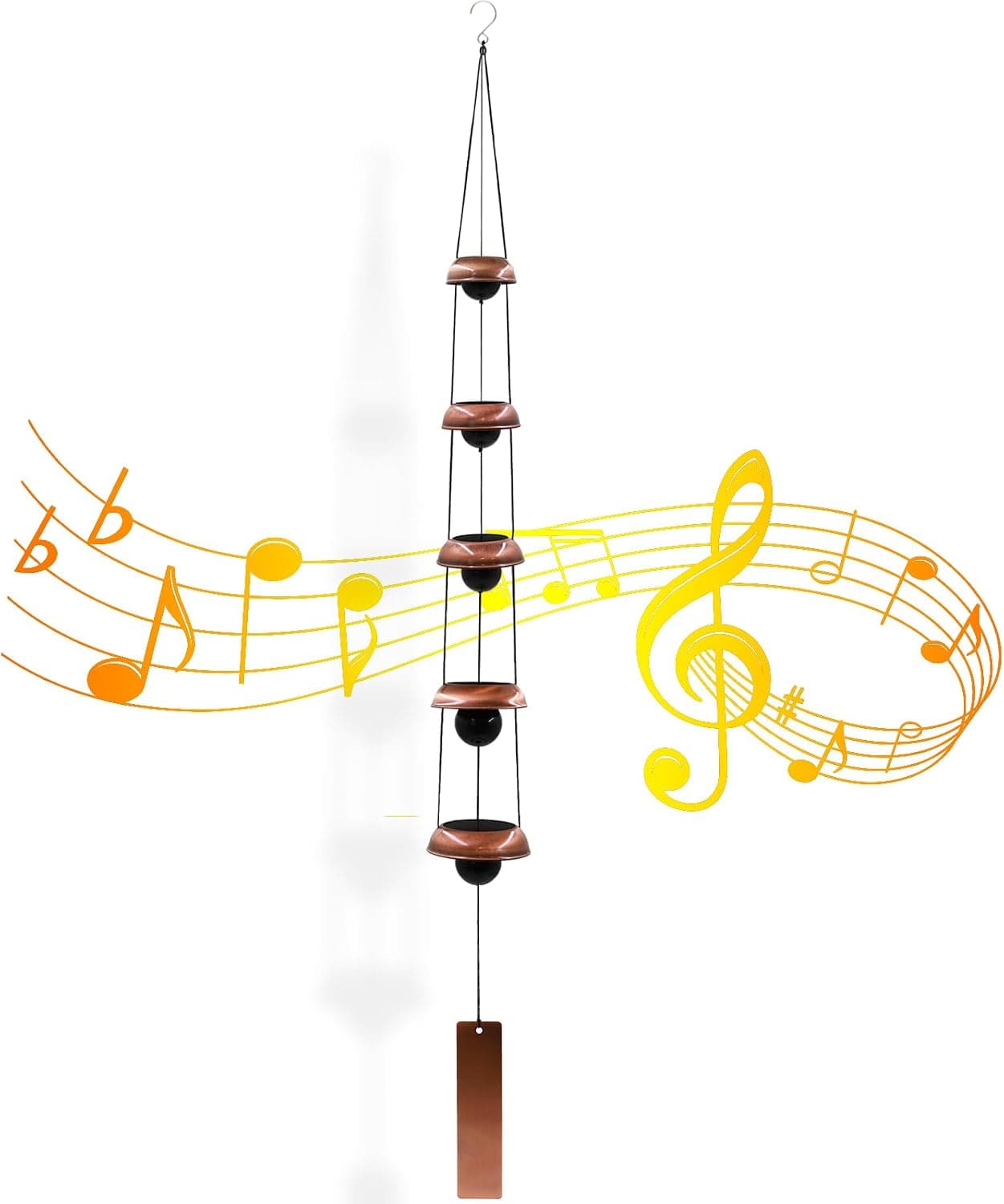 -19%
-19%Wind Chimes for Outside with 5 Bell Unique Copper Musical Chimes Feng Shui Wi...
 -5%
-5%YU FENG Evil Eye Money Tree, Blue Feng Shui Decor with Golden Buddha
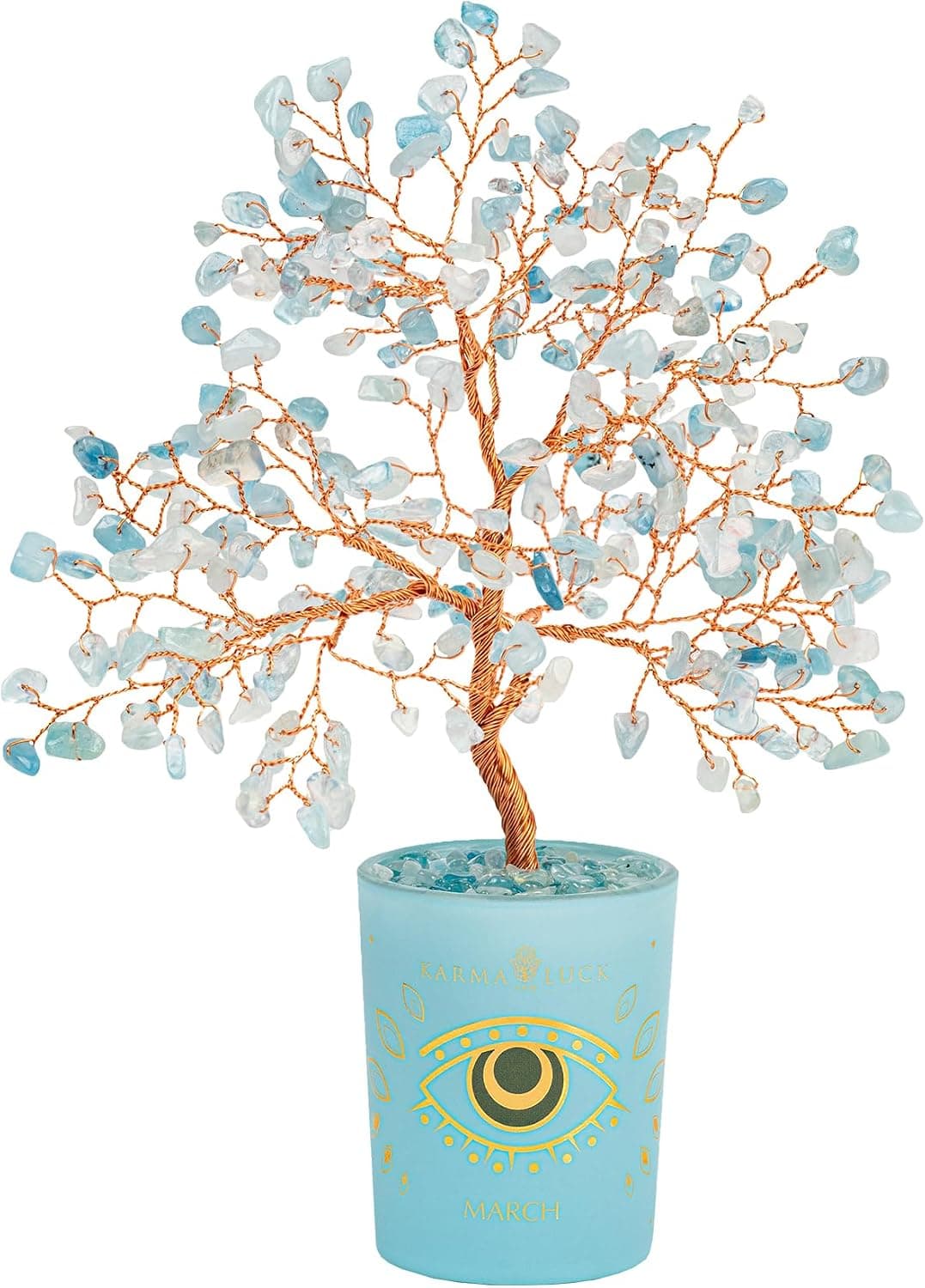 -29%
-29%Karma and Luck March Birthstone Crystal Tree of Life, Aquamarine Gemstone Fen...
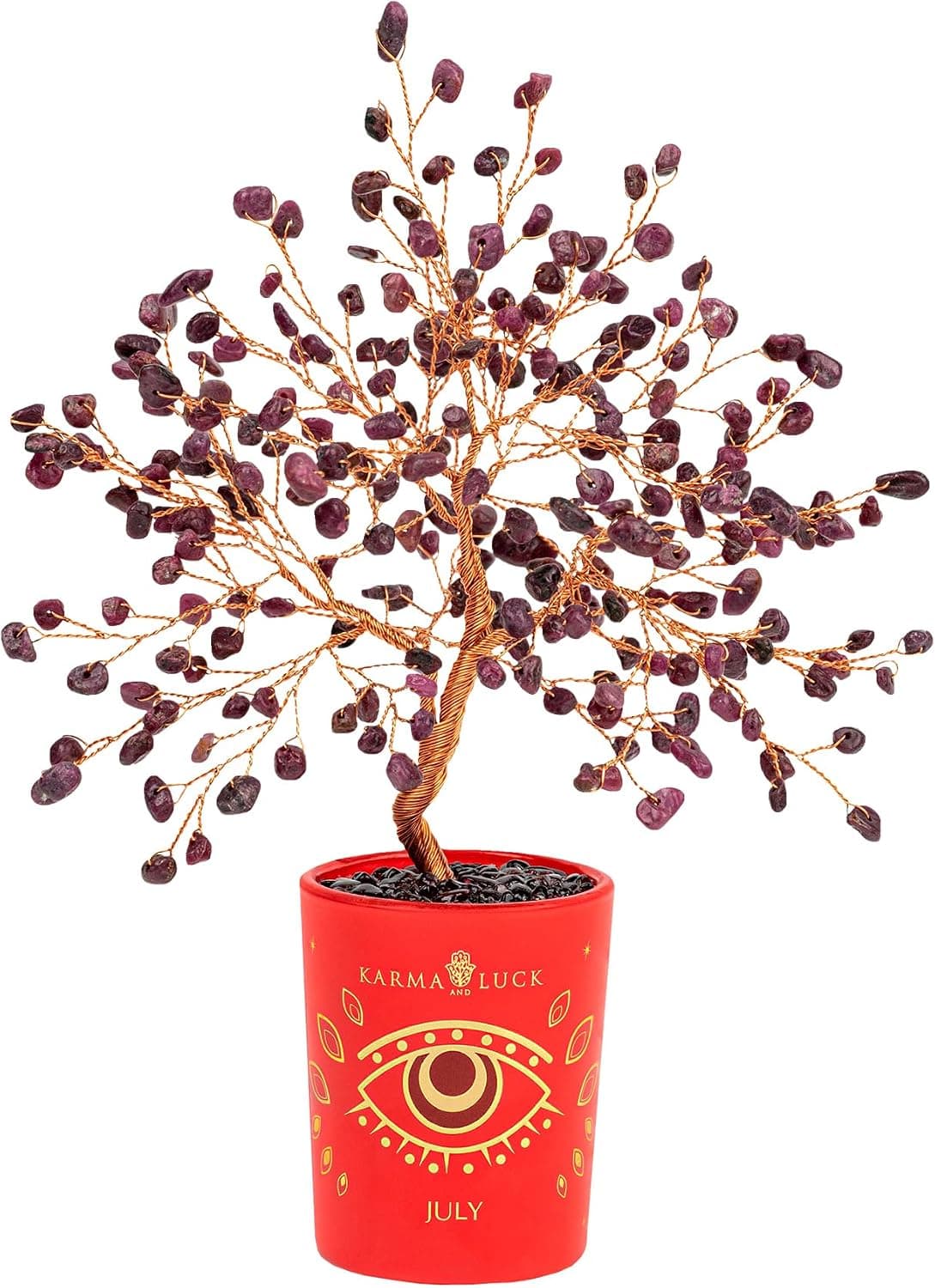 -29%
-29%Karma and Luck July Birthstone Crystal Tree of Life, Ruby Gemstone Feng Shui ...
As an Amazon Associate, we earn from qualifying purchases. We only recommend items our practitioners have personally tested.
Continue Your Journey
Explore these related guides to deepen your understanding:


Ready for Deeper Guidance?
Try our free I Ching reading for personalized wisdom, or explore our curated Feng Shui essentials.