A deceased loved one’s photo can soothe one room and unsettle another, depending on circulation, ritual, and the emotional job of the space.
Why the same portrait can calm one room and disturb another
A framed parent’s portrait on a living-room shelf can feel warm for years, then one day start to press on the room like an extra weight. The image has not changed. The room has. Once that portrait sits in the main circulation path, every passerby meets it again and again, and the mind stops reading it as memory and starts reading it as a constant prompt.
That is the first mistake people make with bagua placement-style thinking: they treat a memorial photo like ordinary decor. It is not ordinary decor. A photo of the deceased carries relationship, grief, ritual, and attention, which means its placement changes not just the look of a room but the emotional tempo inside it.
I have seen a small apartment where a black-framed portrait of a father sat beside family vacation photos, a lamp, and a bright blue ceramic bowl on the open shelf facing the sofa. Nothing looked overtly wrong. Yet every guest who sat there kept lowering their voice. The shelf was in the main sightline from the entry, so the image arrived before conversation did. The room began to feel like a vigil instead of a living room.
That reaction is not superstition. It is human pattern recognition. A repeated reminder in a high-traffic zone can keep the nervous system in a loop, especially when the image is linked to loss rather than celebration. In architecture, threshold zones and circulation paths matter because they control what the body encounters first and most often. In psychology, frequent exposure makes meaning louder.
Where the custom came from before modern homes made it confusing
Chinese ancestor remembrance began as a household duty, not a decorating trend. Families kept ancestral tablets or portraits to preserve lineage, mark respect, and make the dead present in a controlled, ceremonial way. The original logic was practical as much as spiritual: remembrance needed a defined place so it would not blur into everyday activity.
That is where feng shui entered the conversation. Placement was never about banning memorial images from the home; it was about keeping reverence contained. A dedicated altar, cabinet top, or niche gave the image one job: hold ritual attention. When that boundary is clear, the portrait can feel honoring. When it is unclear, the same image starts competing with meals, conversation, and rest.
This is why modern Western advice often misses the point. It turns a nuanced household practice into a yes-or-no rule: display it or hide it. Traditional practice is more conditional. A memorial image near an ancestor altar carries a different emotional and cultural role than a casual photo mixed into a decorative shelf. One is an intentional offering. The other can become background noise that never fully settles.
Ancient homes also made use of spatial hierarchy. Quiet corners, higher shelves, and separate alcoves helped keep the memorial zone distinct from the busier parts of the house. That separation mattered because it preserved two things at once: respect for the dead and livability for the living. If every room is asked to remember, no room gets to relax.
Five-elements thinking helps here more than people expect. Wood, ceramic, linen, and matte finishes tend to support a quieter memorial setting than glossy glass, harsh metal, or busy patterned backsplashes. The issue is not style. It is emotional temperature.
What changed when memorial photos moved into daily living space
Modern homes weakened the old boundaries that once kept remembrance in its own lane. Open-plan layouts collapsed the separation between cooking, gathering, working, and resting. Hallways became storage. Bedrooms became offices. In that kind of layout, a memorial image no longer stays in a ritual zone; it drifts into spaces that the body already treats as active or restorative.
That shift changes how the photo is experienced. In a dedicated remembrance corner, the mind has a clear category: this is where I pause, remember, and reflect. In a coffee table display, the same image gets absorbed into ordinary routines like bills, snacks, laptops, and remote controls. The message becomes mixed, which is why the portrait can start to feel heavy even when the room itself is attractive.
The issue is not just where the photo sits but how often it interrupts attention. A memorial image placed in a high-traffic zone creates repeated, unplanned encounters. That repetition is powerful because it trains the nervous system to stay oriented toward loss instead of letting the emotion settle into a chosen moment. A room can handle memory. What it struggles with is memory without boundaries.
Light and contrast intensify that effect. Soft, indirect daylight tends to let a memorial image read as gentle and reflective. Harsh glare, bright overheads, or reflective frames can make the same portrait feel exposed, almost confrontational. A calm backdrop with one or two restrained objects nearby keeps the eye from scattering and gives the photo a stable emotional frame.
I would rather see a simple wood shelf with a single candle cup and a clean portrait than a crowded display competing for attention. The goal is not to make the image disappear. It is to keep it legible as a memorial, not as a constant interruption to daily life.
When a remembrance space is the right answer
If the photo belongs to an ancestor altar, place it where the household can approach with intention, not by accident. A low-traffic alcove, a cabinet top in a quieter room, or a wall niche at a respectful height all work better than a central display shelf. Standing eye level is often right for a portrait; altar-style arrangements may sit slightly below, depending on family tradition.
This is especially helpful when grief is still active. A dedicated remembrance area helps the mind sort the image as a chosen ritual object instead of an ambient trigger. That distinction is subtle, but it changes everything. Chosen contact can be comforting. Unchosen contact can drain you.
Here is the practical test I use: if the memorial photo is seen every time someone enters, eats, works, or relaxes in that room, it is probably too exposed. If it is seen when you go there with purpose, the placement is more likely to support dignity rather than overwhelm the space. The room should not force the memory on you.
One more thing people miss. A remembrance space does not have to be elaborate to be respectful. A plain shelf, a linen runner, a ceramic bowl, and one framed image can feel more sincere than a grand arrangement surrounded by clutter. Dignity likes restraint.
When daily living areas ask for more restraint
Daily living areas have a job. They hold conversation, meals, movement, work, and recovery. When a memorial portrait dominates those zones, it can shift the whole room away from the life it is meant to support. That is why a living room shelf with a deceased parent’s photo, especially if it faces the sofa and sits among family pictures, can slowly change the emotional climate of the house.
Bedrooms deserve even more caution. The brain links them to rest, vulnerability, and recovery. Put a deceased spouse’s photo on the nightstand facing the bed, and you may discover that sleep no longer feels like release. The room keeps asking for emotional vigilance when it should be asking for surrender. Bedrooms are not neutral containers; they train the nervous system every night.
Bedroom placement and rest are already sensitive, which is why memorial imagery there deserves a careful decision, not a sentimental reflex. If the photo deepens comfort and does not interrupt sleep, that is one thing. If it keeps you alert, nostalgic, or caught in unresolved grief, it is working against the room’s function.
Kitchen and entry placements have their own problems. The kitchen should support nourishment, not constant remembrance. The front door receives too much movement and too much outside energy to carry a memorial image well. Place the photo somewhere that can hold stillness. Thresholds are for transition, not for lingering sorrow.
How to place a memorial photo with respect and clarity
Start by choosing the relationship you want the image to serve. If it is for ancestor veneration, create a dedicated remembrance space. If it is for private grief, keep it where you can meet it intentionally and where it will not interrupt the room’s primary function. If it is only there because you have nowhere else to put it, that is not a placement plan. That is drift.
Then edit the surroundings. Remove clutter. Use a stable background. Favor muted materials like wood, linen, ceramic, or brushed frames. Avoid glossy surfaces that bounce light and make the image feel exposed. Keep the memorial photo out of the main circulation path so people do not brush past it emotionally ten times a day.
If you want a simple sequence, use this: choose the right room, choose a quiet wall or alcove, set the photo at a respectful height, and test the space for three days. Watch what happens to your breathing, your sleep, and your willingness to enter the room. The body notices before the mind argues.
And if the placement feels heavy, move it. That is not disrespect. It is adjustment. Families often assume a memorial image must stay where it first landed, as if moving it were an insult. It is not. In feng shui, placement serves living relationships. Good placement protects memory by giving it the right container.
How this practice fits a larger home pattern
Once you understand the logic, the issue stops being “Can I display a photo of the deceased?” and becomes “Where can this image do its work without overwhelming the house?” That is a much better question. It respects both tradition and daily life.
For broader room balancing, I often point people to living room arrangement principles because the same lesson applies there: active spaces need circulation, not emotional congestion. The same is true here. A memorial picture can belong in the home, but not everywhere in the home.
Some households will keep a small ancestor altar in a quiet alcove for years. Others will rotate memorial images during anniversaries and then return them to storage or a dedicated cabinet. Both approaches can work. The right choice depends on culture, temperament, grief stage, and the architecture of the house itself.
That is the part modern advice skips. It wants universal rules. Homes do not have universal rules. They have thresholds, paths, light, proportion, and the people who live inside them.
FAQ
Can I keep a deceased parent’s photo in the living room?
You can, but the placement should not sit in the main flow of traffic or dominate the main seating area. A side niche or a dedicated shelf away from constant sightlines usually works better than a central display among everyday decor.
Is it bad feng shui to keep a spouse’s photo on the nightstand?
Surprising as it sounds, the problem is not the photo itself but the room’s job. Bedrooms are built for rest and vulnerability, so if the image keeps you emotionally activated, the placement is working against recovery and sleep.
Do ancestor photos need a formal altar?
Not always. A formal altar helps when the family wants a clear ritual boundary, but a quiet alcove, cabinet top, or wall niche can also honor the same principle: remembrance should have a defined place, not spill into every room.
When in doubt, let the room tell the truth. If the image softens the space, supports ritual, and leaves daily life intact, the placement is probably sound. If it tightens the air, repeats grief without pause, or turns a living room into a shrine, the photo needs a better home.
Mei Chen
Traditionally informed guidance • Cross-referenced with classical Chinese source texts
Content draws from both Compass (Luopan) and Form (Xingshi) school traditions. Illustrative examples are composites based on consultation experiences.
Practitioner-Selected Tools for This Topic
Items our team has tested and found effective for the principles discussed above. Individual results may vary.
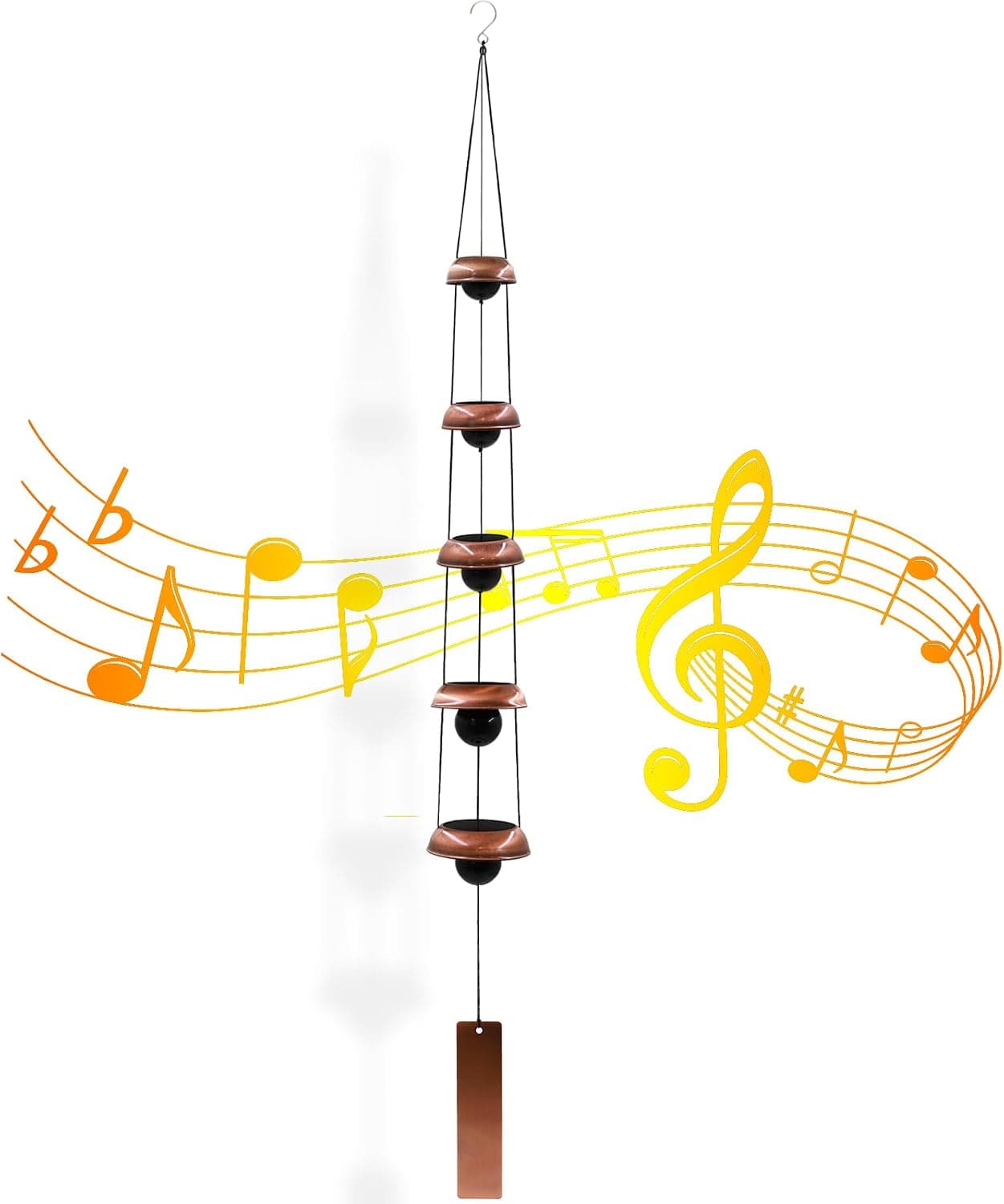 -19%
-19%Wind Chimes for Outside with 5 Bell Unique Copper Musical Chimes Feng Shui Wi...
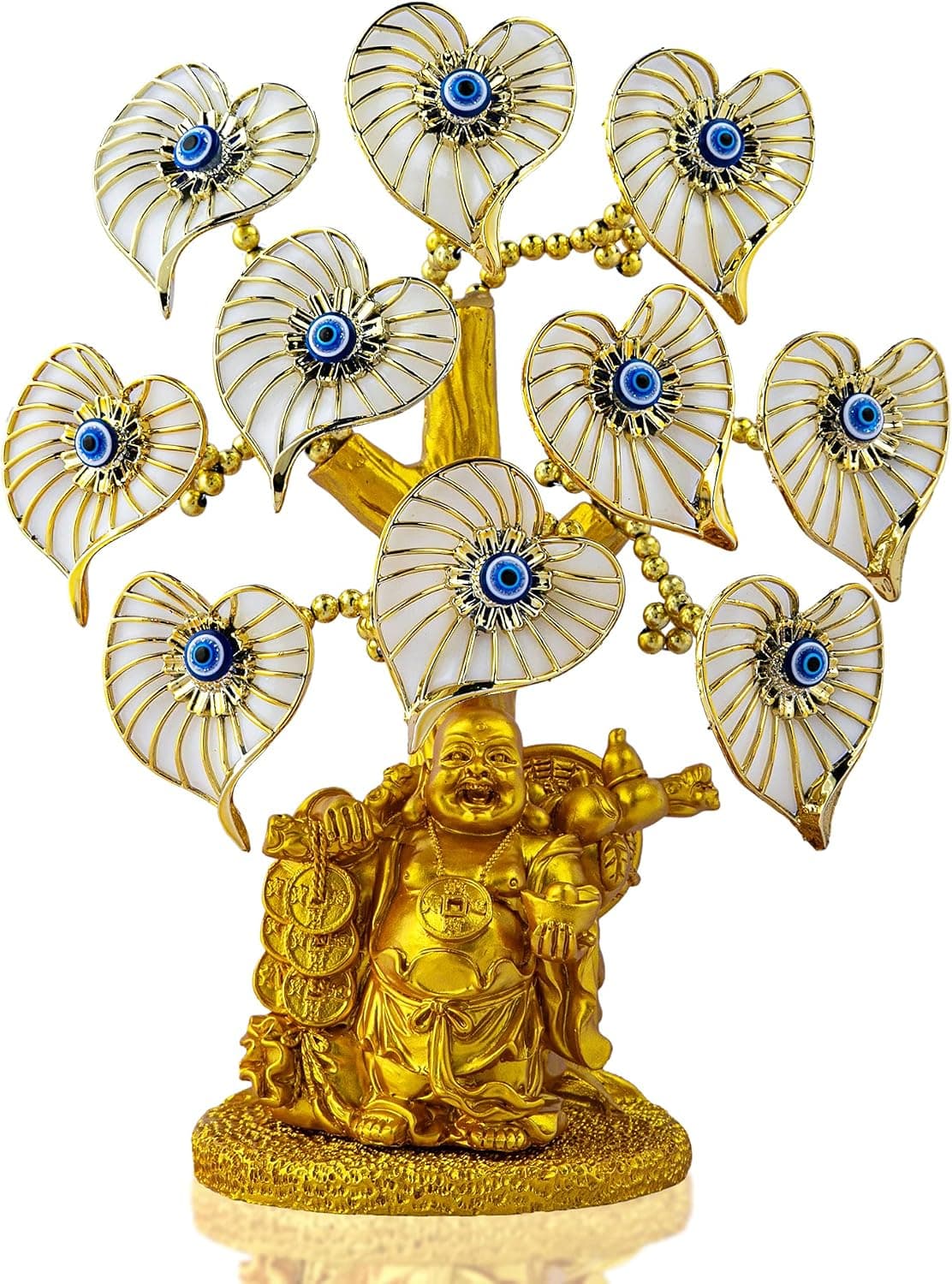 -5%
-5%YU FENG Evil Eye Money Tree, Blue Feng Shui Decor with Golden Buddha
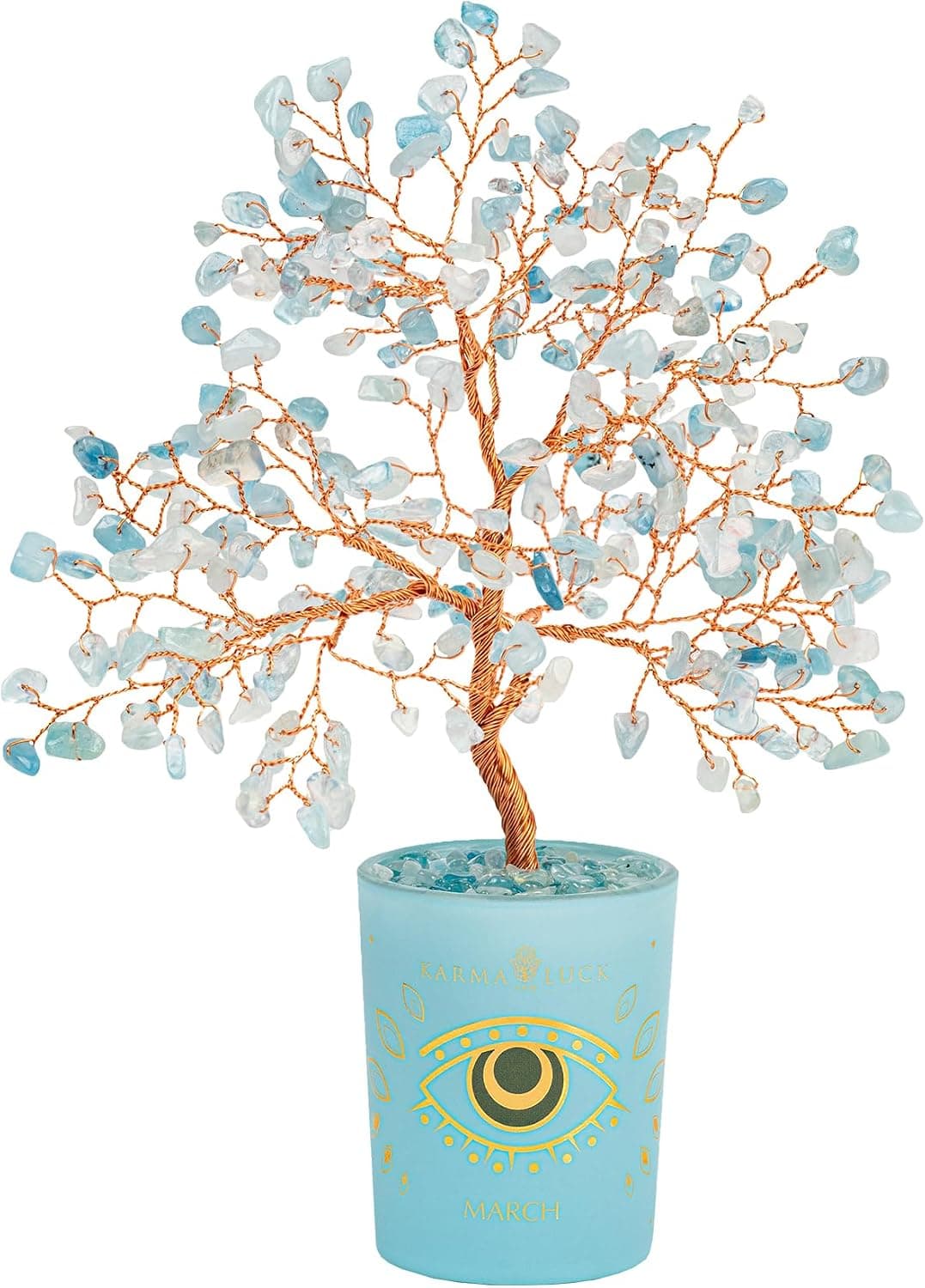 -29%
-29%Karma and Luck March Birthstone Crystal Tree of Life, Aquamarine Gemstone Fen...
 -29%
-29%Karma and Luck July Birthstone Crystal Tree of Life, Ruby Gemstone Feng Shui ...
As an Amazon Associate, we earn from qualifying purchases. We only recommend items our practitioners have personally tested.
Continue Your Journey
Explore these related guides to deepen your understanding:


Ready for Deeper Guidance?
Try our free I Ching reading for personalized wisdom, or explore our curated Feng Shui essentials.