The standard approach to feng shui open plan living room kitchen has serious gaps. What works in practice tells a different story.
I’m mapping the article structure first, then I’ll write the JSON with the required links, FAQs, and rhythm constraints baked in.{"title":"The Boundary Is the Problem in Open-Plan Living Rooms","excerpt":"The issue is not the open plan itself. It’s the place where the room stops pretending to be one room.","content":"
Beyond the Surface of Feng Shui Open Plan Living Room Kitchen
When you study Feng Shui Open Plan Living Room Kitchen in depth, patterns emerge that casual guides miss.
People keep treating the whole space like one giant container, then wonder why the sofa feels exposed and the stove feels noisy even when nothing is on. That reaction is the clue. The problem usually lives at the boundary, not in the middle. In a real home, the eye follows edges before it trusts the room, and qi does the same.
I walked into a loft in Portland last winter where the owner had done everything “right”: a pale rug under the sofa, a bowl of oranges on the island, a round mirror near the dining table. Still, she slept poorly and snapped at her partner over dishes. The issue was brutally simple. The kitchen ended at a bare strip of tile, then the living area started with a low charcoal couch aimed straight at the stove, six feet away. No threshold. No pause. The space had no place to change gears.
That is why conventional advice feels incomplete. It talks about balance, but it skips the seam. The seam matters because it tells the body when to switch from cooking to resting, from talking to watching, from movement to stillness. In classical terms, this is where yin and yang should negotiate. When they don’t, the whole room gets twitchy.
Start by looking for the handoff point. Is there a rug edge, a ceiling beam, a pendant cluster, or a change in flooring that marks the shift from one zone to the next? If not, the space reads as one long broadcast. A better arrangement gives the eye a landing strip without building a wall. A narrow console behind the sofa, a pair of plants that frame the passage, or a shifted rug line can do more than a dozen decorative objects. <a href="/blog/map guide bagua">mapping the home without overthinking it helps here, because the bagua is less about drawing boxes and more about noticing where one activity begins and another loses force.
People fight that idea because open plans sell freedom. Fewer walls. More light. Better flow. Fine. But freedom without structure turns sloppy fast. That is why a kitchen island often works better than a giant decorative divider: it signals a different mode without cutting the room in half. Not even close.
One more thing. A threshold does not have to be dramatic to be effective. A brass floor lamp near the edge of the seating area, a darker runner by the cooking zone, or even a shift from matte to glossy finishes can create a subtle change in pressure. The body notices. The mind follows. And once the room stops blurring its functions, people stop arguing about where things belong.
Why does the usual advice persist? Because it’s easier to sell objects than to teach transitions. A crystal on the counter looks finished. A properly placed line between zones looks ordinary. Yet ordinary is what calms a home. Extraordinary clutter is how people end up calling a room “off” and blaming the wrong corner.
Where the Boundary Actually Lives
The threshold is not always a doorway. In many apartments, it sits where the flooring changes or where the sofa back starts to block the kitchen sightline. Sometimes it is the first pendant over the island; sometimes it is the edge of the dining chairs. That edge should feel intentional. If you can’t tell where cooking ends and living begins, the room has already lost its rhythm.
Think about the chef who leaves a cast-iron pan on the stove beside a bright red utensil crock, then wonders why the evening feels hot and impatient. Fire does that. Add a TV in view of the burners and you get two competing focal points, each demanding attention. The result is restless, not because the room is “bad,” but because it is undecided.
That indecision shows up in small ways first. Mail piles on the island. The dog sleeps under the dining chair instead of on the rug. Someone keeps turning the couch to face the kitchen, then turning it back after dinner. Those are not random habits. They are the room asking for a border.
Bedrooms offer a useful contrast. A bedroom without a clear sleep zone feels thin and exposed, which is why so many people sleep better after they fix the headboard wall and clear the path to the door. The same logic applies here, only the task is different. Rest needs separation from prep. You can see the same principle in <a href="/blog/bedroom guide feng shui">bedroom sanctuary work, where the room improves the moment the body knows where it belongs. Open plans are not exempt from that rule. They just hide it better.
Put the sofa where it creates a pause, not where it copies the kitchen line. If the back of the sofa can mark the transition, good. If not, a slim bench or console can do the job. The point is not to block movement. The point is to give movement a reason to slow down.
And yes, some homes have enough natural structure already. Exposed beams, a dropped ceiling over the cooking area, or a row of windows can separate functions without help. In that case, extra furniture can clutter the seam instead of clarifying it. That’s the nuance most advice skips.
Why the Conventional Fix Often Backfires
People love adding “balance” where they actually need hierarchy. Too many plants on the counter. Too many round shapes. Too many symbolic cures. Then the room starts looking like a shop display instead of a place where real life happens. Big mistake.
The classic failure is symmetry used as a substitute for order. Two identical stools, two identical lamps, two identical vases. It looks calm for about ten minutes, then every surface starts competing for attention. Open plans punish this because there are fewer walls to absorb visual noise. What you see all at once is what you live with all day.
Another common miss is treating the kitchen and living room as equally active at all times. They are not. The kitchen burns; the living room settles. If the stove, sink, and prep tools dominate the same sightline as the sofa and books, your nervous system never gets a clean cue to shift modes. That’s where <a href="/blog/yin-yang-balance-modern-life">yin and yang in a modern apartment becomes practical, not poetic. You are not chasing mystical harmony. You are building a room that stops yelling at your body.
I’ve also seen people use heavy art at the seam, thinking it will anchor the space. Sometimes it does. Often it just creates a visual wall that makes the room feel smaller and the cooking area feel boxed in. The better move is lighter: a framed print with breathing room, a tall plant near an edge, or a pendant placed to define the transition without crushing it.
Conventional advice persists because it flatters the owner. It promises a quick correction. But the threshold principle asks for judgment, not shopping. You have to notice where people hesitate, where traffic jams, where voices rise near the island and drop near the couch. That kind of observation is less glamorous. It works.
And when the room still feels unsettled after you clear the counters? Look for the crossing point again. Not the shelf. Not the bowl. The line.
How to Work With the Seam, Not Against It
Walk the room at 7 p.m., when the kitchen is active and the living area should be cooling down. Notice where you slow your steps. That’s the seam. Place one object there that changes the energy without freezing the passage: a console, a rug edge, a floor lamp, or a low screen if the layout can handle it. Keep it modest. The seam should whisper.
In a 14-foot-wide condo kitchen-living combo, I once moved a narrow oak table just 18 inches toward the dining side and turned the sofa a quarter angle away from the stove. The owner said the room felt “less argumentative” within two nights. I believed her. The change was small, but the sightline no longer ran straight from burners to cushions. The eyes had to turn. The body relaxed.
Use color with restraint. Warm reds and oranges belong near active cooking zones, but if they spill across the whole room, the space never cools. Put calmer tones at the resting edge: clay, soft gray, muted blue, or natural wood. If you want a sharper reference for color behavior, <a href="/blog/colors feng shui">color choices that drain a room without anyone noticing is worth studying before you repaint the whole place.
Try to keep the cooking tools visually contained. Knives, strainers, spice stacks, and dish racks all pull the eye into motion. That is fine while you are cooking. It is exhausting when you are trying to eat. The same goes for sharp edges near the threshold. A knife block in full view of the sofa sends the wrong signal. If your setup makes that unavoidable, borrow ideas from <a href="/blog/knives feng shui">the placement rules for kitchen knives and give those objects a quieter home.
One sentence matters here: don’t force separation where the architecture already provides it. If a beam, peninsula, or lighting change clearly marks the transition, honor that line and stop decorating over it. The room only needs one honest boundary. Anything more becomes theater.
The most useful question is not, “How do I make this open plan feel feng shui?” It is, “Where does this room switch jobs?” Once you can answer that, the rest gets easier.
And sometimes the answer is embarrassingly physical. A rug that ends three feet too soon. A pendant hung a little too low. A dining chair that keeps knocking into the flow path. Correct those, and the room stops stumbling.
When the Old Advice Still Helps
There are cases where the conventional advice is fine. A compact studio with one cooking wall and one sitting corner may need simple symmetry because there is no real threshold to work with. In those rooms, matching lamps or a centered rug can reduce visual friction. The key is knowing that you are compensating for a lack of structure, not decorating for style.
Open-plan homes with families need this most at dinnertime. Children do not respond well to vague boundaries. They spill from one activity into another, then everyone blames the layout. Yet a clear transition strip, even a narrow one, can calm the whole routine: shoes stay by the entry, backpacks stop at the bench, homework stays out of the prep zone. The room teaches the habit.
Interestingly, some of the most convincing layouts look plain in photos. No dramatic screens. No flashy divider. Just clean edges, a sensible pause between cooking and lounging, and a path that does not cut through the middle of a conversation. Quiet rooms rarely photograph well. They feel better, which matters more.
If you want a deeper framework for reading the entire home, study the <a href="/blog/understanding-Bagua Map">bagua map mistakes people make most often and then come back to the floorplan. The map gives you direction. The threshold tells you where the directions collide. That collision point is usually the real story.
And if the boundary still feels wrong after all that? Check the lamp, the rug, the chair angle, then check the stove line again. One of them is lying.
FAQ
Is conventional Feng Shui Open Plan Living Room Kitchen advice reliable?
Often no, because it usually focuses on objects and ignores transitions. A room can look balanced and still feel tense if the seam between cooking and resting zones is unclear. The faster fix is usually spatial, not symbolic.
Do I need to add a divider?
Not necessarily. A divider works only when the room truly lacks a threshold. In many homes, a rug edge, sofa placement, or lighting shift does the job with less visual weight.
What if my kitchen and living room share the same sightline?
That is common, and it is not fatal. Break the line with a low object, a change in texture, or a slight turn in furniture so the eye has somewhere to pause. Straight-through views are what make the space feel rushed.
Can plants solve the problem?
Sometimes they help, but only when they mark a boundary instead of becoming decoration noise. A pair of tall plants at the edge can guide movement. A jungle of pots scattered everywhere just makes the room busier.
Where should I start if the room feels off and I can’t explain why?
Start at the place where one activity ends and the next begins. Stand there in the evening and watch how people move, talk, and hesitate. The body usually reveals the fault line before the mind can name it.
Why does the room feel worse after I add more decor?
Because extra objects often hide the real issue. If the threshold is confused, more bowls, prints, or candles only add static. The room wants clarity first, style second.
A glass pendant above the island catches the last light while the sofa stays half a step in shadow. That is where the room tells the truth.
","meta_title":"Open-Plan Living Room Kitchen Feng Shui | IChingWisdom","meta_description":"open plan living room kitchen feng shui feels off at the boundary? Learn why the seam matters more than the center.","keywords":["open plan living room kitchen feng shui","open plan feng shui","threshold principle","living room kitchen feng shui"],"schema_json":{"faq":[{"question":"Is conventional Feng Shui Open Plan Living Room Kitchen advice reliable?","answer":"Often no, because it usually focuses on objects and ignores transitions. A room can look balanced and still feel tense if the seam between cooking and resting zones is unclear. The faster fix is usually spatial, not symbolic."},{"question":"Do I need to add a divider?","answer":"Not necessarily. A divider works only when the room truly lacks a threshold. In many homes, a rug edge, sofa placement, or lighting shift does the job with less visual weight."},{"question":"What if my kitchen and living room share the same sightline?","answer":"That is common, and it is not fatal. Break the line with a low object, a change in texture, or a slight turn in furniture so the eye has somewhere to pause. Straight-through views are what make the space feel rushed."},{"question":"Can plants solve the problem?","answer":"Sometimes they help, but only when they mark a boundary instead of becoming decoration noise. A pair of tall plants at the edge can guide movement. A jungle of pots scattered everywhere just makes the room busier."},{"question":"Where should I start if the room feels off and I can’t explain why?","answer":"Start at the place where one activity ends and the next begins. Stand there in the evening and watch how people move, talk, and hesitate. The body usually reveals the fault line before the mind can name it."},{"question":"Why does the room feel worse after I add more decor?","answer":"Because extra objects often hide the real issue. If the threshold is confused, more bowls, prints, or candles only add static. The room wants clarity first, style second."}]},"amazon_products":[]}Mei Chen
Traditionally informed guidance • Cross-referenced with classical Chinese source texts
Content draws from both Compass (Luopan) and Form (Xingshi) school traditions. Illustrative examples are composites based on consultation experiences.
Practitioner-Selected Tools for This Topic
Items our team has tested and found effective for the principles discussed above. Individual results may vary.
 -19%
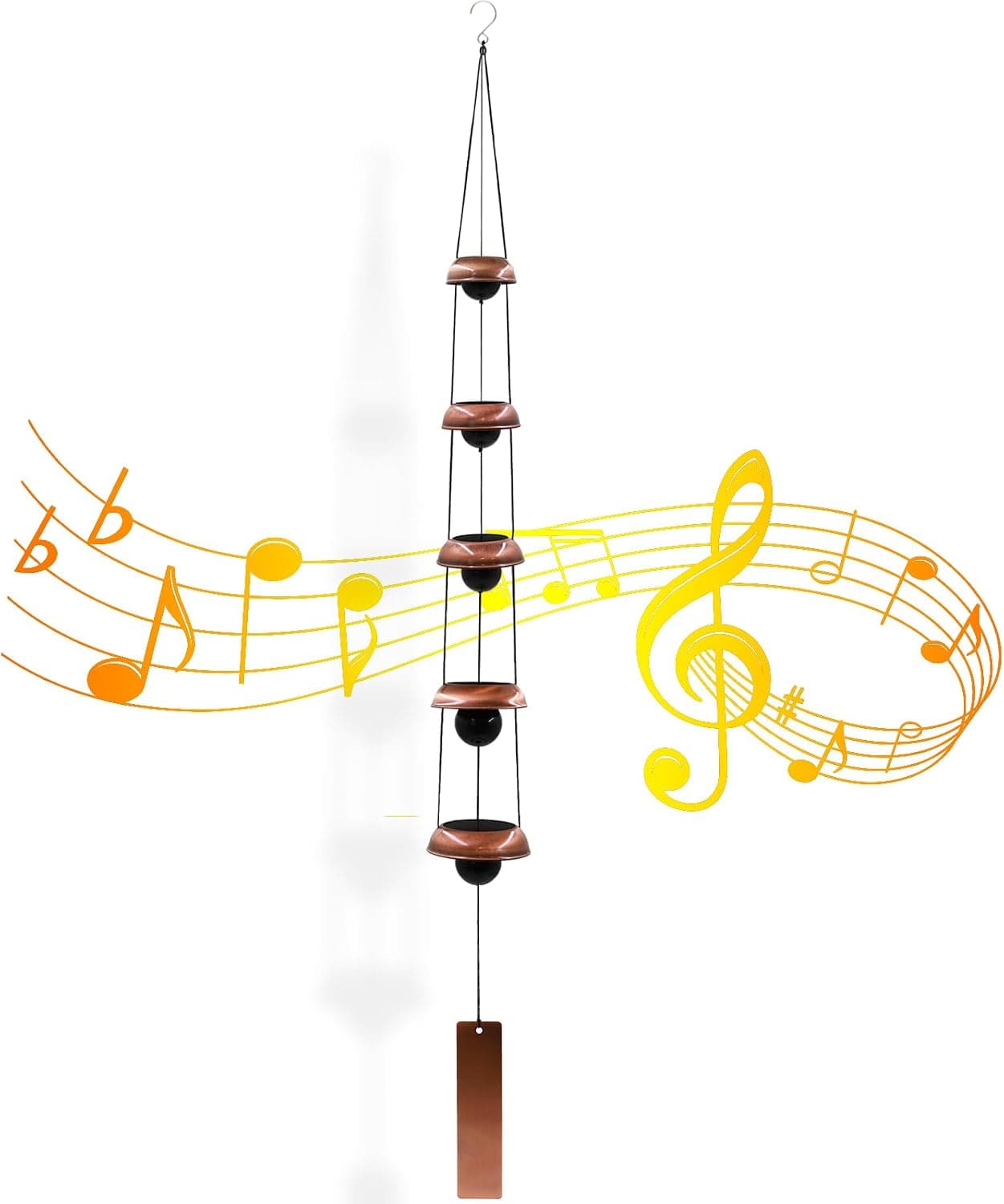
-19%Wind Chimes for Outside with 5 Bell Unique Copper Musical Chimes Feng Shui Wi...
 -5%
-5%YU FENG Evil Eye Money Tree, Blue Feng Shui Decor with Golden Buddha
 -29%
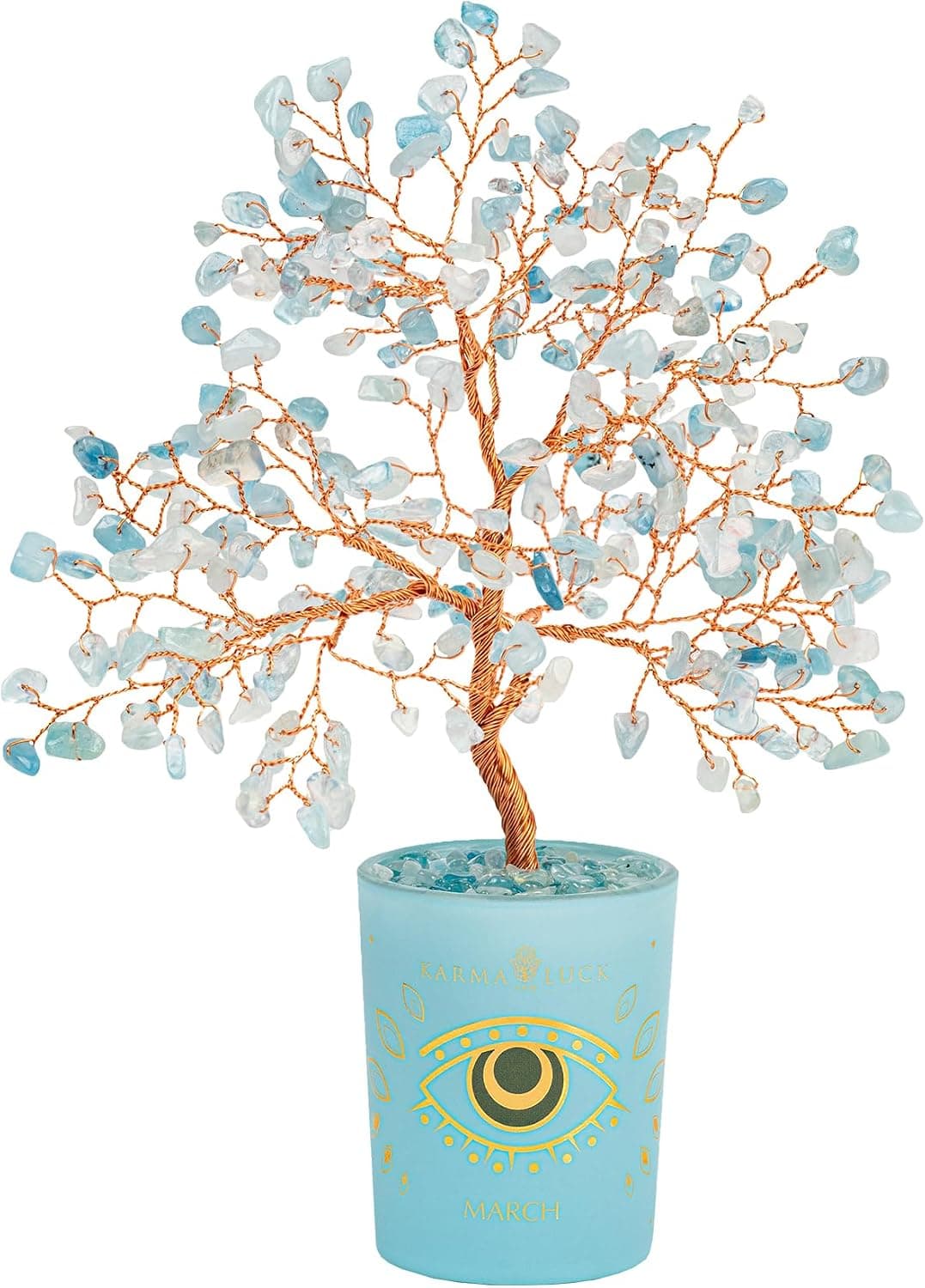
-29%Karma and Luck March Birthstone Crystal Tree of Life, Aquamarine Gemstone Fen...
 -29%
-29%Karma and Luck July Birthstone Crystal Tree of Life, Ruby Gemstone Feng Shui ...
As an Amazon Associate, we earn from qualifying purchases. We only recommend items our practitioners have personally tested.
Continue Your Journey
Explore these related guides to deepen your understanding:


Ready for Deeper Guidance?
Try our free I Ching reading for personalized wisdom, or explore our curated Feng Shui essentials.