In 2027, office feng shui works when layout supports attention first and symbolism second.
Observation: the desk position is already deciding the day
If your workstation feels tiring before lunch, the problem is usually not motivation. It is the relationship between your chair, the door, the wall, and the path people use to cross the room. In a 2027 house layout, that same logic applies to the office: movement should flow around the worker, not through the worker.
I have seen a spare bedroom office with a pale blue desk shoved against the long wall, the door opening beside the chair, and daylight washing straight across a monitor. The person sat there all day turning slightly to catch the screen and slightly again to check who had entered. That is not a mystical problem. That is a circulation problem.
Qi in an office is not just “energy” in the vague wellness sense. It is the broader pattern of movement, visibility, and ease that shapes whether a room supports concentration or keeps asking the nervous system to stay alert. If the space forces constant micro-adjustments, the mind pays for them.
The surprising part is that even a beautiful desk can fail if it sits in the wrong relationship to the room. Symmetry, proportion, and a clear backdrop matter because the eye relaxes when the space feels ordered. A workstation that is visually stable usually feels mentally stable too.
That is why reading the bagua map correctly is only half the job. The map tells you where sectors sit. The room tells you whether a person can actually use them without strain.
Problem: a wall, a corridor, or a shared room can wear attention down
A desk that faces a blank wall can work, but only if the wall is doing something useful for you, like holding a monitor at the right distance or giving the eye a calm field. A desk that faces a hallway is different. Now the worker is absorbing every passing body, every sound, every shift in light, and every small change in movement at the edge of vision.
That kind of exposure creates vigilance. Not drama. Vigilance. The brain keeps checking for movement behind or beside the body because the body cannot see the whole room, and that low-grade scanning drains focus over hours. It also fragments thought: each interruption forces the mind to rebuild context, which is why even “minor” pass-bys can feel exhausting by mid-afternoon.
In open-plan offices, this gets worse fast. Several desks may share one circulation path, and people pass behind seated workers every few minutes. Even when nobody says a word, those interruptions cue attention away from deep work because the environment keeps saying, “Monitor this.” The result is not just distraction, but more fatigue from repeated task-switching.
Use a small amount of architectural thinking here: offices are not just furniture clusters. They are sequences of thresholds, paths, and resting points. If the desk sits inside the main path, the room has no resting point for the person working there, and the body never gets a clear signal that it can stand down.
That is also why a good chair alone does not solve the problem. A high-backed chair, a bookshelf, or a low partition can provide backing support, but only if it reduces exposure without creating a cramped box. The aim is containment with breathing room, because too little openness feels restrictive and too much openness feels unsafe.
One sentence matters here: visibility reduces vigilance, and reduced vigilance preserves attention.
Explanation: what qi, command position, and flying stars mean for an office
The command position is simple in principle and often misunderstood in practice. You want to see the door without being directly in line with it. That is not about superstition; it is about control of attention, because visible entry lowers the need for constant scanning and lets the brain predict interruption instead of reacting to it.
Qi moves best where circulation is clear and pressure is low. If a corridor slices behind the chair, qi is not settling; it is being chopped up by traffic. If the desk is wedged into a corner with the back exposed and the front blocked, the room becomes heavy in front and uncertain behind, which is a poor arrangement for decision-making because the body feels trapped while the mind is trying to stay open.
Flying stars matter in 2027 because they help you distinguish between a sector that is merely inconvenient and one that becomes more reactive under pressure. A difficult annual sector does not “ruin” a room. It increases the cost of making that area noisy, crowded, or unstable, so the smart move is to lower stimulation there rather than ask the space to do too much.
For offices, that means assigning functions with more precision. A sector with annual pressure may still work for storage, printing, or occasional admin, but it is a weaker candidate for the most focus-heavy desk, especially if the room already has glare, noise, or foot traffic. In other words, the annual pattern does not replace good layout; it tells you where bad layout becomes more expensive.
That is the right way to read annual feng shui: not as a command to panic, but as a way to assign the room’s jobs. Some areas can handle movement. Some should handle storage. Some should support calls, meetings, or slower tasks. Very few should host the most attention-heavy desk without a second look.
There is also a practical design point here. Warm localized task lighting usually supports a desk better than cool overhead fluorescents because it defines a working zone and reduces the visual spill that makes the whole room feel equally active. Fabrics, curtains, and rugs soften acoustics, which lowers interruption cues and makes the room less reactive to every chair scrape or footstep. These are not decorative extras. They are behavioral supports.
The phrase calm visual layering may sound like a living-room idea, but it matters in offices too. When the desk area has a clear foreground, a workable middle distance, and a stable backdrop, the nervous system reads the station as owned and predictable. That predictability is what turns a room from merely usable into genuinely workable.
Mei Chen
Traditionally informed guidance • Cross-referenced with classical Chinese source texts
Content draws from both Compass (Luopan) and Form (Xingshi) school traditions. Illustrative examples are composites based on consultation experiences.
Practitioner-Selected Tools for This Topic
Items our team has tested and found effective for the principles discussed above. Individual results may vary.
 -19%
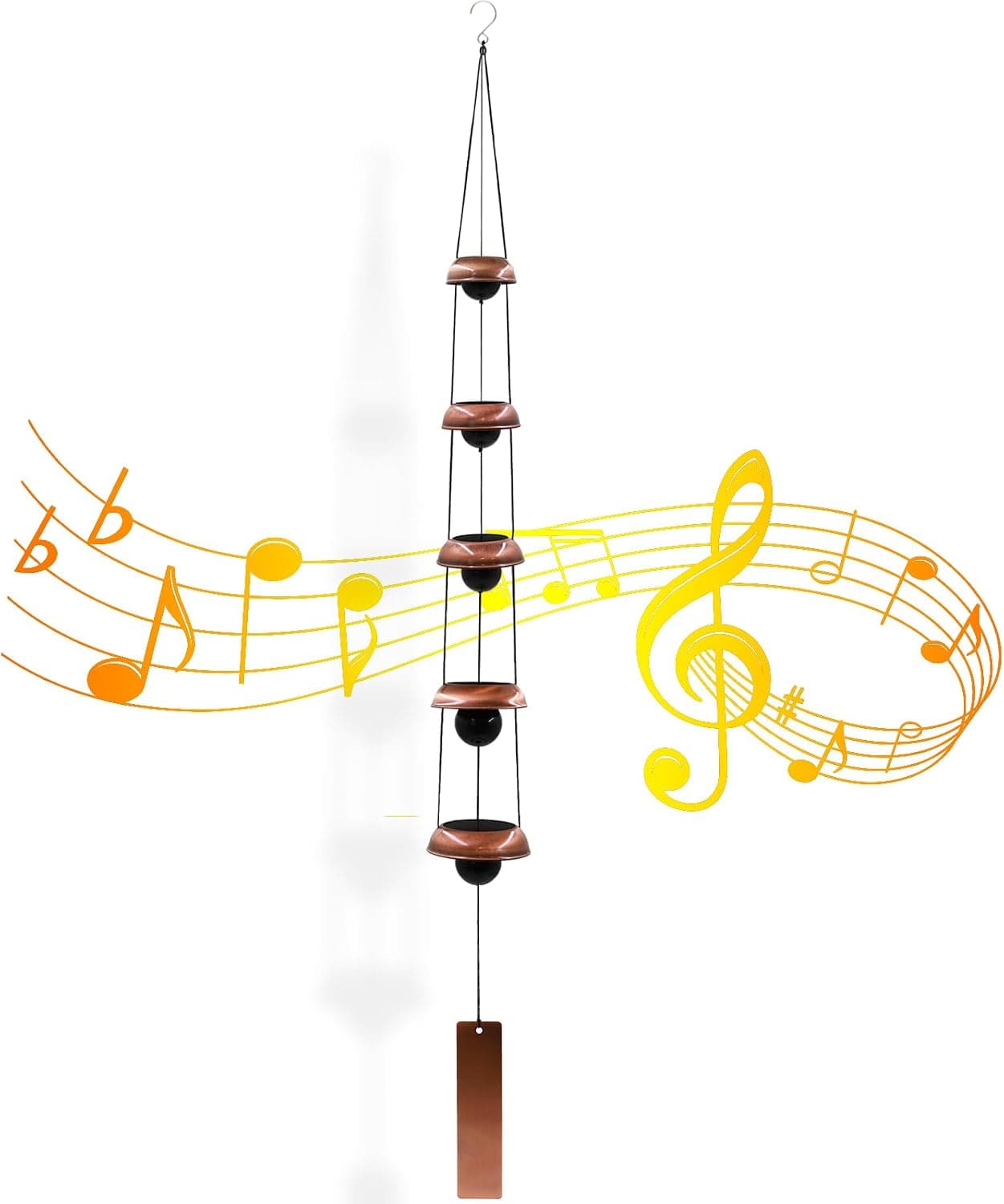
-19%Wind Chimes for Outside with 5 Bell Unique Copper Musical Chimes Feng Shui Wi...
 -5%
-5%YU FENG Evil Eye Money Tree, Blue Feng Shui Decor with Golden Buddha
 -29%
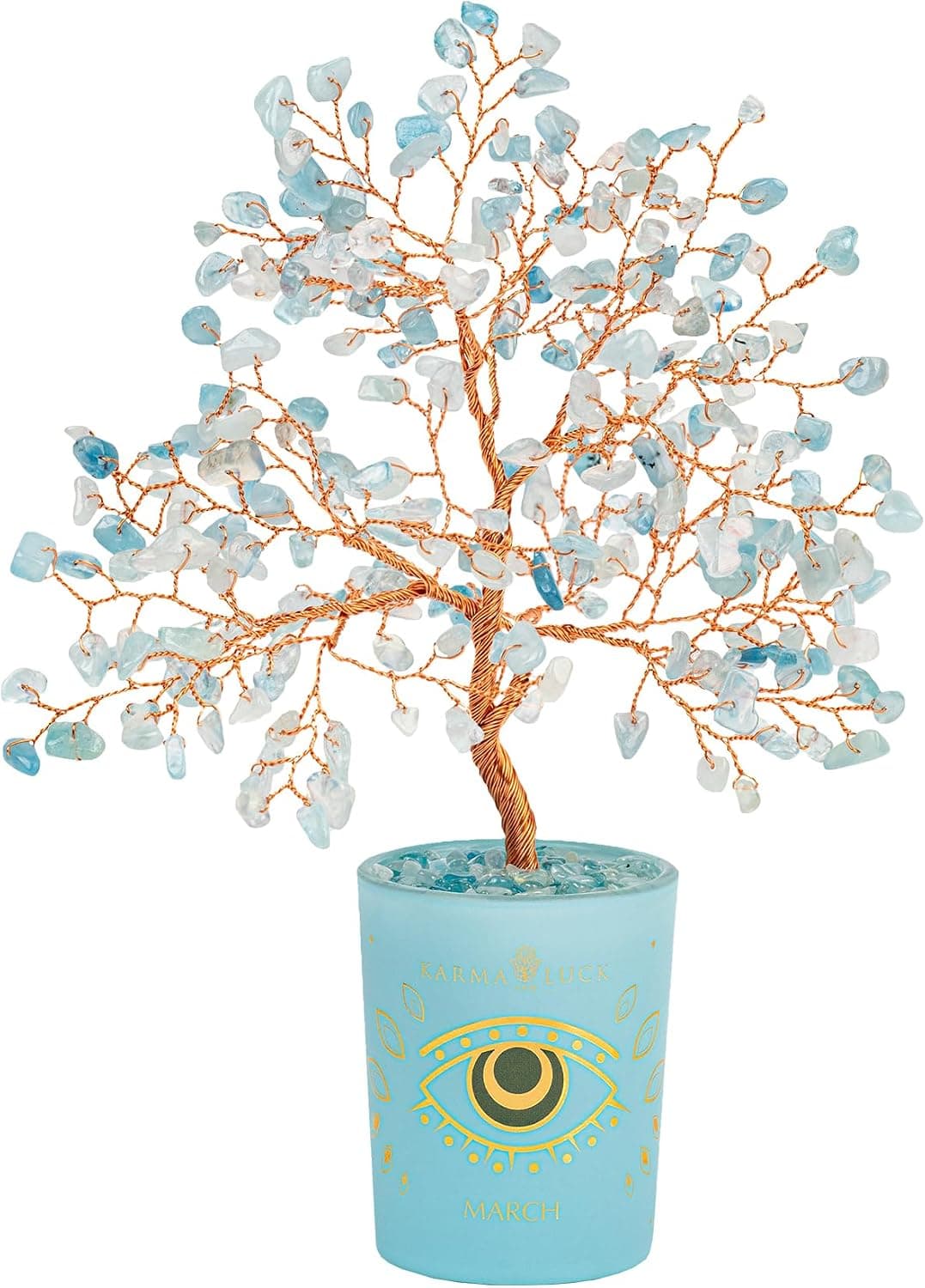
-29%Karma and Luck March Birthstone Crystal Tree of Life, Aquamarine Gemstone Fen...
 -29%
-29%Karma and Luck July Birthstone Crystal Tree of Life, Ruby Gemstone Feng Shui ...
As an Amazon Associate, we earn from qualifying purchases. We only recommend items our practitioners have personally tested.
Continue Your Journey
Explore these related guides to deepen your understanding:


Ready for Deeper Guidance?
Try our free I Ching reading for personalized wisdom, or explore our curated Feng Shui essentials.