The room that sleeps well is rarely the prettiest one; it is the one that stops surprise, glare, and traffic at the crib.
When the nursery still feels restless, the layout may be fighting the baby
Start with the crib, not the decor. If a nursery looks sweet in daylight but turns tense at 2 a.m., the problem is usually flow: where your body walks, where light lands, and what the baby has to monitor from the sleep zone.
I have stood in a doorway at 2 a.m. with one hand on a wall and the other holding a diaper caddy, trying to reach a crib without clipping a rocking chair, a laundry hamper, and a stack of folded muslins. That room was tidy. It was also exhausting. The path itself was noisy, crowded, and visually loud.
That is why the feng shui nursery baby room conversation should begin with function, not symbols. The room should reduce surprise, support smooth movement, and make rest feel protected. In other words, the space should help the nervous system settle before the baby does.
The bagua map can be useful later, but for a nursery the first test is simpler: can you move through the room without waking everybody up?
When a crib near the door seems convenient, why does it often backfire?
Because convenience and calm are not the same thing. A crib near the door can feel easy for nighttime checks, yet the moment it sits in the direct path of entry, the room starts broadcasting activity. Every opening, closing, draft, hallway glow, or passing shadow becomes a cue that something is about to happen.
The brain notices motion before language. A crib placed in a high-traffic line of sight can increase wakefulness because the room keeps announcing approach. That is environmental psychology, not superstition. Feng shui simply gives it an older language: the bed should receive support, not exposure.
People often assume a baby room only needs softness. Wrong. Softness without structure becomes visual noise. A room can have pastel wallpaper, a cloud mobile, and plush animals everywhere, yet still feel agitated if the crib is exposed to the door, the window, and the changing station all at once. The issue is not volume of decoration; it is how many directions the baby has to track.
There is a quiet rule here that gets ignored: the baby should be able to see enough to feel oriented, but not so much that the room feels open from every side. That balance is the practical version of yin and yang. Too closed feels stifling. Too open feels unprotected.
One more point that surprises parents: the prettiest corner is often the worst sleep corner. A feature wall under a window may photograph beautifully, but if the window leaks light, cool air, or street movement, it becomes a restlessness machine. In other words, the room can look finished and still keep resetting the baby.
The room map that matters first: door, window, crib, and changing zone
Think in three zones. Sleep, care, and storage. Each has a job, and the fewer overlaps you force, the calmer the room will feel. The layout works best when the zones support each other instead of competing for the same visual and physical space.
Place the crib where it is visible from the door without sitting in the straight path of foot traffic. That usually means off to one side of the room, with the head of the crib anchored against a solid wall. A solid wall reduces the feeling of being exposed from behind, and moving the crib off the entry line keeps door motion from reading as a constant threat.
The window matters because light and temperature matter. If the crib must sit near a window, reduce the impact with blackout curtains, a snug shade, or better window treatments that do not flap, rattle, or create hard glare. A baby waking at dawn is not always about hunger. Sometimes the room is simply too open to daylight, or too close to a draft, to stay settled.
The changing area should be close enough for nighttime access but not so close that diaper activity dominates the sleep zone. A shared bedroom nursery corner looks tidy in daylight, yet at night the changing station can force bright light and loud movement directly beside the crib. That arrangement trains the baby to expect interruption in the very place meant for rest.
Storage should be the quietest zone of all. Keep supplies grouped, labeled, and easy to reach in one motion. When you need three drawers open, two bins moved, and a shelf reached overhead, the room has turned your body into a percussion section. The best storage layout removes that chain reaction before it starts.
Bedroom placement principles still matter here, especially the idea of reducing exposed sleep positions and keeping circulation clean.
Clutter is not the problem by itself; the hidden issue is visual and nervous-system overload
People often equate a neat nursery with a calm nursery. The nervous system does not care much about neatness on its own. It reacts more strongly to access, visibility, light, and movement.
A room can be perfectly folded and still feel busy if every surface is trying to do too much. Open shelving with bright toys, a glossy dresser, a mirrored closet door, and a lamp aimed across the crib create constant visual alerts. The baby may not name them, but the body tracks them.
This is where design and feng shui overlap cleanly. Start with circulation before styling. A room that is easy to move through usually feels calmer than one that is visually polished but awkward at night. That is why I care more about where the diaper pail sits than whether the wallpaper matches the blanket.
Use closed storage where you can. Use baskets for soft items if they stay low and tidy. Keep the room’s sightlines simple from the doorway and from the crib. The less the eye has to sort, the less the mind has to prepare for surprise.
A specific mistake shows up often: a changing table beside a bright white shelf, under a hard lamp, with cords dangling behind it. Daylight hides the problem. At night, the whole corner flashes awake the moment someone enters. That is not a nursery. That is a trigger line.
For more on balancing a room’s energy with practical use, see how circulation shapes a room’s feel in other parts of the home too.
Soft colors, solid materials, and balanced light: the nursery version of yin and yang
Color matters, but not in the cartoon version people expect. You do not need a theme built from symbolic animals and loud accents. You need a palette that lowers contrast and keeps light from bouncing around the room.
Muted tones work best: warm whites, soft sage, dusty blue, clay, and beige. These shades do less work to the eye. They absorb stress rather than reflecting it back. Bright primaries can be lively in a play zone, but in a sleep zone they often intensify glare and make the room feel more active than it is.
Use matte or eggshell finishes when possible. Glossy paint, shiny furniture, and high-sheen decor catch light and make a small nursery feel busier than it is. Texture helps too. Cotton, wool, wood, and woven baskets create a grounded feel, provided everything the baby touches is safe and washable.
Light should be layered. You want enough to feed, change, and check the room, but not so much that every nighttime visit becomes a stage scene. A dimmable lamp with warm light, a shielded night light, and blackout window treatment usually do more than a decorative mobile ever will.
From philosophy, this is the useful meaning of yin and yang: enclosure and openness, stimulation and rest, softness and structure. A nursery needs both. Too much yin becomes stagnant. Too much yang becomes agitating. The best room gives the baby shelter without making the space feel dead.
That balance is why some nurseries look expensive and still sleep badly. Style is not the same as regulation.
If you rent, share, or cannot move the crib, what still works?
Plenty. The room does not need a renovation to improve. It needs fewer crossings, fewer flashes, and fewer surprise cues.
In a rental, you may not be able to change the window, wall color, or built-ins. Start with the movable parts: crib orientation, curtain weight, lamp placement, storage height, and the path from the door to the baby. If the crib cannot move far, move the visual clutter instead. Remove the reflective object, shift the bright lamp, and keep the changing supplies from spilling into the sleep zone.
Shared rooms need stronger boundaries. A nursery corner inside a bedroom should feel like a mini system, not a loose cluster of baby items. Use one zone for sleep, one for care, one for storage. Even a narrow divider, a fabric panel, or a strategically placed dresser can help the eye understand where rest begins and ends.
Don’t overestimate what you can change with objects alone. If the room has a hallway light pouring in under the door, fix the light leak. If a vent blows directly on the crib, redirect the airflow. If the door slams, add a closer or felt bumper. Feng shui for renters is often less about cures and more about reducing the room’s friction.
Rental-friendly feng shui moves translate well to nurseries because both situations reward restraint, temporary fixes, and smart placement over remodeling.
The checklist for spotting a nursery that looks right but feels wrong
Stand in the doorway and look before you touch anything. Can you see the crib without seeing into a cluttered route, a bright mirror, and a flashing lamp at the same time? If the answer is no, the room is asking the baby to track too much.
Check the crib line first. Is it in direct alignment with the door? Is it under a window that leaks cold, light, or motion? Is it near a vent, a slamming cabinet, or a busy hallway wall? Those are not minor details. They are the room’s nervous system.
Then check the care zone. Can you change the baby with one low light and one hand free, or do you have to cross the room, open several containers, and wake everyone in the process? If the care zone is dramatic, the sleep zone will never stay calm for long.
Finally, look at the storage pattern. Are supplies contained, or do they spill into every surface? Are colors muted enough to rest the eye? Are materials soft and matte, or are they shiny and noisy? A nursery that feels wrong usually shows the problem before the parent can name it.
The fix is usually not mysterious. Recenter the crib. Clean the path. Lower the light. Simplify the sightline. That is the practical heart of the feng shui nursery baby room approach, and it is also why the room often improves as soon as it becomes easier to move through.
For the bigger framework behind these placement choices, revisit how entry flow changes the tone of a home. The same logic applies on a smaller scale inside the nursery.
FAQ
Should the crib face the door?
Not directly. The safer pattern is visibility without direct alignment, so the baby can feel oriented without being placed in the path of every entry, draft, or sudden light change.
What if the nursery is tiny?
Use the three-zone rule with more discipline, not more furniture. One compact sleep area, one efficient care station, and one closed storage solution will usually outperform a room packed with baby decor.
Can feng shui improve baby sleep?
Surprising fact: it cannot override hunger, development, or temperament, and that honesty matters. What it can do is reduce environmental stress, which often makes sleep easier to settle and less easily interrupted.
Mei Chen
Traditionally informed guidance • Cross-referenced with classical Chinese source texts
Content draws from both Compass (Luopan) and Form (Xingshi) school traditions. Illustrative examples are composites based on consultation experiences.
Practitioner-Selected Tools for This Topic
Items our team has tested and found effective for the principles discussed above. Individual results may vary.
 -19%
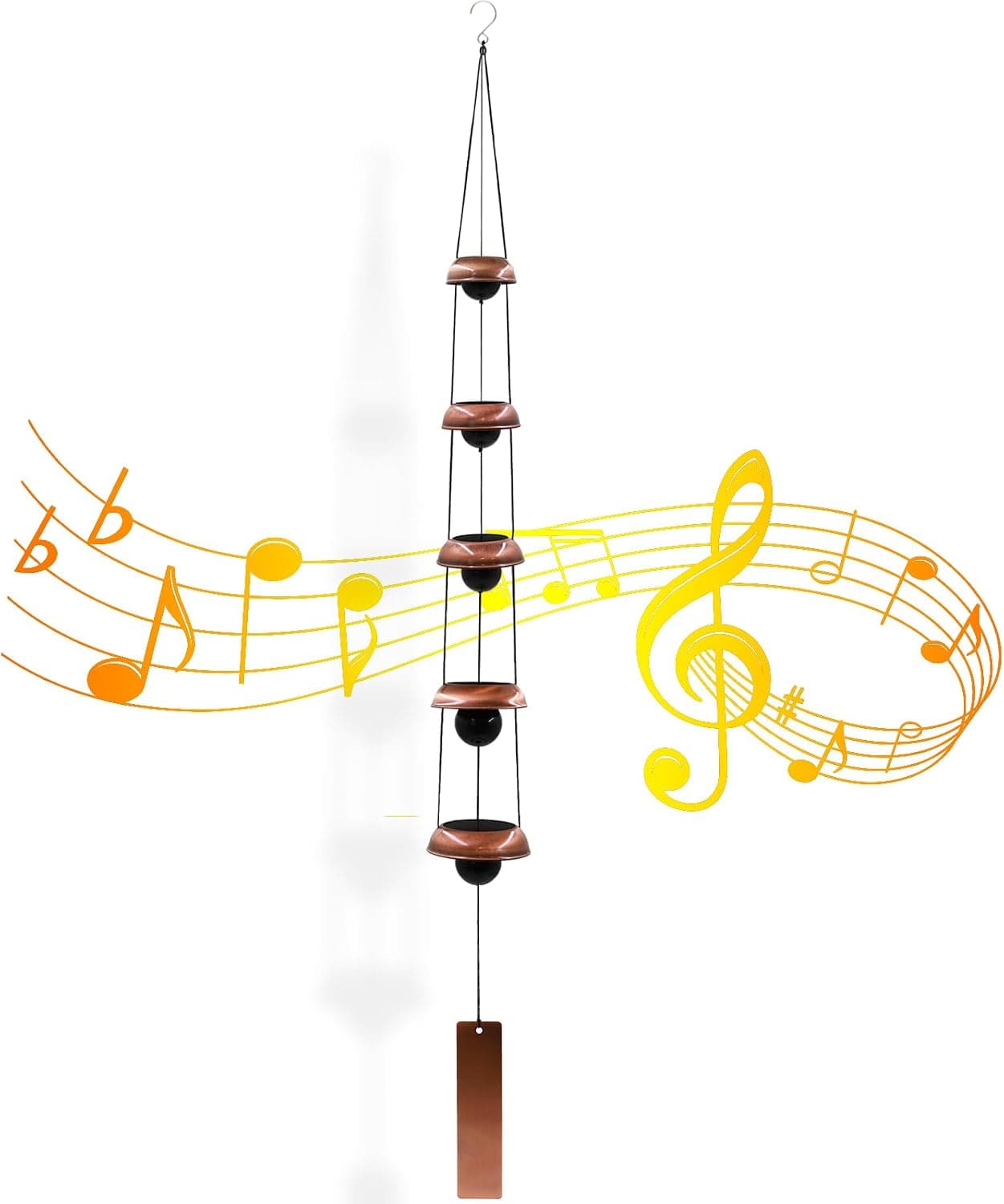
-19%Wind Chimes for Outside with 5 Bell Unique Copper Musical Chimes Feng Shui Wi...
 -5%
-5%YU FENG Evil Eye Money Tree, Blue Feng Shui Decor with Golden Buddha
 -29%
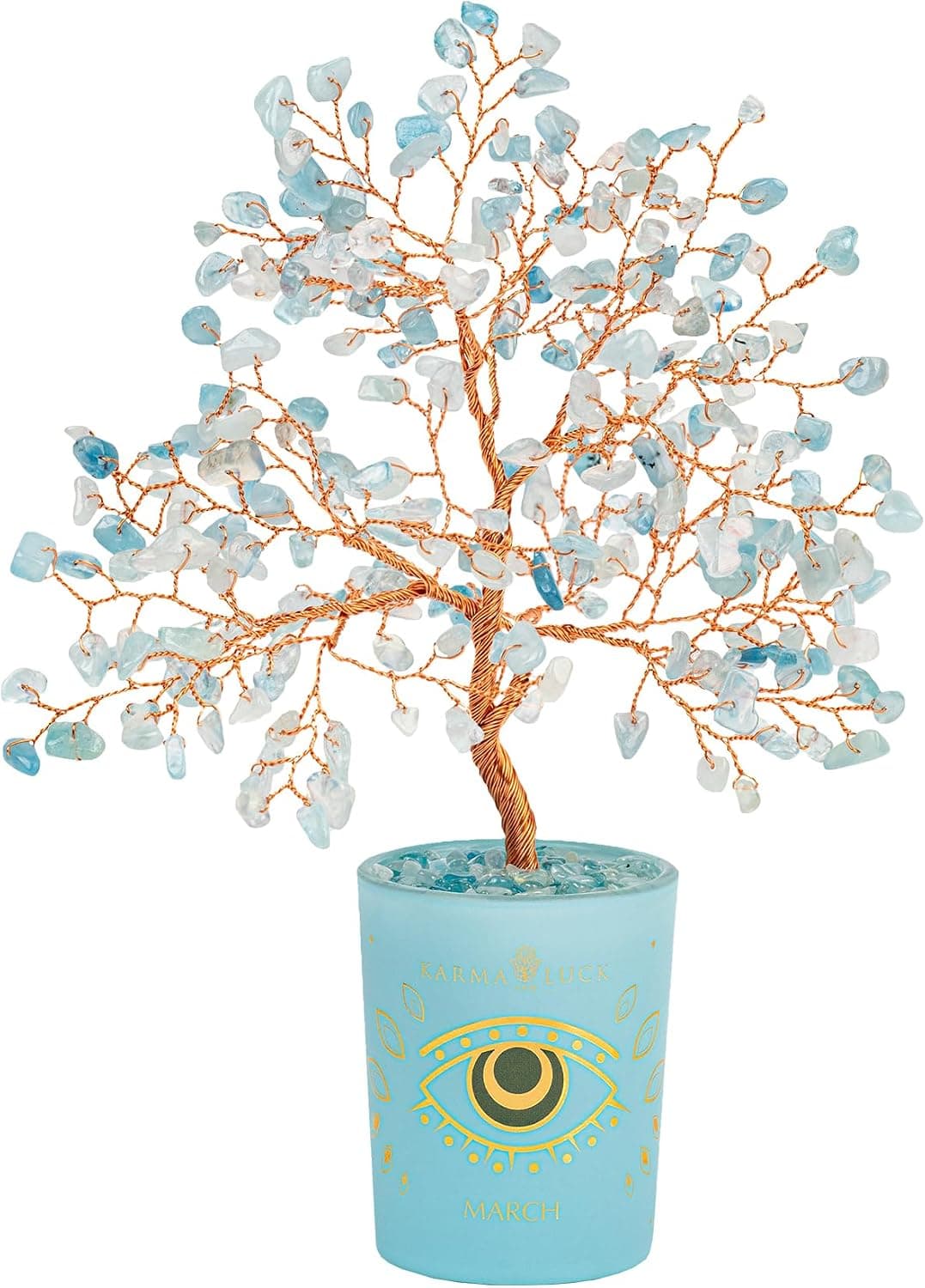
-29%Karma and Luck March Birthstone Crystal Tree of Life, Aquamarine Gemstone Fen...
 -29%
-29%Karma and Luck July Birthstone Crystal Tree of Life, Ruby Gemstone Feng Shui ...
As an Amazon Associate, we earn from qualifying purchases. We only recommend items our practitioners have personally tested.
Continue Your Journey
Explore these related guides to deepen your understanding:


Ready for Deeper Guidance?
Try our free I Ching reading for personalized wisdom, or explore our curated Feng Shui essentials.