A neglected northwest corner can quietly block guidance, backup, and the right introductions.
The corner people ignore is often the one that decides who shows up
I walked into a home office in Portland where the northwest corner held a broken printer, three tangled extension cords, and a stack of tax folders sinking sideways in a wire bin. The owner, Mara, a teacher, kept saying she felt “oddly unsupported” at work, even though she was competent and well-liked. That room had no visible problem at first glance. Then I looked at the corner tied to benefactors, authority, and useful help, and the pattern was obvious.
People usually fix the wrong thing first. They buy another desk lamp, rearrange a chair, or blame their career timing. But if the support sector of a home is cramped, dusty, or stuffed with junk, the message is blunt: help has nowhere to land.
The bagua map gives you the location. What matters is how you treat it.
In classical feng shui, the northwest relates to helpful people, mentors, patrons, travel luck, and the kind of backing that arrives at exactly the right time. In plain English, it is the area that answers the question, “Who has your back?” If that corner feels shut down, people often experience awkward delays, hard-to-reach decision makers, unreturned messages, or a weird sense that they must do everything alone.
I have seen this show up in believable ways. A retired architect in Vancouver had a beautiful apartment, but the northwest corner of his study held a covered laundry basket and a dead potted orchid in a cracked white cachepot. He kept losing referrals. Two months after we cleared the clutter, replaced the dead plant, and added a clean metal lamp, he told me two former colleagues had called him out of the blue with consulting work. Coincidence? Maybe. But I have watched that corner respond too many times to shrug it off.
What the northwest actually needs
The feng shui northwest mentor corner does not want drama. It wants clarity, dignity, and a sense that someone important could walk in and be welcomed. This area is associated with the metal element, so it tends to respond to order, clean lines, white, gray, silver, gold, and objects that feel refined rather than loud. Think less “decorated,” more “composed.”
That does not mean you need a corporate-looking room. It means the energy should feel capable. A polished tray, a framed black-and-white photograph, a brass bowl, or a simple white ceramic vase can work better than a pile of trendy objects with no coherence. People sometimes assume they need to “activate” the corner with something flashy. Not so. Overstimulation is not support. It is noise.
The first rule is brutally simple: remove what signals abandonment. Broken items, dead plants, random storage, old paperwork, and lonely cords all tell the space that help is optional. If the corner has become a dumping ground, you are teaching the room to expect neglect. That lesson sticks.
The second rule is to honor the function of the room. If the northwest corner sits in a bedroom, it should still feel calm and intact, not overloaded with romantic clutter or piles of laundry. If it is in a dining room, a graceful cabinet or one clean display object can do the job. If it lands in an entry hall, the corner should look ready for a respectable guest, because guests are part of the symbolic language here.
For a deeper look at how room quality affects energy flow, I often point people to living room feng shui principles that keep a home receptive. The same logic applies here: the space should invite steadiness, not rescue work.
How to work the corner without making it look staged
Start with a real clean-out, not a symbolic one. Take everything out of the northwest corner and ask one blunt question about each item: does this support competence, relationships, or useful guidance? If the answer is no, relocate it. That includes outdated resumes, old mail, cheap broken decor, and anything that makes the corner feel like a storage afterthought.
Then give the area a metal-forward anchor. A round or oval metal object is especially good because harsh angles can feel too aggressive. A silver picture frame with a photo of a mentor, respected family member, or someone who inspires integrity is a strong choice. So is a white lamp with a warm bulb, provided the lamp is clean and functional. Light matters because a dim support sector looks forgotten.
If the room allows it, add one item that suggests wise backing rather than personal ego. This is where people get it wrong. They put up awards, sales trophies, or pictures of themselves at full volume. That can strengthen ambition, but it is not the same as attracting guidance. A subtle image of mountains, a calm landscape, or a polished object that feels protective often works better than self-promotion.
The northwest also dislikes emotional chaos. I once reviewed a guest room where the corner held a huge crimson suitcase, three mismatched shoe boxes, and a black exercise mat rolled like a cannon. The owner, a nurse named Elise, wondered why her boss never advocated for her promotions. We cleared the mess, moved the suitcase elsewhere, placed a white ceramic bowl with six smooth stones on a small side table, and within six weeks she was asked to lead training sessions. Could the timing have been random? Sure. But the room stopped broadcasting friction, and her life followed suit.
For readers who want a clearer sense of structural placement, front door feng shui basics can also help you understand how support often enters a home before it ever reaches a person. The entrance and the northwest are not the same sector, but both are about what arrives and how welcomed it feels.
If you want to use color, keep it restrained. White, ivory, soft gray, pale gold, and silver are classic here. If you love darker tones, use them sparingly. Too much black in the northwest can make the corner feel heavy unless the rest of the room is already well balanced. A little contrast is fine. A cave is not.
Practical steps that actually hold up in daily life
Work from the floor up. Sweep or vacuum the corner first. Wipe the baseboards. Remove dust from the top of furniture. Then stand back and notice whether the area feels easy to approach. If you hesitate before walking into that corner, the room is telling you something.
Next, make the corner easy to read. One main object is stronger than five competing ones. If you use a lamp, let the lamp be the star. If you use a framed image, do not crowd it with candles, stacked books, and a decorative box that serves no purpose. The support sector likes understatement with intention.
Then check the material balance. Because this area belongs to metal, too much wood can weaken the effect. That does not mean you must remove every wooden object. It means the corner should not feel like a garden shed. Use metal, ceramic, glass, or stone to restore structure. A small stone sculpture can be excellent. A tangled wooden shelf with no clear use is not.
If the corner sits in a bedroom, pay special attention to emotional clutter. Romance energy and mentor energy are different. A shrine of old love letters, perfumes, and sentimental objects can muddy the message. If you need help with bedroom-specific placement, the bedroom placement guide for calmer sleep is a useful companion, because a supportive room starts with fewer mixed signals.
There is one detail people constantly overlook: visibility. A corner hidden behind a door, blocked by furniture, or buried under hanging garments will struggle no matter how pretty the decor is. Energy needs access. So does help. If a door swings into the area or a tall cabinet cuts it off, improve what you can. Sometimes moving one chair changes the whole tone.
Then test the feeling, not just the decor. Stand in the doorway and ask yourself whether the northwest looks respected. Does it feel clean, calm, and capable? Or does it look like the place where things go to wait forever? Your answer matters more than the trendiness of the objects.
For more context on directional home patterns, you can compare this with north-facing home energy considerations. Different directions ask for different emphases, and that is where novice advice often becomes too blunt.
Two mistakes I keep seeing
The first mistake is overloading the corner with symbols of wealth and assuming that abundance equals support. It does not. Money energy and mentor energy can cooperate, but they are not identical. A stack of coins, a prosperity tree, and a glittery object dump can crowd out the calmer tone this sector needs.
The second mistake is choosing objects that are meaningful only to the owner but do not communicate structure. A random souvenir, an old diploma leaning against the wall, or a sentimental box of forgotten things may feel personal, yet still weaken the corner. If you want to avoid the most common setup errors, the advice in our plant placement guide is useful too, because living things can help or distract depending on how they are used.
What to expect after you fix it
Do not expect fireworks. This kind of change is quieter than that. The first signs are usually practical: a helpful email, a meeting that goes better than expected, a smoother introduction, a stranger offering useful information, or a manager suddenly noticing work that had been overlooked. Support often arrives in ordinary clothing.
That is the surprise. People imagine a mentor corner should feel mystical. In real homes, it often looks like a shelf that finally stopped being rude.
If the northwest in your home is awkward, neglected, or stuffed with leftovers, clean it with more respect than decoration. Give it metal, clarity, and space. Then let life answer.
FAQ
Does the feng shui northwest mentor corner have to be in the exact far-right corner of every room?
Only if you are applying the bagua to a specific room layout from the entry point, which many practitioners do. In whole-home applications, the northwest is usually read from the floor plan of the home rather than each individual room. The method matters more than the label.
Can I use photos of my parents or teachers there?
Absolutely, if the relationship is respectful and the image feels calm rather than emotionally charged. A mentor corner works well with figures who represent guidance, wisdom, or steady backing. Choose one image with presence, not a crowded gallery wall.
What if my northwest corner is a bathroom or closet?
That happens more often than people think, and it is not a disaster. The fix is to reduce visual clutter, keep it clean, and create the strongest possible metal cue within the limits of the room. A well-maintained bathroom is better than a dramatic one.
Can this area help with career support too?
Surprisingly, yes. The northwest is not a career sector in the narrow sense, but helpful people often affect job opportunities, introductions, and problem-solving speed. When support improves, career friction often drops with it.
Mei Chen
Traditionally informed guidance • Cross-referenced with classical Chinese source texts
Content draws from both Compass (Luopan) and Form (Xingshi) school traditions. Illustrative examples are composites based on consultation experiences.
Practitioner-Selected Tools for This Topic
Items our team has tested and found effective for the principles discussed above. Individual results may vary.
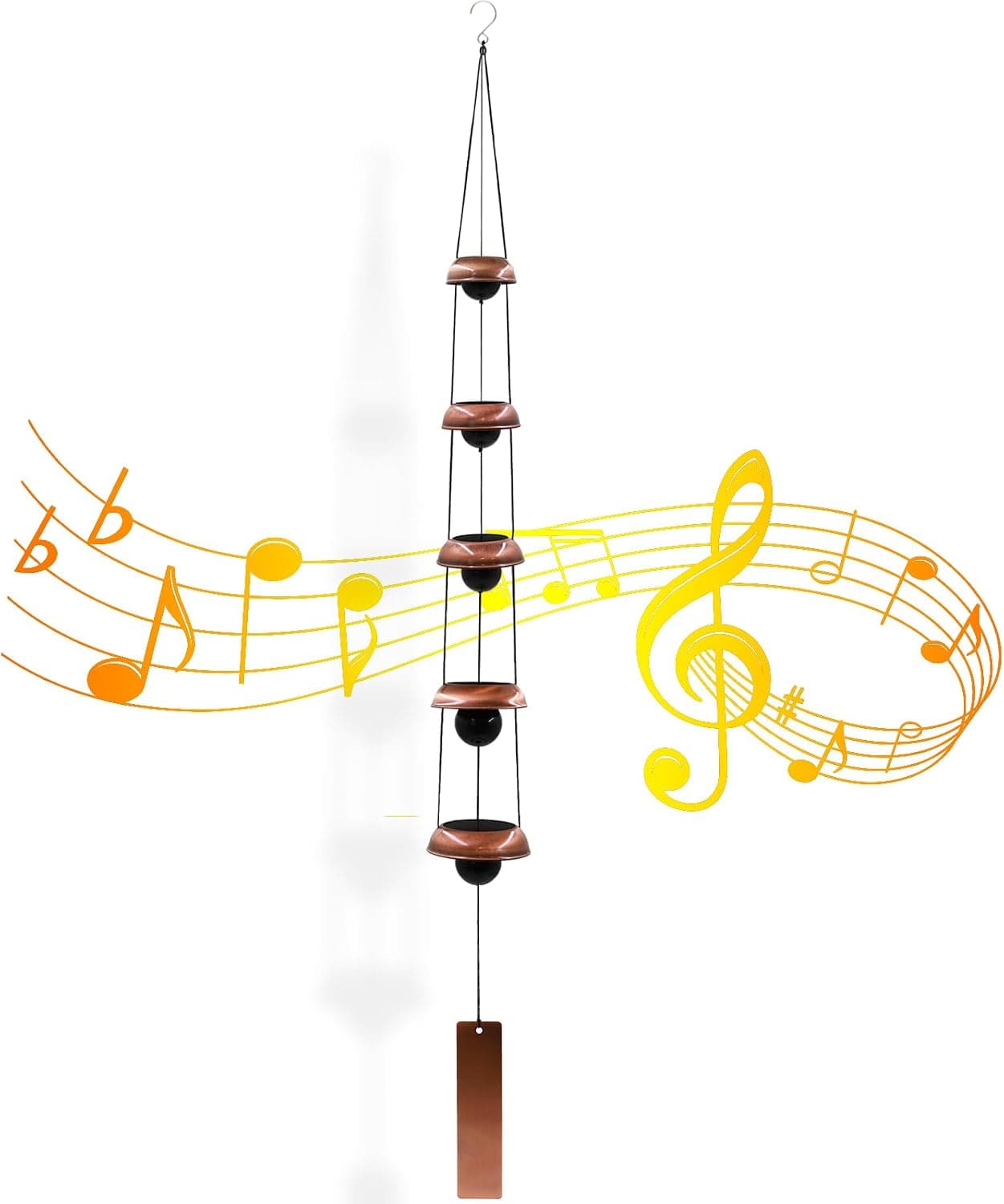 -19%
-19%Wind Chimes for Outside with 5 Bell Unique Copper Musical Chimes Feng Shui Wi...
 -5%
-5%YU FENG Evil Eye Money Tree, Blue Feng Shui Decor with Golden Buddha
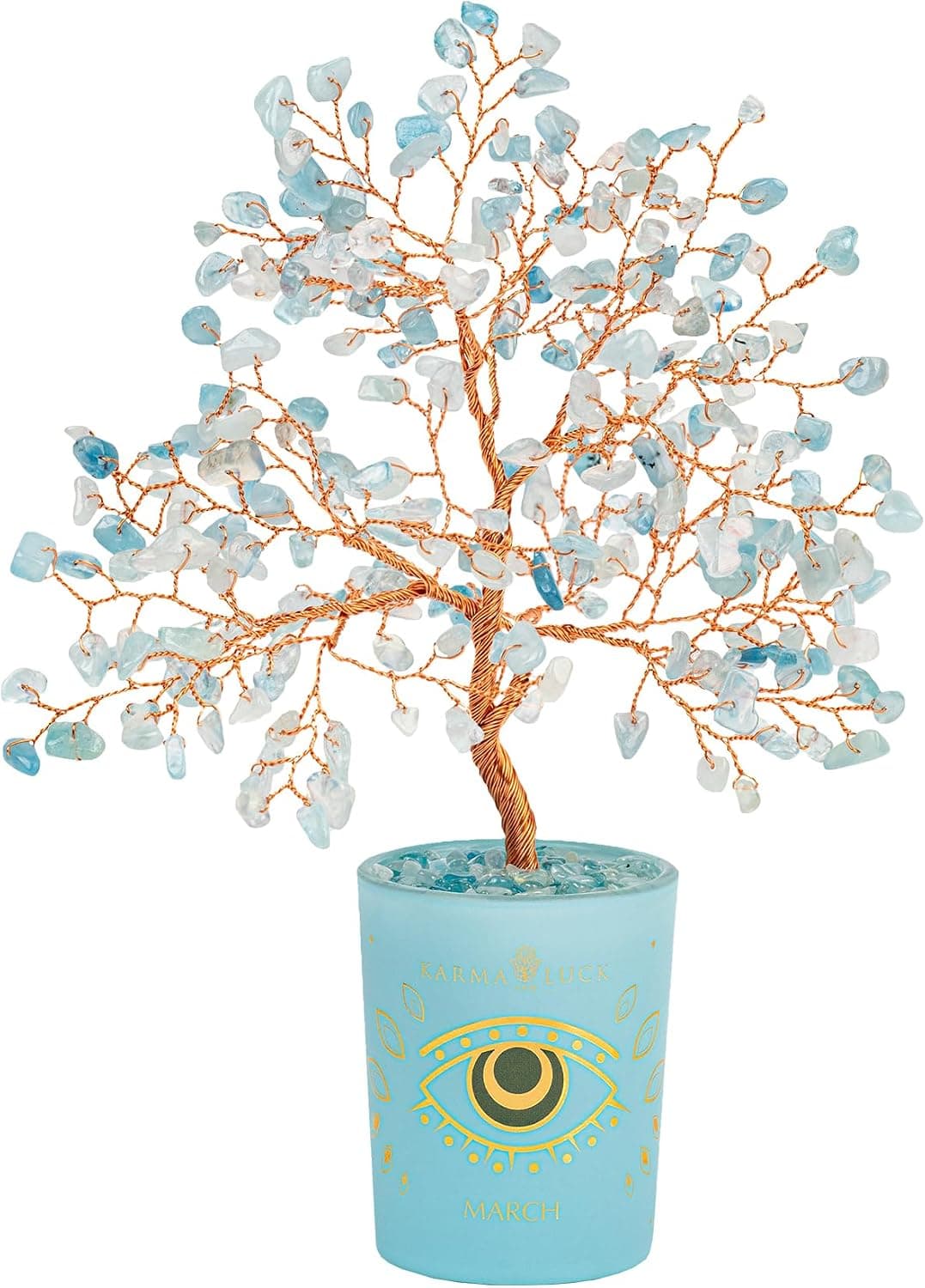 -29%
-29%Karma and Luck March Birthstone Crystal Tree of Life, Aquamarine Gemstone Fen...
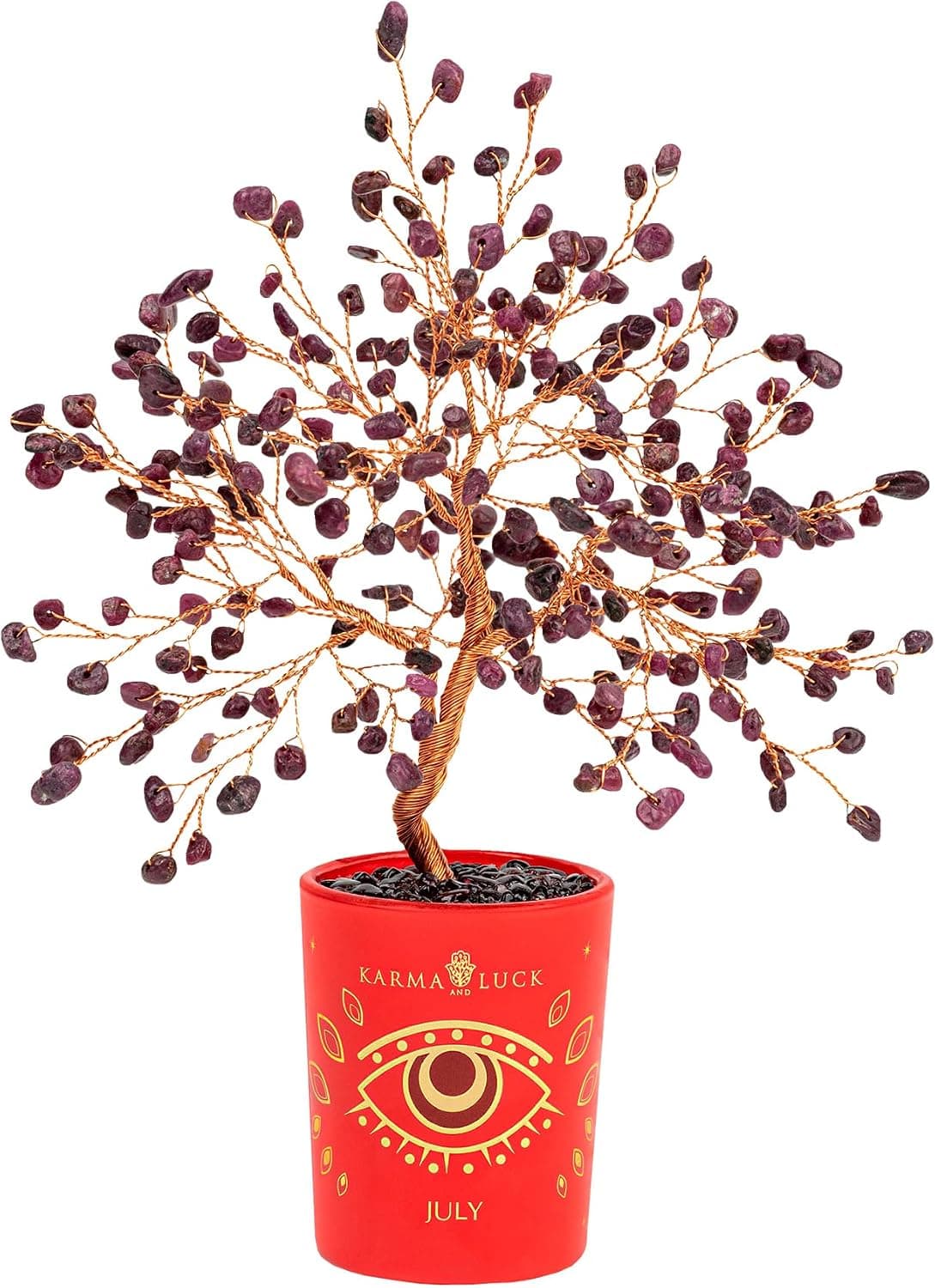 -29%
-29%Karma and Luck July Birthstone Crystal Tree of Life, Ruby Gemstone Feng Shui ...
As an Amazon Associate, we earn from qualifying purchases. We only recommend items our practitioners have personally tested.
Continue Your Journey
Explore these related guides to deepen your understanding:


Ready for Deeper Guidance?
Try our free I Ching reading for personalized wisdom, or explore our curated Feng Shui essentials.