If study feels stuck, the problem may be in the northeast corner of the room, not the desk itself.
When homework gets harder than it should
I walked into a teenager’s bedroom in Seattle and noticed the same pattern I see over and over: a heavy bookshelf in the far right corner, a dead lamp with no bulb, and a desk shoved under a slanted ceiling. She was doing everything “right” on paper, yet her grades had slipped and her focus evaporated by 8 p.m. The room felt mentally foggy the second I stepped inside.
That is usually where the trouble starts. People blame willpower, screens, or a bad study habit, but the room is sending a message first. The bagua map helps us read that message, and the northeast area has a very particular job: it supports learning, reflection, study, and the patience needed to absorb new information.
So when the feng shui northeast education corner is ignored, you often see scattered attention, procrastination, or a strange resistance to opening books at all. Not dramatic. Just enough friction to make the work feel heavier than it should.
And no, you do not need a “school-themed” room. That belief makes people buy the wrong objects and miss the real issue. Energy wants clarity, not decoration.
What the northeast corner is actually doing
In classical feng shui, the northeast carries an earth quality tied to stillness, study, and inner development. That makes it different from a lively social area or an active wealth zone. You are not trying to energize this corner like a party. You are trying to stabilize it so concentration has something solid to land on.
Think of it this way: a good study space should feel settled in the body before it feels impressive to the eye. The chair should not wobble. The light should not hiss. The sightline should not be cluttered with old receipts, random cords, or a pile of books you have already failed to read three times.
In one apartment, a retired architect named Daniel had his “study” inside the northeast corner of his guest room. The wall behind the chair was painted a sharp, icy white, and a black metal filing cart sat directly in the corner like a guard. He kept saying he wanted to write a memoir, but every time he sat down, he felt oddly irritated. We softened the corner with a clay-toned lamp, moved the filing cart out, and added a framed landscape with earth tones. Within two weeks, he was writing for forty minutes straight without reaching for his phone every five minutes.
That was not magic. It was environment finally matching intention.
The feng shui northeast education corner works best when it feels calm, bright enough to think clearly, and free of visual noise. Heavy earth tones help. Natural materials help. A sense of order helps even more.
How to set it up without making it look staged
Start by standing in the northeast corner of the room and asking one question: what is competing with thought here? If the answer is mirrors, loud art, tangled cords, laundry baskets, or a huge TV, you already know where the friction is coming from. Remove the obvious conflict first.
Then give the corner one stable anchor. A desk can work well here, but only if it is not crammed under pressure. A small reading chair, a grounded lamp, or a neat stack of current study materials can also define the zone. I prefer one clear purpose over five objects pretending to be useful.
Color matters, but not in the childish way people imagine. Earth tones, warm beige, sand, taupe, soft ochre, and muted terracotta can support the steadier quality this sector needs. If you want a little lift, use it sparingly. A deep blue accent can be fine. Neon green cannot carry the room and usually tries too hard.
Keep the lighting honest. Harsh overhead light makes studying feel sterile, while a dim corner makes the mind drift. A good desk lamp with a warm bulb often changes the room faster than a basket of expensive cures. I have seen this in home offices, converted dining rooms, and tiny studio apartments where one properly placed lamp did more than a whole shopping cart of decor.
And here is the part many people miss: the northeast is not asking for inspiration alone. It wants repetition. If the same corner becomes the place where you read, plan, meditate, or review notes each day, the body learns the cue. The mind follows the body more often than people want to admit.
If you need help deciding what belongs in the room, the bedroom principles around calmness and visual rest often translate well here, even when the room is not a bedroom at all. A study corner should never feel busier than a place meant for sleep.
Practical adjustments that actually hold up
Begin with the floor. If the northeast area is filled with boxes, shoes, or storage bins, clear it. Earth energy does not thrive under neglect. You do not need emptiness everywhere, but you do need breathing room around the corner so the space feels accessible rather than avoided.
Next, check what is sitting directly in that sector. A small ceramic bowl, a stone object, a framed certificate, or a shelf of well-used books usually works better than glossy plastic or anything that rattles. Materials matter because the corner is meant to feel rooted. That rooted feeling is what makes sustained study possible.
Then look at the desk itself, if there is one. Keep the surface simple enough that you can begin working without a warm-up ritual that eats twenty minutes. One notebook, one pen, one lamp, and the current task should be enough. More than that often becomes an excuse disguised as organization.
One common surprise is that a little weight in the corner can help, but too much weight can suffocate it. A solid wooden chair is good. A tower of hardback textbooks you never open is not. There is a difference between stability and burden, and people confuse them all the time.
If the room has a window in the northeast area, keep the view tidy. I once saw a student’s study nook overlooking a balcony with bright red patio furniture and hanging laundry. She could not concentrate for more than ten minutes because her eyes kept jumping outside. We changed the seat angle, added a linen curtain, and moved the desk so she faced a quieter wall. Her study sessions doubled in length within a month.
For some homes, the broader room layout matters too. If the room feels awkward no matter what you do, it may help to compare it with guidance for a more balanced gathering space because the same principle applies: the eye should know where to rest, and the body should know where to land. Chaos in one zone tends to spill into another.
If you are working with a house rather than a single room, and the northeast happens to be part of a more active area, you may need to make peace with compromise. That does not mean the method fails. It means you adapt the method to the house you have, not the house you wish you had.
Two mistakes that quietly sabotage the corner
The first mistake is turning the northeast into a shrine to achievement. Diplomas, trophies, award plaques, and motivational slogans can be useful in small doses, but if they dominate the corner, the room starts shouting instead of supporting. I have seen people place six framed reminders of success in a study nook and then wonder why they feel judged while reading.
The second mistake is using too much metal or water imagery because someone online said “more energy” is always better. Not here. This is not the place for a hyperactive setup. If you are looking for the kinds of errors people make in related layouts, the common patterns overlap with front entry mistakes: too much noise, too many competing objects, and no clear sense of invitation.
Both mistakes have the same root problem. The room stops feeling like a place where learning can happen naturally.
What to do if the corner is tiny, dark, or shared
A small northeast corner can still work. Size is not the issue. Clarity is. Even a single chair with a reading lamp and a slim side table can become a strong education area if the surrounding clutter is removed and the intent is consistent.
If the corner is shared with another function, define it visually with texture rather than bulk. A wool throw, a wood tray, a grounded lamp base, or a simple earth-toned rug can signal a shift without making the room feel crowded. The point is to tell the nervous system, “This is where we focus now.”
And if the corner is dark, do not abandon it. Darkness is often a lighting problem, not a destiny problem. Add a lamp before you add another cure. People reach for complicated fixes because simple fixes feel too plain. That is exactly why simple fixes work.
How this shows up in real life
A nurse I worked with had a spare room in Austin that doubled as storage, guest room, and late-night study space for her certification exams. The northeast corner held a plastic drawer unit in bright blue, three unopened moving boxes, and an old mirror leaning face-out against the wall. She felt drained every time she tried to review notes after a 12-hour shift. We cleared the boxes, removed the mirror, replaced the drawer unit with a low oak shelf, and added a warm lamp plus a small clay vase. Her complaint was simple after that: she no longer had an excuse to avoid the desk.
That is the real effect of a well-set feng shui northeast education corner. It reduces resistance. It makes the start easier. And when starting gets easier, consistency usually follows.
FAQ
Can I use the northeast corner even if it is not a study room?
Absolutely. A corner in a bedroom, guest room, or office can still support learning if you give it one clear educational purpose. I would rather see one calm reading chair and a lamp than a “study zone” packed with clutter.
Do books belong in this area?
Books can belong here, but only if they are current and used. A shelf of forgotten textbooks creates pressure, not support. Keep the books you are actively reading nearby and move the rest elsewhere.
What if the northeast corner contains a bathroom or closet?
That is a tougher setup, but not a hopeless one. Focus on making the visible portion neat, bright, and grounded, because you are working with what the room shows, not just what the floor plan labels.
Should I add crystals to the corner?
Surprisingly, the answer is not “more is better.” One understated stone object can be useful if it matches the room, but the real power comes from order, lighting, and repetition. Objects support the space; they do not replace it.
If you want the corner to support serious study, start with restraint. The right room does not beg for attention. It quietly gives it back to you.
Mei Chen
Traditionally informed guidance • Cross-referenced with classical Chinese source texts
Content draws from both Compass (Luopan) and Form (Xingshi) school traditions. Illustrative examples are composites based on consultation experiences.
Practitioner-Selected Tools for This Topic
Items our team has tested and found effective for the principles discussed above. Individual results may vary.
 -19%
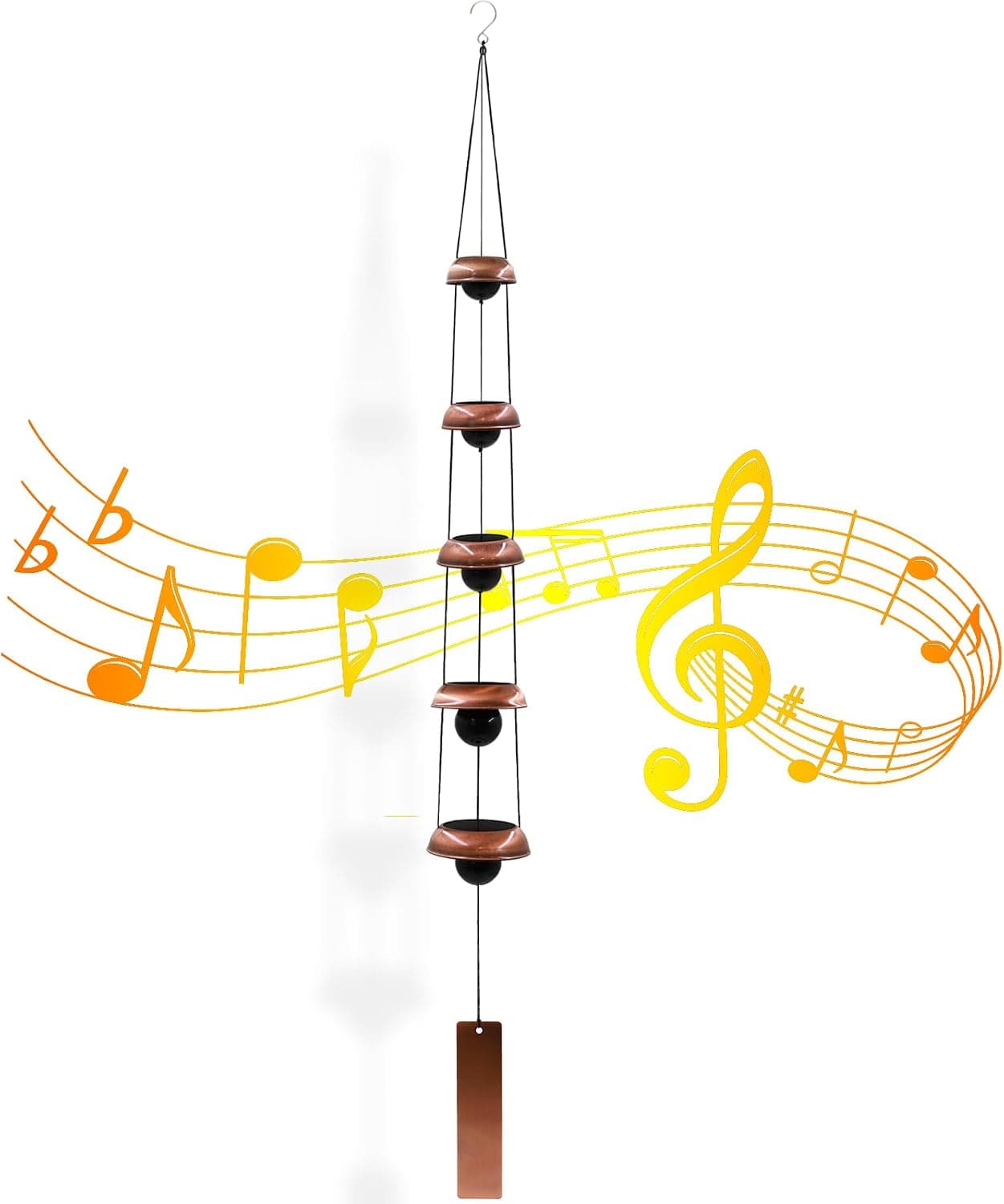
-19%Wind Chimes for Outside with 5 Bell Unique Copper Musical Chimes Feng Shui Wi...
 -5%
-5%YU FENG Evil Eye Money Tree, Blue Feng Shui Decor with Golden Buddha
 -29%
-29%Karma and Luck March Birthstone Crystal Tree of Life, Aquamarine Gemstone Fen...
 -29%
-29%Karma and Luck July Birthstone Crystal Tree of Life, Ruby Gemstone Feng Shui ...
As an Amazon Associate, we earn from qualifying purchases. We only recommend items our practitioners have personally tested.
Continue Your Journey
Explore these related guides to deepen your understanding:


Ready for Deeper Guidance?
Try our free I Ching reading for personalized wisdom, or explore our curated Feng Shui essentials.