A good New Year reset is felt before it is understood, and the house knows the difference.
The first morning changes the house before anyone says a word
Open the windows, clear the threshold, and let the old air leave. That simple move does more than freshen a room; it gives the household a visible signal that the year has changed.
I've watched this happen in a small apartment kitchen where the sink still held sweet orange peels from the night before. The windows went up, a broom crossed the entry, and the whole place felt less crowded, even though nothing structural had changed. The body notices transitions before the mind names them.
That is the real power behind symbolic home placement at New Year: not superstition for its own sake, but a coordinated reset of attention, habit, and expectation. People relax when they can tell a space has been cared for on purpose.
A clean house can still feel unfinished if no one has marked the turning of the year. The missing piece is not more polish. It is ceremony.
When a clean room still feels unsettled
Many Western readers assume the point is decoration, but decoration is only the surface. The deeper effect comes from how ritual gives the mind a before-and-after line it can trust. When a home looks clean but still feels tense, the problem is often not dirt; it is that nothing in the environment has told the nervous system that the old state is over.
Psychology gives a useful clue here: a clear action, repeated in a set order, becomes a transition cue. The sweep of a broom, the smell of citrus peel, the first light coming through an open window, or the soft sound of water in a sink all tell the nervous system, we are starting now. That signal matters because uncertainty keeps attention split. Once the body gets a reliable cue, it can stop scanning for unfinished business and settle into the new frame.
That is why New Year practices in feng shui often feel calming even for people who do not share the same cultural background. The ritual creates order, and order lowers mental friction. It also gives people a shared reference point: instead of each person privately deciding what the holiday means, the household acts out a common beginning.
Shared homes amplify this effect. In a multigenerational household, one person may want incense, another prefers flowers, and a third only wants quiet. The negotiation itself matters, because New Year customs also work as a household agreement about what stays, what leaves, and what kind of year everyone wants to inhabit together. Even a small compromise can change the social climate of the space, because it replaces vague expectation with a visible decision.
The common mistake is to treat the ritual as a magical object. It is not.
The method is simple: cleanse, mark, invite
Start with cleansing, not because dirt is morally bad, but because clutter, stale air, and visual noise increase cognitive load. A room that asks too much of the eye asks too much of the mind. When the home feels crowded, people tend to feel slightly cornered. Clearing that pressure first matters more than adding anything new, because addition cannot read clearly in a space that is already overloaded.
Use the front door area first. Sweep the entry, remove dead plants, shake out the mat, and make the threshold easy to cross. In feng shui, the door is where old routines meet new ones, and in ordinary life it is where guests, deliveries, and daily energy all arrive together. If this area is blocked, the house keeps announcing hesitation before anyone enters.
Then move to the kitchen. Wipe the stove, clear the counters, and check the pantry with honest eyes. The stove represents nourishment and household capacity, so leaving old crumbs, empty jars, or broken utensils there tends to create a subtle impression of shortage rather than abundance. A kitchen that is visibly ready does more than look neat; it reduces the sense that the household is behind before the day has begun. If you want a stronger resonance, place something fresh nearby: a bowl of citrus, a branch of evergreen, or a vase of simple flowers.
After that, enter the shared room. The living room is the social stage of the home, where everyone can see whether the year begins with tension or coordination. I once saw a common area with a blue sofa, a gold throw pillow, and three mismatched piles of unopened mail on the coffee table; after the mail was sorted, the lamp turned on, and a small red paper charm was placed near the bookshelf, the room felt noticeably less argumentative. Nothing mystical happened in the furniture. The people simply behaved differently in a space that no longer announced unfinished business. That is the point of the sequence: each step removes a different kind of friction, so the room can carry a clearer message by the time it is seen.
If you want to include a small offering, keep it modest and meaningful. A bowl of rice, fruit, tea, or flowers is enough. The point is not to impress anyone. The point is to show that the home is being received, not merely occupied.
Why these actions travel well across cultures
Different traditions recognize the same human pattern: when a house changes, people change with it. Some families burn incense, some open every window, some prefer prayer, some place red paper accents, and some simply clean together in silence. The forms differ, but the function overlaps.
From a sociological angle, these rituals help coordinate a household without a long argument. They create a shared script. That matters in homes where people have different levels of belief, different ages, or different ideas about what counts as respectful tradition.
That is why I do not tell a renter in a shared apartment to copy a temple ceremony they do not live with. A small bowl of rice near the entry, a citrus bowl on the table, and a few minutes of quiet tidying can be enough. The symbolism survives translation when the action feels sincere.
The five elements also offer a practical lens here. Water is motion and release, wood is growth and upward renewal, fire is visible activation, earth is stability, and metal is clarity and boundary. New Year rituals do not need to name all five, but the best ones quietly include several of them: water through washing, wood through fresh branches, fire through candlelight or warmth, earth through grounded objects, and metal through crisp order.
That balance is one reason a well-arranged shared room can feel so much lighter after a simple ritual sequence. The room is not being decorated randomly; it is being tuned.
A sequence that works in real homes
Begin the day before the holiday, or the morning of the first day if your tradition prefers it. Clean the entry, then the kitchen, then the common area. Work from the outside in. That order matters because it moves the household from contact with the world into the center of shared life.
After cleaning, open windows for a short time if weather allows. Let bright natural light enter. Even ten minutes changes the sensory tone of the home. Air movement has a way of telling people that something has shifted, and that shift is often enough to loosen old moods.
Next, place one or two intentional objects where they will be seen, not hidden. Citrus near the door, fresh flowers on the table, a red envelope on a shelf, or a bowl of rice on the counter can all serve as reminders that abundance is being welcomed. The object is less important than the clarity of the message.
Then gather the household for a brief moment of intention-setting. Keep it concrete. Instead of saying, “We hope for good energy,” say, “We want calmer mornings,” or “We want less friction in the kitchen,” or “We want to speak more carefully to each other.” Intention becomes stronger when it is tied to an action the body can remember. If everyone has just swept, opened windows, or arranged flowers, the words land harder.
Finally, leave the space quieter than you found it. Turn on soft music if that suits the home. Keep voices low for a while. A ritual does not need noise to be effective; often it needs restraint.
What to place, what to leave, what to stop pretending is harmless
Some objects carry more symbolic weight than others. Broken items, stale food, dead flowers, and piles of paper near the entry tend to send a message of incompletion. You do not need to attach drama to that. Just notice the emotional effect.
Fresh flowers are useful because they announce life without demanding explanation. Citrus works because the scent is sharp, clean, and unmistakably alive. A bowl of rice or grains feels steady and practical, which is why it lands well in homes that prefer quiet symbolism over overt ceremony.
A surprising fact: people often think they need a dramatic cure when their home is really asking for a cleaner transition. A new statue will not help if the front mat is filthy and the kitchen counter is buried under unopened mail.
The same caution applies to incense. Used thoughtfully, it can create a powerful sensory marker. Used carelessly, it just adds another layer of smell. The ritual should sharpen the atmosphere, not fog it.
For more on objects that carry strong symbolic force, it helps to understand how different materials affect attention. The right object is rarely the most expensive one; it is the one that changes how the room is used.
How to keep the new year feeling open after the holiday
The ritual only works if the home does not immediately collapse back into old habits. That means putting things away as you use them, keeping the entry clear, and letting the kitchen stay usable. Small maintenance preserves the signal.
One sentence is enough here: do not let the front door become a dumping ground again.
Another sentence: the first week of the year should feel easier, not busier.
That is where habit and symbolism meet. If you set an intention for calm mornings but keep leaving shoes in a heap, the body receives a mixed message. If you want better communication in the household, maintain one shared surface in the living room so people have proof that order can be sustained.
This is also where cultural flexibility matters. A family that does not celebrate Lunar New Year can still borrow the structure: clear, open, mark, invite, maintain. The forms can be adapted without losing the function.
And if you do celebrate, do not overcomplicate it. The home does not need performance. It needs coherence.
Common mistakes that drain the ritual of meaning
One mistake is trying to activate every room equally. That creates noise, not focus. The front door, kitchen, and shared room usually carry the first and strongest message, so start there before worrying about the rest of the house.
Another mistake is treating the ritual like a purchase. New objects can help, but only if the space already supports them. If you want a deeper framework for what to fix before buying more décor, read what the threshold is already saying.
People also forget that ritual is relational. If one person in the household feels pushed into it, the effect weakens. Better to negotiate the shape of the practice than to force agreement. Shared meaning is part of the medicine.
Finally, do not leave the sequence vague. A ritual without order feels like decoration. A ritual with order feels like a beginning.
FAQ
Do I need to follow every traditional step for feng shui New Year rituals?
No. The strongest version is the one your household can actually repeat. A clean threshold, fresh air, a symbolic object, and a moment of intention can do more than a long ceremony that nobody remembers.
What if I live in a small apartment and cannot burn incense?
Use scent without smoke. Citrus peel, fresh flowers, herbs, or an open window can give the same sense of renewal through smell and air movement.
Can Western families use these rituals without copying another culture poorly?
Absolutely, if the approach is respectful and practical. Keep the focus on cleansing, hospitality, and renewal, and adapt the symbols to what your home and family understand naturally.
Do these rituals work even if I am skeptical?
Surprisingly, skepticism does not cancel the effect. Clear space, bright light, and repeated actions still change how a room feels, and people behave differently in spaces that feel freshly reset.
Mei Chen
Traditionally informed guidance • Cross-referenced with classical Chinese source texts
Content draws from both Compass (Luopan) and Form (Xingshi) school traditions. Illustrative examples are composites based on consultation experiences.
Practitioner-Selected Tools for This Topic
Items our team has tested and found effective for the principles discussed above. Individual results may vary.
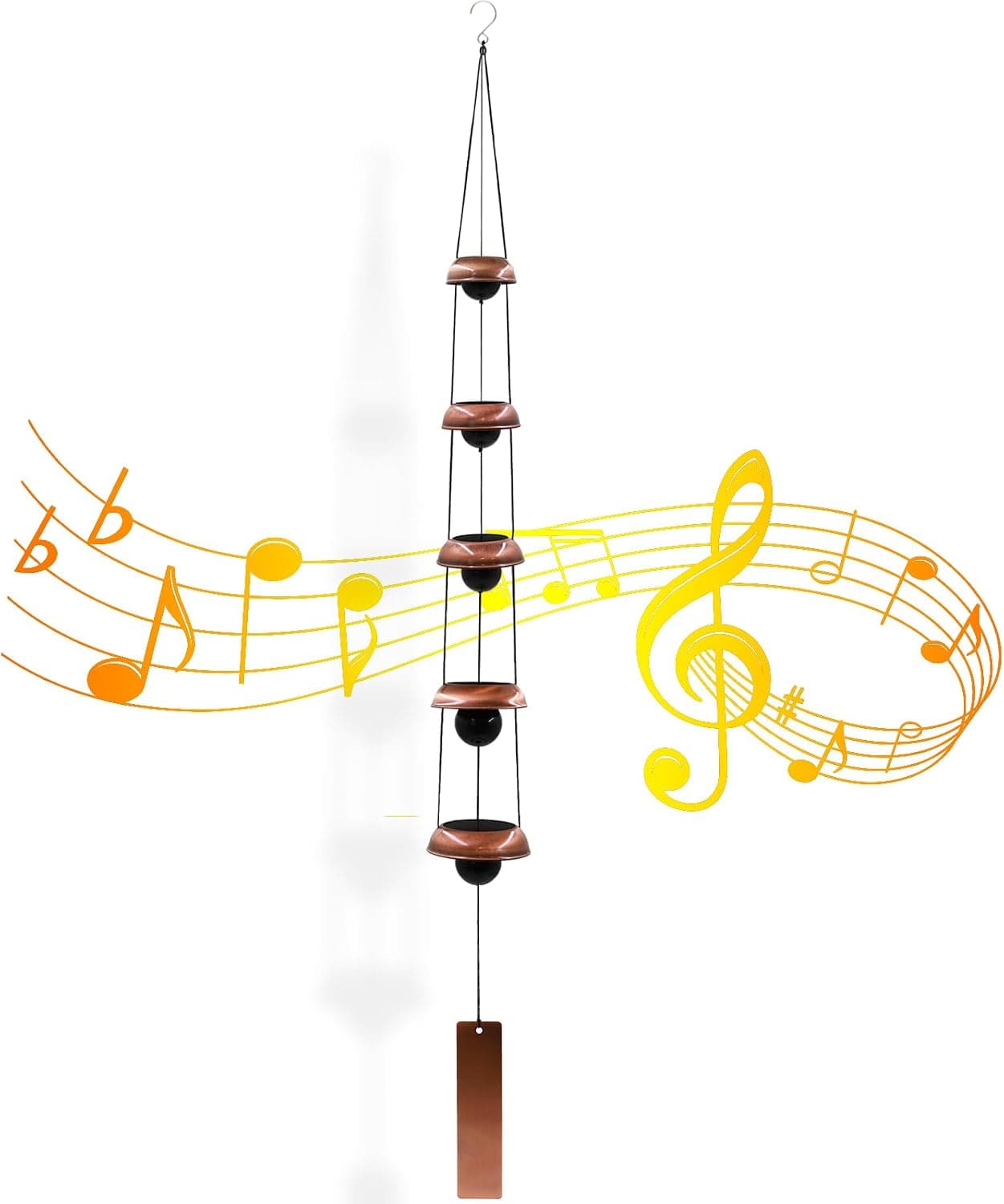 -19%
-19%Wind Chimes for Outside with 5 Bell Unique Copper Musical Chimes Feng Shui Wi...
 -5%
-5%YU FENG Evil Eye Money Tree, Blue Feng Shui Decor with Golden Buddha
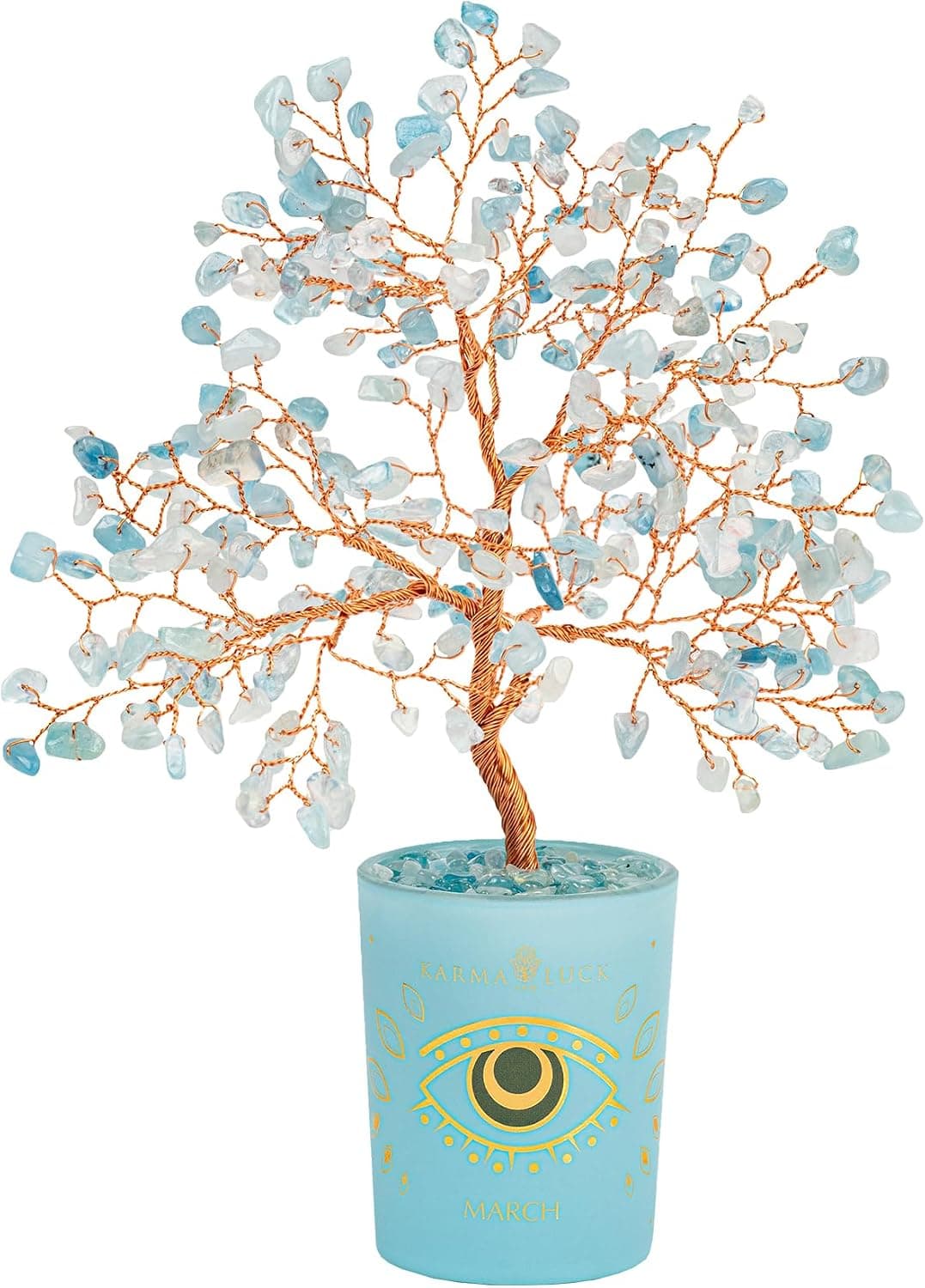 -29%
-29%Karma and Luck March Birthstone Crystal Tree of Life, Aquamarine Gemstone Fen...
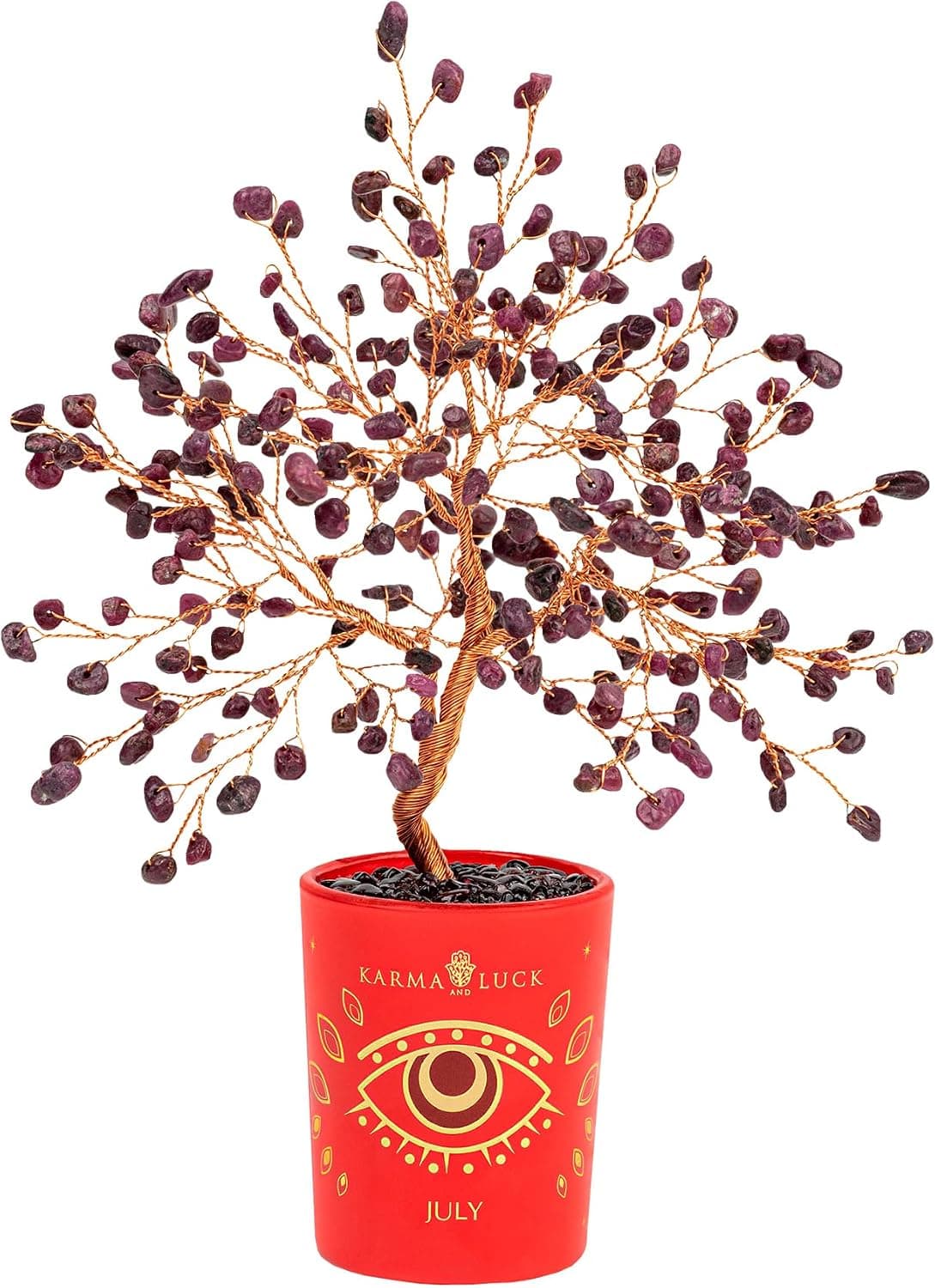 -29%
-29%Karma and Luck July Birthstone Crystal Tree of Life, Ruby Gemstone Feng Shui ...
As an Amazon Associate, we earn from qualifying purchases. We only recommend items our practitioners have personally tested.
Continue Your Journey
Explore these related guides to deepen your understanding:


Ready for Deeper Guidance?
Try our free I Ching reading for personalized wisdom, or explore our curated Feng Shui essentials.