A money tree in the wrong spot looks fine for weeks, then the room goes flat and the effect disappears.
The shelf that killed the energy
I once walked into a narrow apartment in a Shanghai-style high-rise where the owner had placed a glossy money tree on a black lacquer shelf beside a router, a stack of bills, and a dead battery charger. The leaves were healthy. The room was not. The plant sat in the so-called wealth area, yet everything around it felt cramped, noisy, and unfinished. That is the problem people miss: placement is not just about the corner on a map, it is about what the plant is being asked to do in the room.
If you want a practical feng shui money tree placement guide, start there. A money tree does not rescue a chaotic setup. It amplifies whatever pattern you have already built.
That sounds harsh, but it is the part most online advice skips.
I've seen people treat the money tree like a lucky object they can park anywhere as long as it faces southeast. Then they wonder why the corner looks busy, the plant leans awkwardly, and the feeling of abundance never settles. The plant is alive. The question is whether the location lets it breathe, receive light, and sit in a part of the home that supports growth instead of distraction.
What the plant is actually doing
A money tree works best when it reads as upward movement, patience, and steady expansion. That means the placement should feel calm first, then visible. Too many people choose the most symbolic location and ignore the physical conditions. They place it near a window with harsh afternoon sun, or in a dim hallway where nobody passes, or right beside a television that never stops buzzing. None of those choices support the kind of quiet accumulation wealth energy needs.
The plant should feel intentional from the moment you enter the room. Not flashy. Not hidden. A little dignified. If it is in the living room, it often does best in a corner that is tidy, softly lit, and not competing with a television or cluttered console. For a deeper room-by-room breakdown, I usually send people to living room placement principles that preserve calm movement because the surrounding furniture matters just as much as the plant itself.
One common mistake is pairing the money tree with objects that suggest loss, instability, or unfinished business. Broken planters, cracked ceramic, dead flowers, faded receipts, and random cables all send mixed signals. The plant becomes decoration instead of activation. That is why I prefer a clean container, healthy soil, and a surface that is sturdy enough to feel settled under the eye.
A second mistake is assuming the wealth corner must always be loaded with objects. It does not. Sometimes the strongest adjustment is subtraction. Clear the area. Let the room exhale. Then add the plant back in with purpose.
The money tree also responds to neighborhood. A shelf above eye level can make it feel inaccessible. A floor placement can make it feel neglected. A waist-high stand is often better because it places the plant in your field of awareness without making it dominate the room. That balance matters. Wealth energy in feng shui is not about pressure. It is about continuity.
Where it works best, and where it gets stuck
I like to think in terms of sightlines. If the plant is visible from the door but not directly in the blast of the entrance, it can help anchor the room without taking a hit from too much incoming movement. If it sits in a bedroom, the calculation changes. A bedroom needs rest first, so any plant there has to be chosen carefully and placed with restraint. For readers who are still undecided about room placement, the simplest next step is to compare it with the best rooms for a money tree and why each one behaves differently.
Kitchen placement can be awkward unless the space is large and well-ordered. Kitchens already carry a strong fire-and-water tension, and a tree element has to work harder to hold its own there. Bathrooms are usually a poor choice because they drain the feeling of accumulation. Home offices can work well if the desk zone is not overloaded with paper clutter and tech noise.
One real example stays with me. A nurse in a Boston condo kept her money tree on the left side of her desk in a small study painted slate blue. The plant looked fine, but the room felt tense because the printer was jammed under the desk, a whiteboard was covered in overdue tasks, and a bright red folder sat directly behind the pot. We moved the plant onto a warm wood side table, shifted the red folder into a closed cabinet, and gave the area one brass lamp instead of overhead glare. Within two weeks, she said the room felt less like a command center and more like a place where work could actually finish. That is a real change. Not magic. Environment.
When I talk through a full feng shui money tree placement guide, I always check three things: light, traffic, and symbolism. Light should be gentle and stable. Traffic should be present but not disruptive. Symbolism should be coherent, which means the plant should not be sharing space with objects that imply decay, argument, or financial leakage.
And no, you do not need to crowd it with coins, ribbons, or crystals to make it work.
Those extras can help in some homes, but too many people use them as compensation for a bad location. They are accessories, not repairs. If the placement is wrong, decoration only makes the wrongness look intentional.
How to place it without overthinking it
Start by identifying the room you use most often in a stable, daily way. For many homes, that is the living room. For others, it is a study or a dining nook. Stand in the room and ask where the eye naturally lands after you enter. That is often better than chasing a theoretical wealth point that nobody actually sees or uses.
Next, choose a surface that is clean, level, and supportive. A plant stand, side table, or console can work. Avoid putting the money tree in a draft, under a vent, or where the leaves will constantly brush a wall. Plants in feng shui need room to grow into the space, not just occupy it.
Then simplify the surrounding objects. One healthy lamp. One meaningful bowl. Maybe a natural-fiber mat if the surface needs warmth. Keep the rest spare. If the area already feels balanced, stop there. If it feels dead, you probably need better light more than more accessories.
If you want to think beyond the plant itself and build a richer wealth setup, use the money tree as one part of a broader system. I have seen better results when people combine a clean wealth corner with a room that is organized, lit properly, and free of visual friction. That is the logic behind a full wealth corner activation approach: the plant is one signal, not the entire message.
For some homes, the best placement is near the southeast sector. For others, the bagua map points to a corner that looks obvious on paper but fails in real life because the area is a passageway, a storage trap, or an oddly shaped alcove. That is where theory has to bow to the actual room. If you need the map itself, use a practical reading of the bagua map and then apply it to the space you really live in, not the one you wish you had.
Watering and upkeep matter too. A neglected money tree undercuts the message immediately. Yellowing leaves, dust on the stems, and dried-out soil all read as stagnation. The plant should look tended, not pampered. Healthy, not precious. That is a subtle difference, but feng shui is full of those distinctions.
Here is the part people resist: if the room cannot support a plant, the room itself needs work before the plant does. Move the lamp. Remove the clutter. Open the curtain. Fix the shelf. The money tree is not the first problem. It is the messenger.
What to pair it with, and what to leave out
Some companions help. A simple ceramic bowl, a natural wood tray, or another healthy plant with a compatible shape can create a better field around the money tree. If you want other options in the same family, I recommend comparing it with other plants that can support the wealth corner without crowding it. That comparison stops people from forcing one plant to do every job.
What should stay away? Anything broken, noisy, overly aggressive, or emotionally heavy. I do not like pairing a money tree with sharp decor, mirrored chaos, or piles of old documents. Those items may be ordinary in the rest of the house, but in the wealth area they work against accumulation.
Color matters, but not in a cartoonish way. Deep greens from the plant itself do most of the work. Warm wood, soft earth tones, and a little gold can support the feeling. Neon accents and harsh contrast often make the setup feel performative. Wealth energy prefers confidence over display.
A plant on a shelf of glossy black glass in a cluttered office can feel like a prop. The same plant on a sturdy oak stand beside a soft lamp can feel like it belongs there. One version invites steadiness. The other asks for applause.
Linking it back to the larger money corner
The mistake I see most often is treating the money tree as a standalone fix. It is not. It is part of a larger field that includes entry flow, room order, and the way you handle storage and light. When those pieces are ignored, the plant becomes symbolic noise. When they are aligned, it works quietly and consistently.
If you have already reviewed the room, checked the light, and cleared the surrounding clutter, then the plant can do its job. At that point, the best wealth items for abundance become supporting actors instead of crutches. That is the right hierarchy.
The older I get, the less interested I am in dramatic cures. A money tree does not need drama. It needs a location that supports growth, a container that feels grounded, and a room that is not fighting its message. Get those three things right, and the plant stops looking decorative. It starts looking like it belongs in a living system.
That is the standard I use when I walk a space.
FAQ
Can I put a money tree in my bedroom?
Sometimes, but I am selective about it. Bedrooms are for rest, so if the plant makes the room feel active or visually busy, it is in the wrong place. If the bedroom is spacious, calm, and lightly furnished, a small money tree can work near a natural light source without dominating the room.
Do I have to place it in the southeast corner?
No, and this is where people get trapped by oversimplified advice. The southeast is a useful reference point, not a law. A well-lit, tidy, and visible place in the right room often works better than a theoretically correct corner that nobody uses or sees.
What if the plant keeps struggling?
That usually means the issue is not the plant alone. Check the light, the airflow, the pot, and the clutter around it before you assume the feng shui is wrong. A struggling plant is often showing you that the room needs attention first.
Mei Chen
Traditionally informed guidance • Cross-referenced with classical Chinese source texts
Content draws from both Compass (Luopan) and Form (Xingshi) school traditions. Illustrative examples are composites based on consultation experiences.
Practitioner-Selected Tools for This Topic
Items our team has tested and found effective for the principles discussed above. Individual results may vary.
 -19%
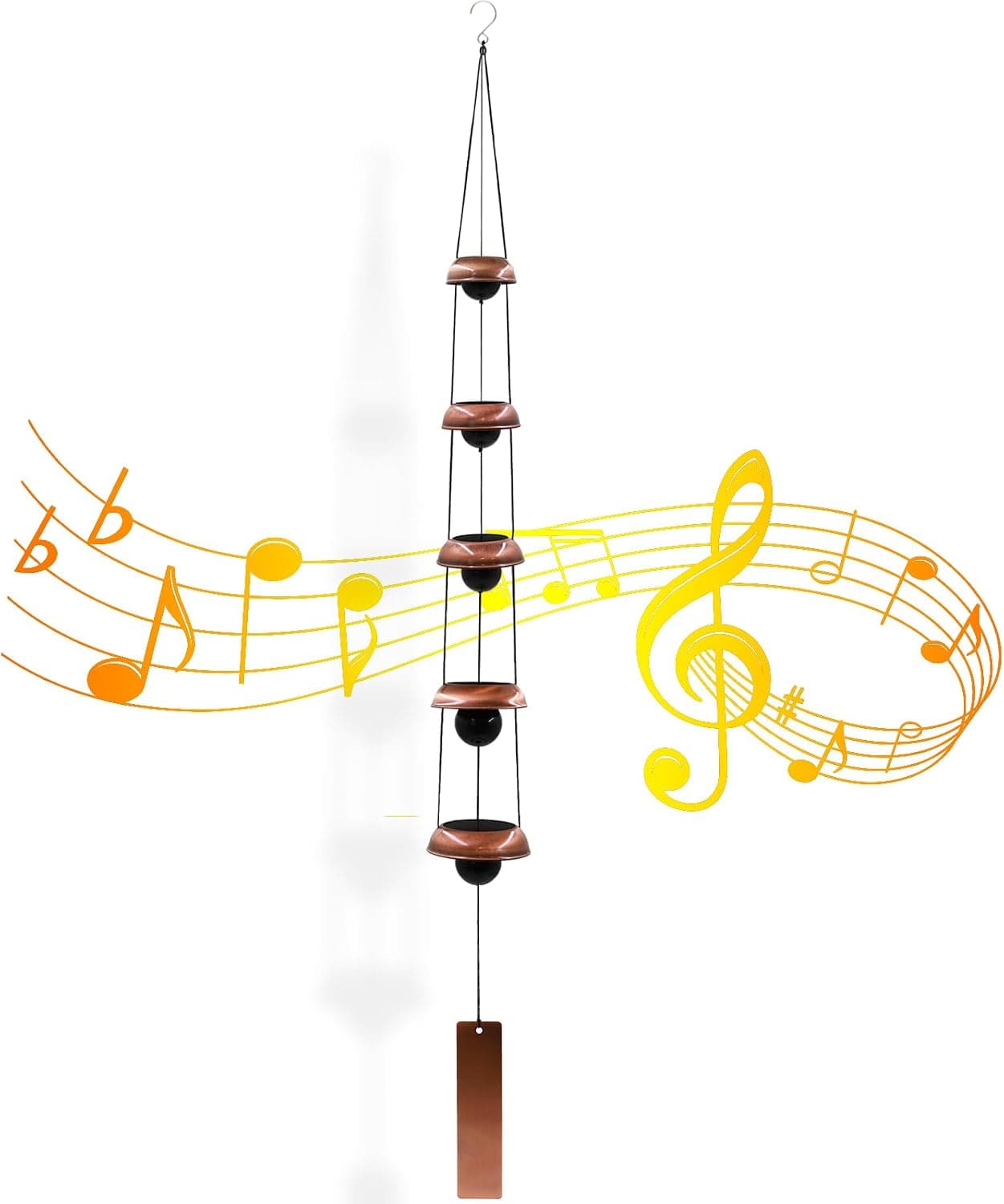
-19%Wind Chimes for Outside with 5 Bell Unique Copper Musical Chimes Feng Shui Wi...
 -5%
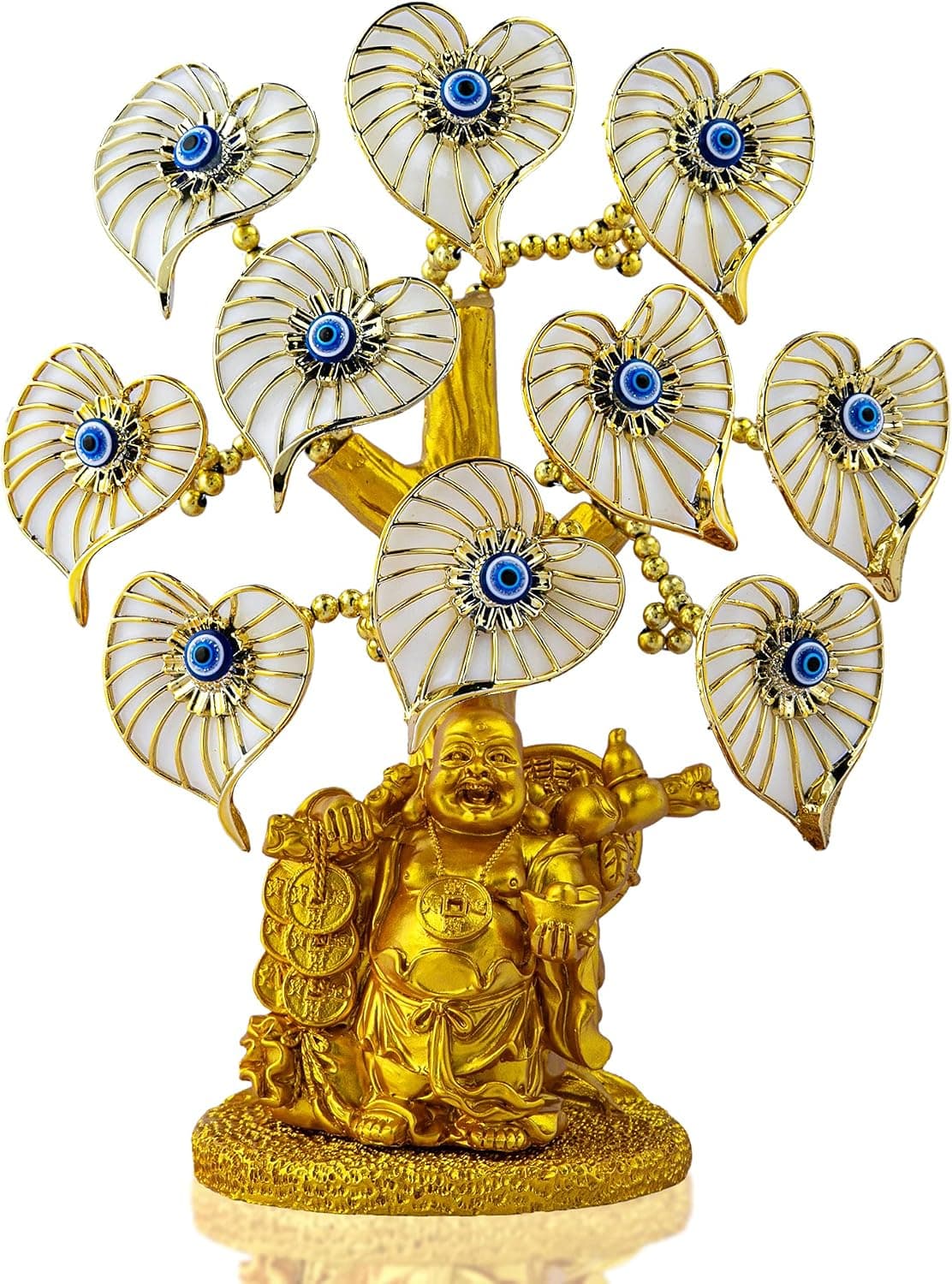
-5%YU FENG Evil Eye Money Tree, Blue Feng Shui Decor with Golden Buddha
 -29%
-29%Karma and Luck March Birthstone Crystal Tree of Life, Aquamarine Gemstone Fen...
 -29%
-29%Karma and Luck July Birthstone Crystal Tree of Life, Ruby Gemstone Feng Shui ...
As an Amazon Associate, we earn from qualifying purchases. We only recommend items our practitioners have personally tested.
Continue Your Journey
Explore these related guides to deepen your understanding:


Ready for Deeper Guidance?
Try our free I Ching reading for personalized wisdom, or explore our curated Feng Shui essentials.