The southeast corner is where most guides stop. The classical texts asked two more questions first — and both of them move the pot.
A Tree That Died in the Correct Corner
The pot was six inches across, the trunk braided into three strands, the leaves five to a stem. It sat in the southeast corner of a one-bedroom rental, wedged between the arm of a sofa and the frame of a balcony door — exactly the spot a dozen websites agreed on.
Eight weeks later it was down to four leaves and a yellowing stem.
Nothing had been done wrong. That is the part worth sitting with. The instructions were followed precisely, the corner was correct by every popular map, and the plant still failed. When that happens, people usually conclude the plant was weak, or the apartment has bad energy, or the whole practice is nonsense. All three conclusions skip the same step.
Two Versions of the Same Instruction
There is a popular version of this practice and a master version, and they diverge at the second sentence.
The popular version goes like this: the southeast corner of any space is the wealth sector, wood is the wealth element, so a money tree in the southeast corner activates prosperity. Buy one, place it, done.
The master version says something narrower and less comfortable. The sector that governs money is not a fixed compass point in your home, and the plant is not a switch you flip. It is a living instrument. Its job is to show you whether the space is actually supporting growth — and a plant that dies in the "correct" corner has just told you something the map could not.
Both versions use the same words. Only one of them expects the plant to talk back.
What You're Actually Dealing With
The plant sold as a money tree in every grocery store and big-box nursery is almost always Pachira aquatica — a swamp-dwelling tree from Central and South America, sold under the Chinese name 發財樹, fā cái shù, "wealth-growing tree."
Here is the part that surprises people who assume they are working with an ancient object. The braided trunk is a nursery technique, popularized in the 1980s to keep the sapling compact and stable in a small pot. The five-leaves-to-a-stem count that gets explained as "the five elements" is retail copy written to sell the plant, not doctrine pulled from a classical text. The broader rules for houseplants in feng shui are older and far more general — living wood, growing things, the quality of light a room can hold — and they do not name this species at all.
None of that makes the practice worthless. It makes it younger than advertised, which matters, because when you know a rule was invented for retail you stop treating it as physics and start asking what it was trying to approximate.
What it was approximating is this: a room with something alive and thriving in it feels different from a room without one. That feeling is real. It is also measurable in ordinary terms — light, air, moisture, care — and those terms are where the actual work happens.
There is a second layer of history worth knowing, because it explains why English-language advice is so unanimous about that southeast corner. The fixed eight-sector map that most Westerners learn — wealth in the southeast, fame in the south, career in the north — comes from the Black Hat sect, a twentieth-century American adaptation of Chinese practice that keys the whole grid to the front door. It was designed to be usable by people who would never hire a compass. It is genuinely useful for that purpose and it is not the classical system, which reads the building's orientation first and then layers annual and period cycles on top of it.
So when a Western guide says "put your money tree in the southeast," it is quoting a simplified teaching from the 1970s, which was itself a translation of something older and more conditional. That is not a scandal. It is just a chain of transmission you should know you are standing at the end of.
The Hidden Pattern
Trace the causal chain and the mystery dissolves.
Input: one potted plant, one corner. Step one: the plant is wood in the five-element scheme. Step two: every sector of a building carries its own element, and wood does not relate to all of them the same way. Step three: the plant also needs physical conditions — light intensity, air movement, soil moisture — that have nothing to do with the compass and everything to do with architecture. Step four: the plant's health becomes a visible object in the room, seen daily. Output: either a small daily confirmation that the space is cared for, or a small daily reminder that something is quietly failing.
Step two is where the popular version stops. In the element cycle, wood feeds fire, so a plant in a south-facing fire sector spends its energy feeding the room rather than being fed by it. Wood is cut by metal, so a plant in a west or northwest sector works against the dominant element of that space — and this is where I have seen the most baffling "mystery" failures, plants that were watered perfectly and still dropped leaves one at a time. Wood is fed by water, so a north-sector plant has conceptual support but often lives in the darkest, coldest part of a home, which is why so many of them sulk there through the winter. And wood in a wood sector, east or southeast, is supported by its own element, which sounds ideal until you notice that a stagnant, airless wood corner supports nothing at all.
That last point is where the philosophy matters more than the chart. Wood is the expanding element — the push upward and outward, the thing that cracks pavement. A plant in a dim, still, cluttered corner is being asked to express expansion in a place built for storage. The tension is not metaphysical. You can see it in the plant within a month.
Then there is the architectural layer, which almost no popular guide mentions because it does not fit on a compass rose.
A corner is not automatically a good spot for anything. Corners collect still air and low light; they are where a room's circulation dies. A plant placed at the threshold of a room — the first eighteen inches inside the door, where the eye lands on entry — reads as an obstacle rather than an invitation, because your body has already calculated its path before you consciously look. A plant in the walking line gets brushed, and brushed leaves brown at the edges. Proportion matters too: a two-foot sapling in a twelve-foot room with a low ceiling will look like it is apologizing, while the same plant against a bare wall in a small bright room looks deliberate.
Light is the part you can measure. Pachira wants bright, indirect exposure — the kind of light that casts a soft shadow but never burns a leaf. In the northern hemisphere, an east window gives you two or three hours of gentle morning sun; a south window gives you intensity you may need to diffuse with a sheer curtain. A southeast corner in a room with a south-facing window is close to perfect for the plant and, not coincidentally, is the placement the old advice recommends. The rule and the horticulture agree in that one case, which is probably why the rule survived long enough to become universal.
The correct spot, in other words, is a place where light arrives, air moves, feet do not pass, and the eye rests. That combination is rarer than a corner.
When It Goes Wrong
The single most common failure I see is a money tree placed in an interior corner with no window within eight feet, chosen because it was the southeast corner of the floor plan. The plant declines slowly, gets moved to a brighter spot out of guilt, recovers, and the owner concludes the whole exercise was superstition. It wasn't. The plant was simply asked to grow in a place designed for a filing cabinet.
The second failure is stacking. A tree, plus a citrine cluster, plus a bowl of coins, plus a red ribbon, all in the same two square feet. Wealth cures do not compound like interest; they compete for attention and make a corner feel busy rather than generous. If you already work with stones, the logic of crystals for wealth in the wealth corner is worth understanding before you add one more object to the pile.
A third, quieter failure: putting the tree where the room's traffic narrows. How a living room's circulation paths actually run matters more to a plant's survival than which sector it occupies, because a plant that gets clipped by a bag strap twice a week will never look like abundance to anyone.
The Real Fix
Start with the light, not the map. Stand in the intended spot at ten in the morning and again at four in the afternoon. If you would not read a book there without a lamp, the tree will not thrive there. Then move it a few feet back from the brightest window in the room and see whether the shadow it throws is soft or sharp. Soft is what you want.
Next, answer the compass question honestly, because it is worth answering even though it is not the first question. Use the bagua map laid over your actual floor plan rather than the front-door version, and note which sector the spot falls in. East and southeast are the easiest placements for a wood plant. North is workable if the light is genuinely good. South and west demand more attention to water and shade, and if the plant struggles there, that is the element cycle doing exactly what it says it does — not a verdict on your character.
Then handle the room like a designer rather than a mystic. Keep the pot out of the path between the door and the sofa. Keep it out of the first eighteen inches inside any doorway. Give it a wall behind it and a little air on the other three sides, so the shape reads as a decision rather than an accident. Watch the ceiling: if the top leaves touch a low beam or a shelf, the plant will grow lopsided trying to escape it, and lopsided is not what anyone means by flourishing.
One tree is enough. Two is fine in a large room. Five small ones lined up along a windowsill is a nursery, not a cure.
And then the part no placement guide can do for you: keep it alive, or take it out. A thriving plant is a daily, wordless argument that the space is being maintained. A half-dead one argues the opposite, every single day, whether or not you believe in anything. If it is beyond saving, replace it without ceremony. Sentiment is not a feng shui principle.
What the Tree Is Actually Measuring
The old practitioners had no phrase for what we would now call environmental psychology, so they used a different vocabulary for the same observation: a space either supports life or it does not, and living things report the difference before we do.
That is a yin-yang statement more than a mystical one. A room needs both stillness and movement, both shade and light, and most homes fail in one direction. A dark, over-furnished corner is yin to the point of dormancy; a plant there is being asked to supply all the yang by itself, which is precisely what a living thing cannot do in the dark.
A plant is the cheapest instrument you will ever own for testing whether a corner of your home is genuinely habitable — whether light reaches it, whether air moves through it, whether anyone tends it. Put one there and wait a season. The answer arrives in leaves.
That is not a smaller claim than "the southeast corner brings wealth." It is a larger one, dressed in plainer clothes.
Questions People Ask
Is the southeast corner always the wealth corner?
Only in the simplified Western school keyed to the front door. Compass-based practice reads the building's orientation and the period chart, which means the wealth sector in your particular home may sit somewhere else entirely — and it can shift as the annual stars move.
How many money trees should I have?
One healthy tree outperforms four struggling ones, in every sense that matters. If you have the light and the floor space for a second, fine. If you are buying multiples to compensate for the first one dying, you are solving the wrong problem.
Can a money tree go in the bedroom?
A bedroom is the one room where a declining plant does the most damage, because you see it first thing in the morning and last thing at night. Soil also holds moisture, which some people find heavy in a small sleeping space. If the light is good and you genuinely maintain it, it can work — but the living room is usually the safer home.
What if it keeps dying no matter where I move it?
Then stop replacing it and read the room instead. Three failures in the same apartment usually point to a light problem, a draught problem, or a watering habit — not to a hostile sector. Fix the condition, then try again with a smaller, cheaper specimen.
Mei Chen
Traditionally informed guidance • Cross-referenced with classical Chinese source texts
Content draws from both Compass (Luopan) and Form (Xingshi) school traditions. Illustrative examples are composites based on consultation experiences.
Practitioner-Selected Tools for This Topic
Items our team has tested and found effective for the principles discussed above. Individual results may vary.
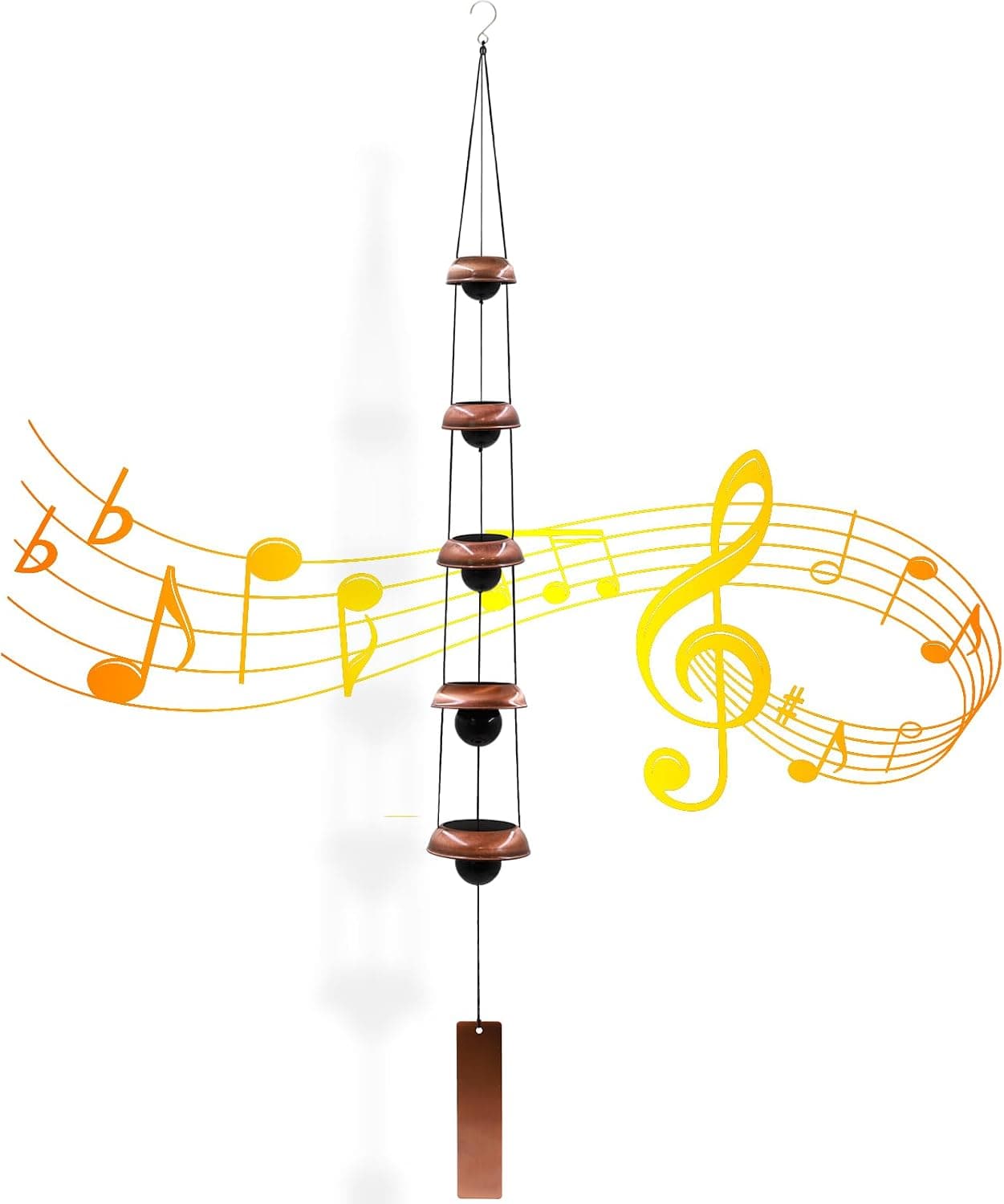 -19%
Wind Chimes for Outside with 5 Bell Unique Copper Musical Chimes Feng Shui Wi...
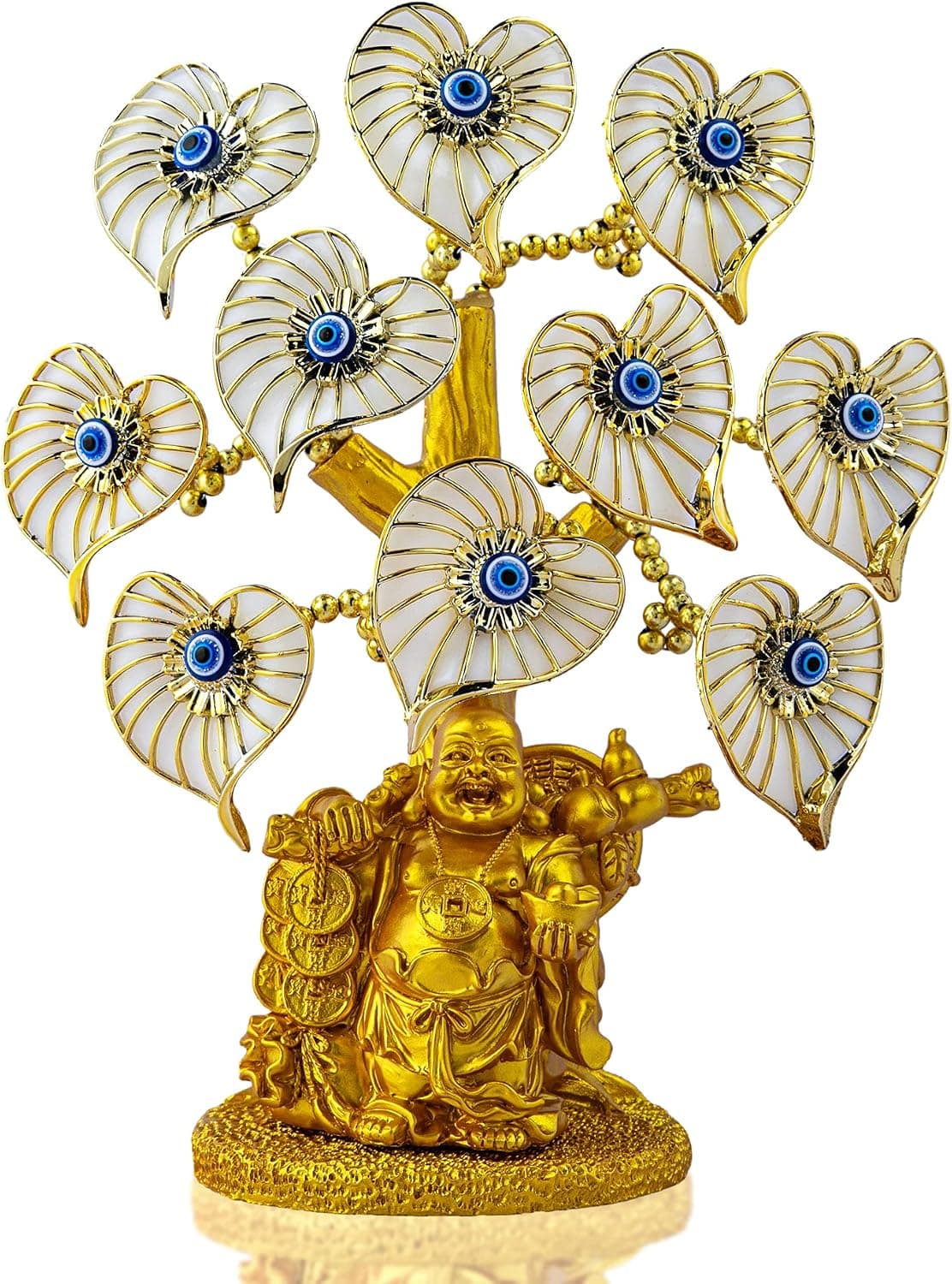 -5%
YU FENG Evil Eye Money Tree, Blue Feng Shui Decor with Golden Buddha
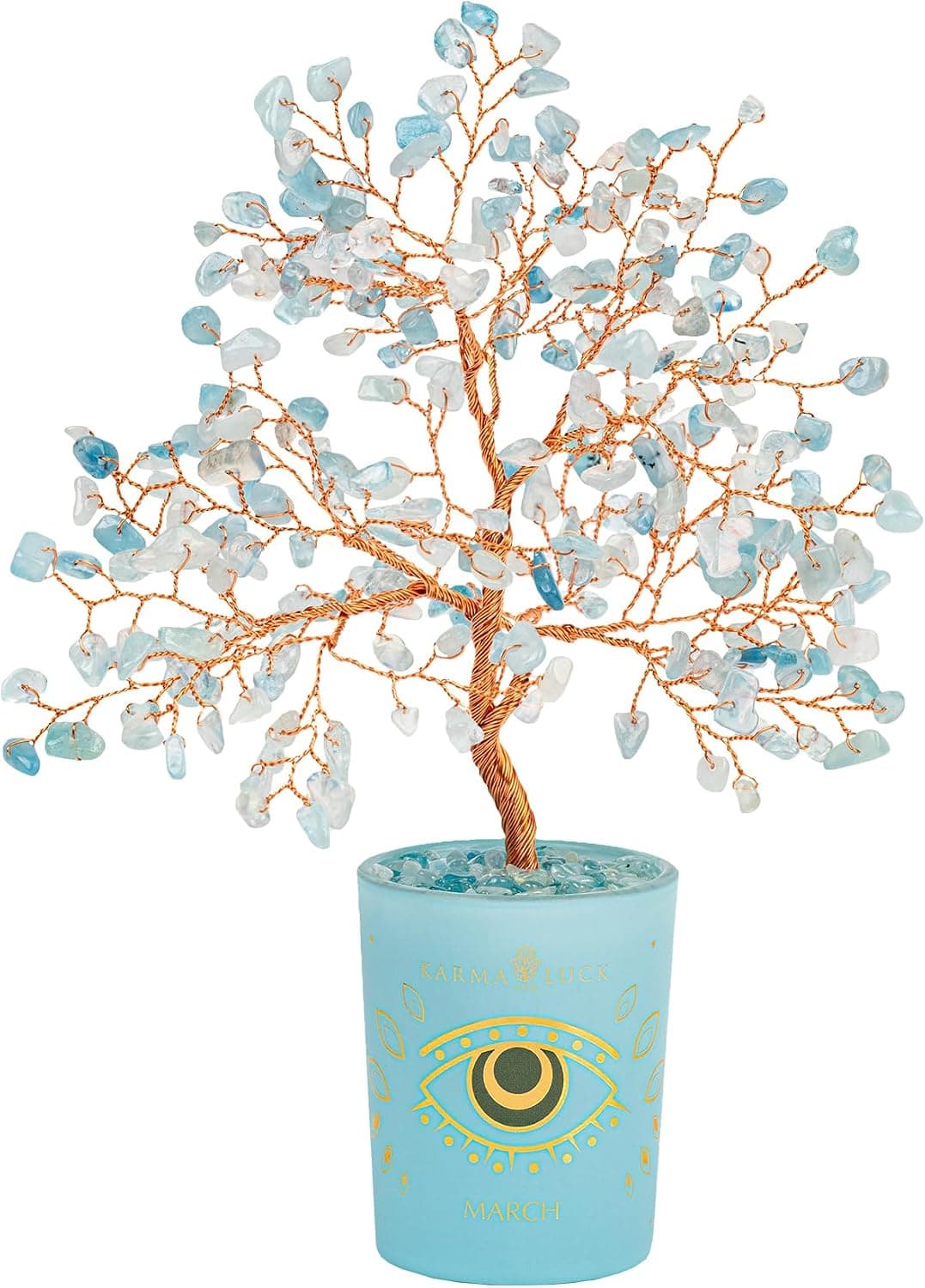 -29%
Karma and Luck March Birthstone Crystal Tree of Life, Aquamarine Gemstone Fen...
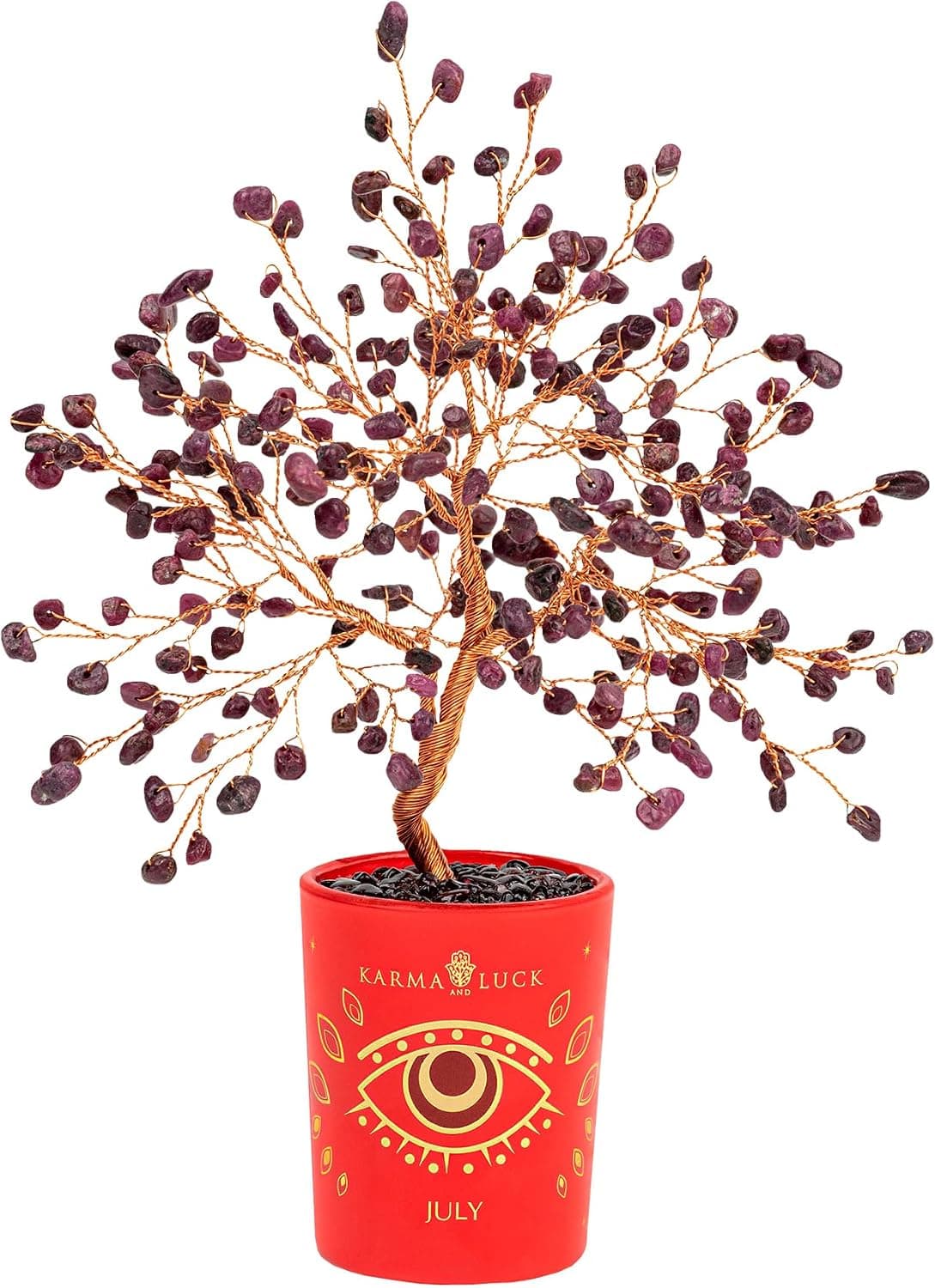 -29%
Karma and Luck July Birthstone Crystal Tree of Life, Ruby Gemstone Feng Shui ...
As an Amazon Associate, we earn from qualifying purchases. We only recommend items our practitioners have personally tested.
Continue Your Journey
Explore these related guides to deepen your understanding:


Ready for Deeper Guidance?
Try our free I Ching reading for personalized wisdom, or explore our curated Feng Shui essentials.