A mirror can revive a dining room—or amplify the one corner everyone avoids.
What Most Guides Overlook About Feng Shui Mirror-in-dining-room
Something about Feng Shui Mirror-in-dining-room doesn’t add up. People hang the mirror, admire the doubled chandelier glow, and assume the room has been “activated.” Then dinner feels flatter, conversations stall, and one chair—the same chair every night—starts collecting coats instead of guests.
That pattern is not random. A dining room has a dead zone whenever the room’s movement, sightline, and reflection all miss the same pocket of space, usually a corner or wall section that never receives direct attention. Mirrors can expose that pocket or hide it. They can also make it louder.
I’ve seen this in a narrow dining room in a Queen Anne house: cream walls, a walnut table, one tall mirror above a sideboard, and a red silk runner that looked elegant in photos. The owner had followed every forum rule she could find. Within two weeks, her teenage son stopped eating at the table and ate on the sofa instead. The room wasn’t “bad.” It was incomplete.
The mechanism is simple once you see it. A mirror does not create balance by itself; it multiplies whatever it faces. If it reflects open chairs, soft lamplight, and a full table, the room feels fuller. If it reflects a dead corner, a blank wall, or a doorway that cuts the room in half, it keeps repeating that emptiness like a bad loop. That is why conventional advice so often fails. It tells you where to put the mirror, but not what the mirror will keep echoing.
Dead zones usually form where qi loses momentum. A buffet blocks the lower field, an awkward angle cuts eye contact, or a dark corner sits beyond the main conversation path. The mirror then turns that stagnant pocket into the most visually available thing in the room. Wrong. Not because mirrors are dangerous, but because they are honest.
How the dead zone forms
First comes the layout. Long rectangles, off-center doors, and dining rooms attached to living rooms often create one zone that never gets used. The body notices before the mind does. You keep choosing the same seats because the other side of the table feels exposed, cramped, or oddly distant.
Then the mirror amplifies the imbalance. A mirror facing the dining table is often recommended because it can “double abundance,” but abundance is not just visual doubling. In feng shui terms, the room needs circulation, and reflection is only useful when it supports circulation. If the mirror doubles the table but also doubles the dead zone beside it, you have enlarged the problem with expensive glass.
One afternoon in a Brighton apartment, I watched a couple stand in their dining room without sitting down. Blue velvet chairs, a black frame mirror, and one dead patch beside the radiator that nobody used because it felt cold even when the heat was on. The mirror reflected the empty patch directly from the table. They wondered why meals felt brief and business conversations never finished cleanly. The room had trained them to leave early.
That is the output you want to look for: not mystical drama, just behavior. People avoid one chair. The fruit bowl stays untouched. Wine glasses get carried back to the kitchen half full. The room becomes a passage instead of a place to linger.
Find the dead zone before you move anything
Stand in the doorway and look without naming objects. Where does your eye stop? Where do you feel the urge to tidy, soften your shoulders, or step around something? That hesitation points to the dead zone more reliably than any glossy decorating rule.
Now sit at the table and check what the mirror actually catches. Does it reflect faces, warm light, and a complete table edge? Or does it trap a hallway, a clutter stack, or the hard line of a cabinet side? A mirror that repeats a hallway keeps the room in transit. A mirror that repeats a clutter stack makes the clutter feel permanent.
mapping the room with a bagua overlay helps, but don’t treat the map like a wallpaper chart. The point is to identify where function disappears. The wealth corner may look important on paper, yet if nobody naturally occupies that area, the room is telling you the energy has already thinned there.
five elements balance also matters here, because a mirror belongs to the water family. Water sharpens, deepens, and spreads. Put it in a room already overloaded with glass, chrome, and white walls, and you get a cooler atmosphere that can make people eat quickly and speak less. That is not subtle in practice. It feels like a dinner that ends before dessert is even considered.
One sentence can save a lot of trial and error: the mirror should support the room’s best activity, not merely reflect its prettiest angle.
Where the fix usually starts
Shift the mirror so it reflects fullness, not absence. A vase of citrus on the table works. So does a pendant lamp with a warm bulb, or a sideboard styled with two objects instead of six. A mirror facing a lively, occupied zone can steady the dining room and make it feel larger without turning the empty corner into the main event.
Also check height. Too high, and the mirror cuts off the table action and floats the reflection above the human scale. Too low, and it can overemphasize legs, chair backs, or the edge of a cluttered buffet. The sweet spot is the one that keeps the reflection anchored in the meal itself.
Don’t aim it at the front door if the dining room opens straight into a corridor. That setup pulls attention out of the room before it can settle. I know the internet loves this kind of rule because it sounds tidy. Real homes are not tidy. They leak attention through awkward angles, and the mirror makes the leak visible.
When the room has a dead zone that cannot be eliminated, soften it instead of spotlighting it. A tall plant, a lamp, or a piece of art with depth can give the corner a job. A dead zone shrinks when it has a role. Empty space that looks intentional is very different from empty space that feels neglected.
What conventional advice misses
Mirror placement is often treated like a yes-or-no question. That misses the sequence. Input conditions come first: room shape, table position, light source, and traffic flow. Next, the mirror reflects those conditions. Only then do you get the emotional output—ease, appetite, conversation, or fatigue.
That sequence explains why two dining rooms can follow the same rule and produce opposite results. A square breakfast nook with one window may benefit from a mirror because it borrows daylight and makes two people feel less boxed in. A long formal dining room with a sideboard, a chandelier, and a shadowed rear corner may feel colder after the same treatment because the mirror keeps feeding the cold zone back into the meal.
centered room balance matters in adjacent spaces too, because the dining room rarely lives alone. If the living room is overbuilt with furniture and the dining room is underused, a mirror can accidentally strengthen the imbalance between them. The dining table starts acting like a waiting area instead of a gathering point.
And here’s the part people resist: sometimes the mirror should come off the wall entirely. Not forever. Just long enough to see whether the room breathes better without the extra reflection. That small experiment tells you more than a month of guessing.
Big mistake: keeping a mirror because it “should” work, even while everyone in the house eats faster and talks less.
Practical adjustments that actually change the room
Begin with one object. Move the mirror three feet to the left or right and observe the table at dinner for three nights. If conversation lengthens, if people stop choosing the same seat, or if the room feels warmer when the lamp is on, you’ve changed the mechanism rather than the décor.
If the mirror faces a blank wall, replace that wall with something active: a framed landscape, a shelf with ceramics, or a long runner on the sideboard that adds texture. The goal is not decoration for its own sake. It is to give the reflection something that carries movement and depth.
bedroom calm principles can inform the dining room, but only in a limited way. Both spaces need restfulness, yet the dining room also needs appetite and conversation. Too much hush here becomes stiffness. Too much brightness becomes exposure. The mirror should land somewhere between.
Watch what happens after one week. If the table starts collecting bread, flowers, or a second bottle of water instead of becoming a landing strip for laptops, you are heading in the right direction. If the mirror keeps catching the dishwasher door, the coat rack, or a stairwell, you are still reflecting transit instead of residence.
small placement choices can shift outcomes fast, and that lesson applies here too. The dining room responds to small corrections because it is a social engine. A few inches matter. A few degrees matter. A reflection that shows food, faces, and light can change how long people stay at the table.
The dead zone test
Ask one blunt question: does the mirror make the room feel more occupied, or merely more visible? Occupied rooms support eating, talking, and staying. Visible rooms can still feel empty.
That distinction is the whole mechanism.
If you want to test it properly, photograph the dining room before sunset, then again after the lights are on and the table is set. Compare what the mirror doubles. A lively reflection will show the room as a gathering point. A dead one will keep returning your attention to the same unused corner, as if the house itself were avoiding that spot.
There is a reason people sense relief when the mirror finally “lands” in the right place. They are not reacting to superstition. They are reacting to a room whose attention is no longer split between meal and void. The chair near the dead corner gets used again. The bread knife stays on the table. Someone lingers after dessert and tells the story they were about to skip.
And if the mirror still seems off after all that, ask yourself one harder question: what is the room asking you not to look at?
FAQ
Is conventional Feng Shui Mirror-in-dining-room advice reliable?
Often no, because it leaves out the room’s dead zone. A mirror can reflect abundance or repeat emptiness, and the difference depends on what sits in its line of sight. I trust the layout and the behavior in the room more than any blanket rule.
Should a mirror always face the dining table?
Not always. If the table is the liveliest part of the room and the reflection catches warm light, fresh food, and seated guests, that can work well. If it doubles a hallway, a clutter pile, or a cold corner, the room usually feels less settled.
What if the mirror is already installed and I can’t remove it?
Change what it reflects first. Add a lamp, flowers, or a piece of art to replace the blank or neglected view. Small shifts often produce a faster response than replacing the mirror itself.
Can a dining room have more than one dead zone?
Surprisingly, yes. Long rooms and open-plan layouts often have two or more pockets where attention drops away. The quickest clue is always behavior: people avoid those spots, and the table service never quite reaches them.
Does this advice connect to other room-by-room feng shui work?
Absolutely, because each room has its own function and failure mode. A dining room wants sustained attention, while a bedroom wants release, and a living room wants circulation. That’s why a reflection that helps one space can muddy another.
What should I notice after making a change?
Look at the chairs, not the mirror. If the same seat stops being ignored, if meals lengthen by ten minutes, or if the room stops feeling like a shortcut, the adjustment is working. The mirror never tells the whole story; the people do.
Mei Chen
Traditionally informed guidance • Cross-referenced with classical Chinese source texts
Content draws from both Compass (Luopan) and Form (Xingshi) school traditions. Illustrative examples are composites based on consultation experiences.
Practitioner-Selected Tools for This Topic
Items our team has tested and found effective for the principles discussed above. Individual results may vary.
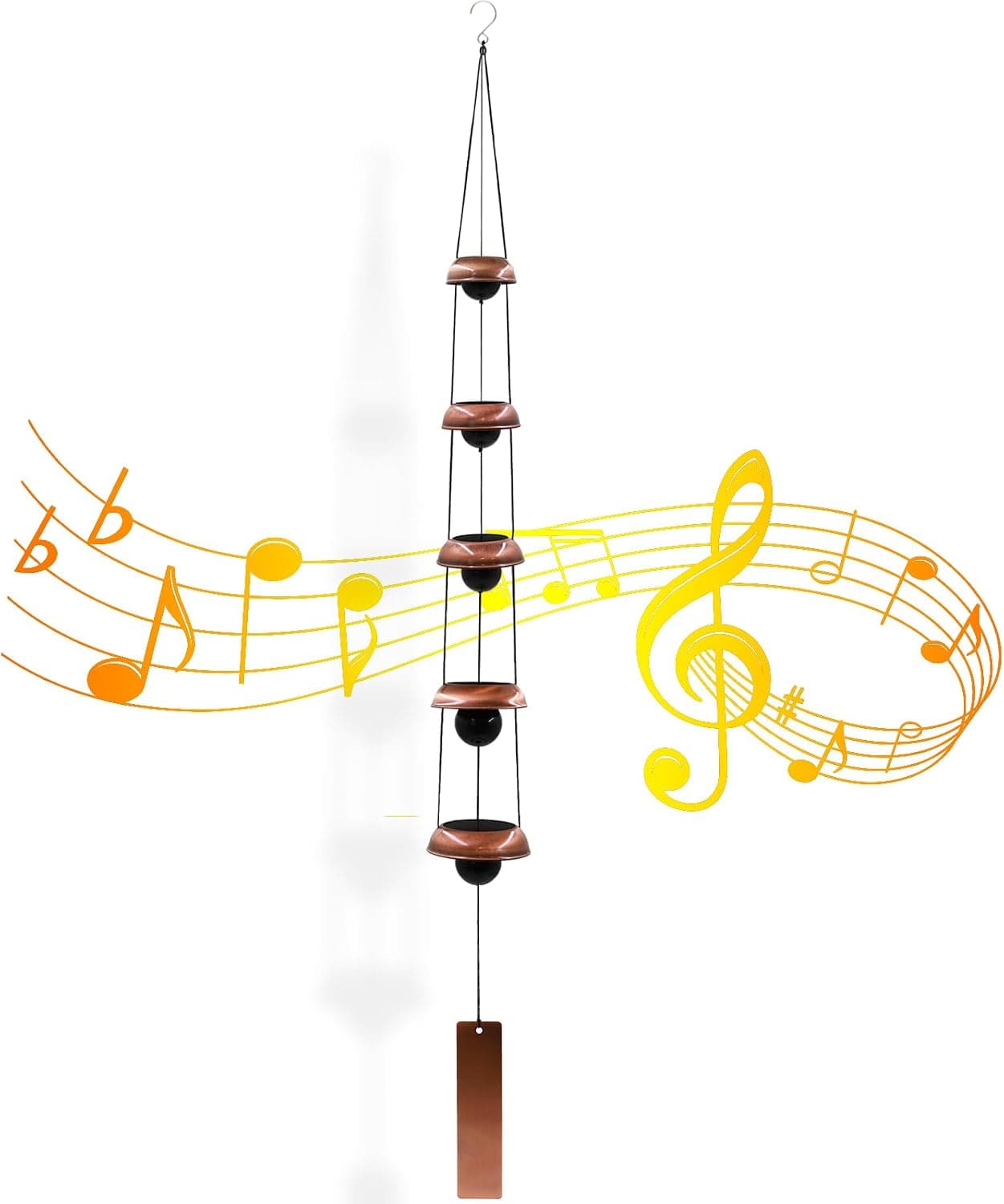 -19%
-19%Wind Chimes for Outside with 5 Bell Unique Copper Musical Chimes Feng Shui Wi...
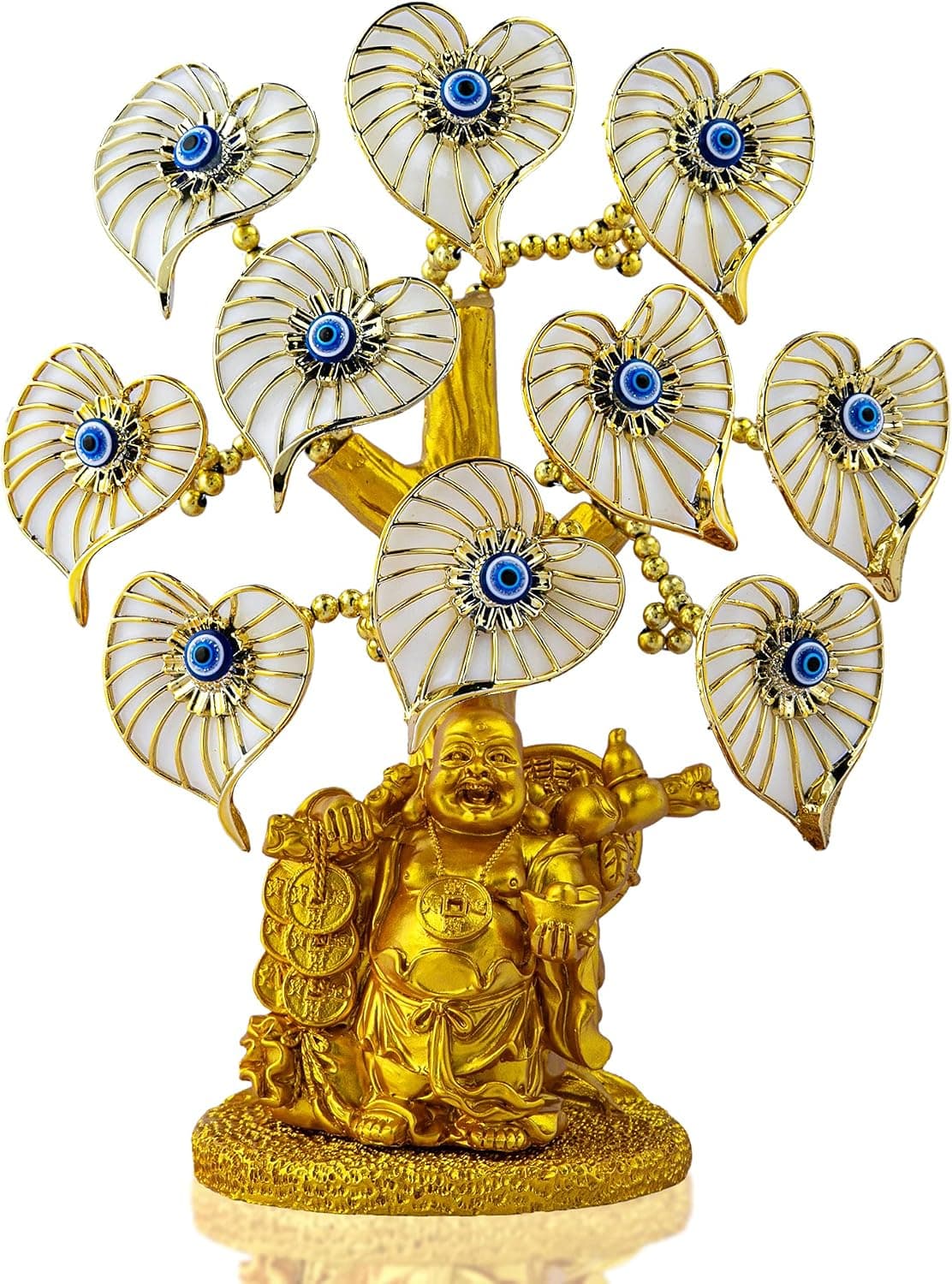 -5%
-5%YU FENG Evil Eye Money Tree, Blue Feng Shui Decor with Golden Buddha
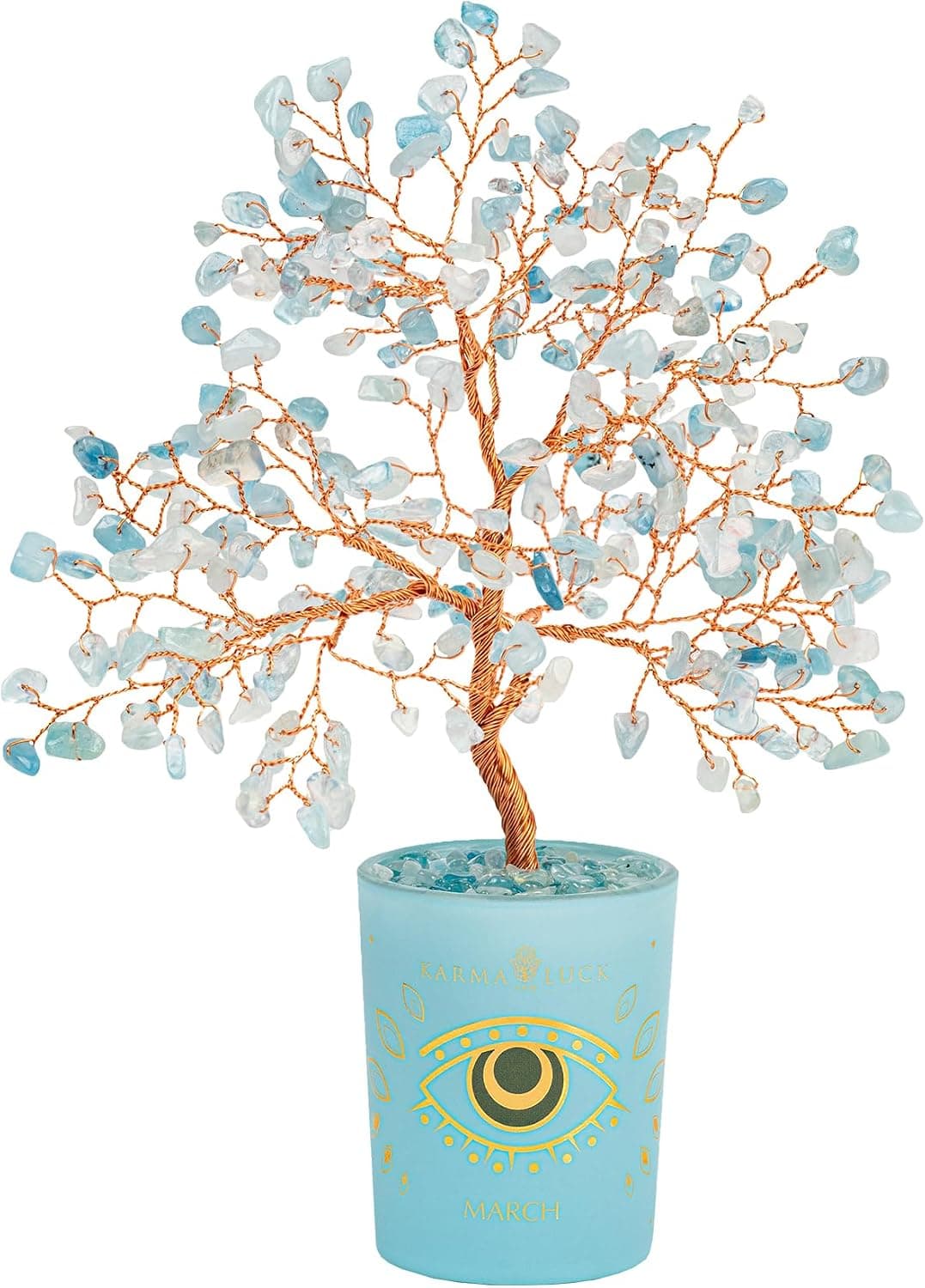 -29%
-29%Karma and Luck March Birthstone Crystal Tree of Life, Aquamarine Gemstone Fen...
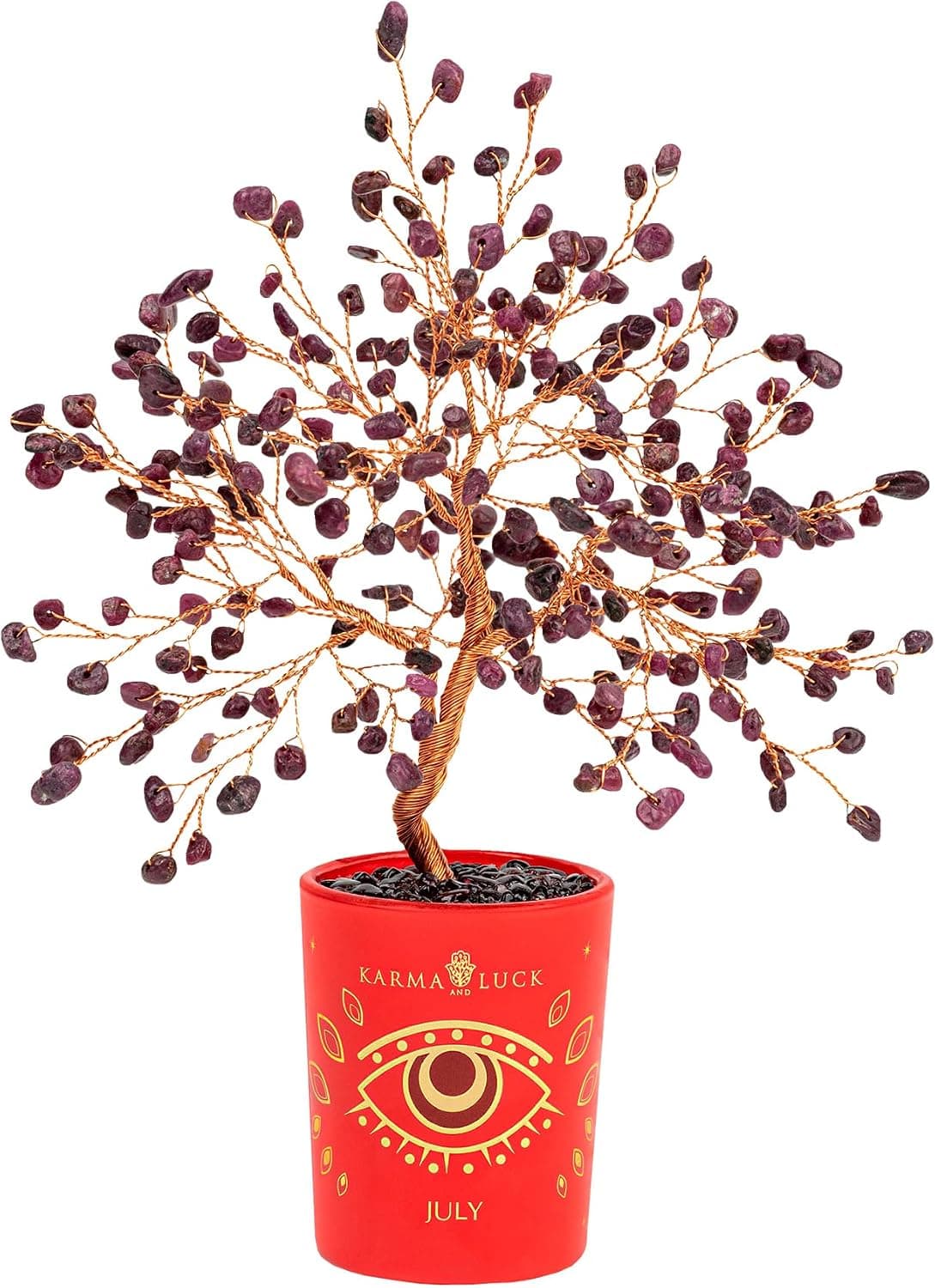 -29%
-29%Karma and Luck July Birthstone Crystal Tree of Life, Ruby Gemstone Feng Shui ...
As an Amazon Associate, we earn from qualifying purchases. We only recommend items our practitioners have personally tested.
Continue Your Journey
Explore these related guides to deepen your understanding:


Ready for Deeper Guidance?
Try our free I Ching reading for personalized wisdom, or explore our curated Feng Shui essentials.