A lucky address can still misfire when the main entrance is wrong by three feet.
Beyond the Surface of Feng Shui Lucky Numbers For House Address
The popular narrative around Feng Shui Lucky Numbers For House Address doesn't hold up under scrutiny. I kept seeing homes with “auspicious” digits on the mailbox, yet the people inside complained about thin sleep, missed deliveries, and a weird sense that the house was always half-open.
Then the pattern showed itself: the number was fine, but the entrance was not. In one small Victorian on Maple Street, the brass “8” sat neatly beside a blue door, while a shoe rack blocked the threshold and the first step inside landed almost exactly three feet from the main opening because of a recessed alcove. That tiny setback changed how the whole front of the house behaved, because qi meets a doorway as a moving stream meets a bend in a pipe.
The number on the wall matters, but only after the front approach tells the house what kind of pressure to receive. A bright, legible address can help, sure. Yet if the path turns sharply, the porch is cluttered, or the door sits too deep in shadow, the number becomes decoration instead of a signal.
Lucky digits don’t rescue a weak entrance. Not even close.
Here is the mechanism people skip: first comes visibility, then arrival, then containment. A passerby sees the number, their mind locates the home, and the body keeps moving toward the threshold. If that movement is clean, the address supports recognition and flow. If it stalls at the curb, the number can’t do much beyond looking tidy.
That is why the three-foot rule matters. A front door that is set back more than a short human stride from the street creates a small buffer zone, and buffers are tricky. Too little separation, and the house feels exposed; too much, and the energy loses purpose before it reaches the interior. The balance is mechanical, not mystical.
I've seen this in apartments as well. A nurse in Oakland had a pale-gray entry hall with a red mat, a potted ficus, and a sleek “168” plaque on the door, but the building’s main entrance was down a long corridor and around a corner. She kept missing important calls, because visitors hesitated, deliveries circled, and her own attention scattered every time she came home through that long, anonymous approach.
Step One: Let the Number Be Seen Before the Door Is Felt
Address numbers work best when the eye catches them before the body reaches the threshold. That sounds simple, but most homes hide the number beside a planter, under a dim porch light, or high enough that a driver has to lean forward and slow down. Slowdowns matter because they interrupt the clean handoff from street to entrance.
Mount the number where it reads at a glance from the approach, not from the doorstep. On a narrow row house, that may be the side of a gatepost; on a detached house, it may be the left side of the doorframe if that side faces the street more directly. The point is not symmetry. The point is recognition.
Mapping the house correctly helps here, because the front edge of the property is not always the same as the visible door. People assume the official entrance is the energetic entrance. Wrong. If the main gate, walk, or lobby forces a longer approach, the address has to work harder to pull attention forward.
Step Two: Measure the Buffer, Not the Marketing
A three-foot setback can feel elegant in a brochure and awkward in real life. When the doorway sits behind a small porch, a planter wall, or a pair of decorative columns, the entrance gets a little ceremonial—and sometimes ceremony turns into delay. Delay is the issue, because qi that hesitates at the threshold tends to thin out or fragment.
How do you know it has gone too far? Delivery people overshoot, guests ring the bell twice, and you yourself stop at the mat as if the house needs permission to let you in. That pause is not “peaceful.” It often shows up as a house that feels slightly unfinished, even if every object is expensive.
Try reading the door as a funnel. The street is the wide mouth, the threshold is the narrow neck, and the interior should receive the flow without friction. If the neck is broken by a stair, a dark recess, or a dead corner with old shoes, the number can’t compensate for the pinch point.
Big mistake: people buy metal numerals and then ignore the landing they sit beside.
Step Three: Match the Number to the Entry’s Actual Job
Not every house wants the same treatment. A downtown condo with a shared lobby needs a different address strategy from a freestanding cottage on a curved lane, because one number is announcing the unit inside a larger system while the other is introducing the whole property to the road. Different job, different behavior.
For a condo, the lobby directory, unit plaque, and door frame should all point in the same direction visually. For a house, the number should support the main approach rather than fight it. If the driveway is on the right and the front path curves left, place the digits where the eye follows the curve instead of where the architect intended a photo moment.
Getting the bagua alignment right matters because the front sector of the home is where contact happens first. That contact affects everything downstream: who finds the place easily, how quickly the home settles at night, and whether the household feels open without becoming porous. The address number is a cue. The entrance is the machine.
The front door itself deserves a full audit when you see repeated confusion around the house. Check the light, the path, the hardware, the floor level, and the way the door opens. A lucky numeral can sit there looking confident while the actual entry behaves like a bottleneck.
One of my clients, a retired architect named Helen, had a cream stucco bungalow with a deep teal door and a polished “28” in brushed bronze. Beautiful. Still, the gate was set back almost four feet, the porch light was too weak to reach the step, and a leaning bicycle half-blocked the line of sight. Once she cleared the bike, raised the light temperature, and moved the plaque to the gatepost, the house stopped feeling like it was swallowing visitors whole. People arrived on time. She noticed that first.
Step Four: Don’t Let Symbolism Replace Traffic
People love lucky numbers because they feel decisive. Put up a 6, 8, or 9 and the brain relaxes. But symbolism without traffic is theater, and the entrance is not a stage set. It is a receiving point.
Ask a practical question: does the house invite an easy approach, or does it make the visitor negotiate? If the answer is negotiation, the number has to be supported by better movement. That may mean trimming hedges, brightening the threshold, or moving a door mat so the front edge is unmistakable from the sidewalk.
The center of the home tells you whether the front is doing its job. When entry qi arrives cleanly, the living room tends to feel more settled, because the rest of the home is not constantly compensating for a clumsy arrival pattern. I have watched homes where the living room sofa was perfect, the wealth corner was arranged carefully, and still everyone felt edgy. The front end was the culprit.
That is the surprise most advice misses: the number does not work in isolation. The closer the front entrance sits to the street, the more the number can act like a clear handshake. The farther back or more obstructed it becomes, the more that handshake turns into a vague wave from across a parking lot.
Bedroom rules matter too, because poor entry flow often ends up in the room where you sleep. Strange as it sounds, a messy threshold can show up as restless nights, then relationship friction, then a general sense that nothing at home lands cleanly. Cause and effect are not always dramatic. Sometimes they are just three feet of hesitation repeated every day.
Where the Three-Foot Rule Actually Helps
Use the three-foot rule as a diagnostic, not a superstition. If the door sits within a short, direct approach from the street, your address number should be highly visible and the path should feel immediate. If the door is recessed, set the number farther out, closer to the place where someone first decides, “This is the house.”
That may mean the mailbox, the gate, or the post at the curb. It may also mean lighting the route so the number is readable before dusk turns the corridor into a tunnel. The idea is to reduce indecision, because indecision bleeds momentum.
For homes with long driveways, I like to think in layers: street-facing identifier, mid-path confirmation, and door-level reinforcement. Three signals. They do not have to match exactly, but they should agree. Mismatched cues create a restless feeling, as if the house is clearing its throat every time someone approaches.
The common mistake is to believe the lucky number itself is the cure. It isn’t. The cure is coherence between the number, the approach, and the threshold. When those three line up, the house stops asking for extra effort from everyone who comes near it.
That coherence can be subtle. A black plaque on a pale wall, a warm bulb over the door, a clear view from the street, and no trash bin parked in the sightline can do more than a flashy “88” stuck beside a shadowy jamb. Small things decide the outcome.
If you want the deeper structure behind all of this, the wealth sector guide shows why an entry problem often leaks into money behavior later in the house. People think the wealth corner needs the fix. Often the front door has already started the leak.
That is the real mechanism: visibility shapes approach, approach shapes arrival, arrival shapes whether the home feels available or difficult, and that feeling changes how people use the space. A number can support the process, but it cannot replace it.
Watch the threshold on a rainy evening. Watch how quickly a guest finds the house. Watch whether the door seems to receive people or resist them. The answer is usually right there, in the wet footprints and the half-second hesitation before the bell rings.
FAQ
Is conventional Feng Shui Lucky Numbers For House Address advice reliable?
Sometimes, but only when it accounts for the entrance itself. A favorable number on a poorly handled doorway is like putting a gold nameplate on a jammed lock. The house still has to receive people cleanly.
Do certain numbers matter more than others?
They matter less than people hope. A well-placed, easy-to-read number on a clear approach will usually outperform a supposedly fortunate number hidden in shadow. Context does the heavy lifting.
What if my front door is set far back from the street?
Then work with layers. Put one clear identifier where the approach begins, another closer to the door if needed, and make sure lighting guides the eye forward. Recessed entries need stronger direction, not louder superstition.
Can a house number fix a bad entrance?
No, and that’s the uncomfortable part. A number can confirm the home, but it cannot correct clutter, darkness, or a confusing path by itself. Fix the movement first, then let the number do its quieter job.
What should I notice first when I stand outside my house?
Notice whether your body moves toward the door without hesitation. If you slow down, search, or feel unsure where the entry really begins, the address system and the threshold are not aligned yet. That pause tells you more than the plaque does.
Mei Chen
Traditionally informed guidance • Cross-referenced with classical Chinese source texts
Content draws from both Compass (Luopan) and Form (Xingshi) school traditions. Illustrative examples are composites based on consultation experiences.
Practitioner-Selected Tools for This Topic
Items our team has tested and found effective for the principles discussed above. Individual results may vary.
 -19%
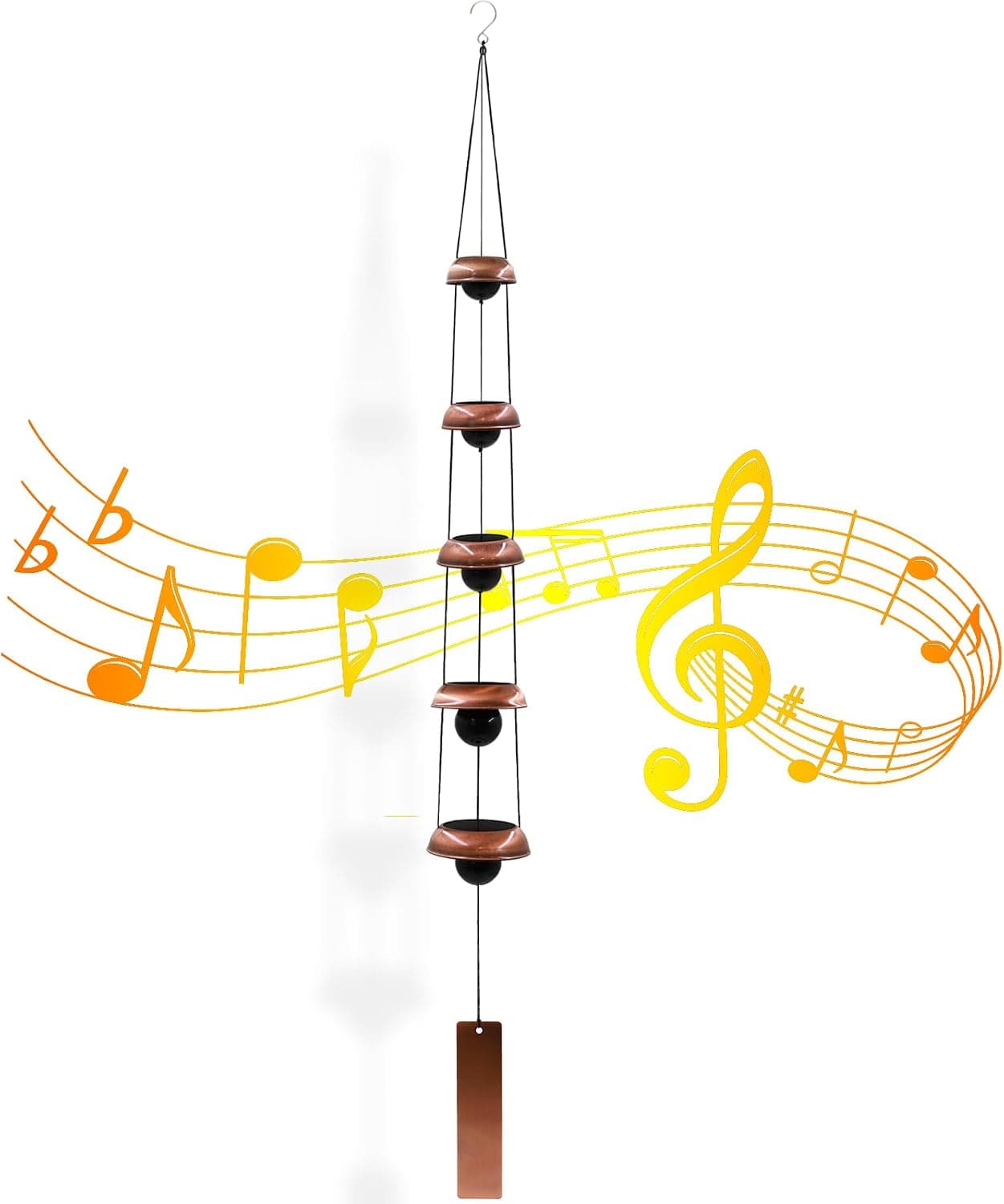
-19%Wind Chimes for Outside with 5 Bell Unique Copper Musical Chimes Feng Shui Wi...
 -5%
-5%YU FENG Evil Eye Money Tree, Blue Feng Shui Decor with Golden Buddha
 -29%
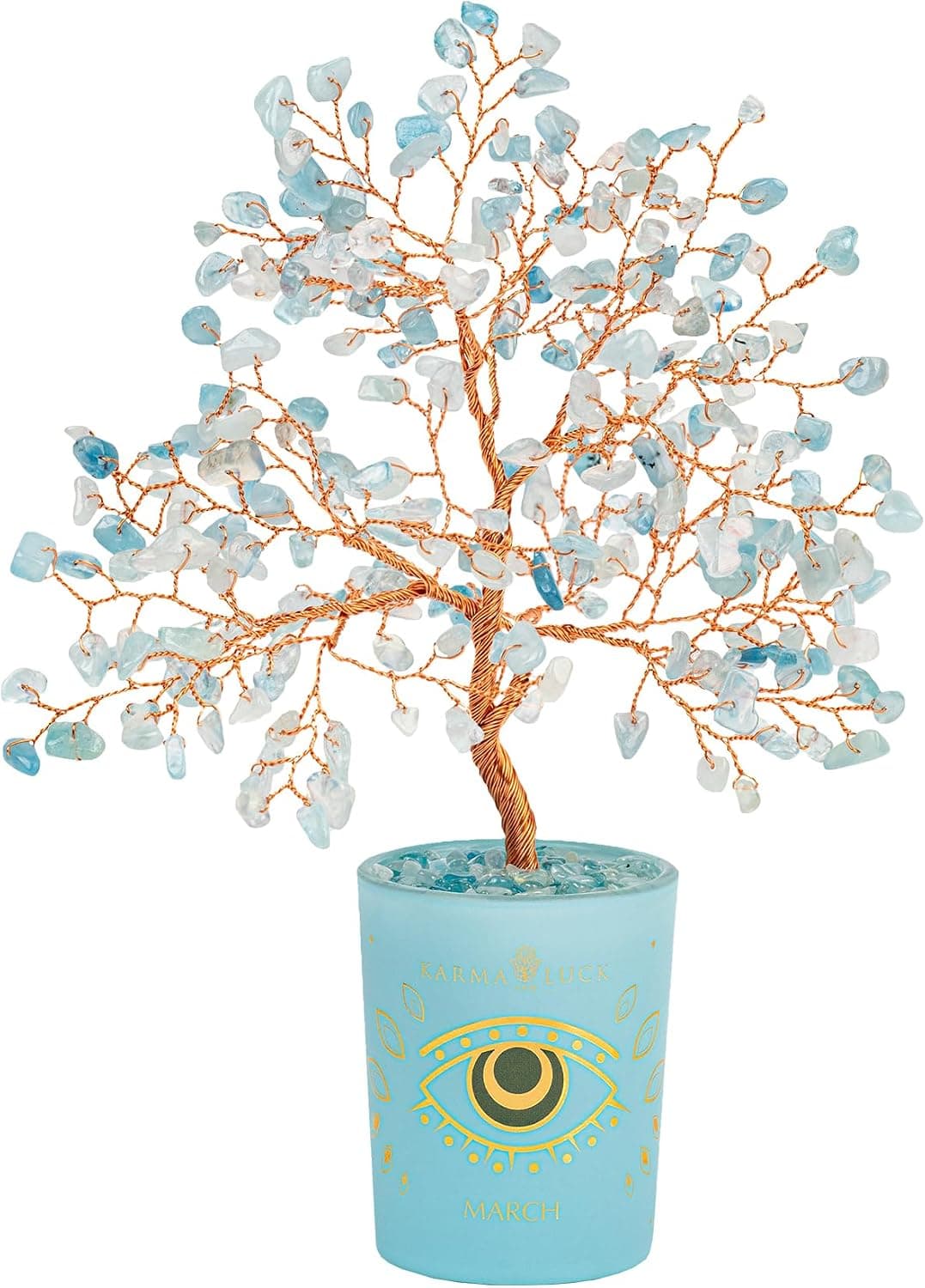
-29%Karma and Luck March Birthstone Crystal Tree of Life, Aquamarine Gemstone Fen...
 -29%
-29%Karma and Luck July Birthstone Crystal Tree of Life, Ruby Gemstone Feng Shui ...
As an Amazon Associate, we earn from qualifying purchases. We only recommend items our practitioners have personally tested.
Continue Your Journey
Explore these related guides to deepen your understanding:


Ready for Deeper Guidance?
Try our free I Ching reading for personalized wisdom, or explore our curated Feng Shui essentials.