The stalk charts, the red ribbon, the number eight — most of that was assembled in the 1980s. The older idea was stranger, harder, and far more useful.
The Original Question
A studio apartment, north-facing, one window with a fire escape eating half the light. The only surface with decent daylight was the top of the toilet tank. So that is where the lucky bamboo went — a clear glass vase, eight stalks, red ribbon still on from the shop.
Three weeks later the base of every stalk had gone soft and yellow.
I have walked into that exact scene more times than I can count, and it almost never gets described as a light problem. It gets described as bad luck, wrong placement, or something unpleasant brought home from a previous address. The owner buys a new vase. Same shelf. Same outcome.
Here is the claim I want to defend. The thing most Westerners call the meaning of lucky bamboo was assembled in the last forty years, largely by exporters, and it answers a question nobody in the classical tradition was asking. The older idea — the one attached to actual bamboo — was stranger, harder, and considerably more useful.
What You're Actually Dealing With
Start with the botanical correction, because it explains the rest. Lucky bamboo is not bamboo. It is Dracaena sanderiana, a shrub from Cameroon and the Congo basin. It entered the Western houseplant trade in the late 1800s as an ornamental foliage plant, with no ceremonial role attached. The name stuck because its segmented cane looks like bamboo, not because the two plants are close relatives.
The lucky packaging arrived much later. In the 1980s and 1990s, growers were shipping cut dracaena tops in bulk. The cuttings were durable, cheap, and easy to bundle, but they needed a story to justify a houseplant markup. Red ribbons, stalk-count charts, white pebbles, and the phrase “lucky bamboo” did that job. The story worked because it gave a plain cutting a ready-made ritual and a price.
That does not make the plant worthless. It means the meaning was attached backward. The chart says eight stalks bring prosperity, but it rarely says why eight. Part of the answer is linguistic: in Cantonese, the word for eight sounds close to a word for prosperity. That homophone is real. The full chart, though, is retail numerology — a modern menu of meanings laid over an older plant. It tells you which number to buy; it does not tell you what the plant is for.
The older layer is more specific. In Chinese painting and poetry, bamboo belongs to two old sets: the Three Friends of Winter, with pine and plum, and the Four Gentlemen, with orchid, chrysanthemum, and plum blossom. It appears there for reasons that have nothing to do with money. Bamboo bends in a storm and does not break. Its center is hollow — xu xin, empty heart, the same phrase used for humility. It grows in visible segments, so each increment is measurable rather than a leap. And it stays green through winter, when everything else has quit.
Those qualities are not just decorative. In actual bamboo, the hollow culm and reinforced nodes help the cane flex without snapping. The nodes mark growth that happened in stages. The evergreen habit is endurance made visible. Read together, they form a portrait of a person, not a bank balance.
The Hidden Pattern
The classical question was not “how do I attract wealth?” It was “how does a person stay upright under pressure without turning brittle?” Bamboo was the answer because it performs the one move rigid things cannot: it gives, and then it comes back. The metaphor works because the plant’s structure and the person’s behavior share a logic — flexibility at the joint, firmness at the core.
Contrast the two readings directly. In the classical frame, the plant is a model: you look at it and adjust your own behavior. In the modern frame, the plant is an instrument: you position it and wait for results. One asks something of you. The other asks nothing, which is exactly why it disappoints so reliably. I notice the same drift in how wealth corner cures get sold: an object with a job, rather than a practice with a season.
A stalk chart assigns meanings the way a greeting card assigns sentiment. Three for happiness, five for the five elements, eight for prosperity, twenty-one for blessings. Those numbers are not in the classical texts. They are a modern retail convention, and they are harmless as stories, but they replace a mechanism with a checklist. The checklist says buy the right number. The mechanism says pay attention to a living thing and let its condition tell you the truth.
And the mechanism is where psychology does the work that superstition gets credit for.
A plant is a cue. It is a living, visible object that changes state, and it changes state in direct response to whether you paid attention. A green plant pushing out a new shoot is a daily, wordless message that something in your space is thriving under your care. That message lands below conscious thought and it accumulates. A yellowing plant sends the opposite message with identical reliability. Neither message is mystical. Both are real — and the second one is why the toilet-tank vase was worse than nothing at all. In a dark bathroom, the plant was not failing as a charm; it was succeeding as feedback. It was showing the owner, weeks before they admitted it, that the spot could not support the thing they wanted to keep there.
I have seen this pattern in dozens of small apartments. The person is not failing at feng shui. They are failing at light. Once you see the plant as a feedback loop rather than a charm, the fix becomes obvious: put it where it can live, keep it where you can see it, and let its condition become information instead of a verdict.
When It Goes Wrong
Follow the popular advice exactly and you can still end up with a dead plant in a dark corner. That is the failure mode worth naming, because it is the one that gets blamed on the wrong thing.
Two mistakes account for most of it. The first is placement by compass instead of by daylight: someone reads that the southeast sector governs wealth, discovers their southeast corner is a windowless bathroom or the back of a closet, and puts the vase there anyway. Lucky bamboo wants bright indirect light. A few feet back from an east or south window is generous. The corner of a dim hallway is a slow execution.
The second is the ribbon and the rubber band. Growers bind the stalks together for shipping, and buyers leave the binding on for years. A tight binding girdles the stem as it thickens, and the plant quietly strangles itself in the exact spot where it is supposed to be thriving. Keep the ribbon if you like it, but keep it loose, and check it every few months. The same logic of compounding placement errors shows up in the living room's main seating arrangement — the fix is nearly always physical before it is energetic.
There is a third failure that is harder to see, and it is psychological rather than botanical. Habituation. You notice a new object for roughly two weeks. After that it becomes furniture. A cure that requires no ongoing attention stops functioning as a cue, which means the eight-stalk arrangement on the shelf is, by mid-February, invisible to you. The attention was the active ingredient the entire time.
This is the part the stalk charts cannot tell you, and it is why I have watched people buy a second and third bamboo and still feel like nothing changed.
Where It Actually Belongs in a Small Space
Studios and rentals have a specific problem: the compass and the light do not agree, and you usually cannot renovate your way out of it. So you resolve the conflict with a hierarchy. Light first. Sightline second. Compass third.
Light first means you find the brightest indirect spot you own — a windowsill that catches morning sun but not harsh afternoon glare, or a shelf two or three feet back from a south-facing window. If your only window faces north, that is workable; growth will be slower and the leaves darker, but the plant will live. What it will not do is live on a shelf in an interior hallway, no matter what the bagua map says about that sector.
Sightline second means you place it where your eye lands during an ordinary day — the edge of a desk, the end of a kitchen counter, the top of a low bookshelf you pass on the way to the door. Not the top of a cabinet you need a chair to reach. The cue only works if it sits inside your field of view.
Compass third means: once the plant is somewhere it can live and somewhere you will see it, then nudge it toward the sector you care about. In a one-room apartment the southeast corner is often the kitchen. That is fine. Put it on the counter near the window and call it finished.
The quality of light in a correctly placed arrangement is specific and easy to recognize once you know it. The stalks stay a clean, saturated green all the way to the base. New leaves come in pale and open flat, then darken over a week. The water stays clear for days. If the base is yellowing while the leaves are still green, that is a water problem — change it weekly, use filtered water if your tap is heavily treated, and never let roots sit in stale water. The general rules for which plants belong indoors apply here too: the plant has to be able to survive the room before it can mean anything in it.
One plant is enough. I would rather see a single healthy stalk on a bright sill than five vases distributed according to a chart.
What the Bamboo Was Actually Teaching
Go back to the hollow center for a moment, because it is the part that survives translation.
Xu xin — empty heart — is a compliment in the classical vocabulary. It means receptive, not vacant. Bamboo is rigid at the joint and flexible between them, which is a fairly precise description of how a person stays intact through a bad year: firm on the few things that matter, yielding on nearly everything else. The segments are increments. The winter green is endurance. Not one of those qualities is about attracting anything.
And this is where the modern Western version quietly inverted the entire lesson. The stalk chart says the plant brings you something. The older reading says the plant shows you something — specifically, whether you are tending what you claim to value. A dracaena that has been sitting in the same cloudy water for a month is not a broken charm. It is a mirror, and it is being honest with you.
I find that reading more demanding and more durable. It also survives contact with a rented studio, which the wealth-corner version frequently does not.
If you want the classical idea compressed into one sentence: stay green through winter, bend without breaking, keep the middle empty. The plant is the reminder. The reminder is the practice. The practice is the point.
That is the meaning I would defend, and it does not require a red ribbon.
Questions I Get Asked
How many stalks should lucky bamboo have?
The stalk-count charts are a twentieth-century retail convention rather than a classical rule, so there is no wrong answer — but there is a practical one. Odd numbers look better in a narrow vase, and three or five stalks leave room for roots without crowding. Eight is popular and also the hardest to keep clean in a small vessel.
Can it go in the bedroom?
Bedrooms are tricky for any plant, and the reason is air and light rather than energy. Most bedrooms stay dim and closed up, which is precisely the condition where dracaena roots rot. If your bedroom has a bright window and you actually open the curtains, it will do fine; if it is a shuttered room, pick another spot. The bedroom layout considerations matter far more to your sleep than the plant ever will.
Does it have to be in the southeast corner?
In one studio I measured, the southeast corner was a shower stall. That is the honest answer: in a small apartment the compass sector and the usable surface frequently do not overlap, and when they do not, light wins. Put the plant where it can live and where you will see it. The sector is a preference, not a requirement.
Is lucky bamboo actually bamboo?
No. It is Dracaena sanderiana, a tropical shrub from Central Africa, only distantly related to the woody bamboo that Chinese painters spent a thousand years depicting. That gap is the whole story in miniature: the plant changed, the symbolism stayed, and the meaning got attached to whatever happened to be available at the nursery.
Mei Chen
Traditionally informed guidance • Cross-referenced with classical Chinese source texts
Content draws from both Compass (Luopan) and Form (Xingshi) school traditions. Illustrative examples are composites based on consultation experiences.
Practitioner-Selected Tools for This Topic
Items our team has tested and found effective for the principles discussed above. Individual results may vary.
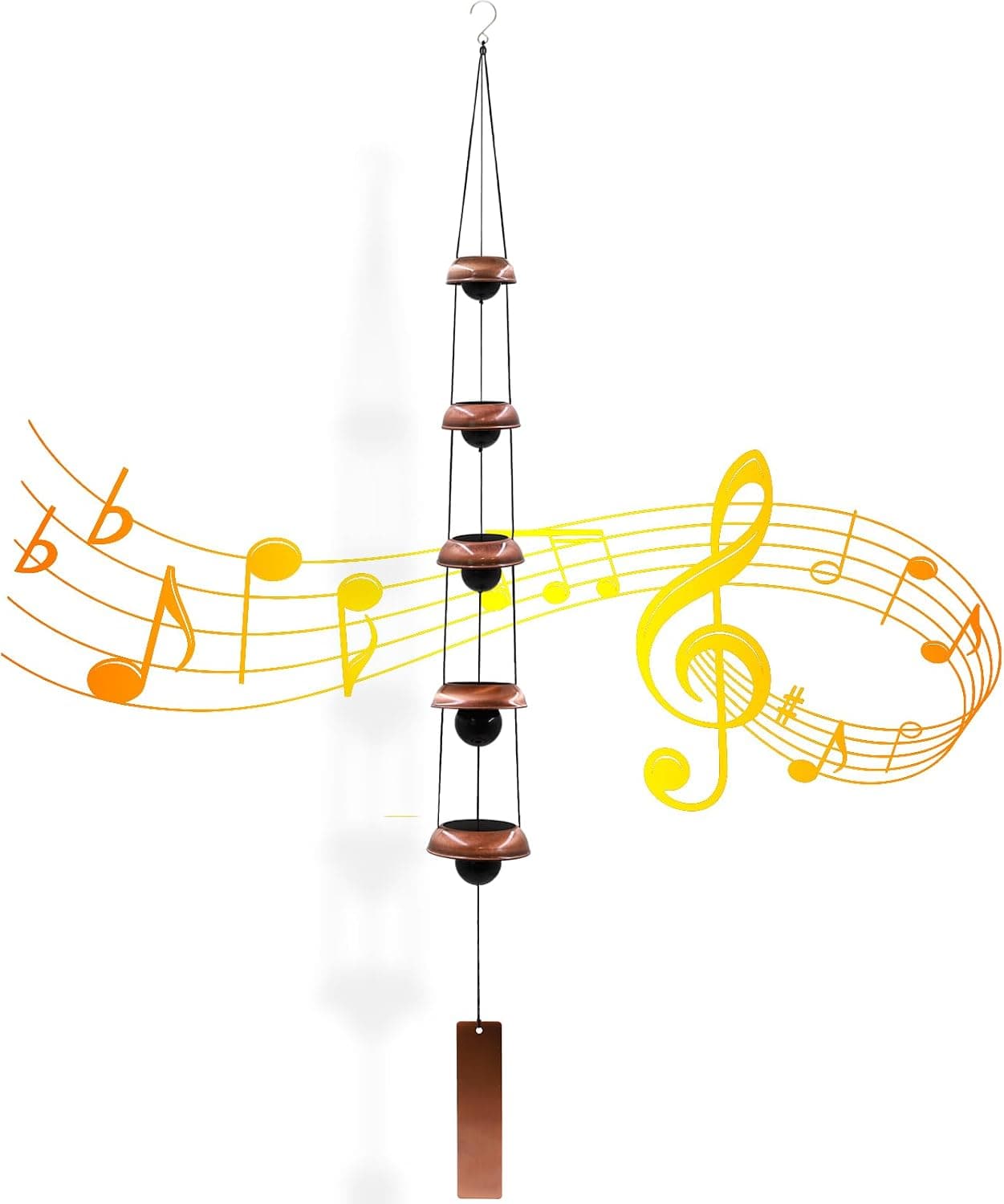 -19%
Wind Chimes for Outside with 5 Bell Unique Copper Musical Chimes Feng Shui Wi...
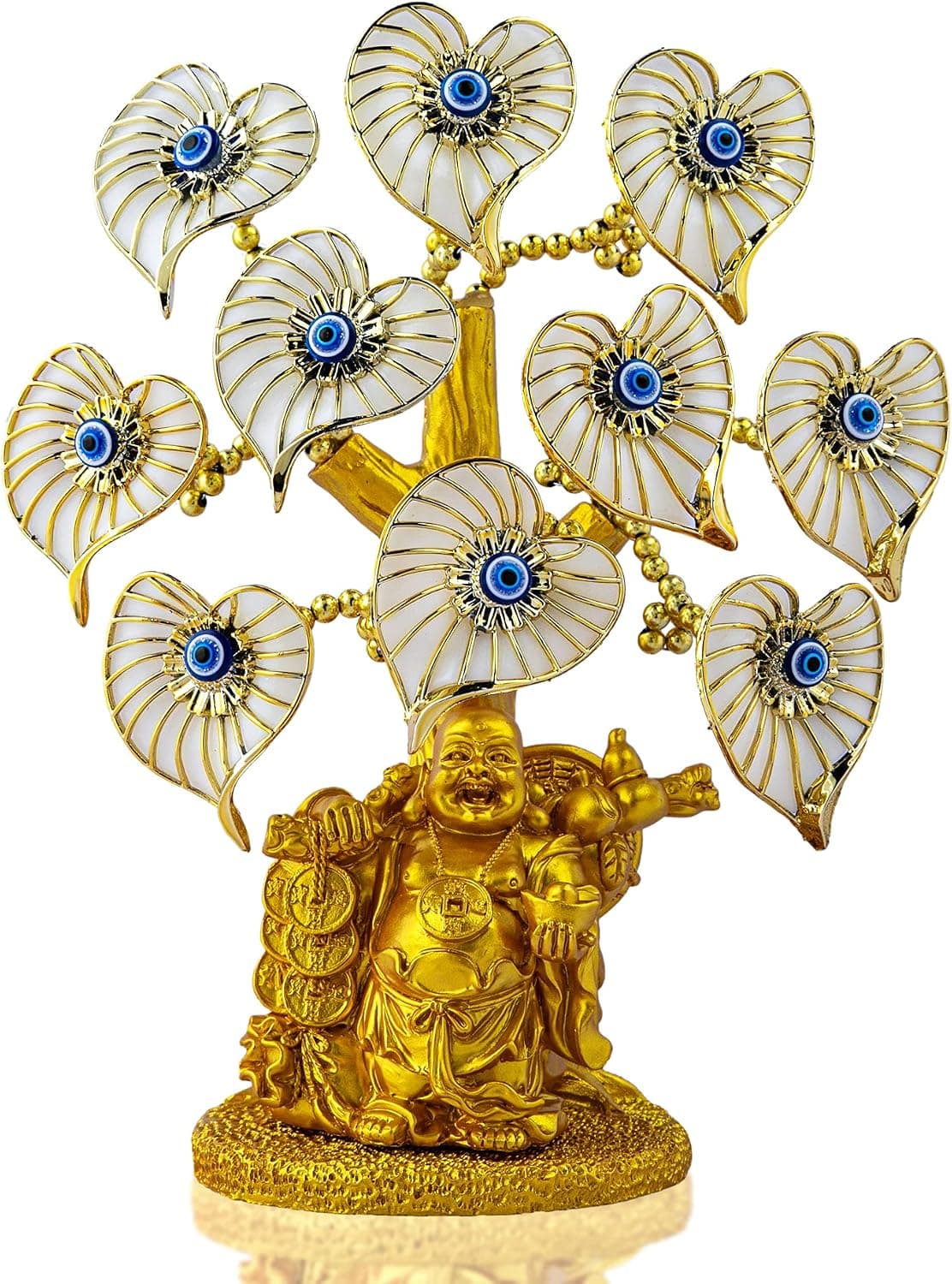 -5%
YU FENG Evil Eye Money Tree, Blue Feng Shui Decor with Golden Buddha
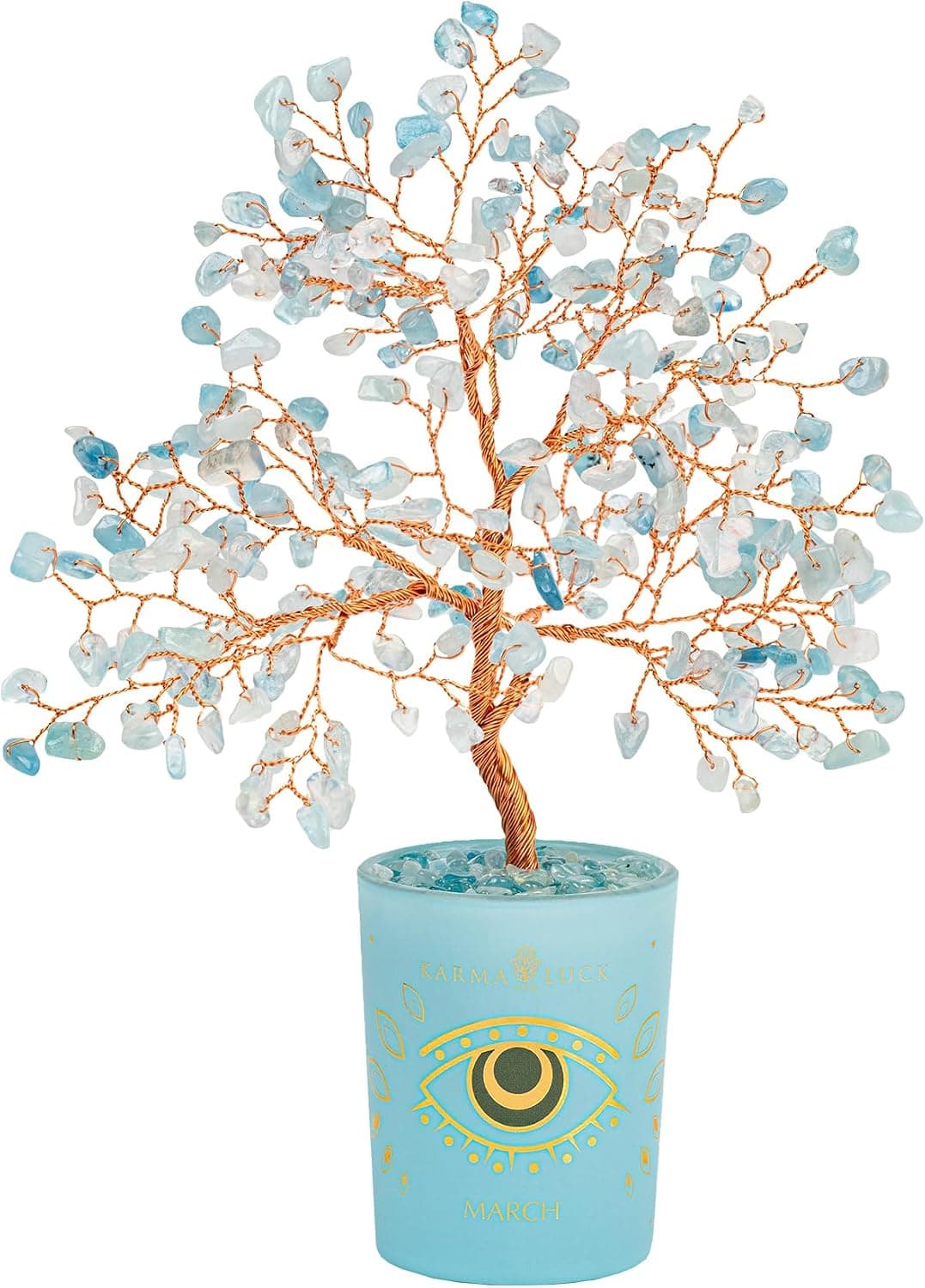 -29%
Karma and Luck March Birthstone Crystal Tree of Life, Aquamarine Gemstone Fen...
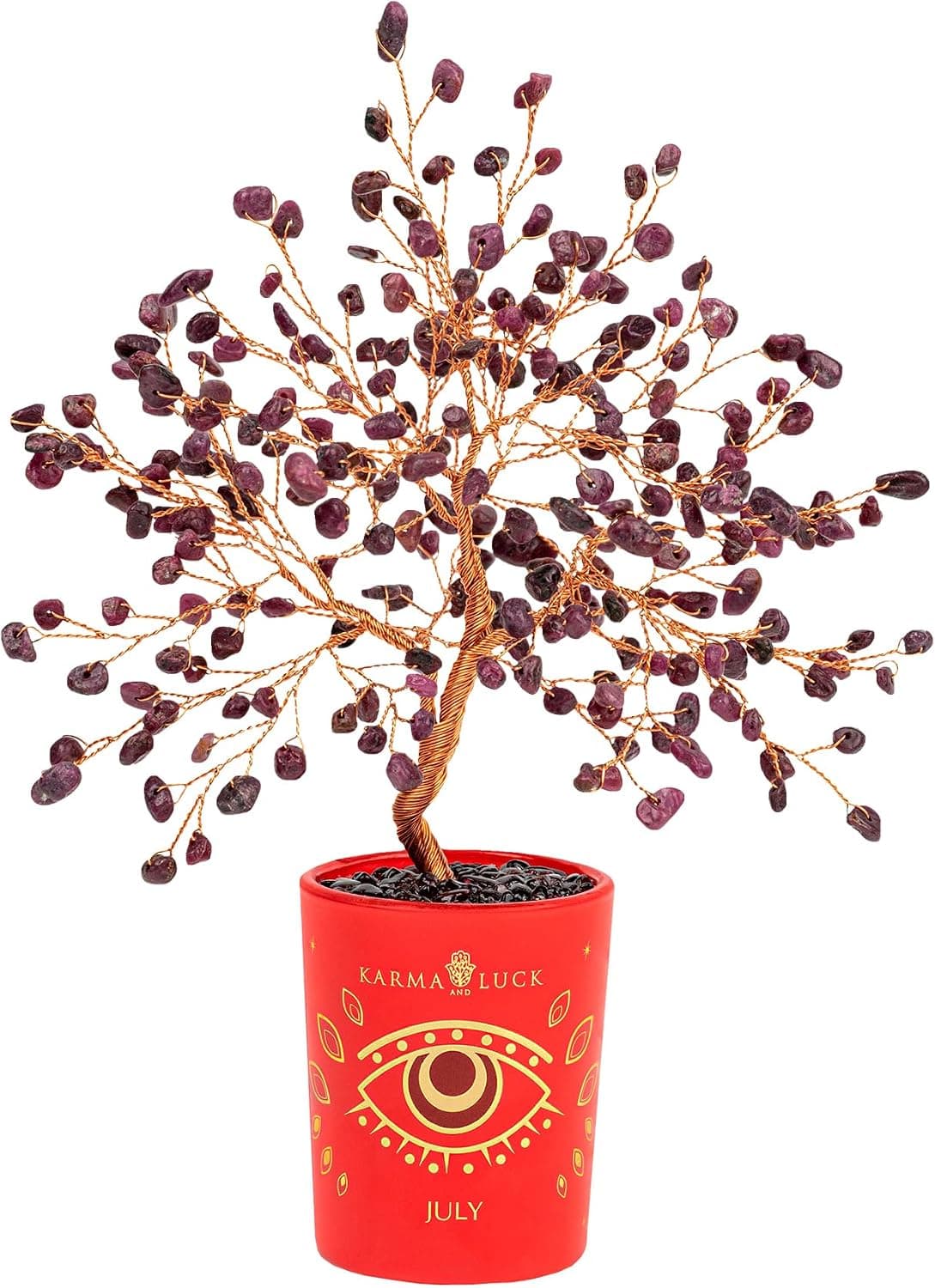 -29%
Karma and Luck July Birthstone Crystal Tree of Life, Ruby Gemstone Feng Shui ...
As an Amazon Associate, we earn from qualifying purchases. We only recommend items our practitioners have personally tested.
Continue Your Journey
Explore these related guides to deepen your understanding:


Ready for Deeper Guidance?
Try our free I Ching reading for personalized wisdom, or explore our curated Feng Shui essentials.