Common recommendations for feng shui living room layout for wealth tend to overlook key principles. Experience reveals a clearer path.
{"title":"Shallow Living Rooms Trap Wealth. Deep Ones Need a Different Fix.","excerpt":"That living room layout advice can backfire the moment depth changes the room’s pull.","content":"
Beyond the Surface of Feng Shui Living Room-layout-for-wealth
Examining Feng Shui Living Room-layout-for-wealth more carefully uncovers details that standard references skip. A layout that feels generous in a deep, narrow room can feel flat and vaguely restless in a shallow one, even when every “wealth” cure is technically in place. I watched this happen in a brownstone living room in Brooklyn: jade plant by the window, brass bowl on the coffee table, red cushions, the couch centered exactly where a blog post said it should be. Two weeks later, the owner said the room felt busier, not richer. Bills were getting paid, but she kept misplacing envelopes and avoiding the sofa after dark.
Depth changes everything. In a shallow room, qi reaches the far wall fast and rebounds with nowhere to gather; in a deep room, it can stall if the seating is pushed too far back. That means the same arrangement can either scatter opportunity or create a heavy pocket that makes people sit on the edge of the chair, glance at the hallway, and leave early. People blame their finances. Usually the room is teaching the habit first. Not magic. Geometry.
Convention survives because it works often enough to look universal. Put the sofa against a solid wall, keep the center open, place something “wealthy” in the left-front area, and the room should cooperate. Fine—if the room has the right proportions. In a shallow space, a large sectional can choke the front of the room and turn the path from door to window into a hard line. In a deep space, the same sectional may leave an unused expanse that feels like a warehouse rather than a living room. That is why <a href="/blog/living room feng shui">the center rules the room more than the corners do, and why the usual advice falls apart when dimension changes the experience.
What people call “good layout” is often just comfortable habit. In practice, you are tuning distance, sightlines, and containment. If you have a shallow living room, shorten the visual run: a lower coffee table, a rug that pulls the seating forward, and a lamp in the back third can make the room feel collected instead of exposed. In a deeper room, create a second stopping point so energy does not vanish into the rear wall—an ottoman, a console with a lamp, even a darker art piece can give the eye a place to land. The trick is not to stuff the room. It is to make the room feel intentional from the doorway to the farthest seat.
I've seen dozens of living rooms where a single “wealth” object was treated like a cure-all. Not even close.
Why shallow spaces behave differently
A shallow living room gives you very little room for acceleration and release. The front door, hallway opening, or main entry sightline can hit the seating area almost immediately, so the room reads as exposed before it reads as welcoming. That is why a heavy coffee table, a thick sofa, or too many upright decorative objects can make the room feel compressed. Wealth luck, in practical terms, likes ease of movement and a clear place to settle. Crowding the first half of the room often creates the opposite: speed without retention.
Try this in a compact apartment living room with a cream rug and a black media console on the short wall. Move the sofa forward by even 10 or 12 inches, then leave breathing room behind it for a slim floor lamp and a narrow side table. The room stops behaving like a corridor. People linger longer. Conversations slow down. Mail gets opened at the table instead of stacked on the console. That is not decoration. That is behavior changing because the room stopped forcing everyone to rush through it.
Depth also alters how the eye interprets value. A shallow room needs restraint because every large object becomes louder. One oversized mirror above the mantel can double the sense of reach, but one oversize plant beside the sofa can make the seating area feel boxed in. Better to use a few lower, stable pieces and let surfaces breathe. This is where <a href="/blog/map guide bagua">mapping the room with a Bagua overlay helps, but only after you account for the room’s proportions. The map tells you where zones sit. The room tells you how strongly they can hold attention.
Why deep rooms fail in a different way
Deep spaces do the opposite. They swallow momentum. You walk in, and the room keeps going. The sofa sits too far from the entry, the back wall disappears into shadow, and the whole space can feel underused even when it is furnished well. People often respond by pushing everything against the walls, thinking they are “opening” the room. Wrong. That usually produces a hard perimeter and an empty middle, like a waiting room with nicer cushions.
Here the fix is to interrupt the long line of travel. A round ottoman, a pair of chairs angled inward, or a low bookcase can create a midpoint where qi can slow and accumulate. I worked once in a long, cedar-paneled lounge in Seattle where the owner had a charcoal sofa, two white leather chairs, and an empty stretch of six feet behind the coffee table. She had followed every general rule she found online. Still, the room felt cold. We added a walnut console about three feet from the back wall, put a warm amber lamp on it, and placed a framed landscape above. Within a month, she told me the room became the one place her clients naturally sat longer. Wealth often starts there: not in a lucky object, but in how long people stay.
The common mistake is assuming depth means more openness equals more benefit. It does not. Too much open distance can make money feel hypothetical, as if it belongs somewhere far off instead of in the current week. A deep room needs a visible midpoint and a back boundary that feels finished. If the far wall disappears into emptiness, the room never lands. If the room lands, spending gets calmer, decisions get less frantic, and the space stops whispering scarcity. That is the part most advice misses.
One more thing: depth changes where the “wealth” corner actually matters. A front-left emphasis can help in some rooms, but in a deep layout the front-left may be too near the traffic path to hold anything. Then the back-left becomes the true anchor because it is the only zone that can actually contain the room’s weight. People hate hearing this because it means there is no universal cure. There is only a fit.
How to work with the room you actually have
Start at the doorway and look across the room without pretending. Where does your eye stop? Where do you want it to stop? Those are not the same question. In a shallow room, the answer usually involves lowering and softening the front half: shorter art, a rug that does not end too close to the sofa legs, and fewer tall objects right by the entry. In a deeper room, the answer often means building a stronger far end: a lamp, a cabinet, a plant with real presence, or a piece of art that can hold the back wall without shouting.
Furniture placement should support conversation before symbolism. Face seating toward each other with a clear view of the door, but do not make the arrangement so rigid that the room feels like a waiting area. A slightly angled chair can do more for prosperity than a row of decorative items because it invites use. Use color with caution. Deep rooms can carry richer tones—smoky blue, ink green, walnut, burgundy—because they need density. Shallow rooms usually do better with quieter surfaces and one stronger accent, like a rust cushion or a bronze tray, rather than a wall of saturated color. For broader color logic, see <a href="/blog/colors feng shui">the room colors that change how a space holds attention.
And yes, the famous left-front money area still matters in some homes. In a square living room with decent depth, a healthy plant or a lamp there can support activity and visibility. But if that corner sits right in the line from the entrance to the couch, it becomes a speed bump. Then the room does not collect; it jolts. In that case, move the emphasis deeper into the room and let the front stay relatively open. Conventional advice persists because it gives people a starting point. It becomes a problem only when they refuse to read the room.
Here is the cleaner test: stand at the doorway, then halfway into the room, then at the back wall. Does the room feel like it is pulling you forward, asking you to leave, or giving you a place to pause? That pause is what you want. Not clutter. Not a showroom. A pause.
One apartment in Chicago had a pale gray sofa, a black metal shelving unit, and a single dusty olive plant in the back-left corner. The owner kept asking why the room felt tense even after she bought “wealth decor.” We removed two end tables, swapped the shelf for a lower walnut cabinet, and left one brass bowl on the coffee table instead of three objects competing for attention. The difference showed up in small ways first: fewer items left on the couch, less evening scrolling, more dinners eaten at home instead of out.
That is the part people miss because it sounds too ordinary. Yet ordinary behavior is where money habits live.
Why the standard advice still keeps coming back
Because it works in enough layouts to keep its reputation. A centered sofa, a clear walkway, a healthy plant, and a sense of openness are not wrong. They are just incomplete. Shallow rooms need compression managed carefully. Deep rooms need containment created on purpose. If you ignore that, you end up copying a photo instead of solving a space.
There is also a psychological reason the conventional approach survives: people love visible cures. A crystal bowl, a red accent, a shiny tray—those are easy to buy and easy to show off. But money behavior does not change because a room looks “done.” It changes when the room stops asking the nervous system to brace itself. That means avoiding the common traps discussed in <a href="/blog/money corner mistakes feng shui">the mistakes that quietly undo a wealth setup, especially oversized objects in the wrong depth zone and decor that blocks circulation.
So when does the standard advice hold up? In medium-depth rooms with balanced light, clear entry sightlines, and enough wall space to anchor furniture without crowding. Then the classic approach works nicely. When does it fail? In rooms that are either too shallow to absorb momentum or too deep to finish the visual sentence. Same object, different effect. Same room type, different outcome. That is why the backfire story matters. Someone followed the instructions perfectly, and the room still felt off because the room was asking a different question.
Questions people ask before they finally trust the room
Is conventional Feng Shui Living Room-layout-for-wealth advice reliable?
Often, no—not without adjustment. The advice tends to assume a middle-of-the-road room shape, and most homes are not built that neatly. Use it as a draft, then let the room’s depth tell you where it needs containment or release.
How do I know if my room is shallow or deep enough to matter?
Walk from the doorway to the far wall and notice your body, not your opinion. If the room feels over before it begins, it is shallow in practice; if the far end seems to disappear, it is deep enough to need a midpoint anchor. A tape measure helps, but the way you move through the space tells the better story.
Should I still use a wealth corner if the layout is awkward?
Use it only if it can actually hold attention. A cramped front-left corner by the main path may need to stay light, while a quieter back zone can become the real anchor. Surprise: sometimes the “money corner” is less important than the wall opposite it.
What if I already bought the wrong decor?
Keep the piece if it serves the room, not the idea. A crystal or metal bowl can work, but not if it competes with traffic or makes the room feel shiny and restless. Placement does more than price. Always.
The room will tell on you eventually. A chair nobody uses, a lamp that feels too bright after 8 p.m., a corner where papers gather as if by habit—those are the quiet clues. If you listen, you may find that wealth was never waiting in the object you bought. It was waiting in the distance between the door and the place where you finally sit down.
","meta_title":"Shallow Rooms Need Different Wealth Layouts | IChingWisdom","meta_description":"living room layout for wealth feng shui works differently in shallow vs deep rooms. Learn how depth changes flow, focus, and retention.","keywords":["living room layout for wealth feng shui","living room wealth layout","feng shui living room","wealth corner placement"],"schema_json":{"faq":[{"question":"Is conventional Feng Shui Living Room-layout-for-wealth advice reliable?","answer":"Often, no—not without adjustment. The advice tends to assume a middle-of-the-road room shape, and most homes are not built that neatly. Use it as a draft, then let the room’s depth tell you where it needs containment or release."},{"question":"How do I know if my room is shallow or deep enough to matter?","answer":"Walk from the doorway to the far wall and notice your body, not your opinion. If the room feels over before it begins, it is shallow in practice; if the far end seems to disappear, it is deep enough to need a midpoint anchor. A tape measure helps, but the way you move through the space tells the better story."},{"question":"Should I still use a wealth corner if the layout is awkward?","answer":"Use it only if it can actually hold attention. A cramped front-left corner by the main path may need to stay light, while a quieter back zone can become the real anchor. Surprise: sometimes the “money corner” is less important than the wall opposite it."},{"question":"What if I already bought the wrong decor?","answer":"Keep the piece if it serves the room, not the idea. A crystal or metal bowl can work, but not if it competes with traffic or makes the room feel shiny and restless. Placement does more than price. Always."}],"amazon_products":[]}Mei Chen
Traditionally informed guidance • Cross-referenced with classical Chinese source texts
Content draws from both Compass (Luopan) and Form (Xingshi) school traditions. Illustrative examples are composites based on consultation experiences.
Practitioner-Selected Tools for This Topic
Items our team has tested and found effective for the principles discussed above. Individual results may vary.
 -19%
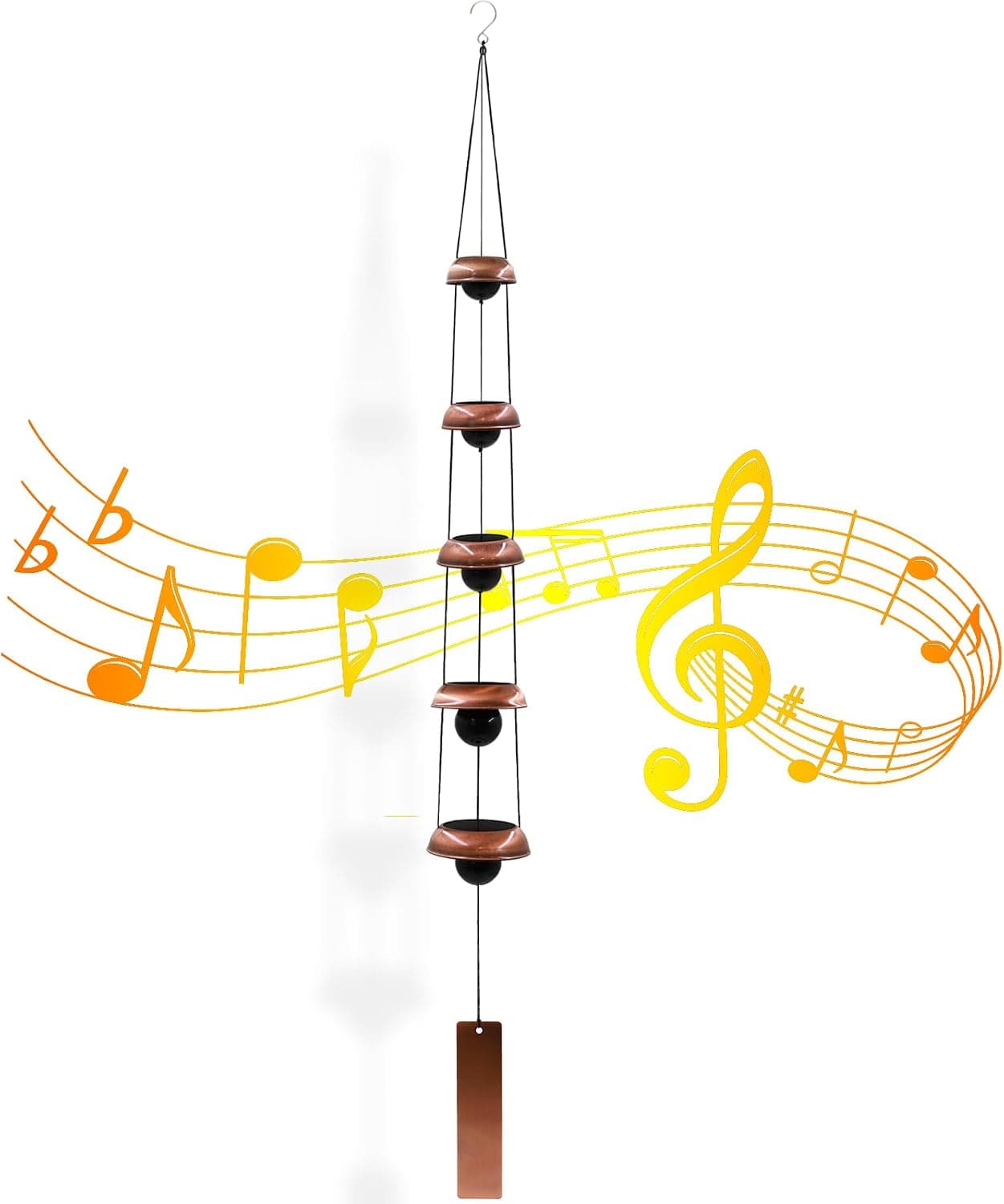
-19%Wind Chimes for Outside with 5 Bell Unique Copper Musical Chimes Feng Shui Wi...
 -5%
-5%YU FENG Evil Eye Money Tree, Blue Feng Shui Decor with Golden Buddha
 -29%
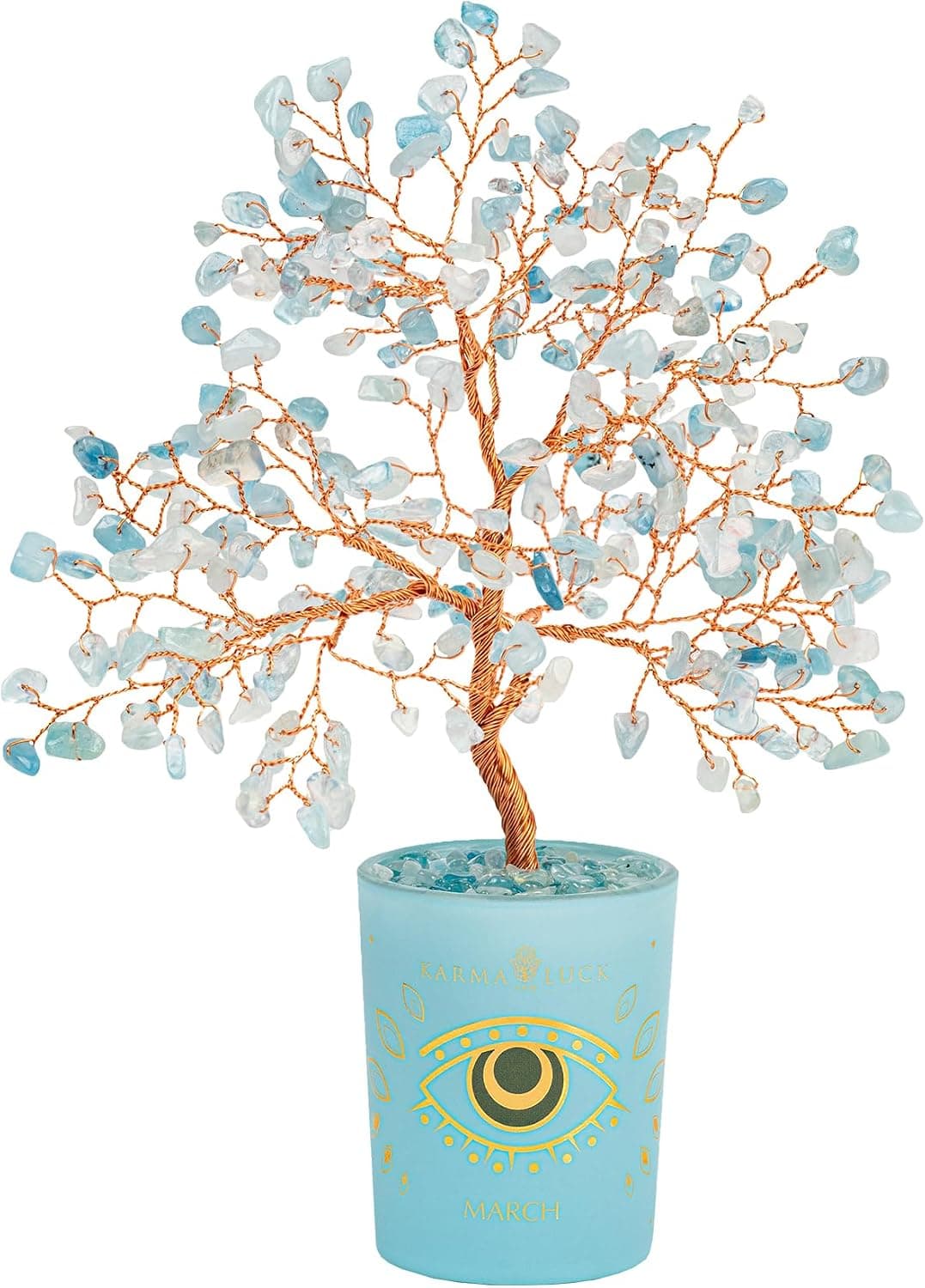
-29%Karma and Luck March Birthstone Crystal Tree of Life, Aquamarine Gemstone Fen...
 -29%
-29%Karma and Luck July Birthstone Crystal Tree of Life, Ruby Gemstone Feng Shui ...
As an Amazon Associate, we earn from qualifying purchases. We only recommend items our practitioners have personally tested.
Continue Your Journey
Explore these related guides to deepen your understanding:


Ready for Deeper Guidance?
Try our free I Ching reading for personalized wisdom, or explore our curated Feng Shui essentials.