A living room feels right when circulation, sightlines, and seating stop fighting each other.
When the sofa felt wrong
The room changed the moment the sofa moved six inches off the wall. Not a dramatic relocation. Just enough space to stop the back of the sofa from pressing into the wall like a piece of luggage jammed in a hallway.
In that house, the entry opened directly into the living room, and people had been squeezing around the sofa arm as if it were a gate. Once the sofa shifted, the path from the front door to the kitchen felt calmer. The room still looked familiar. It just stopped feeling combative.
That small adjustment is the kind of thing people miss when they search for a feng shui living room layout. They want a rule. What they usually need first is a room that can breathe.
The living room is not a display shelf. It is a circulation space, a gathering space, and often the first place guests read the home’s personality. If the layout blocks movement, the room starts broadcasting tension before anyone sits down.
I’ve seen plenty of homes where the decor was lovely and the room still felt exhausting. The sofa was too close to the doorway, the coffee table was too large, or every chair faced the television like worshippers at a screen. That is not a styling problem. That is a spatial one.
Why the layout changes how the room feels in daily use
Feng shui does not float above architecture. It works through it. Circulation lines, threshold conditions, and proportion all shape how a room behaves, whether the homeowner names those forces or not.
When people can see the entry without sitting directly in its line, their bodies soften. That is not mystical language; it is human nervous system logic. Visibility reduces alertness. A solid backing behind the sofa adds a sense of support. Together, those two conditions make conversation easier and wandering traffic less intrusive.
That is why the best living room arrangement rarely puts the main sofa in the middle of chaos or flat against every wall by default. The main seat needs a stable anchor. The rest of the room needs room to move.
For a deeper look at how a room’s energetic pattern is read in the first place, the bagua map helps, but only after the physical arrangement stops working against itself.
Balanced seating also changes behavior. A room with one sofa and two angled chairs says, clearly, “This is for people.” A room with one oversized couch and nothing else says, “Watch TV and leave.” Subtle difference. Big effect.
Soft light at the edges and brighter light over the seating zone can make that social center feel intentional without turning the room into a stage set. Wood, linen, wool, and matte surfaces do similar work. They absorb some of the visual noise that glossy, over-decorated rooms create.
Where the sofa, chairs, and coffee table actually belong
The main sofa should usually behave like the anchor of the room, not the object everyone has to avoid. If possible, place it with a wall or strong architectural element behind it, then keep a clear sightline toward the entry. You want support without exposure.
Secondary chairs should angle inward enough to support conversation. If every seat points straight at the television, the room loses its social shape. I’ve seen a narrow room in which two chairs were pushed against the side wall, both staring at a screen on the far end. Once those chairs were rotated into the conversation zone and the sofa was centered more deliberately, the room stopped feeling like a corridor with furniture.
The coffee table matters more than most people think. Too large, and it blocks knees and movement. Too small, and the room feels unfinished, like the center is missing. The right scale leaves comfortable clearance around the seating loop so people can pass without turning sideways.
That loop is the practical heart of a good feng shui living room layout. You should be able to walk around the seating cluster without bumping a shin, and you should be able to cross the room without cutting through the middle of a conversation.
Surprising to some homeowners, floating the sofa slightly away from the wall often improves the room. It creates a soft pocket of space behind the seat and reduces the feeling that people are pinned to the perimeter. Even three to six inches can change the sense of ease.
For readers comparing room treatment with other parts of the home, the logic differs from a bedroom arrangement. A bedroom wants stillness. A living room wants interaction without cluttered movement.
One open-plan apartment I worked around had a dining table, a sofa, and a kitchen island all competing in one field of view. The fix was not more decor. A rug defined the living zone, the sofa back became a soft threshold, and a single side chair marked the edge without blocking it. The room finally knew where it began.
How room shape changes the right arrangement
A square living room forgives mistakes more easily than a long narrow one. In a square room, the seating can form a balanced cluster with room on all sides. In a narrow room, the temptation is to line everything against the walls and hope it looks larger. It usually looks more anxious.
In long rooms, place the social center across the width rather than letting furniture race down the length like train cars. A sofa near the center with chairs angled toward it can interrupt the tunnel effect. A rug helps define the pause. Cooler wall colors can also make the narrow space feel a little wider, while warm accents keep it from feeling sterile.
L-shaped rooms need a different kind of discipline. One leg of the shape often becomes the circulation route, and the other becomes the gathering pocket. If you treat both zones as the same, the room feels split and awkward. If you let each zone do one job, the space starts to read clearly.
In design terms, proportion is doing half the work. Oversized furniture overwhelms a small bay and makes the room feel crowded. Underscaled furniture makes a large room feel unresolved, as if someone forgot to finish the plan. Size your pieces to the room’s actual volume, not to the catalog photo.
That rule applies even more strongly in older homes with bay windows, niches, or odd jogs in the walls. Those features are not flaws to cover up. They are structural cues. Work with them, and the room settles.
For color decisions that support this kind of layout, the meaning of color in feng shui can help you choose between opening, grounding, or warming the space.
Architecturally, every room has movement lines. People enter, pause, turn, and gather in predictable ways. Good feng shui does not fight those lines. It follows them. That is why a sofa blocking the natural entry route feels wrong even when it looks symmetrical in a photo.
When the TV, entry, and focal point compete
The television is a loud object. Sometimes literally, always visually. If it becomes the only focal point, the room stops supporting human interaction and starts serving passive viewing. That may be fine for a media room. It is not ideal for a living room.
If the entry and TV face each other directly, the room can feel exposed. The eye has nowhere to rest. In that case, a side chair, console, or lamp may be enough to create a gentler transition so the first view is not all screen and traffic.
One narrow living room with a TV on one end and a window on the other was reorganized around conversation instead. The sofa faced inward enough to hold the center. Two chairs turned toward the sofa rather than the screen. The TV remained, but it stopped bossing the room around. The change was immediate: people sat longer, talked more, and seemed less restless.
That happened because the room finally had a legible social core. Design-wise, the sofa became the anchor, while the chairs acted as supporting elements rather than scattered accessories. Feng shui-wise, the room had a place where qi could gather instead of racing straight through the door and out the window.
If the television cannot move, treat it as a secondary feature rather than the altar of the room. Use art, a lamp, a plant, or even the shape of the rug to shift emphasis back to the seating. A room can have a screen and still be a room. It just cannot let the screen dominate every line of sight.
That principle is one reason people often feel calmer in a living room that has a clear loop around the seating zone. Movement becomes easy. Attention becomes shared. The room stops feeling like an obstacle course.
Small adjustments that change the whole room
Here is where practical feng shui becomes tangible: move the largest piece first, not the smallest. A throw pillow will not fix a bad layout. A sofa, chair, or rug can.
Start by standing at the entry and looking at where your eye goes immediately. If it lands on the back of a chair, the side of a sofa, or a TV that dominates the view, ask whether the room is welcoming or just filled. Then check the path from the door to the main seating area. That path should feel direct, not pinched.
Next, test the seating from a human height. Sit on the sofa. Can you see the entry without feeling drafted by it? Stand up. Can you cross the room without turning sideways? If the answer is no, the layout is still arguing with the room.
Soft edges help more than most people expect. A rug with enough size to hold the front legs of the sofa and chairs can knit the room together. A side table with a matte surface can reduce glare. A floor lamp can brighten a dark corner and make the room feel deeper. These are design moves, but they also change how qi collects and moves.
Sometimes the fix is simply to stop forcing symmetry where it does not belong. An open-plan apartment may need a sofa back to act as a threshold between dining and living areas. A square room may need two matching chairs. A long room may need one powerful anchor and one or two lighter supporting pieces. The room decides, if you are willing to look.
When you want the larger principles that govern these room-specific choices, it helps to compare them with the broader framework in living room feng shui principles. This page narrows the question to layout; that one widens it back out.
Even the materials matter. Wood grounds. Linen softens. Wool quiets a room. Too many reflective or slick surfaces can make a living room feel restless, as if every object is trying to compete for attention. A calmer room usually has fewer arguments between materials.
That is why a living room that looks “finished” in a magazine can still feel wrong at home. Photographs reward density and drama. Daily life rewards circulation, comfort, and the quiet confidence of knowing where to sit, where to walk, and where the room begins.
What the room is really asking for
The deeper question is not whether your living room follows a rule. It is whether the room supports the way people actually use it. If guests enter and immediately feel where to pause, where to sit, and how to move, the layout is working.
That is the practical side of feng shui. Not superstition. Not decoration. Clear movement, visible support, and a center that invites connection.
When the sofa, chairs, and coffee table cooperate, the room gets quieter. Not empty. Quieter. And that difference is exactly what makes a home feel more settled.
So if your living room feels oddly tense, do not start with accessories. Start with the biggest pieces, the entry path, and the sightline. The rest tends to follow.
FAQ
Should the sofa always face the door? Not directly. A better arrangement lets you see the entry from a comfortable angle without putting your body in the same line as the door. That feels more relaxed and less exposed.
Can a living room work if the TV is the main focal point? It can, but the room usually becomes more about viewing than gathering. A better approach is to make the seating area the social center and let the TV sit inside that structure instead of controlling it.
What if my room is small and I cannot create a perfect loop? A small room still benefits from clear circulation and one obvious seating core. Even a partial loop, a properly scaled coffee table, and a sofa that is not jammed into the doorway can make the room feel far easier to use.
Mei Chen
Traditionally informed guidance • Cross-referenced with classical Chinese source texts
Content draws from both Compass (Luopan) and Form (Xingshi) school traditions. Illustrative examples are composites based on consultation experiences.
Practitioner-Selected Tools for This Topic
Items our team has tested and found effective for the principles discussed above. Individual results may vary.
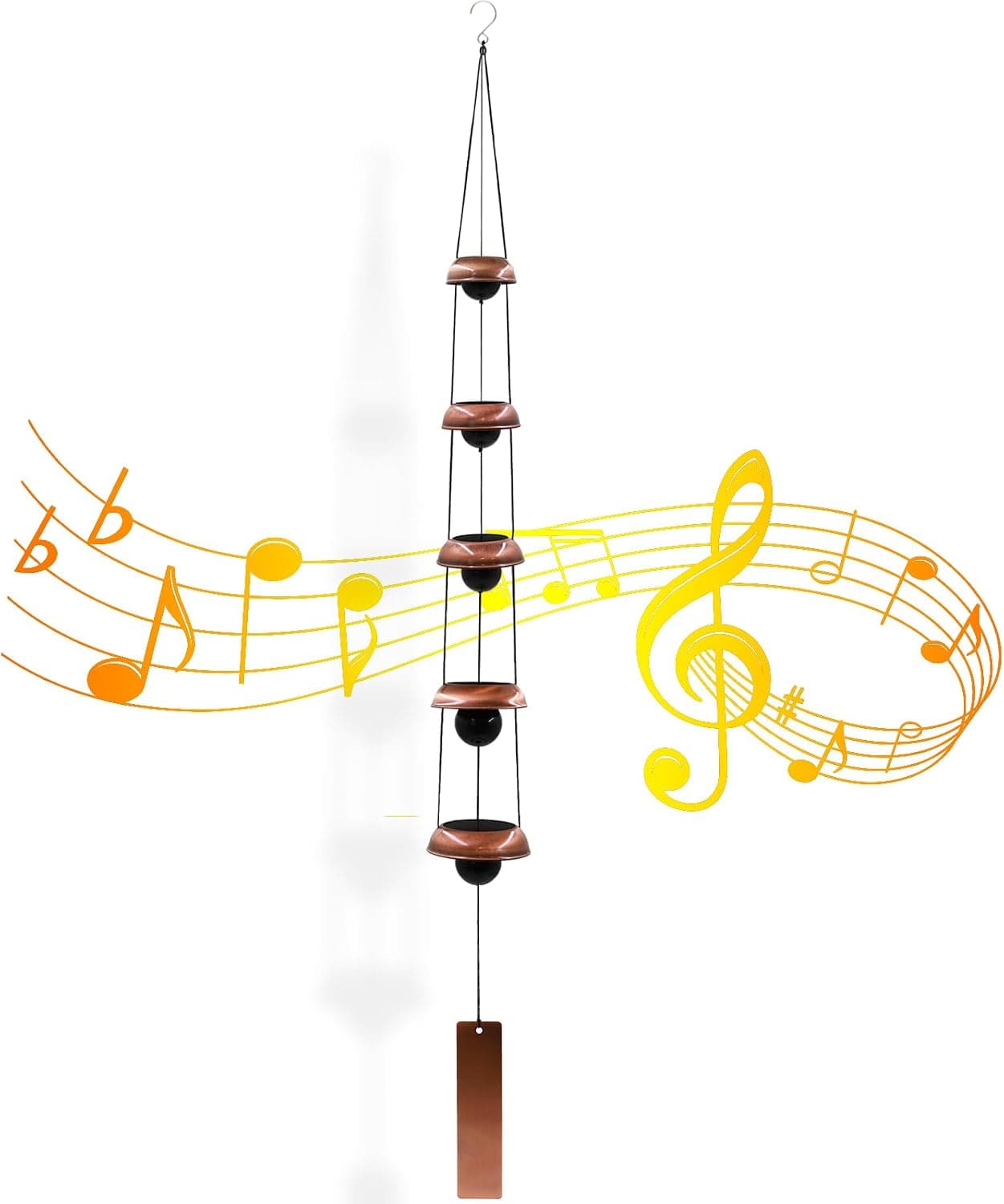 -19%
-19%Wind Chimes for Outside with 5 Bell Unique Copper Musical Chimes Feng Shui Wi...
 -5%
-5%YU FENG Evil Eye Money Tree, Blue Feng Shui Decor with Golden Buddha
 -29%
-29%Karma and Luck March Birthstone Crystal Tree of Life, Aquamarine Gemstone Fen...
 -29%
-29%Karma and Luck July Birthstone Crystal Tree of Life, Ruby Gemstone Feng Shui ...
As an Amazon Associate, we earn from qualifying purchases. We only recommend items our practitioners have personally tested.
Continue Your Journey
Explore these related guides to deepen your understanding:


Ready for Deeper Guidance?
Try our free I Ching reading for personalized wisdom, or explore our curated Feng Shui essentials.