The wrong walkway can cancel an otherwise careful color scheme before anyone notices why the room feels off.
The Hidden Truth About living room colors feng shui-2026
I keep seeing living rooms painted in the “right” shades — warm sand, soft terracotta, muted sage — yet the space still feels jumpy the moment you cross the room. The problem usually isn’t the paint. It’s the path.
In one case that still sticks with me, a second-floor living room had pale apricot walls, a cream rug, and a deep blue velvet sofa placed against the longest wall. On paper, the room looked balanced. In practice, everyone walked straight from the hallway door to the balcony door along a narrow line that sliced between the sofa and the coffee table. People never lingered near the window seat; they dropped bags by the entry, kept moving, and the room never settled. Color can support a room, but it can’t rescue a traffic pattern that keeps tearing the space open.
That is the part most advice skips. A color scheme does not float above the floor plan like a banner. It meets feet, corners, thresholds, elbows, and door swings. If the main walking route cuts through the center of the seating area, strong reds can feel agitating, pale grays can feel washed out, and even earthy tones can read as dead weight. The room’s movement decides how the palette lands.
And yes, that means a home can follow the latest color recommendations and still feel wrong. Strange, maybe. Common, absolutely.
For a broader map of how rooms hold and lose qi, see how to map energy in your home without overthinking it. Once you know where movement concentrates, the paint choice stops being guesswork.
Why the walking path changes everything
Color works through attention. When you enter a living room, your eyes follow motion first, then contrast, then rest. A clear path that runs beside the seating area gives the eye a place to settle; a path that cuts across it keeps the body alert. That alertness changes how you read the wall color, because your nervous system is already bracing for the next step.
Think of a north-facing room with a black media console, a rust-colored throw, and a narrow strip of floor between the coffee table and the front window. If that strip is the main route to the kitchen, the dark console starts to feel heavier than intended. People do not describe it as “too much black.” They say the room feels tight, even when the furniture is expensive and the paint is current.
Walkways also dictate where qi slows down. A broad path around the edge of a room lets energy circulate and lets color read as atmosphere. A straight line through the middle creates a constant draft of attention. The room becomes a corridor wearing living-room clothes.
That is why some homes need fewer color adjustments and more spatial correction. Move the body, and the palette changes with it.
Want a deeper look at how flow gets distorted in compact layouts? the L-shaped apartment problem that quietly breaks feng shui shows how circulation shapes everything from comfort to conversation.
One more thing: people often blame the sofa color before they notice the route around the sofa. That habit wastes time.
Where color succeeds, and where it fails
Color succeeds when it supports a zone. A seat meant for long conversation can handle richer, grounded tones — clay, olive, tobacco, deep teal — if the traffic moves around that zone instead of through it. Those shades give the body a sense of enclosure. They make people sit down, set down the phone, and stay.
Color fails when it tries to compensate for constant interruption. I’ve seen a room with soft blush walls, brass lamps, and a beautiful wool rug lose all coherence because the route from the kitchen to the patio crossed the front edge of the sofa. Guests never saw the room as a place to settle. They saw a passage with decoration.
So the question is not, “Which color is lucky?” It’s, “Which part of the room gets walked through every day?” A burnt sienna accent wall near a calm seating pocket can feel rooted. Burnt sienna on the wall beside the door swing may feel like it is leaning forward, impatient.
That’s the subtlety people miss. Color needs a role.
If you want the underlying pattern behind that role, five elements theory explains why good feng shui still feels wrong even when the decor looks finished.
There’s also the matter of brightness. Rooms with a strong through-path often do better with quieter wall colors and more saturated details in the seating zone. A pale room can survive a busy route if the line of movement is low-contrast and the furniture edges are soft. A high-contrast room with a hard walkway tends to feel brittle. That brittleness shows up fast: conversations shorten, the TV volume creeps up, and nobody wants to read in the corner near the lamp.
One sentence matters here: placement beats trend.
The case of the over-corrected lounge
A west-facing living room I reviewed last spring had been painted for “2026 harmony” in muted ivory, pale moss, and a warm cinnamon accent wall. The owners had also added new cushions in dusty rose and a ceramic bowl by the entry. It should have been calm. Instead, the room felt oddly restless by 7 p.m., especially when the overhead fan was on.
The cause was not hidden in the palette. The main route from the front door to the stair landing cut diagonally across the rug, right in front of the sofa’s left arm. Every person entering the room interrupted the same visual field. The owners had painted for stillness, but the room’s movement kept resetting the mood. The result was a kind of quiet irritation: people sat for ten minutes, then drifted to the kitchen.
We shifted the coffee table three feet toward the window, rotated the rug so its long edge aligned with the room’s perimeter, and replaced the diagonal pass-through with a side route that hugged the bookshelf. Suddenly the same cinnamon wall read as warm rather than pushy. The pale ivory stopped feeling blank. The room had somewhere to rest.
That is the diagnostic order I use: first the route, then the anchor points, then the color temperature. People want the reverse because paint is easier to buy than space is to rethink.
A small adjustment in the center of the room can do more than a full repaint. That surprises people. It shouldn’t.
For related placement logic, the mistakes around the threshold problem behind wealth corner mistakes are worth reading, because a room’s edge often controls the whole field.
And if your eye keeps landing on the wrong objects while you walk, check kitchen knives carry more energy than you'd think — here's why placement matters. Sharp lines at a sightline can pull a room tense in the same way a bad path can.
What to change before you change the paint
Start by standing at the main doorway and tracing the route your body actually takes. Not the route you wish it took. Watch for the line from entry to window, entry to hallway, or sofa to balcony door. If that line cuts across the center of conversation, you have a traffic problem before you have a color problem.
Then look at what the path touches. A gray wall can feel soothing if the route brushes past a plant and a low lamp. The same gray can feel flat if the route runs beside a dark console, a tall black speaker, and a mirror that throws movement back into the room. The objects along the path act like signposts; they tell the body whether to slow down or keep going.
Use warmer hues where the room needs gathering and quieter tones where movement must stay light. A dining-adjacent lounge often tolerates terracotta or ochre near the seating pocket because those shades encourage pause. A narrow passage through the room often needs softer bone, oat, or misty green so the eye can move without strain. Don’t plaster a bold color onto a corridor and expect it to behave like a sanctuary.
Furniture shape matters too. Rounded edges can soften a route that brushes close to the seating area. A square coffee table jammed into a high-traffic line creates tiny collisions all day long: knees bump, trays wobble, and the room becomes physically memorable for the wrong reason. That tactile friction changes how color is felt.
Last, check the threshold. A doorway that points straight into the center of the seating area can make even a beautiful palette feel exposed. Shift the visual weight with a taller plant, a floor lamp, or a screen of books so the room has a place for the eye to land before it crosses through.
Some people treat this as decoration. It’s not. It’s choreography.
For a room that needs stronger containment, turning a bedroom into a sanctuary requires less than you'd think gives a useful contrast: bedrooms want enclosure; living rooms want circulation without disruption.
One short warning: don’t chase “2026 colors” while ignoring your floor plan. Trends travel faster than your body can relax.
Common mistakes that make the room feel wrong
People often paint the longest wall a bold tone because it looks dramatic in a sample photo. That can work in a still room, but if traffic runs parallel to that wall, the color becomes a moving backdrop and never settles into presence. The result is restlessness near the seating zone and visual fatigue by evening.
Another familiar misstep is placing a mirror opposite the main route. The idea sounds clever: reflect light, enlarge the room, brighten the color. In practice, it can double movement and make the path feel busier than it is. I’ve watched a beige room with excellent natural light turn buzzy because every passerby was reflected back at full scale.
Overloading the center is another trap. A huge ottoman, oversized basket, or low table can choke circulation so badly that the eye starts to read the color as clutter. The palette may be fine; the body simply cannot move cleanly around it.
Then there’s the habit of using too many “safe” neutrals in a room with no visual anchor. Safe does not mean settled. Without one grounded point — a deeper rug border, a wood console, a darker chair — the neutral field can look unfinished, especially when people keep crossing it.
And yes, the popular idea that every living room should be bright and airy deserves a hard look. Some rooms need depth, not glare. Too much light on a through-path makes a room feel exposed, as if everyone is on display while they walk across it.
If the layout still feels slippery after these checks, the issue may be the room’s structure rather than the color family. That is where a more complete reading helps. A good place to start is the alcove advantage that changes a front door fast, because the entry sets the tone for everything that follows.
FAQ
Is conventional living room colors feng shui-2026 advice reliable?
Often not by itself. A color chart can tell you which tones are generally supportive, but it cannot see the route people take through the room, and that route changes how the palette behaves. If the walkway slices through the seating area, the color advice may look correct and still fail in daily use.
Should I repaint first or fix the furniture layout first?
Fix the layout first. Paint is the last layer the body notices, not the first factor shaping comfort. Once the walking line is calmer, you’ll usually need less dramatic color correction than you thought.
Can a small living room still use deeper colors?
Yes, if the circulation is clean. A compact room with one clear path and a defined seating pocket can handle a deeper wall or a richer rug without feeling cramped. The trouble starts when furniture and movement fight for the same strip of floor.
What if my landlord won’t let me paint?
Use rugs, throws, lamps, and artwork to create a clearer visual route. Surprising, but a well-placed lamp near a doorway can do more for the room’s tone than a gallon of paint in a bad location. Think in layers, not permissions.
Could the wrong color really affect how people behave in the room?
Absolutely. A room that feels visually interrupted makes people move faster, sit shorter, and speak less freely. I’ve seen the same furniture invite a long conversation in one arrangement and a rushed cup of tea in another; the path changed the mood before anyone had time to name it.
The odd part is that the fix can be so ordinary: one chair moved six inches, one route opened beside the bookshelf, one wall left quiet instead of loud. After that, the paint stops shouting and starts breathing. But walk into the room at dusk, when the hallway light hits the rug edge, and tell me the path still doesn’t matter.
Mei Chen
Traditionally informed guidance • Cross-referenced with classical Chinese source texts
Content draws from both Compass (Luopan) and Form (Xingshi) school traditions. Illustrative examples are composites based on consultation experiences.
Practitioner-Selected Tools for This Topic
Items our team has tested and found effective for the principles discussed above. Individual results may vary.
 -19%
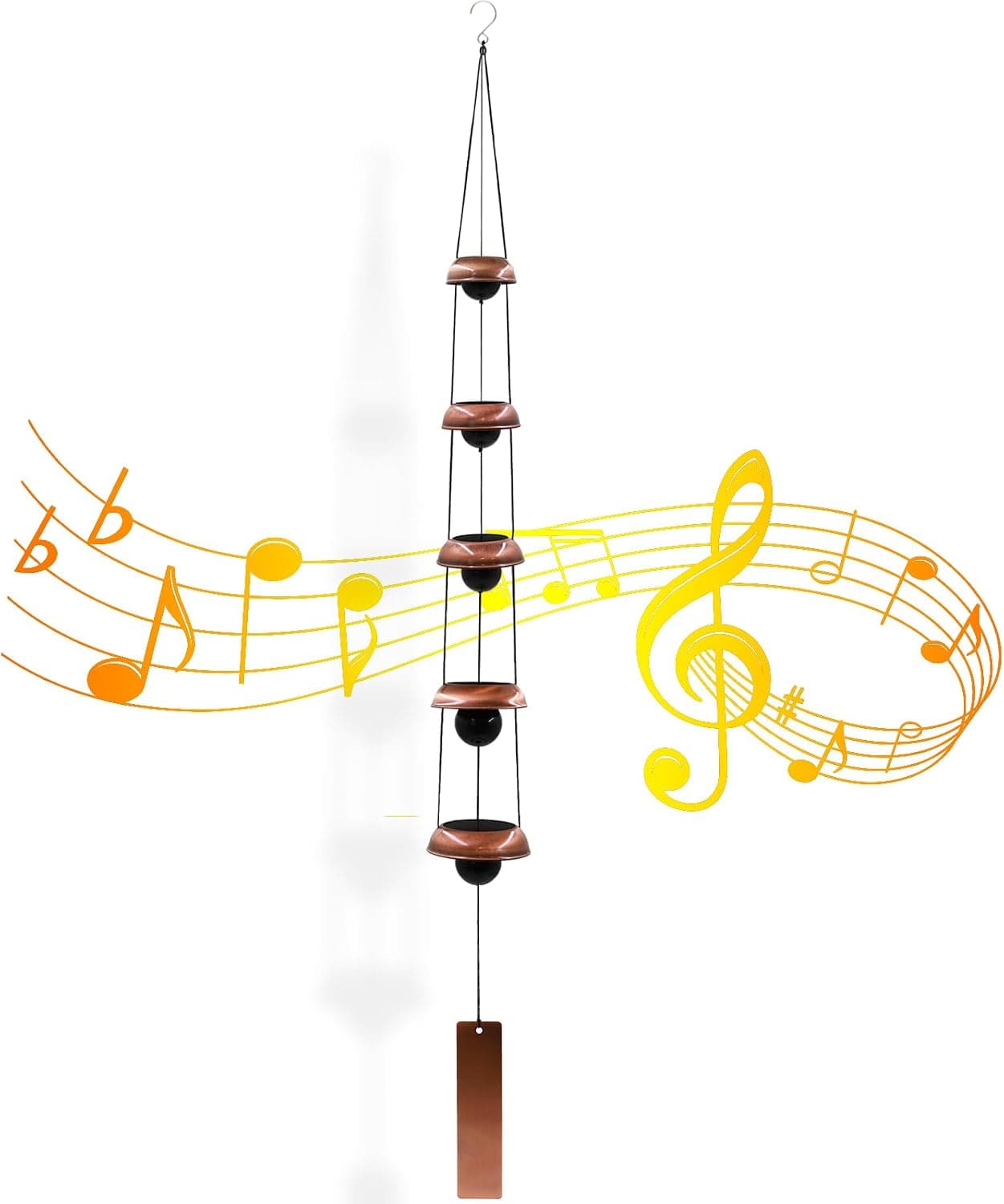
-19%Wind Chimes for Outside with 5 Bell Unique Copper Musical Chimes Feng Shui Wi...
 -5%
-5%YU FENG Evil Eye Money Tree, Blue Feng Shui Decor with Golden Buddha
 -29%
-29%Karma and Luck March Birthstone Crystal Tree of Life, Aquamarine Gemstone Fen...
 -29%
-29%Karma and Luck July Birthstone Crystal Tree of Life, Ruby Gemstone Feng Shui ...
As an Amazon Associate, we earn from qualifying purchases. We only recommend items our practitioners have personally tested.
Continue Your Journey
Explore these related guides to deepen your understanding:


Ready for Deeper Guidance?
Try our free I Ching reading for personalized wisdom, or explore our curated Feng Shui essentials.