A Laughing Buddha works best when its placement matches the room, the season, and the intention behind it.
When the season changes, the statue should move with it
In early spring, I would move a Laughing Buddha from a dark hallway to a bright entry shelf before doing anything else, because the object needs to meet the household at the point where energy enters. The difference is immediate: morning light lands softly on the surface, the hallway stops feeling like a dead stretch, and the front of the home starts to read as an invitation rather than a pass-through. That shift matters in front door feng shui because entrances shape the first impression the whole house makes.
Seasonal adjustment is not decoration. It is timing.
By late summer, the same statue may belong farther inside, especially if the entry has become busy, dusty, or visually noisy from shoes, bags, and heat. A piece that felt open in March can feel crowded in August, because the surrounding environment changed even if the statue did not. I have seen a small apartment office go from tense to workable when the Laughing Buddha moved off a cluttered desk edge and onto a side shelf near the work zone, where it could be seen without being bumped every hour.
That is the first rule: place it where the room can actually support the feeling you want.
Why one room calms it down and another one buries it
The Laughing Buddha works best in a room that gives it three things at once: visual breathing room, a stable surface, and a clear line of sight. When those conditions are present, the figure reads as a deliberate anchor, which helps the eye settle and reduces the sense that the room is pulling attention in five directions. In feng shui terms, that is why a clean living room often feels more supportive than a cramped shelf zone: the room can carry the symbol instead of competing with it.
A crowded room does the opposite. If the statue is surrounded by candles, mail, framed photos, remotes, and decorative leftovers, the mind stops reading it as a focal point and starts reading it as background noise. That is not a spiritual failure so much as a perceptual one: objects lose influence when they have to fight for visibility. If you want a room to feel calmer, clear the surface first, then decide whether the Buddha should be the main visual point or a quieter support.
Placement near transitions works for the same reason. A console just inside the entry, a cabinet by the doorway, or a stable shelf in the living room acts like a psychological handoff between outside pressure and inside rest. The body notices order before the mind explains it, so the statue is not “creating” calm out of nowhere; it is amplifying a room that already has enough space, light, and stability to receive it. That is where feng shui overlaps with plain design logic: balance is not magic first, it is fit first.
One autumn I watched a family living room change the moment a ceramic Laughing Buddha moved from a low side table to a higher console near the main doorway. The house had already filled with guests, boots, and school bags, and the old spot near the sofa kept getting ignored. Once the statue sat at eye level, slightly above, with a clear line of sight and no lamps crowding it, the room felt less like a storage area and more like a place that knew how to receive people.
How the figure traveled from devotion to modern homes
People often speak about the Laughing Buddha as if it were just a lucky mascot, and that is too shallow. Historically, the smiling figure is commonly linked with Budai, later folded into Buddhist and folk traditions across East Asia, which means its meaning carries both devotional and popular layers. In temples and homes alike, the figure came to represent abundance, ease, and human warmth, but those ideas were never separate from the way the object was handled. Clean placement, respectful height, and a visible location were part of the message, not extras added later.
That is also why the jump into modern interiors changed the object’s role. In devotional settings, the figure could stand for generosity and spiritual presence; in contemporary homes, it often became a practical signal for welcome, humor, and emotional softness. The meaning did not disappear, but it became more portable. Once the statue entered apartments, offices, and family rooms, it started working as a bridge between tradition and everyday life: the same figure could still carry cultural memory while also helping a room feel less rigid and more hospitable.
This is where Western adoption sometimes goes wrong.
When a charm is stripped of context, people put it wherever there is an empty corner and hope the symbolism does the rest. But a symbol only works well when the room agrees with it. A bronze figure on a dusty bookshelf behind a speaker stack does not read as welcome; it reads as forgotten.
For a deeper framework, I often think of it through the bagua and the five elements: the statue is not “powerful” in isolation, because power in a room comes from relationship. Placement, height, direction, and surrounding objects create the relationship. If you want a second lens for room mapping, the ideas behind reading the bagua map help you see whether the statue belongs in a wealth-supporting area, a social area, or a quieter stabilizing zone.
What placement is actually doing: height, direction, and sightline
Height changes the social message. A higher, stable position tends to communicate respect and intentionality, which is why a console, shelf, or cabinet usually works better than the floor or a precarious stack of books. Eye level or slightly above eye level is ideal in a living room because the figure should support the room, not dominate it like a boss at the center of the table.
Direction matters less than people think, but it still matters. The statue should generally face into the room or toward the area you want to bless with attention, because a facing figure creates a forward cue rather than a blank turn to the wall. In an entry, that often means angled toward the interior; in a work area, it may mean facing the room rather than the desk screen, so it reminds the mind to open rather than tighten.
Visibility is the overlooked piece. A Laughing Buddha hidden behind a plant, photo frame, and stack of receipts may technically be “placed,” but it is not functioning as a focal point. Visible, orderly placement reduces mental noise because the eye lands on one clear object instead of a crowd of minor distractions.
That is also why material matters. Dust-free resin, ceramic, or bronze changes how the room feels under the hand and under the eye, and monthly cleaning is not a luxury. It is maintenance of intention.
Matching placement to your intention, season by season
If your goal is welcome and smoother transitions, the entryway is usually the strongest place. In spring, that can mean a bright but indirect shelf near the door where morning light reaches the statue without glaring on it. In a warm season, that same spot may need more breathing room, because heat, shoes, and constant traffic can make a once-calming corner feel cramped.
If your goal is steadier work energy, place it near your work zone but not in the path of daily movement. A side table or credenza can work well because it offers proximity without intrusion. I prefer that setup in summer when offices feel mentally dense; one clear focal object on an uncluttered tabletop can make a room feel less crowded and more deliberate.
If your goal is harmony in a shared family room, choose a stable console or shelf where the figure can greet people without becoming the center of argument. The key is proportion. A small statue can disappear on an oversized mantel, while an oversized statue can overpower a modest room and create visual tension.
For calmer mornings, the seasonal trick is simple: move the statue closer to light in spring, hold it in a balanced central position in summer, and make it more welcoming and visible again in autumn when social activity increases. This tracks the rhythm of the house. It is a practical response to time, not a superstition pasted over a static object.
Where it goes wrong in real homes
The first mistake is crowding. A Laughing Buddha on a shelf with too many ornaments loses its clarity, and the room stops registering it as a point of calm. If you are already working with a living room arrangement that feels busy, remove objects until the statue has air around it.
The second mistake is placing it in a bedroom without thought. Quiet rooms are not automatically good homes for symbolic figures, especially if the statue ends up facing the bed, sitting at floor level, or sharing space with clutter. For a bedroom, the calmer rule is restraint, and if you want the room itself balanced, start with the logic in bedroom placement and rest before adding any charm.
One more caution: do not shove it into a forgotten corner because it is “lucky.” Forgotten corners make everything look neglected, and neglect is the opposite of what the Laughing Buddha represents. If the space cannot support clean, respectful placement, wait until it can.
The common belief is that any auspicious object will fix a bad room. That is wishful thinking, and it usually fails.
How I would place it in three common homes
In a compact apartment, I would use a stable shelf near the entry, kept free of mail and keys, because small homes need symbols to earn their footprint. In a family house, I would favor a higher console near the main living area so guests see it naturally and the household gets a repeated cue of welcome. In a small office, I would choose a side credenza or a shelf near the work zone, but never directly in the traffic line where it gets treated like an obstacle.
If the object has sentimental or devotional weight, handle it accordingly. Wipe it gently, do not toss it into a drawer during cleaning, and place it where the surrounding items do not cheapen it. That is true whether the piece is resin, ceramic, or bronze; the tactile sense of a clean, steady object changes how the room behaves.
History teaches a useful lesson here. Cultural symbols survive because people maintain meaning through use, not because they collect dust beautifully. When modern households flatten the Laughing Buddha into a generic charm, they usually lose the very respect that makes the placement effective.
The right placement is usually simple once you stop chasing formulas.
FAQ
Should the Laughing Buddha face the front door?
Not always. Facing the door can make sense in some homes, but I usually prefer it angled inward or toward the room, because that keeps the energy moving into the house instead of bouncing at the threshold.
Can I keep it in the office?
Yes, and offices are often one of the best places for it if the setup is clean. Put it on a side table, credenza, or shelf near the work area, and keep it away from the direct path where hands, bags, and papers will constantly disturb it.
What if my space is too small for a special spot?
Then use one clear surface and remove three things before you add one more. Surprising as it sounds, a tiny shelf with breathing room works better than a large surface buried under clutter.
Does seasonal repositioning really matter?
It does because the room is not the same in March and September. Light, traffic, and household rhythm shift, so the placement should shift with them if you want the statue to stay visually and emotionally effective.
Mei Chen
Traditionally informed guidance • Cross-referenced with classical Chinese source texts
Content draws from both Compass (Luopan) and Form (Xingshi) school traditions. Illustrative examples are composites based on consultation experiences.
Practitioner-Selected Tools for This Topic
Items our team has tested and found effective for the principles discussed above. Individual results may vary.
 -19%
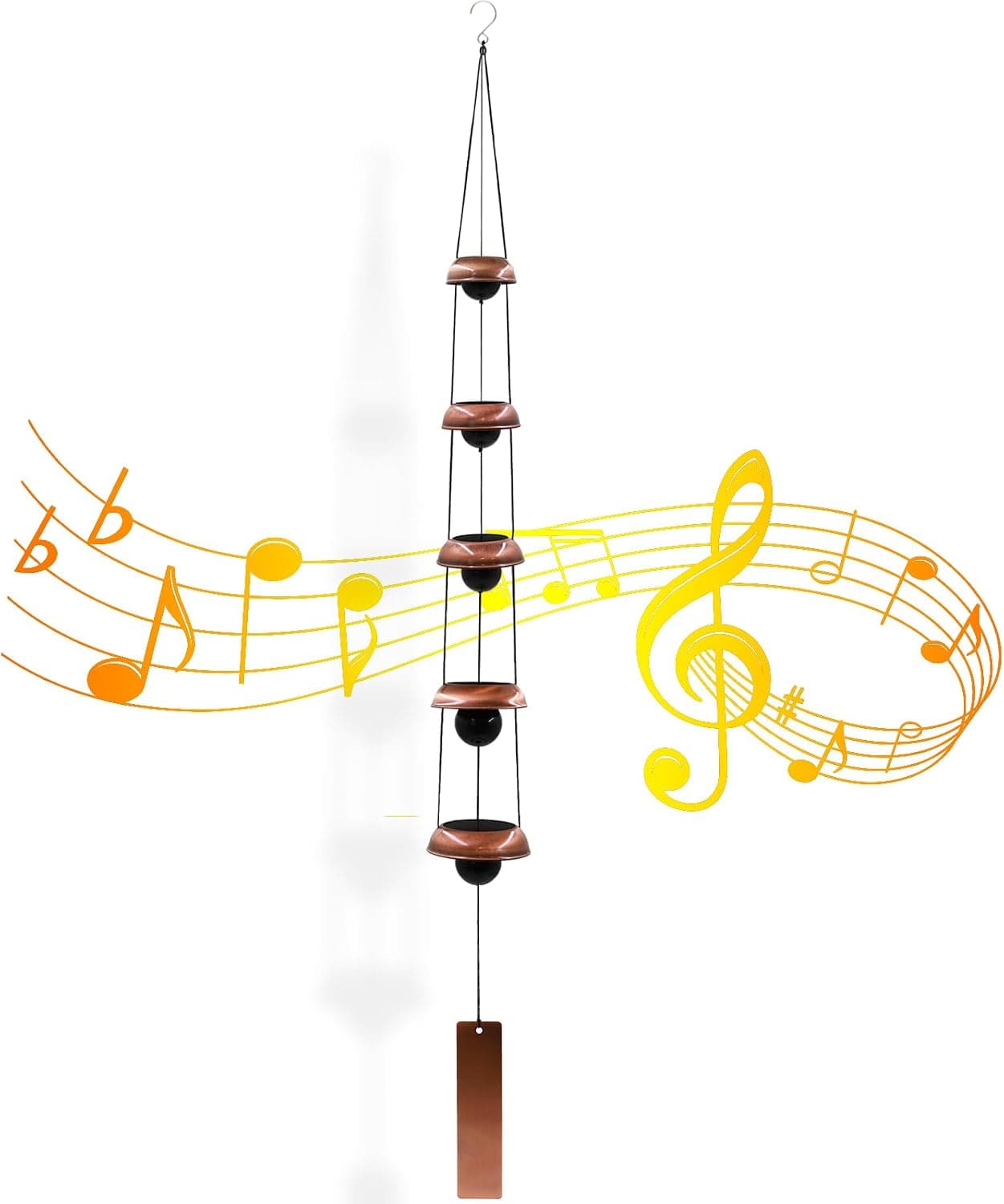
-19%Wind Chimes for Outside with 5 Bell Unique Copper Musical Chimes Feng Shui Wi...
 -5%
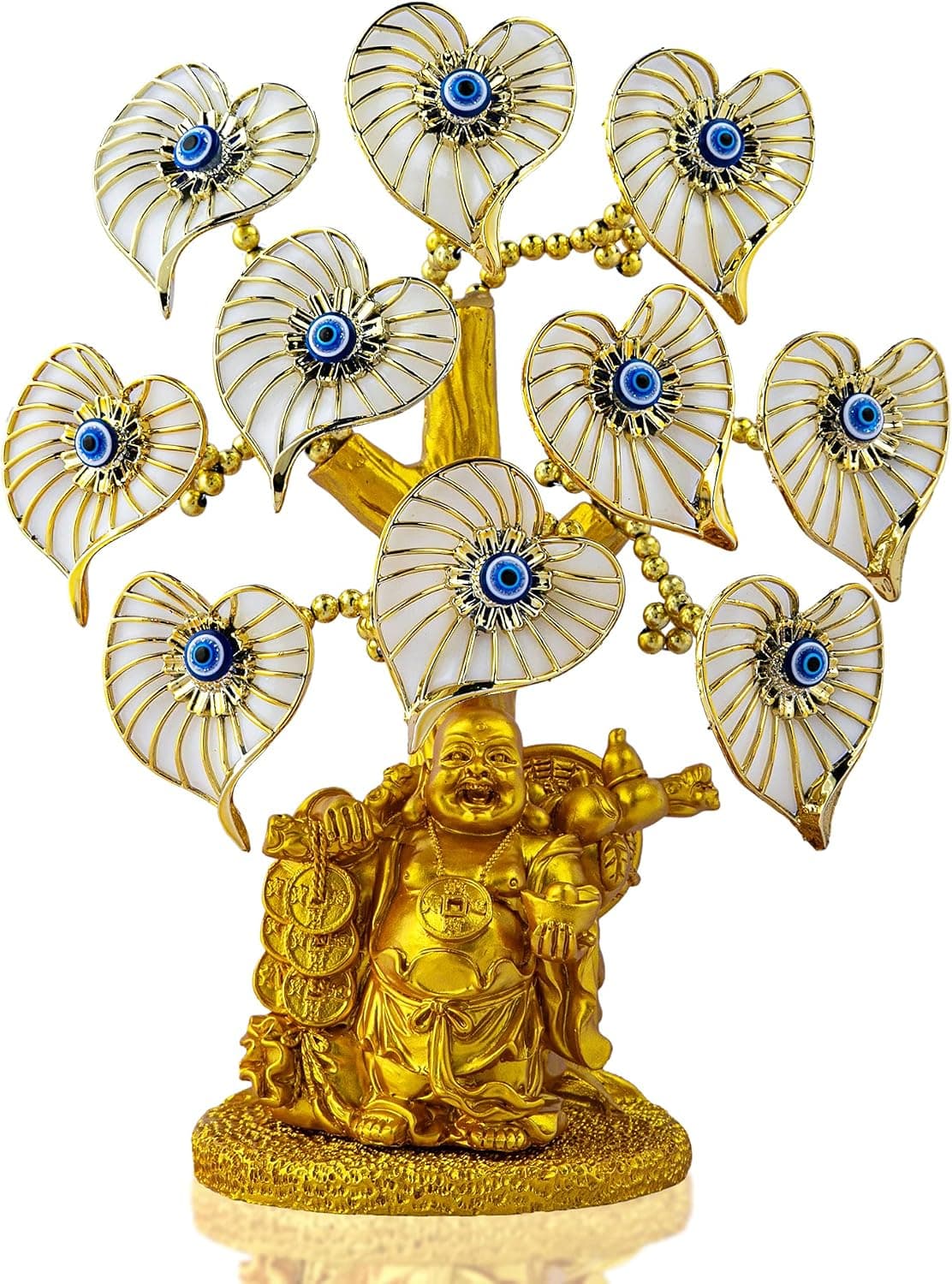
-5%YU FENG Evil Eye Money Tree, Blue Feng Shui Decor with Golden Buddha
 -29%
-29%Karma and Luck March Birthstone Crystal Tree of Life, Aquamarine Gemstone Fen...
 -29%
-29%Karma and Luck July Birthstone Crystal Tree of Life, Ruby Gemstone Feng Shui ...
As an Amazon Associate, we earn from qualifying purchases. We only recommend items our practitioners have personally tested.
Continue Your Journey
Explore these related guides to deepen your understanding:


Ready for Deeper Guidance?
Try our free I Ching reading for personalized wisdom, or explore our curated Feng Shui essentials.