The knife rule fails when the room itself is crooked, clipped, or L-shaped—and that’s exactly when people notice the trouble.
What Most Guides Overlook About Feng Shui Knives In Kitchen
The conventional thinking on Feng Shui Knives In Kitchen has a fundamental flaw. I walked into a client’s apartment in Oakland last spring and saw a tidy butcher-block set on the counter, blades facing inward, exactly as the internet advised. The kitchen still felt tense. Not because the knives were “bad,” but because the room bent around them like a question mark: one leg of the kitchen ran past the stove, the other stopped short near a black refrigerator, and the inside corner became a dead pocket where dish towels, unopened mail, and a plastic citrus juicer kept landing.
That is the part most advice skips. Knives do not operate in a vacuum; they sit inside a room with angles, sightlines, traffic, and emotional pressure. In an L-shaped kitchen, the problem is rarely the steel itself. It is the way sharp objects sit at the elbow of a broken flow, where qi slows, people brush past each other, and the eye keeps catching the edge instead of the whole room. Kitchen knives carry more energy than you'd think, but placement only matters once you understand what the room is doing around them.
The myth says, “Keep blades hidden and everything will calm down.” That sounds clean. It even feels elegant. Then a kitchen with a crooked footprint proves otherwise. I have seen a narrow galley with no visual clutter feel easier to live in than a much larger L-shape where every cutting tool sat inside an awkward corner under a bright pendant light. One space let people move. The other made them hesitate.
That hesitation matters. In feng shui, sharp objects can amplify separation, impatience, and a sense of being on guard, but only when they are emphasized by the room. A blade near the end of a blind turn does more than “symbolize conflict.” It meets the body at the wrong moment. You reach, your shoulder tightens, and the kitchen starts teaching your nervous system to stay braced.
Big difference.
Why the L-shape changes the whole reading
An L-shaped kitchen creates two competing currents. One path wants to continue; the other stops and turns. That turn is not neutral. It creates a hinge, and a hinge is where attention gathers. If the knife block sits right there, especially at the inside corner, it becomes a marker for the interruption. People notice it every time they pivot between sink and stove. In practical terms, that can show up as clipped conversations, more minor accidents, and the feeling that the room never quite settles after dinner.
The usual fix is to hide everything in a drawer and call it solved. Sometimes that helps, especially in a compact rental where counters are scarce. But hidden does not always mean harmonious. A drawer stuffed with serrated blades, vegetable peelers, and a broken wine key can feel like a compressed argument. The better question is not “Can anyone see the knives?” It is “Where does the room send the eye when you enter, and what do those blades interrupt?” For a broader map of how rooms direct movement, how to map energy in your home without overthinking it gives useful context.
In the language of the five elements, knives lean Metal, which cuts, defines, and separates. That is not automatically a problem. Kitchens need precision. The trouble begins when Metal piles up at a corner already stressed by Water from the sink or Fire from the stove. Then you are not balancing elements; you are stacking hard edges into a bottleneck. I’ve seen this in homes where the knife strip was mounted on the short wall, directly across from a red kettle, with the stove around the corner. The owners complained about snappish dinners and a strange urge to leave the room before the dishes were done.
One sentence captures it: the room was already divided.
What people do that feels right, and why it backfires
First mistake: they place the knives where the corner “looks empty.” That feels tidy, and it often makes the countertop appear more open. Then the empty corner becomes a visual sink. In an irregular kitchen, emptiness is not always relief; sometimes it is a hole the eye falls into. Once the blades sit there, the corner becomes hyper-visible, and every person who enters gets a tiny jolt of awareness before they even reach the sink.
Second mistake: they mount magnetic strips along the short wall because it is the only free stretch. The logic is practical. The consequence is social. The strips catch light, create a line of silver flashes, and make the kitchen feel like a workshop rather than a place where people linger over tea. In one Long Beach home, a white magnetic bar sat six inches from a door swing, and every time the husband passed it, his sleeve brushed the handle of a chef’s knife. No injury, but plenty of irritation. By week two, he had started leaving the room to chop onions, then not returning until everything was finished.
Third mistake: they keep the blades out because “I cook every day, so why hide them?” That sounds confident. It also ignores the psychological effect of constant exposure. A row of knives becomes a row of decisions, cuts, and clean breaks. When the kitchen already has an L-shape, that visual message gets doubled by the layout. The room says fragment, and the knives repeat it.
Fourth mistake: they tuck the set into the inner angle of the L beside a vase, a salt cellar, and a stack of recipe cards. That’s the setup that looks styled in photos and feels off in real life. The angle traps fragments of movement. Food prep starts there, turns there, and ends there. The eye has nowhere smooth to rest. People often blame the tools; the room is the louder message.
Fifth mistake: they assume a wooden block automatically softens everything. Wood does soften sharpness, yes, but only if the placement is sensible. A block shoved against the refrigerator side panel, half hidden behind the toaster, creates a visual snag. You keep reaching around it. The block becomes a permanent obstacle, and the knives ride on top of that awkwardness. A better setup might use a drawer insert farther from the main turn of the room, or a cabinet slot that keeps the line of movement clear.
At that point, the story changes. You stop asking whether the blades are “safe” in the abstract and start noticing how the kitchen makes you move. That is where the real work begins. For readers who want to compare knife placement with broader room mistakes, money corner mistakes that quietly undo the setup shows the same principle in another part of the home: a bad angle can ruin an otherwise decent cure.
Wrong question.
What actually works in an irregular kitchen
Start with the room’s longest clean line and protect it. In an L-shape, that line is usually the route from entry to sink or from sink to stove. Keep knives away from that path so the eye can travel without snagging on metal. If a drawer on the outer leg of the L is available, use it for the blades you reach for most. Put the least-used tools deeper inside a separate organizer. The goal is not secrecy. It is reducing the sense that every turn in the room ends in a blade.
Then look at the corner itself. If the inside angle is dark, add one bright but gentle object nearby: a pale ceramic bowl, a matte wood tray, or a soft under-cabinet light. The point is to stop the corner from acting like a visual trap. In one kitchen in Portland, the owner moved a knife block from the inner corner to a drawer on the long side, then placed a cream-colored salt jar where the block had been. The room immediately felt less clipped. She said cooking dinner stopped feeling like “walking through a narrow hallway with a decision in each hand.” That was not poetic exaggeration; it was a real shift in how the space held her attention.
Watch the stove relationship carefully. Knives directly across from fire are rarely ideal in a cramped L-shape, because the room already compresses action there. If the stove sits on one arm of the L, avoid placing visible blades on the opposing arm at eye level. Better to let the stove own that zone and move the cutting tools to a quieter section, especially if the kitchen opens into a dining nook or living area. For a larger view of how room layout shapes comfort, the center rules the room explains why one dominant axis can change how an entire home feels.
Some people need a more modest adjustment: less exposure, not total concealment. A slim drawer insert near the prep zone can work beautifully if the drawer opens smoothly and does not jam. Others do better with a simple knife roll stored in a cabinet, particularly in rental kitchens where the counters are broken up by appliances. The choice should match the geometry. A cramped L-shaped kitchen does not want theatrical solutions. It wants fewer hard stops.
Common sense has a place here, but not the whole stage. If the room already feels busy, don’t add a blade display because a magazine says it looks professional. Professional is not the same as livable. The kitchen has to forgive you at 7:15 a.m. before coffee, when someone is looking for a spoon and another person is trying not to be late. That is when placement shows its real face.
Where common advice still helps, and where it fails
There is one good reason conventional advice persists: it catches obvious danger. A loose chef’s knife on the counter beside a toddler’s breakfast bowl is not a feng shui problem first; it is a household problem. Hide the knife. Secure the drawer. Fine. But once you move past safety, the old rules flatten the room’s shape into a single formula, and irregular layouts do not obey formulas for long.
That is why a standard “away from the sink, away from the stove, out of sight” rule can backfire in an L-shaped kitchen. It may push the set into the worst visual corner in the room. It may put the blades in a drawer that bangs into the dishwasher door. It may force you to cross the room with wet hands every time you need a paring knife. The fix created the friction.
The wiser approach is to compare the knife placement with the kitchen’s movement pattern. Where do you stop first? Where do you turn? Which surface gets the most chopping? Put the tools near the work, yes, but not at the point where the room folds in on itself. In feng shui language, that means supporting flow instead of spotlighting disruption. In plain language, it means not making people bump into the kitchen’s sharpest idea every five seconds.
One winter morning, a retired architect in Santa Fe showed me a kitchen with mustard-yellow tile, a white farmhouse sink, and a knife strip on the short leg of the L beside a black toaster. He had followed every standard rule he found online. Still, he and his wife kept arguing in that room, usually over tiny things: whether the citrus should go in the bowl or the fridge, whether the dishwasher door was blocking the right side of the sink, whether the cat had knocked over the wooden spoon again. We moved the knives into a drawer on the long counter, shifted the toaster farther from the corner, and left the inside angle quiet except for a single bowl of pears. He called a week later and said the room had stopped feeling “like it was waiting to snap.” That is the mechanism. Not magic. Pressure.
For a deeper look at the element behind that pressure, fire energy at home that won't settle is worth reading. Fire and Metal together can sharpen a kitchen fast, especially when the layout already forces hard turns.
FAQ
Is conventional Feng Shui Knives In Kitchen advice reliable?
Often not on its own. It covers the obvious stuff, like safety and clutter, but it ignores room shape, sightlines, and the emotional effect of repeated movement. In an L-shaped kitchen, that missing layer is usually the whole story.
Should I hide every knife in a drawer?
Not automatically. A drawer can be better than a visual display, yet a cramped or badly placed drawer can create more friction than it removes. If the drawer opens in the main traffic path, or if it forces you to reach around appliances, you have just traded one problem for another.
What if my kitchen has no spare wall space?
Then work with the least disruptive storage point, not the most decorative one. A well-organized drawer insert, a cabinet organizer, or a secondary prep-zone drawer usually beats a magnetic strip on the busiest wall. The room should let you move without feeling watched by the blades.
Do knives affect the mood of the whole house?
Surprisingly, yes—especially if the kitchen opens into a dining or living area. A tense prep zone tends to leak outward because people carry that pacing into the next room. In open-plan homes, the kitchen often sets the emotional tone for the evening.
What should I change first if my kitchen is L-shaped and feels off?
Move the knives away from the inner corner and clear the visual choke point. Then watch how you move through the room for two days: where you slow down, where your shoulder tightens, where you keep brushing the same cabinet handle. The pattern will tell you more than any list ever will.
And if you stand in that kitchen tomorrow morning with a mug in one hand and a paring knife in the other, what exactly does the corner ask you to do?
Mei Chen
Traditionally informed guidance • Cross-referenced with classical Chinese source texts
Content draws from both Compass (Luopan) and Form (Xingshi) school traditions. Illustrative examples are composites based on consultation experiences.
Practitioner-Selected Tools for This Topic
Items our team has tested and found effective for the principles discussed above. Individual results may vary.
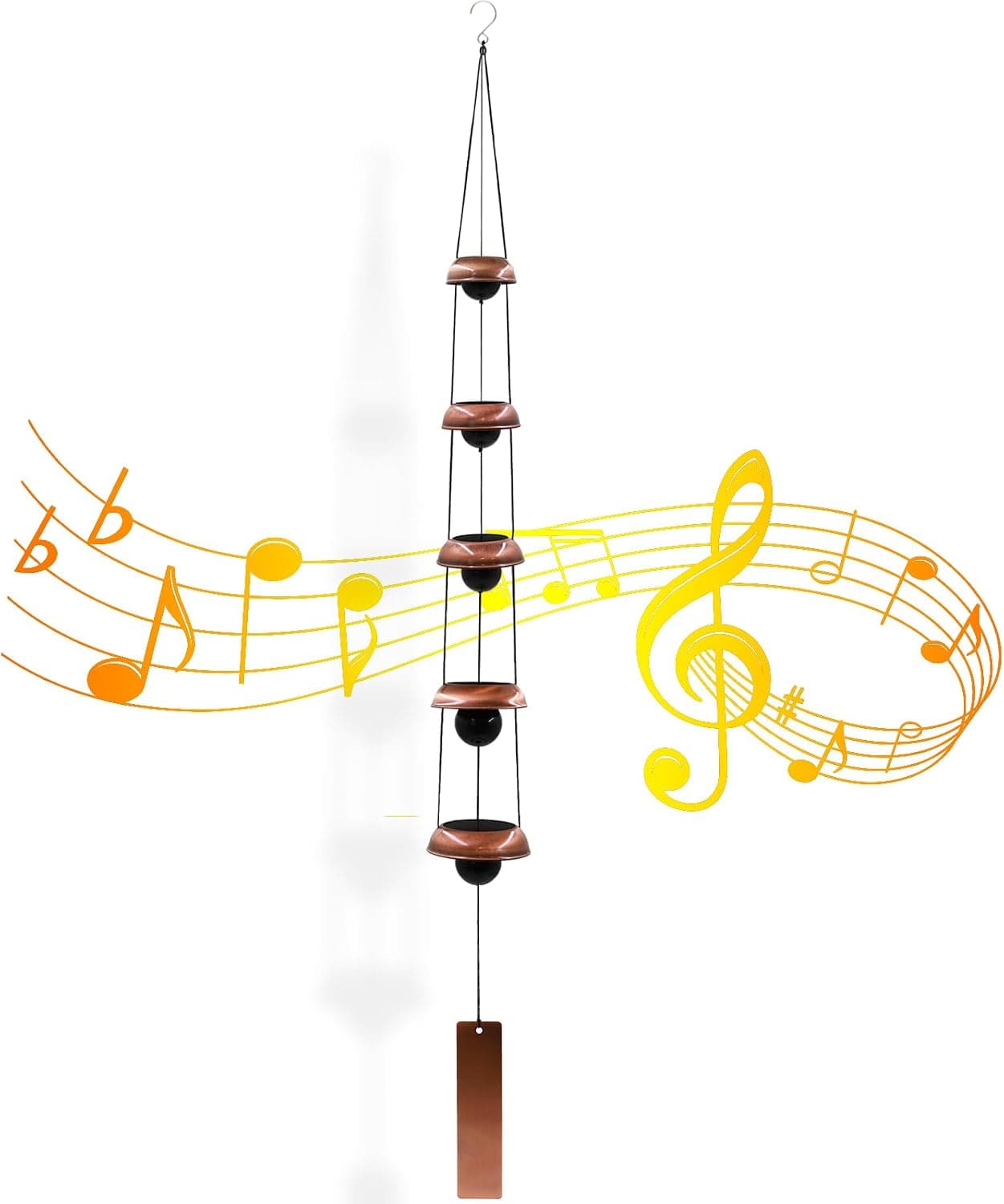 -19%
-19%Wind Chimes for Outside with 5 Bell Unique Copper Musical Chimes Feng Shui Wi...
 -5%
-5%YU FENG Evil Eye Money Tree, Blue Feng Shui Decor with Golden Buddha
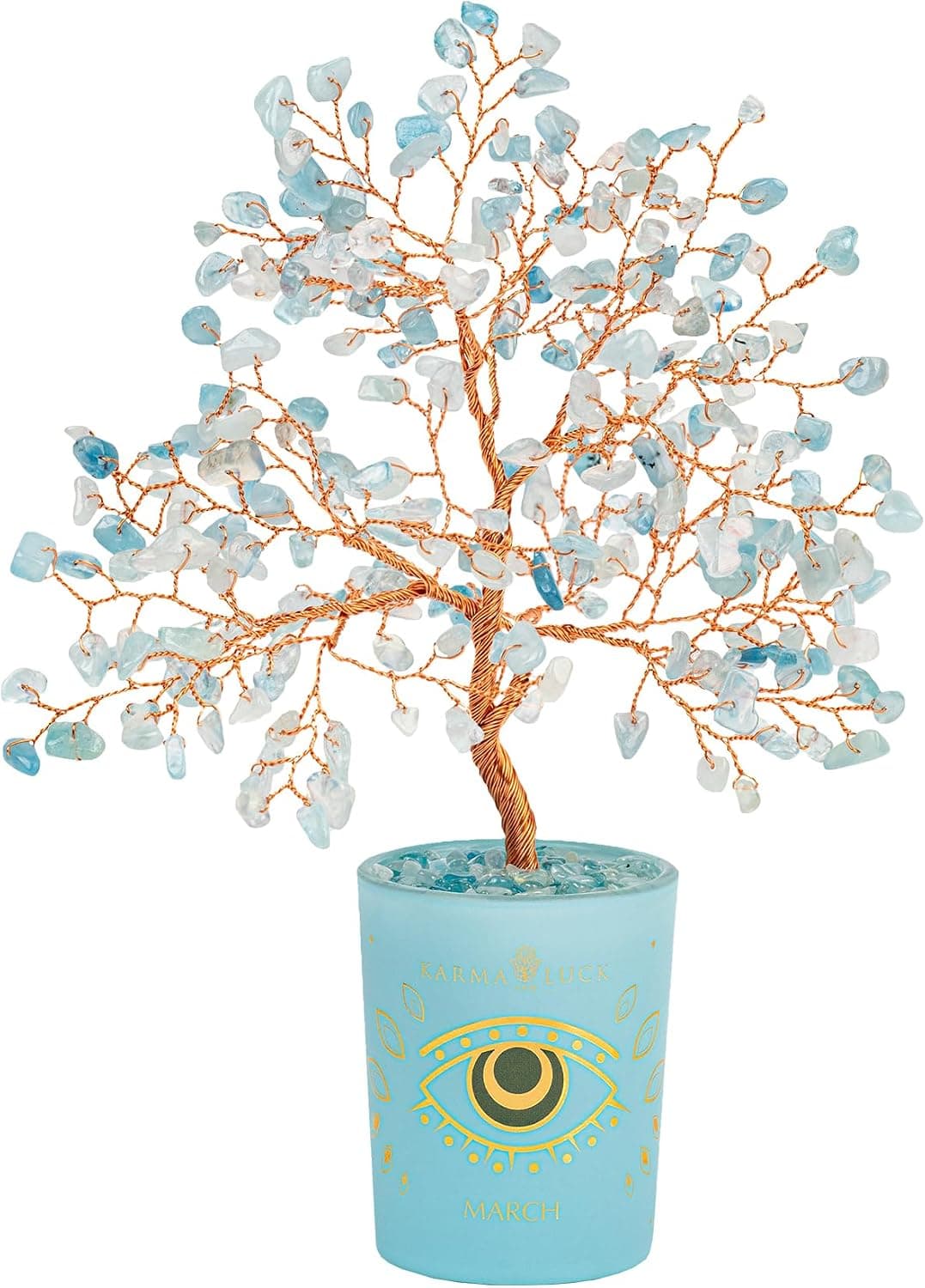 -29%
-29%Karma and Luck March Birthstone Crystal Tree of Life, Aquamarine Gemstone Fen...
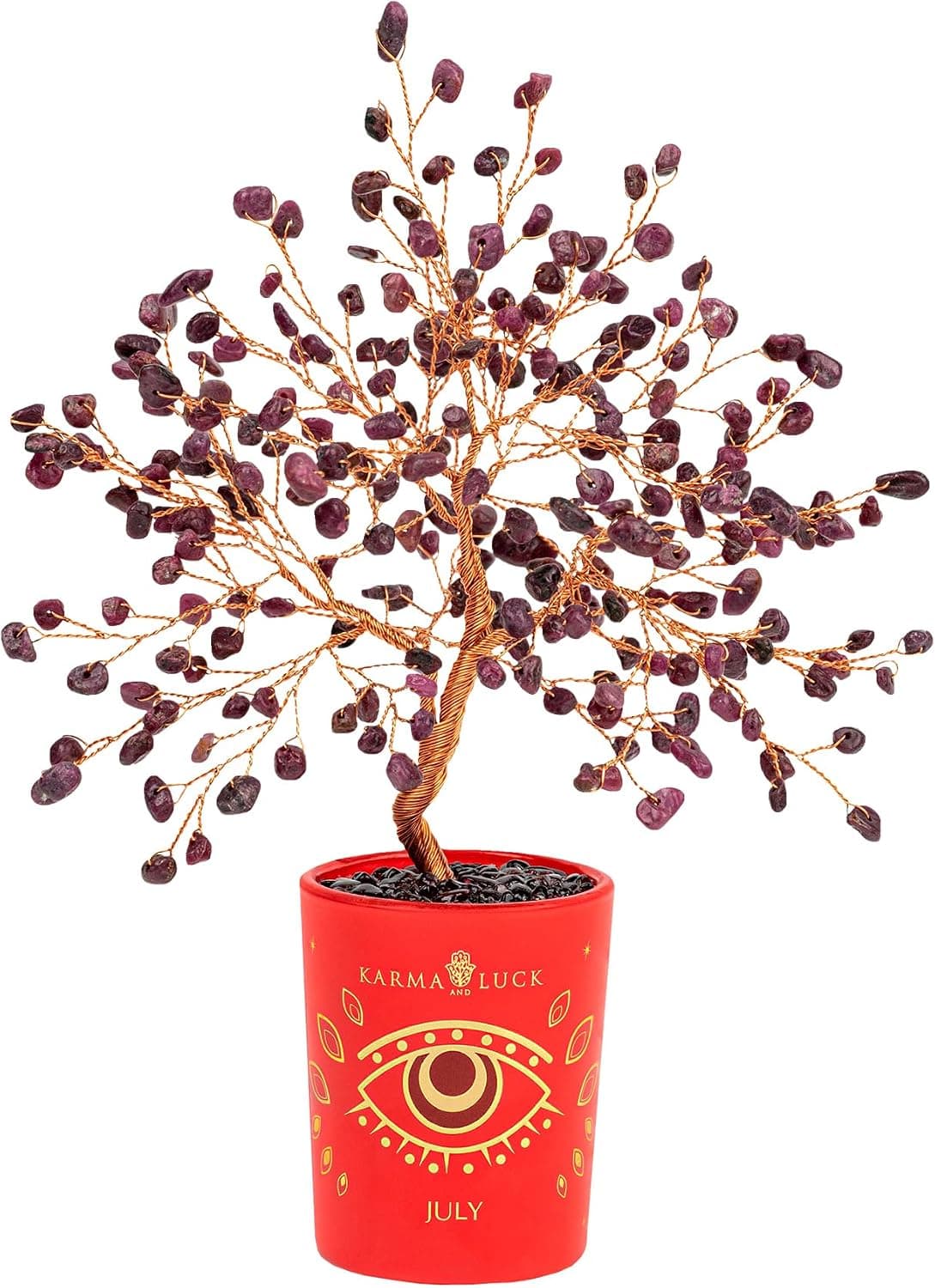 -29%
-29%Karma and Luck July Birthstone Crystal Tree of Life, Ruby Gemstone Feng Shui ...
As an Amazon Associate, we earn from qualifying purchases. We only recommend items our practitioners have personally tested.
Continue Your Journey
Explore these related guides to deepen your understanding:


Ready for Deeper Guidance?
Try our free I Ching reading for personalized wisdom, or explore our curated Feng Shui essentials.