A recessed kitchen nook can calm a home—or quietly trap clutter, heat, and arguments.
The Hidden Truth About kitchen rules feng shui
I saw it in a narrow townhouse kitchen in Oakland: white cabinets, a red kettle on the stove, three jars of rice pushed into a shallow alcove beside the refrigerator, and a blue recycling bin tucked under a shelf nobody touched. The homeowner had followed every standard piece of advice she found online. Knife block away from the door. Stove cleaned. Fruit bowl out. Still, the room felt tight at 7 a.m., and by dinner she was snapping at her partner over nothing. Not even close to balanced.
She kept blaming the stove. I checked the alcove instead. That recessed pocket, only eighteen inches deep and just wide enough for the fridge to breathe, was acting like a holding bay for half-finished intentions: unopened mail, tea tins, a salt lamp that never worked there, and one lonely pothos with dusty leaves. The alcove was not a decorative bonus. It was the real problem. In classical terms, a recessed space can behave like a mouth without circulation—qi gathers, slows, and starts collecting whatever you leave there.
That is the part most advice skips. People obsess over objects and ignore the geometry. A niche, pantry cutout, under-stair recess, or side bay changes how a kitchen moves. It can soften harsh lines. It can also trap stale air, odors, and the sense that the room is always half-used. I have seen kitchens where the obvious cures were fine, but the alcove kept the whole space mentally unfinished.
Wrong focus. Every time.
Conventional advice tells you to keep the stove clear and the sink separated from fire. Useful, yes. Yet if the kitchen has a recessed zone near the prep area, the deeper issue is whether that pocket supports easy motion or swallows it. A bowl of oranges in a bright recess feels welcoming. A stack of invoices under dim light feels like a bill you can smell before you open it.
That is why the usual kitchen rules often miss the mark. They treat the room like a flat diagram, when real homes have alcoves, indentations, and awkward corners that act like emotional storage. The difference shows up fast: a clean but tense room, a pretty but irritating one, a kitchen where nobody lingers because the space seems to hold its breath.
So look at the recess first, not last. If your kitchen has one, it is either helping flow or quietly turning into a stall point.
When a Recess Starts Holding the Room Back
The biggest mistake is treating a recessed area like dead square footage. People fill it because it looks useful, then wonder why the kitchen starts feeling crowded even when nothing is visibly overflowing. The eye reads depth as invitation; the body reads blocked depth as pressure.
That is why an alcove beside the stove can become a miniature traffic jam. Put a paper towel holder, blender, spice rack, and bread box in there, and the whole zone starts demanding decision-making every time you cook. Open shelf? Closed cabinet? Should the toaster stay out? By the third question, you are already tired.
I watched this happen in a Brooklyn apartment with charcoal cabinets and brass pulls. The cooking nook looked expensive, but the recessed shelf to the left of the range held a microwave, two ceramic rooster figurines, and an open bag of onions. Dinner prep took twice as long because the woman living there had to shift objects just to reach the cutting board. She told me she felt "blocked" in the room. She was right.
Here is the small surprise: recesses do not automatically create missing-energy trouble. Sometimes they improve a kitchen by giving the eye somewhere to rest. The trouble begins when the alcove becomes a catchpoint. Then the room stops moving cleanly. You see it in tiny ways—crumbs stay longer, mail gets stacked there, and the dishwasher door bangs into a stool because somebody parked it in the wrong bay.
Strange, but true. A neat alcove can still be wrong.
One good test: stand at the kitchen doorway at night and look straight in. If the recessed space pulls your attention but offers no clear purpose, it is probably stealing clarity. A shelf needs a job. A niche needs a boundary. Otherwise it becomes a polite mess.
For a deeper look at how recesses change the whole layout, I point readers to how to map a home without overthinking it. The pattern matters more than most people think, especially when the kitchen is part of an L-shaped or partially enclosed plan.
What Actually Works in the Alcove
The fix is not to plaster everything shut. Sometimes the alcove should stay open, but it must be made specific. Pick one function and let it dominate. Coffee station. Breakfast shelf. Dry goods. A narrow plant perch with actual daylight. The problem is not depth; it is mixed signals.
If the recess sits near the stove, keep it visually light and physically spare. One tray, one purpose, no crowding. If it is farther from the cooking zone, it can hold items that support calm routines: tea canisters, stacked bowls, a simple ceramic jar for utensils. Do not force decorative abundance into a small bay. That tends to look staged and feel restless.
In a San Diego kitchen I visited last spring, the alcove at the end of the counter was painted a soft butter yellow while the rest of the room was matte white. The owner had placed three glass jars of lentils there, each on a bamboo tray, with no other objects. It sounds minor. It changed the room. The kitchen stopped feeling like a corridor and started feeling like a place where meals could actually begin.
Depth needs a job.
Light matters, too. A recessed pocket under a shadow line can feel heavy even when it is tidy, so use a lamp, under-shelf strip, or a reflective surface to keep the area awake. But don't overdo shine. Too much gloss turns the alcove into glare, and glare makes people avoid the spot instead of using it.
Color should support function, not compete with it. Earthy tones can steady a pantry recess. Warm whites help a prep nook. A glossy red back panel near the stove may look lively in photos, yet in a tight kitchen it can push the whole room toward agitation. I have seen that happen in one-hour visits, and the argument usually starts later, not in front of me. Then the homeowner wonders why the room feels louder after sunset.
For object placement, think in layers from front to back. The front edge should stay easy to reach. The middle can hold the working items. The back belongs to the rarely used things, and even those should not disappear into darkness. If you cannot see it, you stop trusting it. That is true of spice jars, shopping lists, and relationships.
Need a companion point of reference? Kitchen metal behaves differently from pantry clutter, and the placement of blades is its own subject. See why knife placement changes the feel of a kitchen faster than people expect. One careless corner can undo an otherwise calm setup.
The Mistakes I Keep Seeing in Recessed Kitchens
People love to turn an alcove into a trophy shelf. It feels refined. In practice, it collects visual noise. Five mismatched mugs, a candle half-burned to the rim, a recipe book with a greasy page, and a charger cable draped over the edge do not read as style. They read as unfinished business, which is exactly what a tired cook does not need.
Another common blunder: storing the heaviest objects in the deepest pocket. That sounds sensible because the back of the niche seems "out of the way." Then you have to bend, twist, or shove a lighter object aside every time you use the thing. The body notices. So does your patience. In kitchens, convenience is not a luxury; it is the difference between rhythm and friction.
Some people fill the recess with symbolic cures and expect the room to behave. Crystals in a kitchen alcove? Usually decorative clutter. A lucky charm hanging beside a broom? More mess than meaning. If you want the space to support wealth or stability, start with function. The bowl of fruit gets eaten. The untouched charm gets dusty. One invites life; the other invites wiping.
Then there is the dark recess with no visual anchor. That one causes a peculiar kind of unease. I have watched guests pause there without knowing why, as if the room is asking them not to lean in. Put a pale backer, a small lamp, or a solid container in the spot and the feeling shifts almost immediately. The eye relaxes when it can locate a boundary.
Big mistake: ignoring the floor line.
If the alcove begins at ankle level, clutter there can feel like a trip hazard even when nothing is actually in the way. Shoes, pet bowls, paper sacks, and extra stools stacked inside a lower recess make the kitchen feel mentally smaller. You start sidestepping the area, and once people sidestep a zone often enough, that part of the room stops participating in daily life.
That is why I often send readers to the bedroom rules that reveal how placement quietly changes behavior. The same logic applies here: what seems harmless can shift sleep, appetite, and irritation in ways that are hard to explain but easy to feel.
The Alcove Advantage, Used Properly
Now for the part people miss. A recessed kitchen space can become the calmest corner in the entire house if you stop treating it like leftover architecture. The alcove advantage comes from intention, restraint, and visibility. Give the niche one clear role, keep the number of objects low, and let the space breathe around what remains.
In a cedar-toned condo kitchen in Portland, I once stood in front of a recessed side wall that had been doing nothing useful for years. We removed a rack of unused cooking gadgets, replaced them with three ceramic canisters, and left one small wooden bowl under a narrow sconce. That was it. The homeowner later told me she started making tea there every evening because the spot finally felt "finished." She was not describing decoration. She was describing relief.
That is what a good recess does. It gives the room a place to settle without freezing it. The kitchen still works hard, but one pocket can carry a quieter tone: breakfast setup, tea service, meal prep, even a low-key altar for gratitude if that suits your home. Keep fire away from visual chaos. Keep metal from crowding the edges. Let the recess serve one motion and one mood.
It helps to think about the kitchen as a sequence of actions rather than a display. Enter, set down, wash, chop, cook, serve. A recessed zone should support one of those steps cleanly. If it does not, it is decoration pretending to be infrastructure. That deception gets old fast.
And yes, some homes need more than one adjustment. A recessed kitchen area can interact with the front of the home, with a corridor, or with the way the stove faces the room. That is where larger layout work comes in, especially if the whole house seems oddly drained. For broader context, I often direct people to the front door pattern that changes how qi enters a home. The kitchen does not live alone.
You will notice the difference first in your body. Shoulders drop. Dinner prep shortens. The room stops nagging at you.
FAQ
Is conventional kitchen rules feng shui advice reliable? Often not, at least not by itself. The standard advice usually assumes a tidy, square room with no odd recesses, but most real kitchens have cutouts, bays, or shallow walls that change how the space behaves. If you ignore the alcove, the rest of the advice can look correct and still fail.
Should I fill a recessed kitchen area so it does not feel empty? Not automatically. Empty is not the enemy; vague is the enemy. A single clear function, like a tea station or dry-goods shelf, usually works better than stuffing the niche with objects that do not belong together.
What if the alcove is already cluttered? Start by removing the items you touch least often. That is usually where the stale feeling begins. Once the shelf has breathing room, you can decide whether it should hold one working category or stay mostly open.
Can a kitchen alcove help with money luck? Yes, but only indirectly. A recess that stores bills, unopened packages, and random gadgets tends to feel like money leaking into a drawer. A clean, purposeful niche—especially one near the pantry—supports a sense of order that people often associate with spending less wastefully.
Do I need to change the whole kitchen if one recessed corner feels off? Not necessarily. Sometimes a lamp, a tray, and one fewer object are enough to change the mood of the room. The bigger question is whether that recessed spot is acting like a support or a hiding place.
The odd part is how fast a small bay can change the mood of a meal. You clear the shelf, add a lamp, and the next night the orange peels land in the bin instead of the counter. Then the room goes quiet in a way that makes you look twice at the corner by the fridge.
Mei Chen
Traditionally informed guidance • Cross-referenced with classical Chinese source texts
Content draws from both Compass (Luopan) and Form (Xingshi) school traditions. Illustrative examples are composites based on consultation experiences.
Practitioner-Selected Tools for This Topic
Items our team has tested and found effective for the principles discussed above. Individual results may vary.
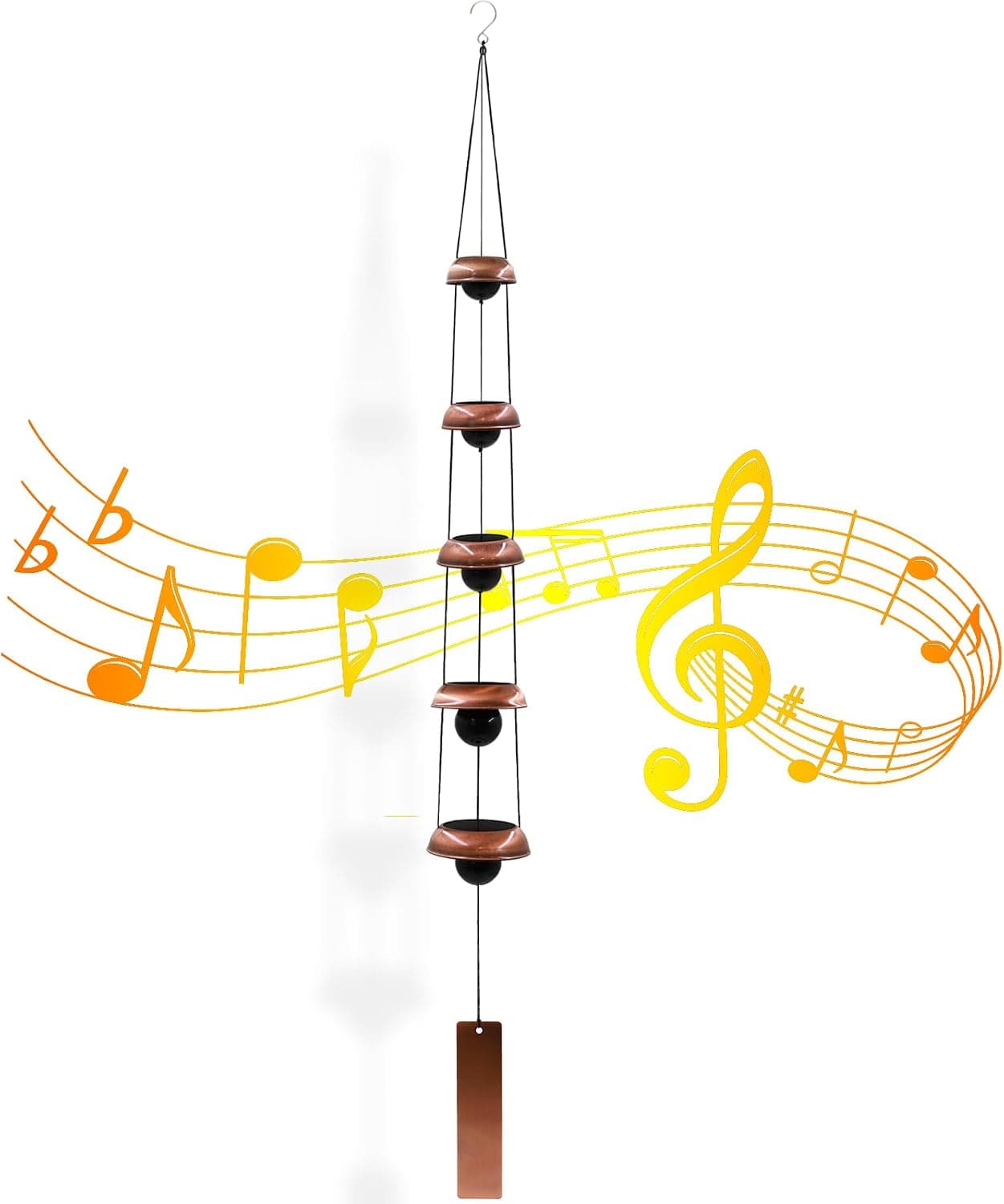 -19%
-19%Wind Chimes for Outside with 5 Bell Unique Copper Musical Chimes Feng Shui Wi...
 -5%
-5%YU FENG Evil Eye Money Tree, Blue Feng Shui Decor with Golden Buddha
 -29%
-29%Karma and Luck March Birthstone Crystal Tree of Life, Aquamarine Gemstone Fen...
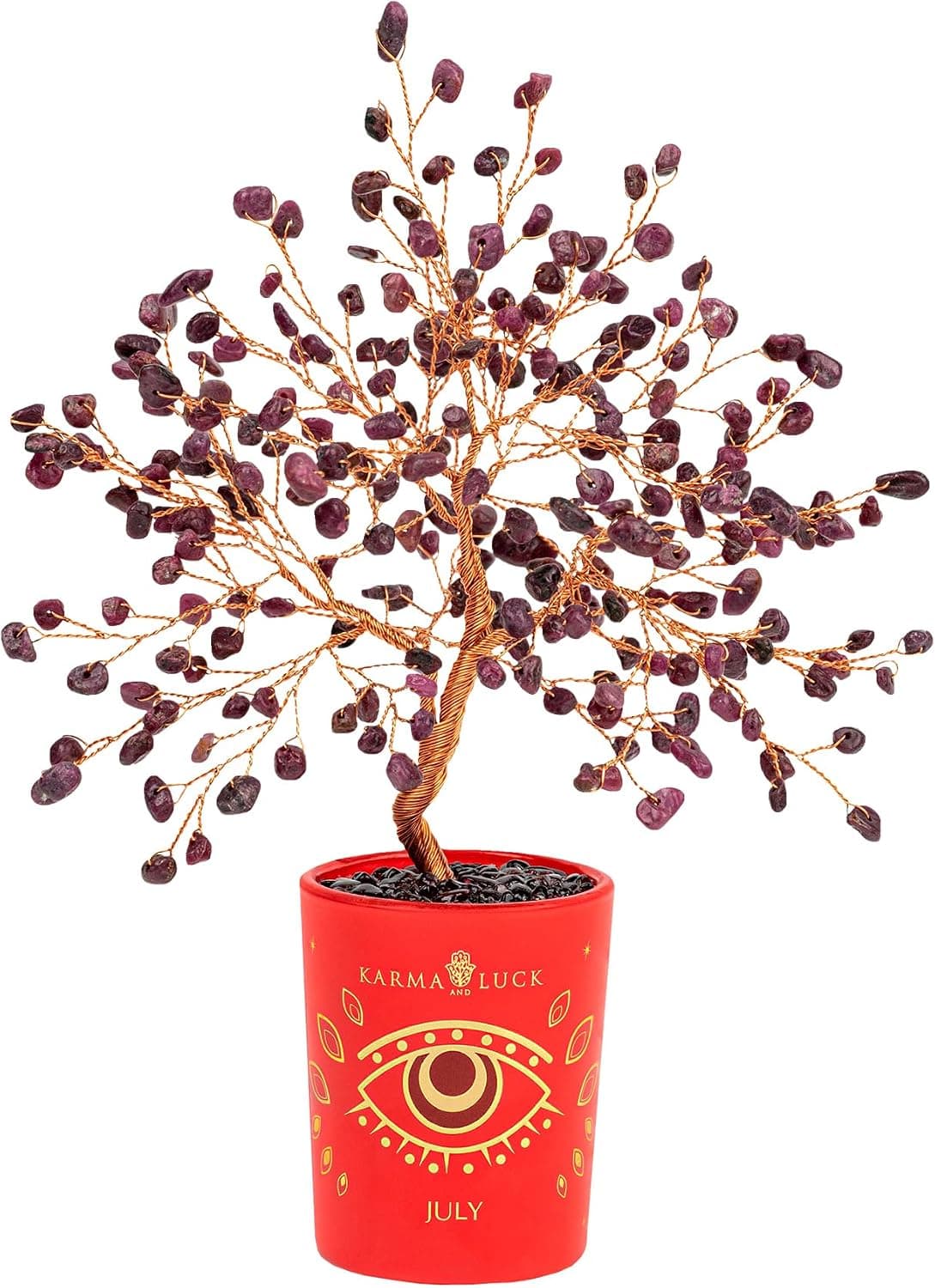 -29%
-29%Karma and Luck July Birthstone Crystal Tree of Life, Ruby Gemstone Feng Shui ...
As an Amazon Associate, we earn from qualifying purchases. We only recommend items our practitioners have personally tested.
Continue Your Journey
Explore these related guides to deepen your understanding:


Ready for Deeper Guidance?
Try our free I Ching reading for personalized wisdom, or explore our curated Feng Shui essentials.