The plant that thrives on one floor can fail on the next step up. Split-level kitchens change the rules.
The Hidden Truth About kitchen plants best choices feng shui
I started noticing it in split-level homes where the kitchen sat half a flight below the dining area, or rose two steps above a narrow entry landing, and the same cheerful pothos that looked healthy in one house began drooping in another within days.
One afternoon, I stood in a small kitchen with cream cabinets, a black kettle on the stove, and a jade plant on the sill above a sink that backed onto the stairwell wall. The owner had followed all the usual advice, right down to the ceramic pot and the southeast placement, but the leaves still curled, the counter felt crowded, and the family stopped using the breakfast nook across the step-down threshold. The room looked tidy. The circulation did not.
That is the part most advice misses. A split level does not merely change floor height; it changes how qi drops, pauses, and rebounds. Plants respond to that change like a barometer responds to weather. They do not just decorate the kitchen. They show you where the space is losing lift.
I've seen this in homes where the plant corner sat three feet from a south window, but one step below the adjoining hall. The leaves reached toward the light, then stalled. The people in the house did the same. They postponed small repairs, skipped meals in the kitchen, and let the mail gather on the counter near the fruit bowl. Small things, but they pile up.
Here is the surprise: the issue is often not the plant species at all. The issue is the floor line. A split-level kitchen can make an otherwise suitable plant feel exposed, underfed, or oddly isolated, especially when the stair opening sits beside the cooking zone and pulls movement out of the room.
For the broader layout problem, it helps to read the house first. mapping the home with the bagua shows where the kitchen is sitting in relation to the rest of the floor plan, while the L-shaped apartment problem that quietly breaks feng shui explains why level changes behave like hidden cuts in circulation. If you want the kitchen’s relationship to the front of the house, the alcove advantage that changes a front door fast gives the larger pattern. Plants are only honest when the room is honest first.
Use leaves as a reading, not a decoration. Broad, upright foliage can soften a sharp stair edge; trailing vines can work if they are not forced to dangle into a traffic path; spiky forms near the stove often make the room feel tense, as if the air has no place to settle. A split-level kitchen asks for steadiness, not showmanship. Quiet pots, weighted bases, and enough breathing room around the stair opening matter more than whatever the store label promised.
One more thing. If you rely on “best plants” lists without checking the floor line, you are treating a symptom. The real question is not which plant belongs in the kitchen. It is which plant can survive the way the room rises, drops, and pulls the eye toward the next level.
Before you buy another pot, notice where your own feet slow down. The answer may be sitting right at the edge of the step.
Why Split Levels Change Plant Behavior So Fast
Plants in kitchens already work harder than plants in quieter rooms. Heat from the stove, steam from the kettle, drafts from doors, and erratic light from under-cabinet fixtures all tug at them. Add a level change, and the room starts acting like two spaces that never fully agree on pace.
A stair opening creates a subtle drain in attention. People feel it first, then plants reflect it. In one narrow galley kitchen, a row of herb pots sat on a ledge beside two descending steps. The basil kept stretching thin, the rosemary browned at the tips, and everyone in the household began walking past the table without stopping. The room was not broken, but it was divided.
That division matters in feng shui because kitchens belong to active yang, while plants carry a living wood quality that wants consistent nourishment. When the floor shifts suddenly, the body reads the area as unstable. The result can be fussy growth, messy habits, or a strange reluctance to linger. You may not call it that. You feel it when dinner prep becomes rushed and the sink starts collecting glasses.
The fix starts with reading the kitchen as a route, not a container. If the stair edge slices through the room, place plants where they help gather movement instead of scattering it. Corners that are visible from the stove, but not on the main walking line, tend to hold better. The object is to slow the eye without blocking the feet.
Some readers expect the plant itself to do all the work. That is a comforting idea, and a weak one. Placement does more than species selection in these homes. Still, plant choice matters when the room has an awkward level shift, which is why a deeper look at a dead plant in your wealth corner does more harm than no plant at all helps you judge when a green accent is supporting the kitchen and when it has become dead weight.
Spiky succulents near a stove can sharpen the mood. Heavy, drooping foliage beside a descending step can feel like the room is sinking. Rounded leaves with medium density usually soften the transition better, especially in kitchens that open toward a lower family room. The wrong plant does not just look awkward. It changes how quickly people move, where they pause, and whether they bother clearing the counter after dinner.
That is why conventional advice feels incomplete here. It treats the plant as a symbol, but the floor plan is the real instrument.
Choosing Plants That Work With the Step, Not Against It
In split-level kitchens, the best choices are often the least dramatic ones. A compact peace lily can hold a shaded counter near a stair wall because its leaves pull upward without flopping into the walkway. A small rubber plant can steady a bright corner if the pot is heavy and the leaves do not poke into the stove zone. Even herbs can work, but only when they are kept in tidy containers and harvested often enough that they do not become a soft tangle.
One family I observed had a mint plant on a dark shelf above a half-step down into the dining area. It looked cheerful at first. Then the stems shot sideways, the shelf stayed damp, and the space began to smell more like a wet sink than a kitchen. They moved it to a brighter ledge beside the window, trimmed it back hard, and the room stopped feeling faintly neglected.
Choose by function, not by trend. If the kitchen needs a gentle visual anchor near the stair opening, a broad-leaf plant in a squat pot can prevent the eye from dropping too fast. If the counter already feels crowded, a wall-mounted planter may be better than another object taking up prep space. If the room receives strong afternoon sun from the west, a tougher species with thicker leaves will hold its shape better than something delicate and dramatic.
The point is to work with the building’s movement. A plant at the top of a short rise should feel like it belongs to the higher level. A plant at the base of a drop should not seem as if it is slipping away. That sounds simple until you stand in the room and notice how quickly a stair line can dominate everything else.
For kitchens where wealth and storage concerns tend to blend together, it helps to compare plant placement with other active cures. coin placements that make money feel managed, not chaotic show the value of containing movement rather than scattering it. Plants do the same thing when they are placed with intention. They can gather attention, but they should never compete with the stove, sink, and stair edge at the same time.
Do not overfill the room. Three modest plants can look calmer than one oversized specimen with glossy leaves. Too many pots create tiny obstacles, and in a split-level kitchen obstacles become a mood faster than they become a style choice.
Where People Usually Go Wrong
They follow the internet, not the room.
The first mistake is putting a plant right beside the step because the corner feels empty. That emptiness is often doing work. It gives the eye a landing place and the feet a clear path. Fill it with a tall plant and the kitchen can start to feel like it is hesitating at the edge of the drop.
Another common error: choosing a plant because it “means” prosperity, then ignoring its shape. A money tree can become awkward if its pot is too light for a drafty landing. A trailing vine can look relaxed in a flat apartment kitchen, then feel unruly in a split-level where stems hang over a change in elevation. The symbolism remains intact. The room does not care.
People also mistake shine for vitality. A bright glazed pot near a stove can reflect too much light and make a compact kitchen feel restless, especially when the stairs bring in visual motion from below. Matte clay or stone often settles the scene better. I have seen glossy ceramic turn a tidy room into something that feels oddly nervous by noon.
Then there is the habit of placing plants where they are easy to admire from the living area rather than where the kitchen actually needs support. That creates a display, not a correction. The leaves look lovely from the sofa while the cook bumps into the pot on the way to the refrigerator. The whole arrangement becomes a polite obstruction.
Knives matter here too, because people often put plants near them without thinking. Sharp tools and delicate foliage make a poor pairing in a narrow kitchen, and the tension is not symbolic only. kitchen knives carry more energy than you'd think — here's why placement matters explains how cutting surfaces and storage habits alter the feel of the room. Pair that with a plant in the wrong spot, and the kitchen can start to feel clipped, rushed, and slightly defensive.
Finally, some homeowners keep a plant that is technically alive but visibly struggling. Brown edges, dust on the leaves, and a pot that never drains properly send a clear message: this space gets attention only when it is already asking for help. That is not a plant cure. That is a warning light.
One sentence can save a lot of trouble: if the plant makes the step line harder to read, it is in the wrong place.
How to Set the Kitchen So the Plant Can Help
Start by clearing the transition zone. The area within arm’s reach of the stair opening should stay simple, especially if the kitchen opens to a lower family space. Keep the plant slightly off-center, so it supports the room without becoming a guardrail. In a kitchen I worked in, moving a fern just eighteen inches away from the top step changed the whole feel; the sink no longer looked boxed in, and the family began eating breakfast there again.
Light comes next. Plants in split-level kitchens do better when they receive steady light from one side instead of split, bouncing light from multiple directions. A north-facing landing may need a hardier plant with less demand. A sunny kitchen can support something fuller, but the pot still needs weight so it does not drift visually when you climb or descend the steps.
Color is quieter than people think. Green foliage already brings enough movement. If the room has a lot of chrome, pale tile, or white cabinets, avoid adding another sharp visual note with a bright red container near the stair edge. The plant should settle the kitchen’s edges, not underline them.
Clean the leaves. Dust dulls the effect fast, especially in a kitchen where steam leaves a film and cooking oil travels farther than anyone admits. A plant that is wiped down weekly feels present and cared for. A dusty one reads like another neglected object in a room that already works hard.
Layer the plant with small supportive habits. Open a window for a few minutes after cooking if the layout allows it. Remove wilted herbs before they collapse into the pot. Keep the counter around the plant free of receipts, rubber bands, and the one spoon everyone keeps forgetting to wash. These tiny actions matter because the plant is not acting alone; it is part of the room’s rhythm.
For readers who want to understand why some homes respond quickly and others resist even small changes, five elements theory explains why good feng shui still feels wrong gives the underlying logic. A split-level kitchen often carries excess movement from wood and fire while starving the space of grounded earth. The right plant can help, but only if the rest of the room lets it settle.
And no, you do not need a jungle. You need one plant that can hold its ground beside a step without turning the room into a crossing point.
Questions People Ask After a Split-Level Kitchen Goes Sideways
Is conventional kitchen plants best choices feng shui advice reliable? Often not in split-level homes. Advice that ignores floor height assumes every kitchen sits on one continuous plane, which is simply not how many houses are built. Once the step line changes the flow, the “best” plant can become the wrong fit in a hurry.
Can I keep herbs near the stove if my kitchen drops down one step? You can, but the pot needs a calm, stable spot where people will not brush past it. Basil on a narrow edge near a stair opening tends to thin out and look stressed, while rosemary or thyme in heavier containers can handle the heat better. The key is whether the plant sits still, not whether it smells nice.
What if the only good light is right beside the stairs? Then place the plant a little back from the edge and use the light, not the void. A bright corner can work beautifully if the pot has enough weight and the foliage does not lean into the drop. That small offset often changes the whole mood of the kitchen.
Do fake plants solve the problem better? They solve nothing unless the issue is purely decorative. In a split-level kitchen, a plastic plant can still interrupt the eye at the wrong moment, and it will not give you the subtle signal of drooping or thriving. Real leaves tell the truth faster than a styled object ever will.
Why did my plant look fine in the old apartment but fail here? Because the old apartment probably did not make the floor do half the talking. Move a plant from a flat kitchen into one with a short descent, a stair landing, or a raised breakfast bar, and the whole relationship changes. The room is different, so the plant has a different job.
The best kitchens do not announce themselves. They let you set down a bowl, reach for a knife, and stand without friction while the leaves sit quietly near the light, doing their work without asking for credit.
Mei Chen
Traditionally informed guidance • Cross-referenced with classical Chinese source texts
Content draws from both Compass (Luopan) and Form (Xingshi) school traditions. Illustrative examples are composites based on consultation experiences.
Practitioner-Selected Tools for This Topic
Items our team has tested and found effective for the principles discussed above. Individual results may vary.
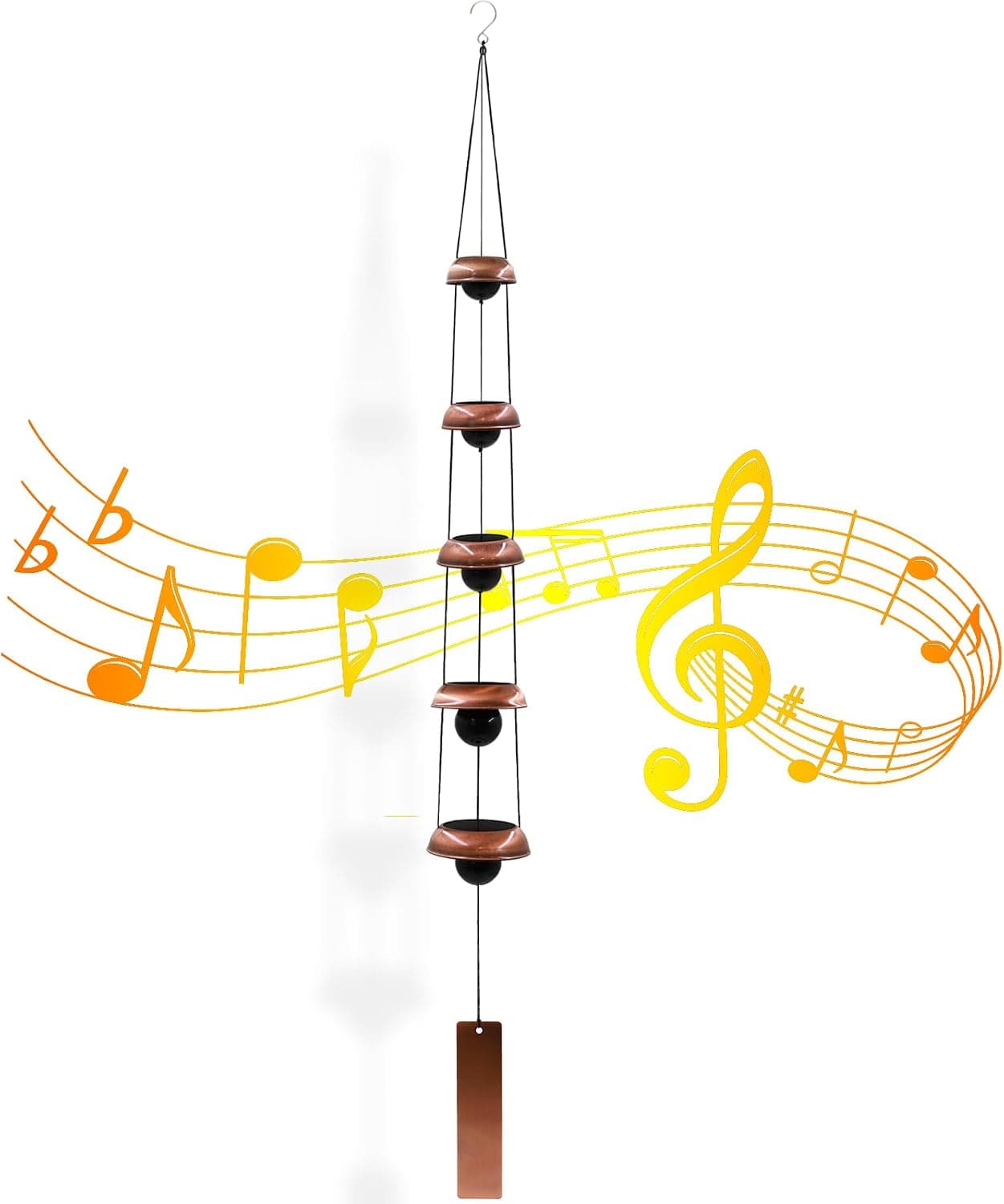 -19%
-19%Wind Chimes for Outside with 5 Bell Unique Copper Musical Chimes Feng Shui Wi...
 -5%
-5%YU FENG Evil Eye Money Tree, Blue Feng Shui Decor with Golden Buddha
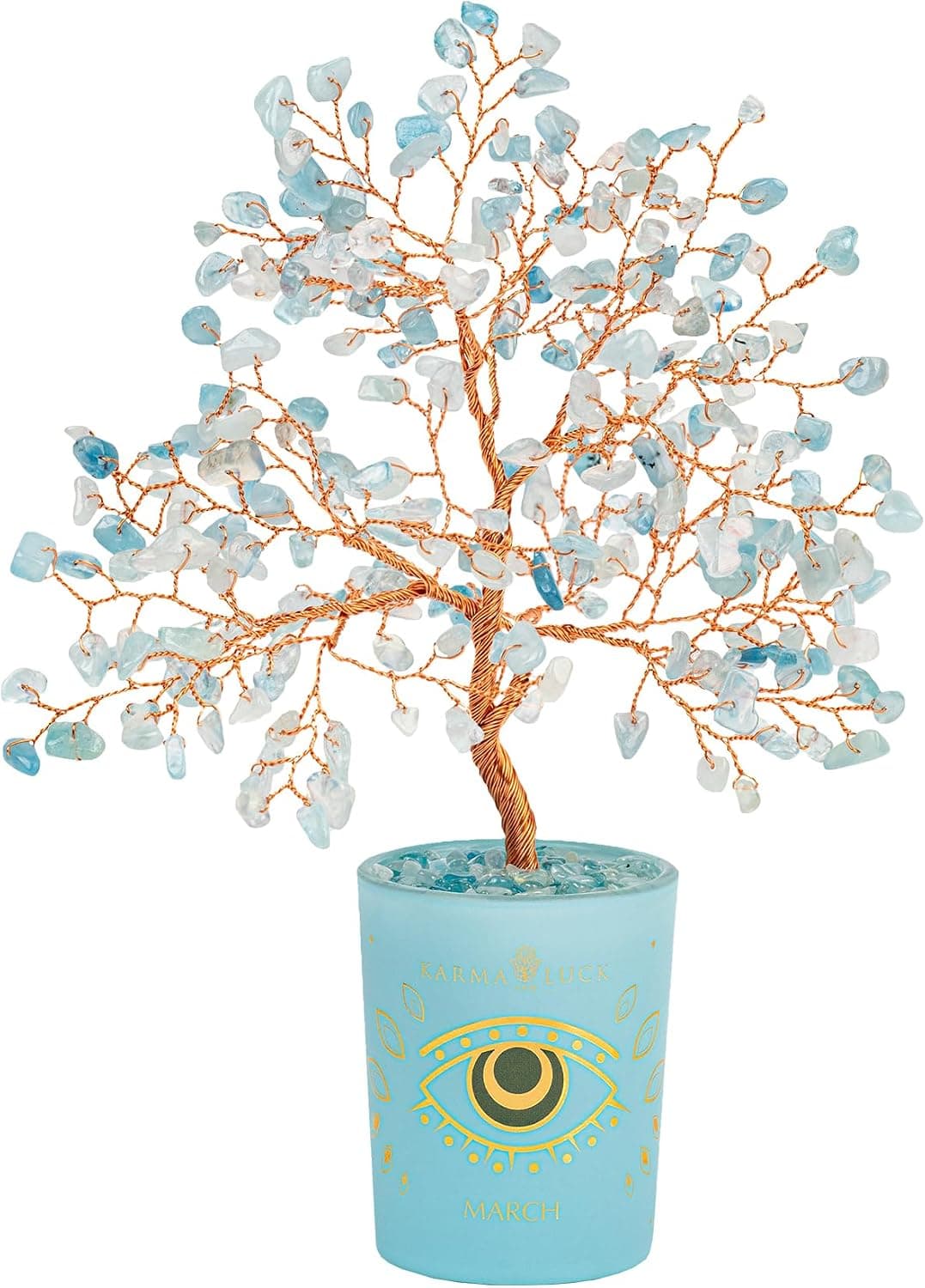 -29%
-29%Karma and Luck March Birthstone Crystal Tree of Life, Aquamarine Gemstone Fen...
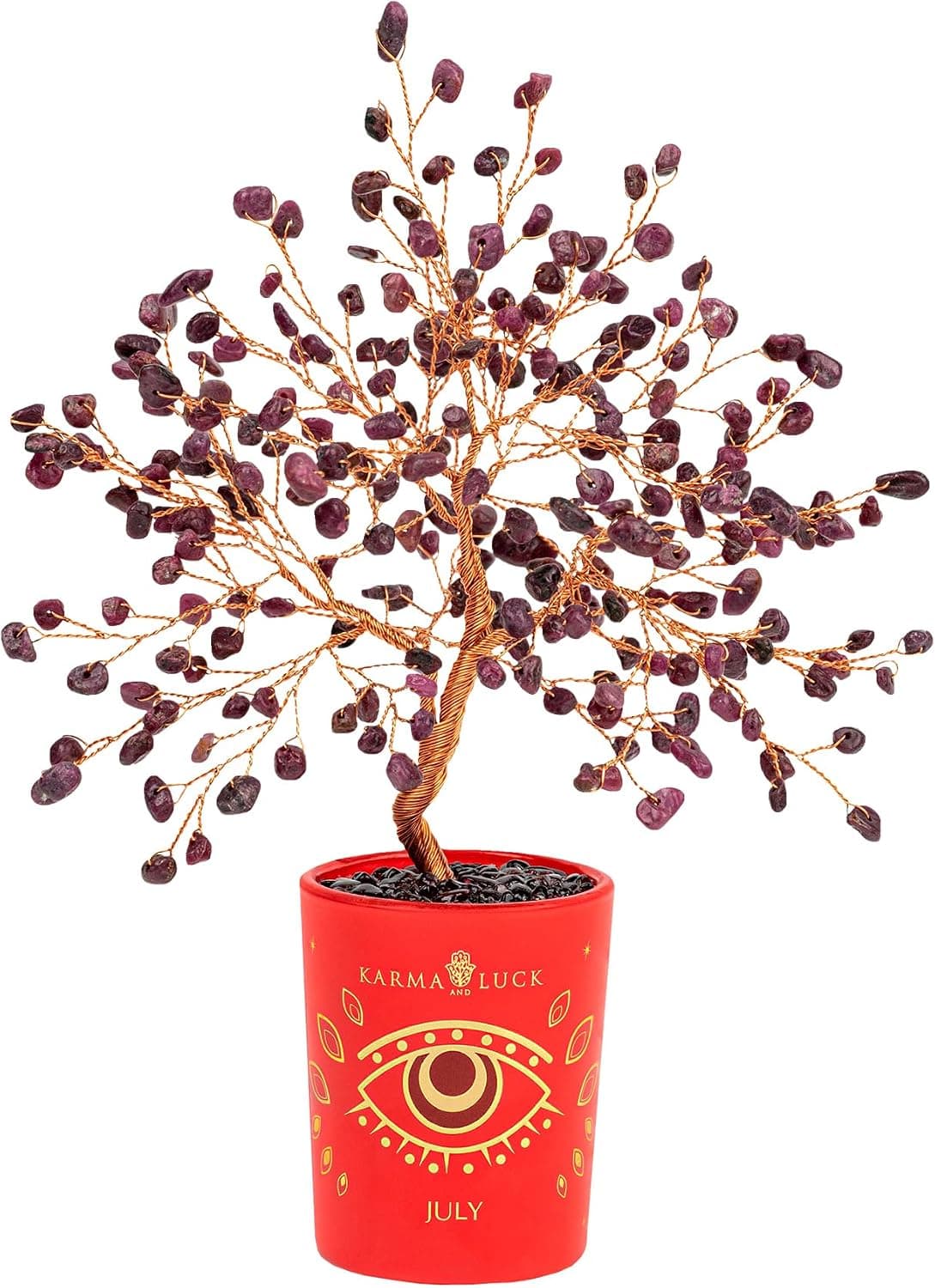 -29%
-29%Karma and Luck July Birthstone Crystal Tree of Life, Ruby Gemstone Feng Shui ...
As an Amazon Associate, we earn from qualifying purchases. We only recommend items our practitioners have personally tested.
Continue Your Journey
Explore these related guides to deepen your understanding:


Ready for Deeper Guidance?
Try our free I Ching reading for personalized wisdom, or explore our curated Feng Shui essentials.