A kitchen can follow every rule and still stir tension the moment it meets the hall.
The Hidden Truth About kitchen layout guide feng shui
I’ve seen kitchens packed with cures, lucky colors, and careful appliance placement still leave a house feeling edgy the second someone steps through the doorway. The issue usually isn't the stove. It's the boundary. That strip of floor where the kitchen meets the hall, dining room, or living area decides whether the room settles people or keeps them on alert.
One apartment in particular stays with me. The kitchen door opened straight into a narrow passage, and a red kettle sat on the counter beside a stainless-steel knife block. On paper, everything looked “correct.” In practice, the owner began eating standing up, skipped real meals, and felt irritated every evening around 6:30. The moment I shifted the visual line at the threshold, the whole room changed pace. Not magic. Less collision.
That is why standard advice can mislead. It talks about objects inside the kitchen as if the room begins at the stove and ends at the fridge. In real homes, qi does not respect a neat interior diagram. It pours across thresholds, slows at corners, and gets snagged by what the eye meets first. You can read more about how boundary pressure works at the front entry, because kitchens behave the same way: the first few steps matter more than the back wall.
Conventional rules persist because they are easy to repeat. “Keep the stove visible,” “avoid clutter,” “use warm tones.” Fine, but incomplete. The stronger question is whether the kitchen receives people gently or grabs them immediately. That distinction explains why a perfectly styled room can still feel tight, while a simpler one with a clear landing zone feels calm enough to cook in.
Why the threshold changes everything
The edge between rooms acts like a filter. If the kitchen opens directly into a busy hall, the eye takes in movement, smells, heat, and sharp shapes all at once. The body reads that as unfinished business. A person may not name it, but they will leave the room faster, snack more, and avoid lingering at the table. I’ve watched this happen in homes with beautiful cabinetry and expensive stone counters. The layout looked expensive. The experience felt restless.
Short version: the entrance to the kitchen needs to soften the arrival.
That can mean a screen, a plant with full leaves, a mat that defines the landing, or simply moving a tall object so the first sightline does not slam into metal, glass, and glare. A black fridge facing the doorway can feel like a wall; a pale runner or wood-toned buffer can give the room somewhere to exhale. The point is not decoration. The point is sequencing. Let the room unfold instead of announcing itself like a siren.
People often focus on fire and water balance inside the kitchen and forget the boundary that frames them. That’s where the tension starts. A stove under open shelving with knives visible, for example, creates a hard edge that meets the eye before the room has had time to settle. If your kitchen also connects to the dining area, the problem doubles, because the threshold becomes a traffic lane rather than a transition. For deeper context on the room’s internal dynamics, see how knife placement changes the tone of a kitchen immediately.
Here’s the contradiction most advice skips: an open-plan layout can look modern and still behave badly, while a modest enclosed kitchen can feel generous if the doorway gives a person a clean first impression. I know that sounds backward. It is, a little. But homes are experienced in sequence, not in floor-plan diagrams.
How common advice backfires at the doorway
People love to put cures in the middle of the room and assume the work is done. Then the kitchen table becomes a drop zone, the counter nearest the hall collects keys and mail, and everyone keeps brushing past the same cramped spot. You get friction, then you blame the stove, then you buy another charm. The charm was never the issue.
What usually helps is more precise. Stand at the kitchen entrance and look at the first thing your eyes hit. If it is a pile of cereal boxes, a dish rack, or a gleaming appliance corner, that image is setting the tone before anyone crosses the threshold. Move the mess out of sight. Shift the sharp line. Give the doorway a little breathing room. A soft curtain, a rounded vase, or a low cabinet edge can change the entire feel without redesigning the room.
Conventional remedies also fail when they ignore family behavior. A threshold that cuts through the cook’s path makes people jostle, speak sharply, and interrupt the person preparing food. A kitchen island placed too close to the passage can create exactly that problem. The body has to turn, stop, and negotiate space where it should move naturally. That’s not theoretical. It shows up as clipped conversations, burnt rice, and the annoying habit of forgetting what you came in for.
Some readers reach for another layer of symbolism and end up overloading the room. Too many red objects near a doorway can make the transition feel hotter, not happier. Too much glass near the entrance can make the space feel exposed. And if your budget is small, the fix does not need to be grand. One carefully chosen object near the threshold can do more than six little cures scattered across the counters. If you want a money-related example of that principle, look at coin placements that make money feel managed, not chaotic.
The odd part is that people often notice the problem before they understand it. They say the kitchen feels “busy” or “off.” That is usually the threshold speaking.
What to change first, and what to leave alone
Start with sightlines. Stand in the hall, the dining room, and the kitchen itself. Note where your gaze lands first from each direction. If the doorway slices through a sharp corner, soften it with a plant, a screen, or a narrower field of view. If the first thing visible is the sink piled with dishes, clear that area before touching anything decorative. The threshold wants clarity before symbolism.
Then check movement. Can two people pass without turning sideways? Can you open the oven while someone walks by? Can the fridge door swing without blocking the entrance? Those practical questions are feng shui questions. A kitchen that forces constant sidestepping teaches the household to stay on guard. A smoother path reduces that subtle vigilance.
Color matters, but not in the cartoonish way people imagine. Warm earth tones near the boundary can steady a room that feels too exposed, while heavy black or aggressive red at the opening can sharpen the mood. Use contrast with care. A muted runner, a wood stool, or even a beige painted trim at the doorway can make the transition gentler without muting the whole kitchen. For more on how room tone alters daily comfort, see the bedroom color choices that quiet the mind; the same principle applies, just with a different function.
And leave some things alone. A perfectly centered stove matters less if the entrance is chaotic. Expensive tile matters less if the first sightline hits drying pans. A crystal tucked on a shelf will not correct a doorway that feels like a bottleneck. Fix the gate first, then the room. That order is rarely mentioned because it sounds too plain. Plain is often what works.
One more detail. If the kitchen opens beside a staircase, a bathroom, or a sharp corridor, the threshold needs extra softness. That kind of adjacency creates cross-traffic, and cross-traffic creates noise in the body. A small buffer table, a hanging textile, or a change in flooring can help the eye register a pause before entering the cook space. The pause is the cure.
Why people believe the simpler version
Because it is easier to sell. A list of kitchen rules feels neat. It lets people believe they can fix a house by moving three items and buying one bowl. That promise is attractive, especially when the real work involves noticing how people actually move, pause, argue, and grab coffee in the morning.
There is also a cultural habit of overvaluing objects and undervaluing transitions. A bowl can be pretty. A threshold is invisible until it causes trouble. Yet that invisible strip of space controls whether the room welcomes or resists. If you have ever found yourself standing in the doorway of a kitchen and deciding not to enter, you have already felt the difference.
The old texts understood this in their own language. They cared about openings, channels, and how force enters a space. Modern homes just hide the lesson inside drywall and appliance finishes. The principle has not disappeared. It has merely been buried under design trends.
For some homes, the answer is less about rearranging the kitchen itself and more about understanding the overall house pattern. A narrow plan, a split-level, or a room that receives traffic from several directions can change how every doorway behaves. That broader lens is why I send readers to mapping a home without overthinking it and, in more complex layouts, to the way an L-shaped apartment shifts the flow. The kitchen never stands alone.
So yes, conventional advice can be useful. It just arrives late. By the time you are polishing the stove, the real problem may already be sitting at the threshold, in plain sight, daring you to notice it.
FAQ
Is conventional kitchen layout guide feng shui advice reliable?
Not by itself. It usually catches the obvious objects but misses the boundary where the room actually meets the rest of the home. A tidy stove cannot fix a doorway that feels abrupt or crowded.
What should I change first if my kitchen feels unsettled?
Start at the entrance and work inward. Clear the first sightline, remove sharp visual clutter, and make sure the path in and out feels easy. After that, address stove, sink, and storage.
Can an open-plan kitchen still work well?
Absolutely, but it needs a gentler transition. Open layouts often need more visual buffering because there is no door to slow the eye. A rug, a low divider, or a calmer view from the hall can make a big difference.
Do I need to buy special items for this to help?
Usually not. A better arrangement beats a pile of objects every time. If you do add something, make sure it changes the first moment of entry, not just the shelf styling.
The next time you stand at your kitchen door, notice what happens before you even step in. Does the room invite, or does it brace?
Mei Chen
Traditionally informed guidance • Cross-referenced with classical Chinese source texts
Content draws from both Compass (Luopan) and Form (Xingshi) school traditions. Illustrative examples are composites based on consultation experiences.
Practitioner-Selected Tools for This Topic
Items our team has tested and found effective for the principles discussed above. Individual results may vary.
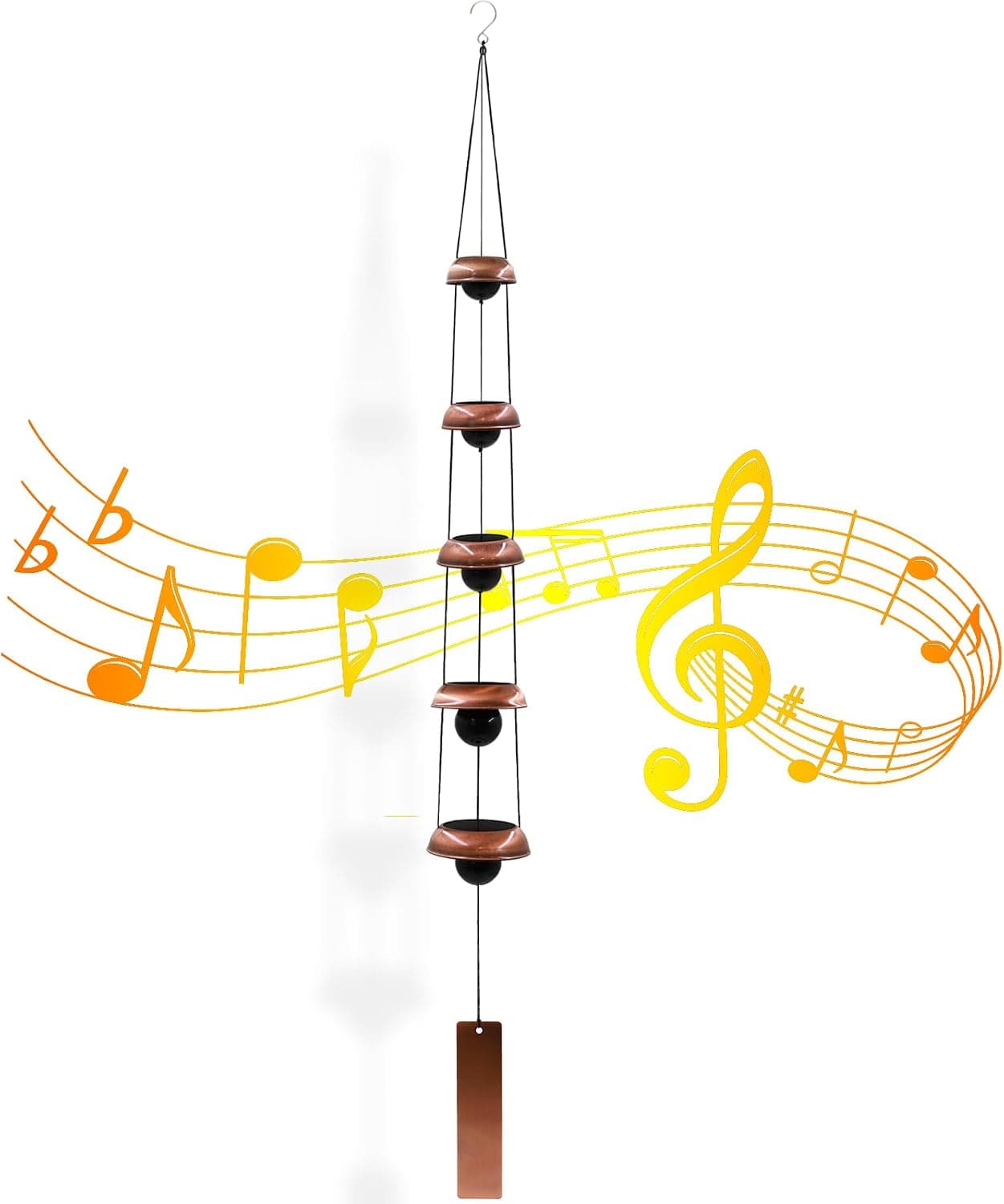 -19%
-19%Wind Chimes for Outside with 5 Bell Unique Copper Musical Chimes Feng Shui Wi...
 -5%
-5%YU FENG Evil Eye Money Tree, Blue Feng Shui Decor with Golden Buddha
 -29%
-29%Karma and Luck March Birthstone Crystal Tree of Life, Aquamarine Gemstone Fen...
 -29%
-29%Karma and Luck July Birthstone Crystal Tree of Life, Ruby Gemstone Feng Shui ...
As an Amazon Associate, we earn from qualifying purchases. We only recommend items our practitioners have personally tested.
Continue Your Journey
Explore these related guides to deepen your understanding:


Ready for Deeper Guidance?
Try our free I Ching reading for personalized wisdom, or explore our curated Feng Shui essentials.