You can place the stove perfectly and still keep the room stuck. The dead zone decides more than the gadgets do.
The Hidden Truth About kitchen layout feng shui
I have watched people move a stove six inches, buy new bowl sets, even repaint the island a calmer cream, and still feel the same drag every time they walk in to make coffee. The room looked “correct.” The mood did not. That gap is the dead zone: the patch of space where movement stops, attention drops, and the whole room starts leaking purpose.
One Friday evening, I stood in a narrow galley kitchen in a Seattle condo while a retired teacher named Elaine showed me the problem without meaning to. Her pale blue kettle sat on the counter beside the sink, a knife block crowded the corner, and a bright red fruit bowl sat in a pocket of countertop no one used. She had followed the usual advice, down to the brass accents. Yet she kept leaving mail on the table, burning rice, and snapping at her husband before dinner. Not because the kitchen was “bad.” Because the dead zone sat between the fridge and stove like an unspoken pause, and everyone routed around it.
The mechanism is simple once you stop romanticizing it. Qi does not vanish; it stalls. Stalled movement creates hesitation, and hesitation creates habit. You start setting things down there because it is the easiest landing spot, then the landing spot becomes clutter, then clutter becomes a visual command that tells your body this room is for interruption, not flow. That is why conventional advice can backfire. A polished kitchen with a dead zone can feel more frustrating than a messy one, because the eye expects order and gets friction instead. Wrong.
Most people only look at objects. Better to watch the path. Stand at the doorway and trace where the body naturally turns: from fridge to counter, sink to prep area, prep area to stove. Any place where you have to twist, detour, or reach past a dead corner is not neutral. It is an energetic brake. The fix is not decoration. It is routing.
How the Dead Zone Forms, Step by Step
First comes the input condition: a kitchen with a hard corner, a narrow aisle, or a stretch of counter that cannot be reached without overextending. Then comes the first slowdown. You set a toaster there because the outlet is convenient, or a basket because the shelf feels “empty.” That spot now has a job, but not a good one. It becomes storage without decision.
Next, the room teaches the people in it. A dead zone changes posture before it changes mood. You lean into it. You drop things there. You stop using the center of the room because the center no longer feels like the center. The difference is subtle at first, then loud. In one Bronx apartment I visited, a stainless steel mixer sat three feet from the east window, and the owner kept brushing against it on the way to the sink. She complained of “random” fatigue at dinner. Random? Not even close.
Then the room amplifies the pattern through repetition. If the dead zone sits between prep and cooking, meals take longer. If it sits near the entrance, groceries land there and stay there. If it sits beside the table, conversation gets clipped because everyone keeps looking at the mess. This is why kitchen layout matters more than people admit. The room trains behavior, and behavior trains the room back.
The output is not mystical fog. It is missed meals, cluttered counters, arguments over small things, and that familiar feeling that the kitchen is somehow tiring before dinner even starts.
Find the Zone Before You Fix It
Use your body, not your eyes. Walk in carrying one full grocery bag. Where do you want to set it down immediately? That landing point often reveals the dead zone. Then repeat the test with a mug, a cutting board, and a dish towel. The same spot usually comes forward again and again because the room has quietly assigned it the least useful task.
Another clue: look for the place where light is present but use is absent. A bright corner with no real job is often more problematic than a dark utility nook, because the brightness makes the neglect look intentional. That mismatch creates a low-grade irritation. You notice it each time you enter, even if you cannot name it.
Do not confuse emptiness with health. A blank corner is fine when it supports movement. A blank corner becomes trouble when it interrupts the route from one working area to the next. That distinction matters. A kitchen with an unused wedge beside the refrigerator can be harmless if it stays open; the same wedge becomes a drain when it collects bread bags, spare chargers, and unopened mail.
One quick test: stand at the stove and ask whether you can reach the sink, fridge, and prep surface without circling the room. If the answer is no, the dead zone is likely pulling the layout off balance. This is the point where many people reach for a cure they saw online, then wonder why nothing changes. Often they need a route correction first, not a charm. mapping the room without overcomplicating it helps, because the bagua only works when the circulation underneath it makes sense.
What Actually Fixes It
Start by giving the dead zone a real function or removing it from the route entirely. That may mean shifting a trash bin, relocating a cookbook shelf, or swapping a bulky chair for a narrow stool. The goal is not to fill every inch. The goal is to stop the room from asking people to hesitate.
In kitchens with sharp corners, I often prefer one clear object over three weak ones. A single ceramic jar for chopsticks beside the prep area does more than a cluttered tray of small items. One object declares intent. Three objects invite drift. If the corner sits by the stove, keep anything flammable out of that pocket and use a clean visual line instead. If it sits near the sink, let the area feel dry and deliberate, because wet clutter breeds delay.
Color matters, but only after circulation is repaired. A matte white tile can calm a cramped passage, while a darker wood tray can anchor an overexposed stretch of counter. I would not choose color first. That is the part beginners get backwards. They buy green canisters because “wood element,” then leave them in a dead corner where nothing moves. The room still feels stuck because the problem was routing, not hue.
One of the fastest corrections is to create a working triangle that actually behaves like a triangle. Fridge, sink, stove. If one side of that triangle passes through a dead zone, shorten it. Move the utensil crock, shift the recycling bin, or clear the exact surface people brush against on the turn. This is where knife placement mistakes create hidden tension as well, because a crowded edge near a dead zone makes the entire room feel sharper and less forgiving.
And no, the answer is not always “add plants.” A basil pot looks charming until it sits in the traffic pinch between prep and stove, where leaves get bruised and the owner starts stepping around it like furniture. Plants belong where they can support movement, not interrupt it. the wrong plant in the wrong corner can turn a dead zone into a maintenance job, which is still a form of stagnation.
There are also times when the fix is subtraction. Remove the stool nobody uses. Clear the appliance that blocks the sightline. Take the mail basket out of the kitchen altogether. Space can become active again simply because it is no longer being asked to hold the wrong things.
Why Common Advice Backfires
People love symmetrical advice because it sounds tidy. Put the stove in command position. Keep knives hidden. Add wood, add red, add a bowl of oranges. Fine. But if the room has a dead zone near the entry, that symmetry just decorates the problem. You can make a kitchen look balanced while the daily path remains broken.
Here is the contradiction: the more a dead zone is prettified, the more invisible it becomes. A glossy tray with three candles does not change the fact that nobody can walk through that stretch without bumping a hip. A copper bowl in the wrong place still marks a stall point. Sometimes the most “favorable” object in a kitchen becomes the thing that freezes movement because everyone starts treating it as untouchable.
Classic texts are not shy about this. The old principle is that form directs flow, and flow directs use. Modern homeowners hear that and think in symbols. Practitioners think in sequences. Who enters first? Where does the hand land? What gets set down because the movement is unfinished? That is the real layer. five elements theory explains the mismatch when the room looks balanced but still feels off, because the element on the shelf matters less than the behavior the shelf triggers.
Another surprise: a little awkwardness can be useful. A fully saturated kitchen leaves nowhere for intention to land. A healthy layout has breathing room at the right edges, not at the expense of the route. The dead zone is not the same as negative space. One supports pause. The other produces drag.
Three Kitchen Scenarios That Reveal the Pattern
In a family kitchen with an L-shaped counter, the dead zone often appears at the outside elbow. Everyone cuts the corner there, so crumbs collect, the recycling bin slides sideways, and the child starts dumping school papers on top of the mail. I saw this in a small apartment in Oakland: navy cabinets, brass pulls, a butcher-block island, and a pale gray rug that made the traffic path obvious. Once the family moved the stool out of that corner, dinner prep stopped turning into a relay race.
In a larger open-plan home, the dead zone often hides behind beauty. An oversize bowl, a decorative tray, and a vase of eucalyptus make the island look styled, but if the sink-to-stove route bends around them, the kitchen starts feeling like a showroom. People do not relax in showrooms. They perform there. That performance leaks into conversation, and then someone says something sharp over dishwashing duty.
In a compact apartment, the dead zone can be so small that people dismiss it. A twelve-inch strip beside the microwave seems trivial until it becomes the place where keys, receipts, and grocery coupons collect every evening. Tiny zones have short memories and bad manners. They train the hand to drop, not place. That is enough.
One of the easiest ways to break the pattern is to assign a single, repeatable action to the area. If it must exist, let it hold dish towels only, or a narrow cutting board, or a wall hook for oven mitts. Don’t let it become the room’s waiting room. Waiting rooms are where energy goes to sit down.
Practical Adjustments That Work in Real Homes
Start with the doorway view. What do you see first when you stand outside the kitchen? If the answer is clutter on a counter lip or the side of a stool, that is where attention gets snagged before anything useful begins. Clear that sightline and you often feel the room change before you touch anything else.
Then address the exact place where hands hesitate. Sometimes it is the counter between sink and stove. Sometimes it is the narrow end of an island where everyone grazes their shoulder. Sometimes it is the floor area by the pantry door where bags are always parked. Move the problem object out of that point, then test the route again. The body will tell you quickly whether the fix worked.
Do not overcorrect. If you remove every object from the dead zone and leave it barren, the room can start feeling unfinished in a different way. A kitchen needs evidence of use. It does not need an empty museum corner. Place one grounded item there if the spot still feels exposed: a low basket for napkins, a ceramic crock for utensils, a narrow mat beneath a frequently used bin. The object should serve motion, not compete with it.
Where the dead zone sits near the sink, keep water tools tight and crisp. Where it sits near the stove, reduce visual noise and keep combustible items away. Where it sits at the entry, treat it like a threshold and make it easy to cross. Those distinctions matter because each part of the room carries a different job. Treat them the same and the room starts arguing with itself.
For deeper structural reading, I always send people back to the bigger pattern of their home. The kitchen does not operate alone. It answers to the front door, the bedroom, and the larger circulation map. If the entry is cramped, the kitchen often ends up receiving the overflow. If the bedroom is restless, the kitchen turns into an emotional dumping ground at night. the front door sets the tone for everything after it, and kitchens inherit that tone whether you notice or not.
There is a reason a room can look clean and still feel unhelpful. You are not responding to dust. You are responding to stalled intention.
Common Mistakes That Keep the Dead Zone Alive
People love to park appliances in the most awkward strip of counter because the outlet is there. That feels efficient. Then the blender becomes permanent scenery, the cord coils awkwardly, and the surface stops serving food. Efficiency on paper. Friction in practice.
Another mistake: treating a dead corner as a shrine. A fancy vase, a cluster of candles, or a bowl of oranges can make the area look intentional, but if it blocks flow or creates a no-touch zone, it teaches the household to route around the space. The room becomes polite and unusable.
Then there is the overuse of “cures” that ignore the mechanics. People hang metal charms, place crystals, or sprinkle symbols everywhere while the actual bottleneck remains untouched. If the refrigerator door still collides with a chair, nothing symbolic will rescue the route. Decoration without correction is lipstick on a jammed hinge.
And yes, knives matter here too. A blade set too visibly in the same zone where movement stalls sharpens the room in the wrong way. The eye reads danger even before the hand does. That is why knife storage habits belong in the conversation whenever a kitchen feels edgy instead of easy.
One last trap: assuming a clean counter means a clear current. It does not. A spotless dead zone can still be a dead zone if nobody can use it without stopping, turning, or reaching across something. Clean is not the same as functional. People confuse those two all the time.
FAQ
Is conventional kitchen layout feng shui advice reliable?
Often not by itself. Standard advice tends to focus on symbols and placements, but the room’s actual pathways matter first because they shape what the household does every day. If the route is awkward, the “correct” arrangement can still produce tension and delay.
How do I know I found the dead zone?
Watch where objects collect without effort. If that spot keeps attracting bags, mail, utensils, or appliances, the room has probably chosen it as a pause point. Your body also gives it away: you slow down there without thinking.
Can a small kitchen still have one?
Absolutely. Small spaces are often the clearest example because every inch has to pull its weight. A six-inch strip beside the microwave can become the place where the whole room starts leaking attention.
Should I add a cure or remove clutter first?
Remove clutter first. A cure placed on top of a bottleneck only makes the bottleneck look deliberate. Once the path works, then choose an object that supports the new movement instead of freezing it.
What if my kitchen looks fine but still feels wrong?
That usually means the visual layer is okay and the motion layer is not. I have seen this in kitchens with stone counters, pendant lights, and perfectly matched stools; the room still felt tiring because one turn forced the body to hesitate. The dead zone is often quiet, which is exactly why people miss it.
Does the kitchen connect to the rest of the house?
Yes, and that connection is stronger than most people expect. A blocked entry, a restless bedroom, or a cluttered hall can all push overflow into the kitchen. If you want the room to change for real, you have to look at the house as a sequence, not a pile of separate boxes.
Sometimes the most revealing thing in a kitchen is not the stove, the fridge, or the color on the walls. It is the little patch by the turn where everyone slows down, sets something down, and keeps going as if nothing happened. Watch that spot for one evening. The story it tells is usually not subtle.
Mei Chen
Traditionally informed guidance • Cross-referenced with classical Chinese source texts
Content draws from both Compass (Luopan) and Form (Xingshi) school traditions. Illustrative examples are composites based on consultation experiences.
Practitioner-Selected Tools for This Topic
Items our team has tested and found effective for the principles discussed above. Individual results may vary.
 -19%
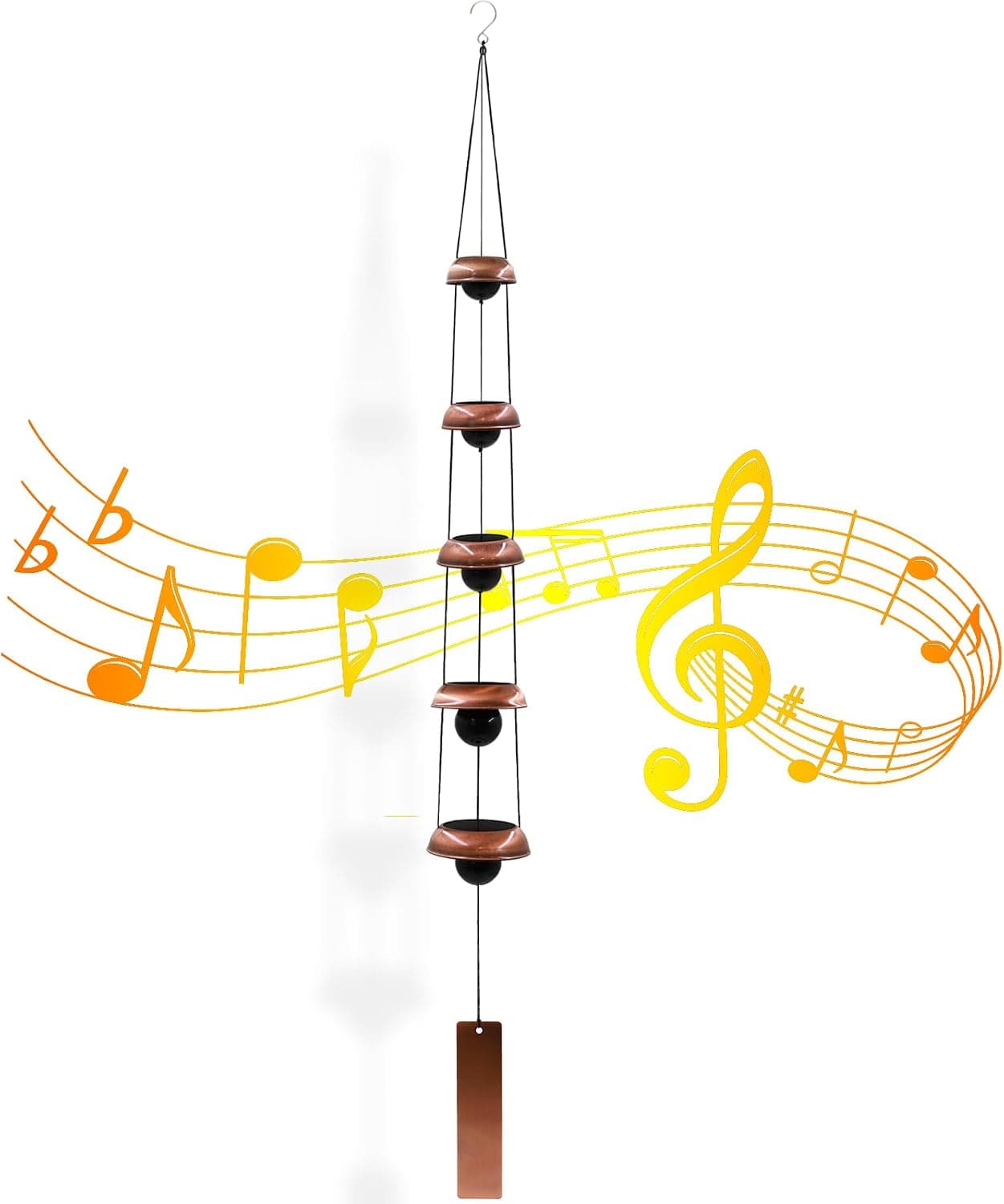
-19%Wind Chimes for Outside with 5 Bell Unique Copper Musical Chimes Feng Shui Wi...
 -5%
-5%YU FENG Evil Eye Money Tree, Blue Feng Shui Decor with Golden Buddha
 -29%
-29%Karma and Luck March Birthstone Crystal Tree of Life, Aquamarine Gemstone Fen...
 -29%
-29%Karma and Luck July Birthstone Crystal Tree of Life, Ruby Gemstone Feng Shui ...
As an Amazon Associate, we earn from qualifying purchases. We only recommend items our practitioners have personally tested.
Continue Your Journey
Explore these related guides to deepen your understanding:


Ready for Deeper Guidance?
Try our free I Ching reading for personalized wisdom, or explore our curated Feng Shui essentials.